Scarlet, Sleigh, and Gift: How the Story of Santa Claus Reflects the Gospel

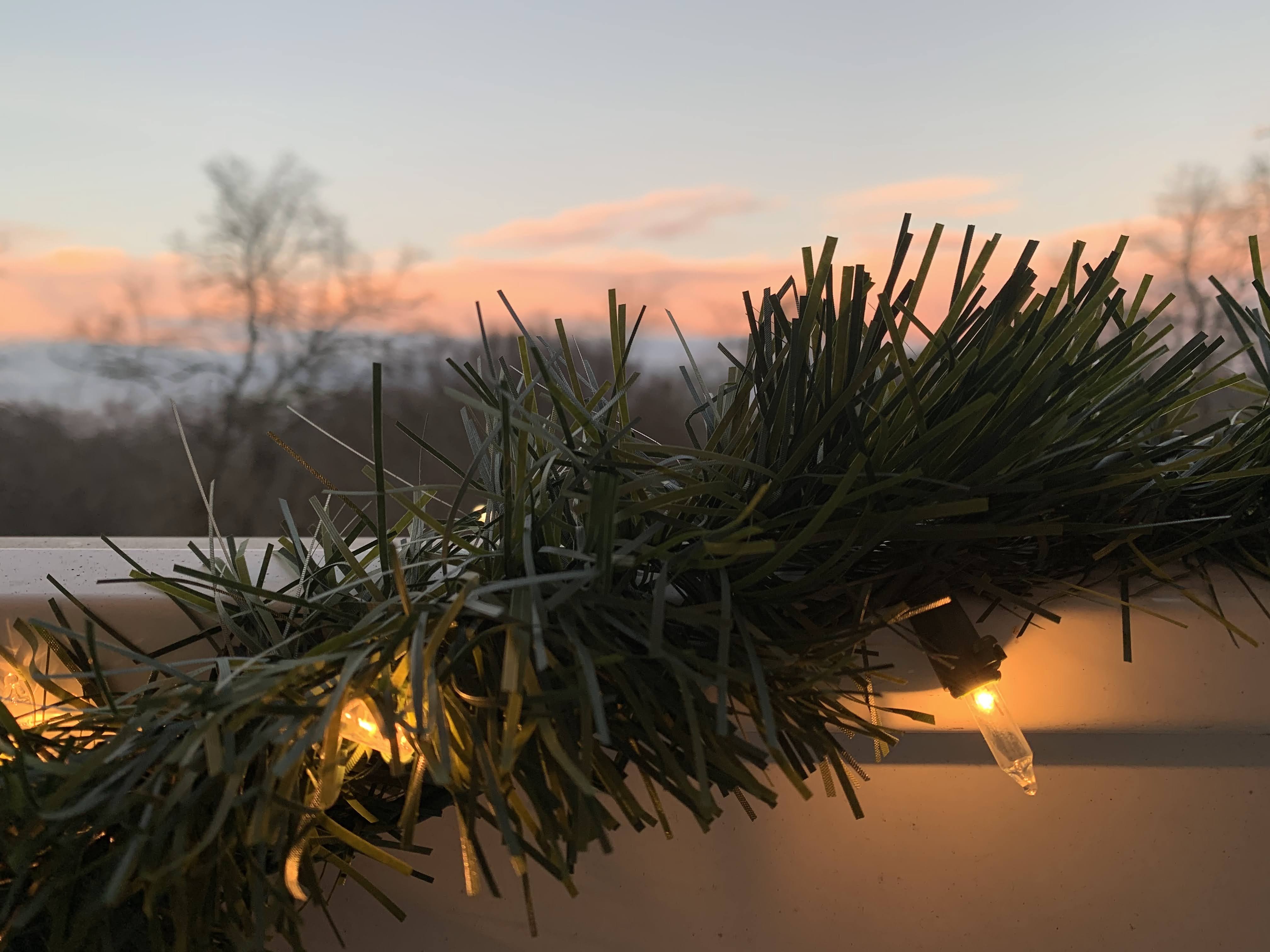
Christmas lights in the snow

I love this time of year: twinkling lights and glittering stars against the early dark; crimson and gold entwined in the rich green of wreaths and trees; the world-silencing wonder of the first snow; frost-flowers on window panes; the merriment that feels age-old and ever-new. This time of year, the story of the Myth-Become-Fact of Jesus Christ, the child of prophecy, reimposes its majesty, mystery, and closeness to our waking lives.

As I said in my last blog post, I really miss putting together “Leaf by Lantern” podcast episodes. I still don’t have the time to record, edit, and publish the audio, but I’ll keep writing out prose episodes as long as I have fairy tales and folktales to talk about.

For this episode/essay, I looked through a few fairy tales that could fit into a Christmas theme until I realized that there is a fascinating folk tale right at my fingertips to explore: Santa Claus. It is deeply sad that many have tried to replace the wondrous Incarnation, in all its holiness and mercy, with the story of a jolly, plump man who delivers presents — like replacing the sun with a cheap flashlight. But as I think about the tradition of Santa Claus, specifically the American version of the story I grew up hearing, I realize that it’s one of the better-known folktales of our age. Though it does have aspects of legend (history + fiction) going back to St. Nicholas of Myrna, who was a historical figure, elements like the North Pole, the reindeer, and the toyshop with elf employees have been added in and retold dozens of times. The “folk,” the common people, have made it our own. And like all good folktales, it points to the gospel.

Literary and film retellings of the folktale range from mythic and enchanting, like The Legend of Holly Claus and The Polar Express, to goofy, like Elf, Klaus, and The Santa Clause, to sweet, like the Prancer movies and Rudolph the Red-Nosed Reindeer, to tongue-in-cheek, like Red One of this year. Storytellers draw out the threads they like and reweave and reinterpret them: giving Santa various elaborate backstories, explaining the origins of the reindeer and North Pole workshop with greater detail, and incorporating other characters that the audience can relate to. I wrote a Santa retelling myself a few years ago, one of my favorite of my own stories, “Flight of the Gift-Giver.”

So I’ll look at the legend/folktale of Santa Claus in the same way I’ve looked at various fairy tales and ask:

  • How do the images in this story reflect the gospel?
  • How would a Christian artist who crafts a retelling of the Santa folktale do so in the light of Scripture, using the Bible as the reference for truth and beauty?

I’ll look at the images of Santa himself, the sleigh, and the naught vs. nice list.

Santa: Man and Myth

Most of the Santa figures I’ve seen in retellings portray him as jolly and silly, a good-hearted buffoon. He’s grandfatherly and more regal in Miracle on Thirty-Fourth Street and something more of a warrior in Rise of the Guardians. Michael Ward’s book Planet Narnia, which traces medieval planetary symbolism in C.S. Lewis’s Chronicles of Narnia, helped me to understand the Father Christmas who appears to the four children as a jovial figure, embodying the kingliness, magnanimity, wisdom, benevolent sovereignty, and peaceful prosperity of the medieval idea of Jove.

I see several Biblical images to work with in any retelling’s version of Santa:

  • The color red as luxury — The tabernacle and temple were full of “fine twined linen and blue and purple and scarlet yarns” (see Exodus 26:1 and many other verses in Exodus) and the wife of noble character of Proverbs 31 is “not afraid of snow for her household, for all her household are clothed in scarlet.” Scarlet or purple is a royal color, luxurious and lovely. Whether your Santa is stately and majestic, a kindly grandfather, a holy fool, or a more complex character with secrets and struggles of his own, I would not be afraid to lean into that regal aspect. He’s kingly, with authority over some sphere.
  • The color red as a representation of sin — “Come now, let us reason together, says the LORD: though your sins are like scarlet, they shall be as white as snow; though they are red like crimson, they shall become like wool.” (Isaiah 1:18, ESV). Red is the color of blood; the blood of bulls and goats atoning for Israel’s sin over and over, never enough, and the blood of the Lord Jesus shed once and for all as the Lamb of God. The paradox of a color that represents sin and the deliverance from sin is fascinating. How might your Santa represent the paradox of sin and redemption? How could he reflect the Messiah who was made to “be sin who knew no sin, so that in him we might become the righteousness of God” (2 Corinthians 5:21)?
  • Santa’s entry through the chimney — I don’t want to overanalyze this image (it may partly be functional — just a way of explaining to children why Santa doesn’t need a housekey) but I find it intriguing that Santa enters from above through an avenue normally reserved for fire. It reminds me of the Lord sending down fire in judgement on Sodom and Gomorrah in Genesis 19; in proof of His sovereignty in 1 Kings 18; in an outpouring of the Spirit with wind and tongues of fire at Pentecost in Acts 2. The fact that Santa comes with gifts instead of judgment reminds me of Christ who came to offer sinners a hope undeserved. How might the chimney/fire from above/hearthfire factor into your Santa’s abilities and character?
  • Santa as undying — Santa is an old man but immortal. He represents an age-old hope that never dies. While his joviality is, well, Jovial (again, the medieval idea of Jove is of a kingly, generous, serene figure), I also see a possible link to Saturn or Father Time. He serves as a foil for Christ, who came as a child and will never age or die. How would ageless age affect the character of your Santa?

Whether you’re drawn to the goofy or the phantasmagorical in developing your Santa, I would argue one last thing: the imagery of the Santa tale is good. I don’t see a good case for making him a villain. I might also suggest exploring Santa’s role as a guide between the ordinary and magical, like Mary Poppins or Peter Pan: someone who knows the deep secrets of the world and helps others on their quests, their journeys towards happy endings.

The Sleigh and Divine Intervention

The image of Santa’s sleigh pulled by flying reindeer past a gigantic moon is iconic. The sleigh’s passage from sky to individual homes links it with many passages about heaven meeting earth, the divine intervening in human history, the Most High reaching down to our humble estate to rescue us. The image of the flying sleigh coming at night reflects the image of Christ coming to us as light in our darkness, life to our shadow-lives of spiritual death.

But Santa’s flying sleigh intersects beautifully with another of my favorite Biblical images: the “chariots of fire and horses of fire” that come for Elijah the prophet when he “went up by a whirlwind into heaven”at the end of his life (2 Kings 2:9-12). Since reading this story in nightly Bible story time when I was little, I have a fierce, aching jealousy of Elijah’s flight from earth.

Thus the Bible has two glorious images you could use to beautify a Santa Claus retelling:

  • Divine intervention — Light in darkness; a redeemer who “descended”; a healer who comes to a land of terrible sickness; the Gospel of John, Paul’s letters, and many other passages of Scripture give soul-stirring metaphors to teach us what Christ did by coming to us. The more you can emphasize the sleigh as representing heaven’s reaching down to earth — joy in the midst of despair, the healing of a sickness, the lifting of a curse, the fall of an evil dominion, delight that overcomes despair — the closer you can bring your retelling to the mystery of the gospel.
  • Wind and fire — If you really want to dress up Santa’s sleigh, the fiery chariot and whirlwind of 2 Kings 2 could set your story ablaze. The image of fire in the cold of winter (apologies to anyone in the southern hemisphere who celebrates a warm Christmas) is also a beautiful one. The image of Elijah’s fiery chariot also connects with Santa’s entrance through the chimney . . . it’s intriguing how much fire lies hidden in this story’s images.

The Naughty vs. Nice Lists: The Law and Grace

At first glance, the naughty vs. nice list of the Santa folktale is nothing but the old, cheap trick of scaring children into good behavior. At second glance, it’s even worse: pharisaical works-righteousness and legalism, the lie that you can save yourself by Following the Rules. Spiritually, we are all much worse than naughty and deserve much worse than lumps of coal; that’s why we need grace.

And yet . . . as I look at it, the naughty vs. nice list and threat of coal vs. gifts could actually match up to the gospel in a different way. I’m reminded of Paul’s words about the Old Testament law: the law was like a guardian for the people of Israel (see Galatians 3). It was good in that it taught them the difference between sin and righteousness, holiness and defilement. The problem was that they could not keep the law on their own. They failed again and again by worshipping idols, intermarrying with other nations, or even with disobedient hearts as they keep the outward tenets of the law (see the entire Old Testament, or for a good picture of the situation, Isaiah 1). So the naughty vs. nice list may actually have that truth in it, the difference between right and wrong. And apart from Christ, we are all in the wrong.

The threat of getting a lump of coal instead of a gift has some interesting implications as well. In Isaiah 6, the prophet Isaiah is dismayed to find that he, a sinful man, has seen the Lord in his temple, attended by seraphs. In response, one of the seraphs brings him a flaming coal and touches it to his lips. “And he touched my mouth and said: ‘Behold, this has touched your lips; your guilt is taken away, and your sin atoned for’” (Isaiah 6:7, ESV). In a Santa retelling, an artist could take the disappointing gift of coal and turn it into something ironically wonderful and mysterious: something that purifies, restores, and redeems.

What about good gifts that are alternatives to coal? I don’t feel that plastic toys and mindless entertainment make the best symbol for the awesome gift of eternal oneness with the Living God. But as I thought about it, the idea of a child’s toy as something meant simply for joy and wonder, not a tool for labor or education, reflects the gratuitous, abundant richness of God’s goodness. If coal could be something glorious, what would a more direct symbol of divine grace be? I had a couple of ideas:

  • A gold ring — Gold as a nod to the golden streets of heaven; a ring as a sign of the covenant between Christ and His Bride, the Church
  • A key — Something that would open doors to adventure and mystery in your story, and also reflect Christ’s possession of the key of David (Revelation 3:7)
  • A dove — A living creature who acts as a guide, counselor, comforter, or helper, as a nod to the Holy Spirit
  • A music box or musical instrument — Something of delicate workmanship that makes music, an outlet of praise and awe

Hope everyone has a Merry Christmas! May good stories, feasting, and fellowship renew our wonder in the love of the Mighty King who clothes us in righteousness, washes us white as snow, descended into our darkness, and gives us the gift of Himself.

2023: The Close of the Year

Glittering ice storms and whimsical thaws and freezes; tiny white and purple wildflowers that sang like stars in the grass; a sweltering green summer full of dreams of dragons; a humming haze of an autumn, goldenrod and woodsmoke in the air. Playing the how-many-ebooks-can-I-check-out-per-month game on library apps; slipping into chiffon and satin for weddings; watching my dog roll around on his back like a deliriously happy bug; zipping up suitcases and carefully storing away parking tickets; sifting the pages of my Bible as if I climbed a stone staircase, trusting it to hold me. 2023 is finished – a translucent, winding, treacherous, wondrous year that taught me a lot of good things.

I wanted this to be a fruitful, abundant year, especially for my writing career. I resolved to edit the rough draft of a manuscript I’d just finished, submit at least one article for publication per month, release a fairy-tale-retelling podcast, and perhaps craft a few short stories for good measure – along with at least one blog post per month, of course. I accomplished a couple of those things, especially releasing the podcast, but for most of the time I found my heart and imagination blank and empty, unable to give birth to new ideas. 

At a writing retreat in February, my writing teacher reminded us that we writers are not machines with a set, predetermined production output. We’re more like trees, with seasons of fruitfulness and fallowness. I decided to fill myself up with good things in this fallow season, so when inspiration comes, it has plenty to work with: good books, good plays, good movies, and good teaching.

This blog post is a wrapup of some of the good things I filled up with in 2023, books and plays, as well as a few aftershow notes from recent “Leaf by Lantern” podcast episodes. 

Books of 2023

Researching the podcast this year kept me steeped in fairy tales, but I fed my soul with all the other books I could find. Here are some of my favorites:

Transformed: The Perils of the Frog Prince, by Megan Morrison – I wanted to read more fairy tale retellings so I could talk about them on the podcast, but I had trouble finding ones that weren’t dark, “steamy” YA fiction. Reading this story gave me a lot of pleasure during a long flight from the west coast. It’s actually the third in the Land of Tyme series (I have not read the first two) and features a brilliantly-developed, selfish and demanding main character who goes on a quest, solves a complex mystery, and undergoes a deep transformation.

This Rough Magic and Nine Coaches Waiting, by Mary Stewart – Despite the announcement on the covers of these paperbacks that these titles graced the New York Times Bestseller List (in the 1950s) and that Mary Stewart is famous as a master of “romantic suspense,” I had never heard of this author before. I could die of happiness. These books feature beautiful, daring heroines reminiscent of Grace Livingstone Hill girls or Nancy Drew; exotic locations described with lush, vivid prose (I adore detailed descriptions like these); thrilling adventures and wildly melodramatic romances. These books are definitely dated in certain ways, but they whisked me away to enchanted worlds for many happy hours. I would love to write books like these, set in places I know and love.

The Goldfish Boy by Lisa Thompson – I crave new, well-written mysteries, but it’s hard to find good ones outside of the Golden Age classics I have already reread many times (mainly Agatha Christie and Dorothy L. Sayers) that don’t feature grisly murders and questionable ethics. This middle-grade novel uses some of the classic tropes, including a housebound main character (suffering from crippling germophobia) who may have been the last person to see a toddler who goes missing. It’s a very sweet story, with a lot of self-discovery and friendship.

Ancora: The Fog Banshee’s Curse, Miriam Pittman – I met Miriam at a writer’s retreat and loved the sound of her Irish-lore-inspired story. This book overflows with sweet humor, beauty, adventure, and mystery, from a sinister spellcaster to magical horses and terrifying, murderous fog banshees. The personalities and relationships of the sisters are as clear, bright, and sweet as those in Little Women or The Penderwicks. Miriam did a fantastic job of playing chords of truth, self-discovery, repentance, courage, justice, and forgiveness in ways that ring true, without making the reader feel lectured.

Daughter of Arden series by Loren Warnemuende – After twenty-five years of writing and drafting and a few years of editing and review, my friend Loren’s book series is finally out! Watching Loren brainstorm and draft and piece the final parts together has been a delight. Loren is a master of character development and growth – I was astonished at the transformations she put together. Reading the final book, Promise, was also a lesson in revelation and exposition; many of the characters, events, and seemingly-extraneous details of the first two books suddenly rise up as essential plot points that lead to a thrilling conclusion.

The Carver and the Queen by Emma C. Fox – Before reading this book, I thought Siberia was a perfectly flat, frigid, depressing place with a constant snowstorm over grim gulags. Emma’s box opens up the dazzling world of Siberian folklore, from peasant festivals to fireflowers to a formidable Malachite Queen under the mountain. The prose of this book was so exquisite, I had to read and reread pages to soak it in. Deep, fascinating characters – some very lovable good guys, some very hateable bad guys – take part in a dance of duty and desire, frustrated longings and difficult sacrifices. I am a fast reader because I’m impatient, but this is a rare treasure, a story to savor slowly.

Son of the Deep and Orion and the Starborn by K.B. Hoyle – Emma’s The Carver and the Queen led me to Owl’s Nest Publishers, a great place to find middle-grade and teen literature that is actually written for readers in those age groups. This fairytale retelling and astronomical fantasy gave me a wholehearted pleasure – gorgeous settings in the deep sea or Orion’s belt, characters with zeal and longing, and, best of all, plots driven by romantic or familial love. I ached for the main characters in these books to find the wealth of community and keys to the mysteries in their lives. Both of these titles have sequels coming out in the next year, which makes me very, very happy.

Tales of Hibaria: The Awakening by Jamin Still – I wanted this book as soon as I heard its premise – a world where constellations or “Sky Lords” walk the earth and guide children on important quests – but I waited until I could ask for it as an early Christmas present. It’s marvelous: gorgeously illustrated, with intricate and colorful maps and breathtaking images of the stories; written with simple, eloquent prose like drops of rainwater on a pool; alive with child characters who look up to the stars, ponder strange memories or deep griefs, and set foot on the road to adventure with trembling hearts. Some of the short stories in this collection were so beautiful they hurt. My timing in reading it is excellent – this book’s sequel also comes out this year. 

The Turning by Emily Whitman – With delightful irony, I published a podcast episode on the “Selkie Wife” folktale one day, couldn’t sleep that night, and checked out this ebook on my library app to pass the time . . . which turned out to be a selkie story! Vivid, clear prose; a main character whose loneliness, love, and determination captured my heart completely; and a perfect balance between the discouragement of frustrated desire and choosing to hope. 

Personal reflection about all these books: the stories I loved the most in 2023 involved characters with profound yearnings, deep love, exciting adventures, and courageous hope. It has been fun to trace the Gospel patterns in the fairy tales I’ve studied on the podcast, looking for what truths of Scripture glimmer in motifs, archetypes, and structure and give them their beauty.

Plays of 2023

I attended every play I could find this year, mostly classics: 

  • Les Miserables, January
  • Peter and the Starcatchers, March
  • Pride and Prejudice, April
  • The Sound of Music, July
  • The Play that Goes Wrong, November
  • A Wrinkle in Time, November
  • A Christmas Carol, December

The Play That Goes Wrong – This performance matched my sense of humor perfectly (almost): consciously and unconsciously ridiculous, full of desperate attempts to save face and keep the show going on in the midst of abject failure and total mayhem. If you’re not familiar, the premise is that you’re attending an amateur drama club’s first major performance . . . and everything goes drastically, hilariously wrong, from actors forgetting their lines to the set falling apart. Watching this play reminded me of how much comedy, and storytelling in general, depends on the interplay of timing, setting audience expectations, and either meeting or breaking those expectations. The misspoken or forgotten lines were placed so that the audience knew what was supposed to be said, and how bad the actual delivery was; props were misplaced or forgotten in a specific order, so we knew specifically what should have happened. I could have used less (or no) slapstick fighting at the end, but otherwise, thoroughly enjoyed the artful silliness of this play.

A Wrinkle in Time – Fifteen cast members in a black box theatre brought this story to life – with some people acting and an ensemble taking turns reading out loud and playing minor roles. The wonder, humor, and startling creativity of L’Engle’s work was all the more delightful as an audiobook/live drama. Adapting a story to the stage or screen often means that the author’s prose is lost, or has to be inserted into dialogue, but the read-aloud aspect of this adaptation meant L’Engle’s prose was preserved and its beauty was amplified. I also appreciated that the play didn’t feel the need to update or change the story to “fit” our current cultural moment better; it was more timeless because it wasn’t trying to be relevant. 

Podcasts of 2023

One morning in May, as I was frantically trying to write/record the first episode and get all the necessary ingredients (show graphic + RSS feed + intro segment + etc.) I woke up feeling grumpy and unmotivated, wondering why on earth I was trying to do something as hard and scary as produce a podcast. I didn’t want to – it was too difficult and too intimidating. With a startling clarity, I realized that those two things, fear and laziness, are terrible reasons for doing or not doing something – and I managed to publish the episode a few days later.

Creating podcast episodes is much harder than writing essays or stories. A few things I’ve learned: 

  • Time – I have never regretted giving myself an extra day or so to refine the content, even when it means an episode is late. I’m careful about theological topics and Scriptural interpretations, and reading a script out loud multiple times gives me the chance to realize if I say something confusing or incorrect. 
  • Examples – Finding good, interesting examples of principles and applications is one of my favorite things – and one of the hardest parts of the podcast. Talking about any subject means that you have to be well-versed in it, in both breadth and depth – so technically, I should be a master reader of retellings. One problem I’ve encountered, as I mentioned above, is the rarity of good fairy tale retellings. There are gems out there, but there are a lot of retellings that try to “fix” the fairy tales or use them to teach moral lessons. Finding good retellings, or stories in general, is deeply refreshing and gives me hope.
  • Community – Good podcasts make themselves part of larger conversations, whether or not they have one host or several. I have learned so much from the guests I’ve had on the podcast, and would like to learn more. I hope to book more guests for season 3.

Reflections on some recent podcasts: 

The Golden Bird

This episode explored some very big and deep concepts, and I wish I had given myself a little more time to ponder them. I would add one thing to the third section, in which I discussed Scriptural examples of betrayal. I went over three Biblical stories of betrayal and how they provide patterns artists could learn from: Joseph and his brothers (betrayal > repentance > forgiveness and reconciliation), Cain and Abel (betrayal > no repentance > unexpected grace), and Judas Iscariot (betrayal > no repentance > condemnation). With further reflection, I wish I had talked more about the concept of betrayal and the Christian worldview. 

The idea of “betrayal” as something bad, a wrong that demands justice, is a Christian one. It rests on several things: 

  • The idea that to break your word, your promise, is wrong – words matter to God. God always keeps His Word. This principle also applies to lying (Ten Commandments).
  • The idea that hurting someone intentionally, not in self-defense or a just war, is wrong. “Love your neighbor” – Jesus commanded – and even, love your enemy. 
  • The idea that there is no sin that will not be found out. I don’t watch a lot of gritty TV shows – cop shows or the darker dystopias – but I’ve noticed in the few I have seen that there comes a moment when a situation becomes so tangled, so full of conflicting wills, wrongs, desires, and dangers, that even the good or sympathetic characters will do terrible things. In moral gray areas, it’s not always clear if there is a right thing to do. Scripture opens our eyes to a world in which God is always watching and always good; He sees every act of evil, and He will bring justice. Applied artistically, I believe that if you have a betrayal in your story, you need to figure out how justice will manifest itself, whether or not the betrayer is caught or the betrayed person survives. I don’t believe a story should display the betrayal of an innocent person without there being some justice – or at least, the shadow of some future reckoning. 

I also spoke a little on the four rivers of Eden (in relation to Havilah and the land of gold). Andy Patton’s meditation on the four rivers of Eden examines the Hebrew words and Old Testament imagery more closely, with some delightful insights. 

The Selkie Wife

This episode became one of my favorites; exploring the paradox of the sea as a realm of wonder and chaos was especially fun. I realized, in the making, that I failed to make an important distinction between the sea in the beginning of Genesis and the sea after Genesis 3. The sea is fallen, with the rest of Creation; the presence of sin and death mean that the ocean we encounter now, physically and metaphorically, is a corrupt version of the ocean God made. That being said, I love how this tragic tale captures the loveliness, loneliness, longing, and liminality of sea stories. 

The Frog Prince

I had lots of fun planning and recording this sci-fi episode with my dad. Envisioning what a sci-fi retelling of the Frog Prince might look like allowed us to delve into our favorite themes in science fiction, the imagery of transformation, friendship, and quests, and how to make characters likable, relatable, and able to grow. 

This episode reveals that I’m more of a plotter than a pantser, to use current creative-writing jargon – I like to have some overall picture of the plot in my head. The distinction with my writing brain is that I’m a holey plotter; I’ll have a general structure in my head and a certain number of scenes, but with big narrative gaps that I have to fill in. If I were to write a sci-fi Frog Prince retelling, the filling in of those holes and editing process would probably change the entire story. But it was fun to envision how a story like this could begin. 

Looking into 2024

I’m looking forward to 2024; a year with a nice, round number, a year four years removed from certain health-related events we would all like to forget; a year that, at this moment, is untouched by shadows. Every year, since college, has brought such life changes and unique seasons that I could never guess them all, from December to December – so for all the unknowns of 2024, I will trust what I know:

Psalm 36:7 How precious is your steadfast love, O God! The children of mankind take refuge in the shadow of your wings.

Winter Eyrie: “Day’s End” by Becky Hunsberger and “Pantoum” by Reagan Dregge

Fresh snow, a new stack of books waiting for me at the library, a cuddly cat, and a goofy dog are giving me a cozy week. I’m trying to brighten these last weeks of winter by enjoying all the indoor things that are less attractive in warmer weather: lighting scented candles during work hours, rereading my book of Scottish fairy tales, and curling up with a quilt as I write.

The next two contributions to the “Winter Eyrie” project are poems by Becky Hunsberger and Reagan Dregge. I love how these two pieces, planned and written separately, juxtapose different aspects of late winter – coziness and dreariness, chaos and peace, sadness and hope – within themselves and between each other.

Becky’s poem, “Day’s End,” translates the gap (or bridge?) between mundane and magical, or work and dreaming, into exquisite imagery. As a fellow remote worker, I identify with this poem so much – how the transition from work to rest, labor to play feels more mental than physical when you don’t have a commute. It inspires me to make a better “eyrie” of my own workspace.

Reagan’s poem, “Pantoum,” is a masterful expression of Lenten meditation, of faith and lament. A pantoum is a complex and beautiful form, very difficult to create at all, much less with such rich figurative language and cumulative meaning. I had to keep rereading this poem to take it in and found new beauty in it each time.

Enjoy!

Day’s End

by Becky Hunsberger

Orchid and fairy lights at a desk by a window
Photo by Becky Hunsberger

A cup of tea—Earl Grey, decaf—
Sits steaming to the side of the step-stool
Set up on the counter, as a podium
On which my computer rests. Faces
Of colleagues from across nine time zones
Animate the screen, but I gaze absently
Past, soaking in the glory of the peach-
Glazed clouds skimming across the window panes.
The sun sinks slowly below the tree-lined horizon
Signaling the end of another working day.
Darkness falls. The meeting draws to a close.

I gather the stool, notebooks, and papers,
Replacing the clutter of my home office
With a pink & white orchid, climbing
Its way out of the ceramic teal pot that just
Matches the accent tiles on the walls.
The soft glow of fairy lights outlines
This cozy kitchen niche, transforming
My top floor eyrie into a place for dreams
And imagination. Gone is the work of the day;
Here, in the darkness, poetry blooms.

Pantoum

by Reagan Dregge

Eagle's nest in a winter prairie
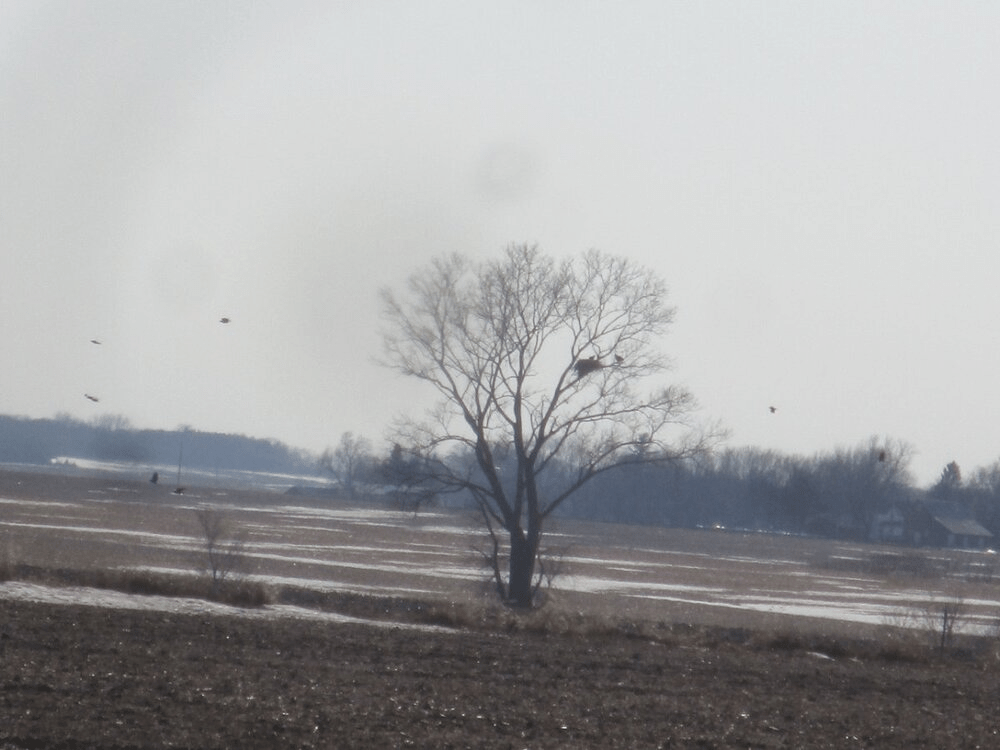
Photo by Reagan Dregge

I shuffle through strewn pages smudged with ink
Beneath my window cleft, entombed in cloud
From gravely gathered fields to buried brink
The ground like ash, the sky a woolen shroud

Beneath my window cleft, entombed in cloud
Bare wind-warped trees like huddled mourners groan
The ground like ash, the sky a woolen shroud
A hoarse and hollow keening rattles bone

Bare wind-warped trees like huddled mourners groan
The pockmarked crust of winter ebbs away
A hoarse and hollow keening rattles bone
Awaiting gentler rain and warmer ray

The pockmarked crust of winter ebbs away
From gravely gathered fields to buried brink
Awaiting gentler rain and warmer ray
I shuffle through strewn pages smudged with ink

Becky Hunsberger

Becky Hunsberger

Born a Colorado mountain girl, Becky now lives near the English coast. As a teacher without a classroom and introverted homebody turned global leader, Becky tries to make sense of the many paradoxes in her life through her poetry and writing. When she’s not writing or traveling for work, she is often found curled up with a good book and hot cup of tea or taking a wander around the English countryside enjoying the natural beauty that abounds there. You can read more from Becky on her blog The Sojourner.

Reagan Dregge

Reagan Dregge and her family

Reagan loves names and words and stories. She once studied creative writing and theatre arts, but today she homeschools, writes handwritten letters, and salvages her own little house on the prairie with a husband, daughter, and multiplying menagerie (one dog, two cats, and a flock of chickens). Her favorite seasons are winter, spring, summer, and fall. Follow her blog, The Grace Book, to read more of her work.

Blue Dreams and Green Stories: Summer Travel in Scotland

I finally got to travel. After yearning for it in the golden fall, dreaming of it in the windy winter, and planning for it in the cool green spring, I finally got out to the Highlands & Islands and a bit of the Lowlands: the Isles of Mull, Staffa, and Iona one weekend, the Isle of Skye, and then Edinburgh.

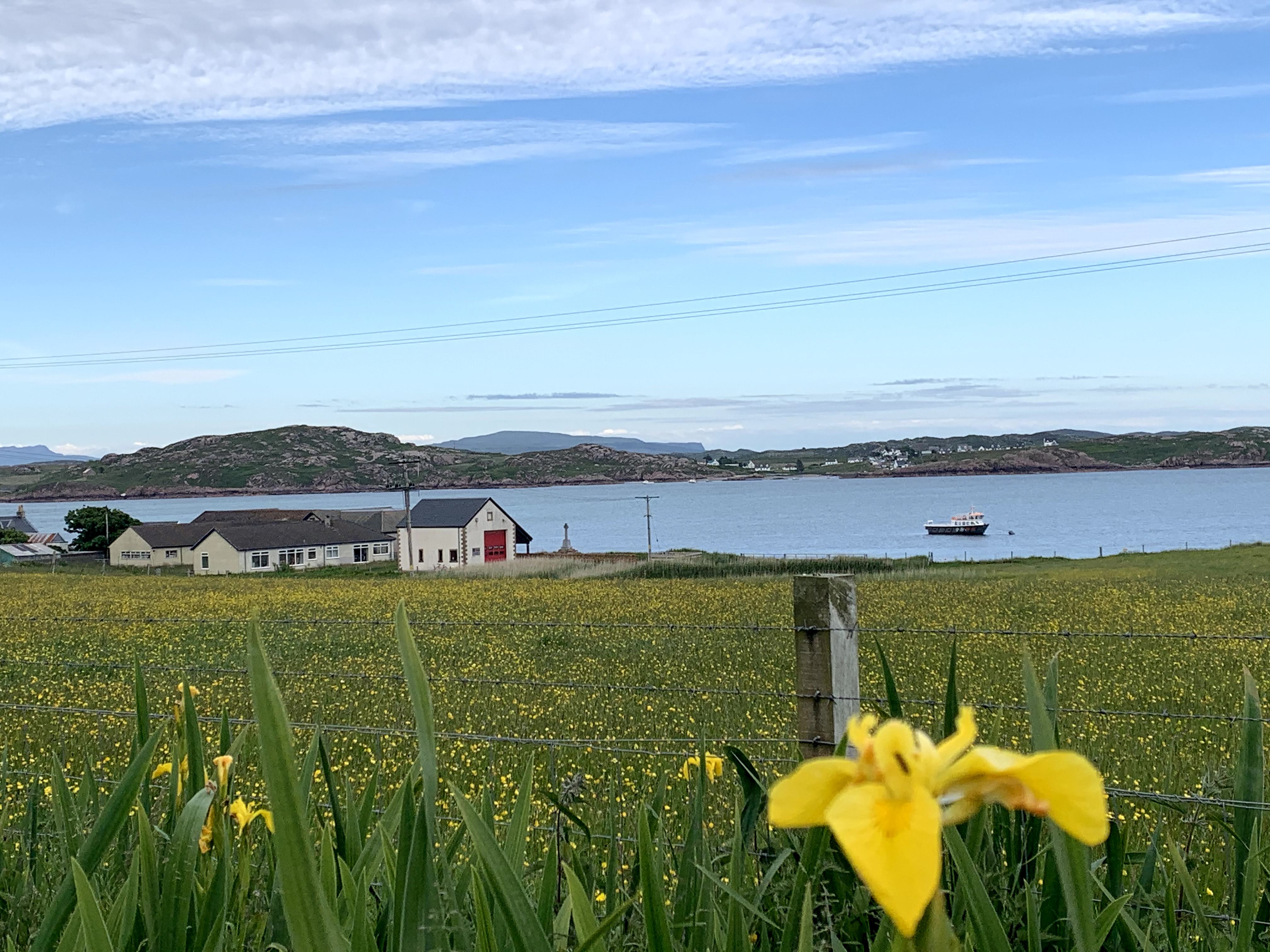
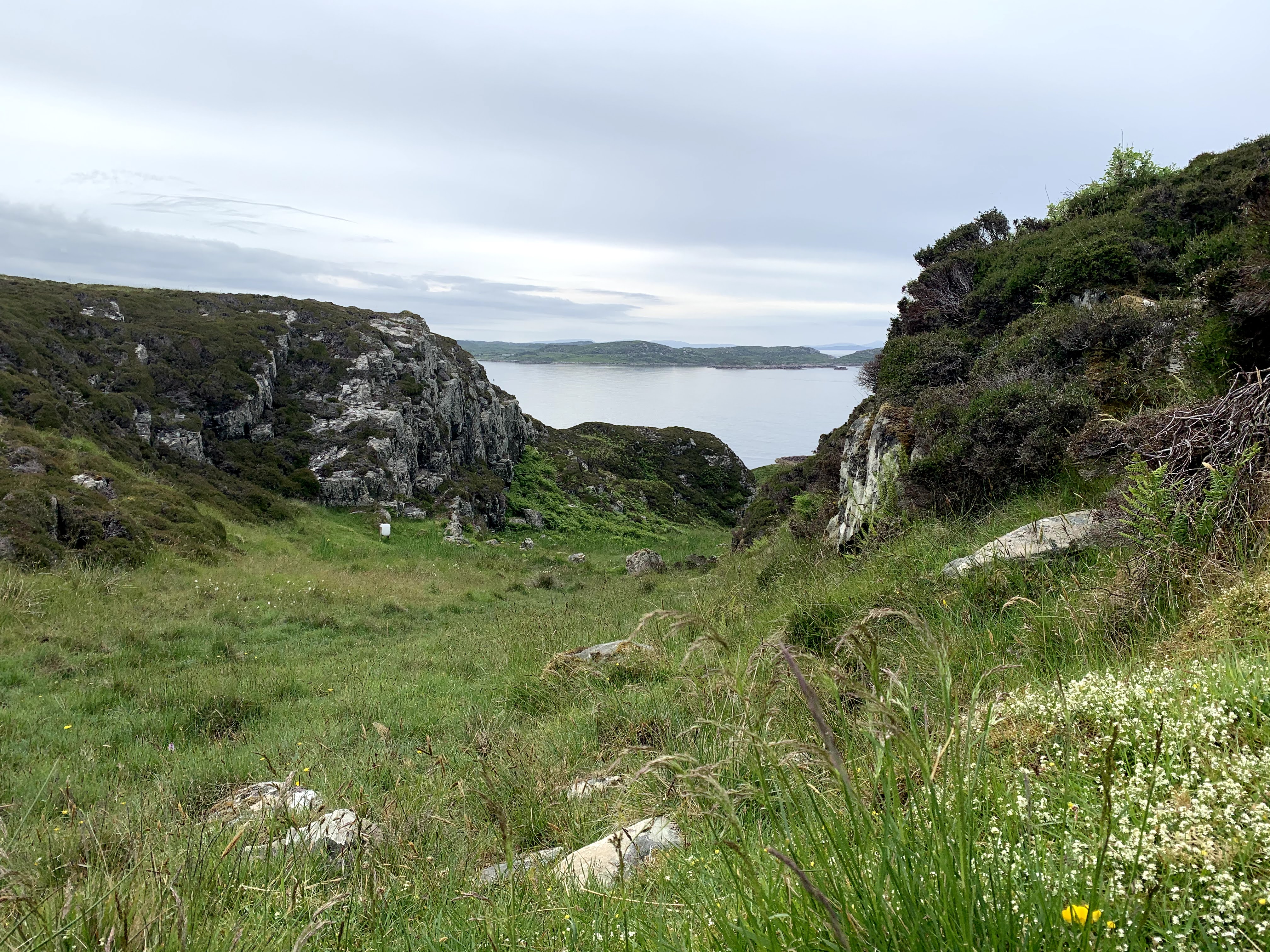
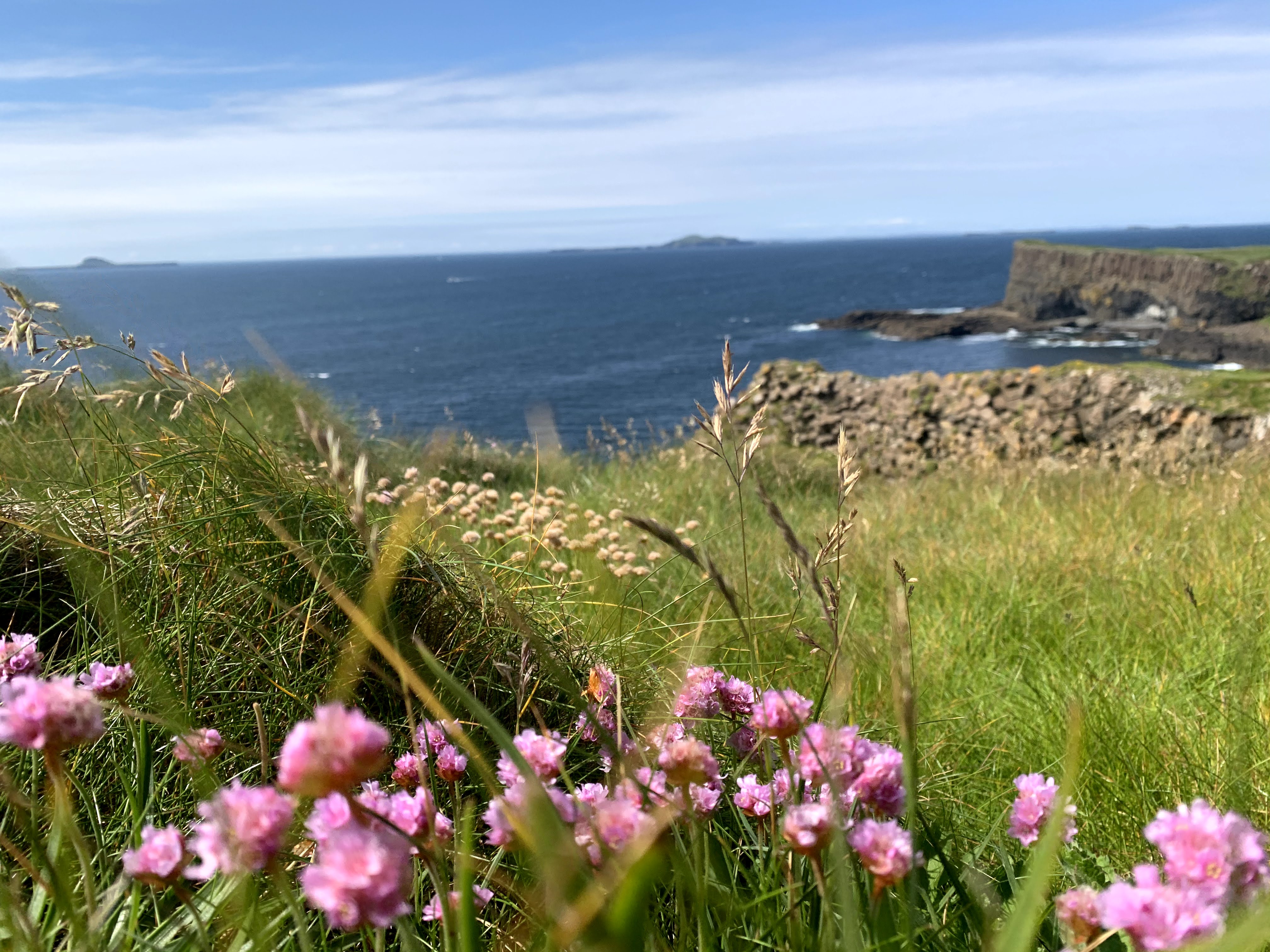
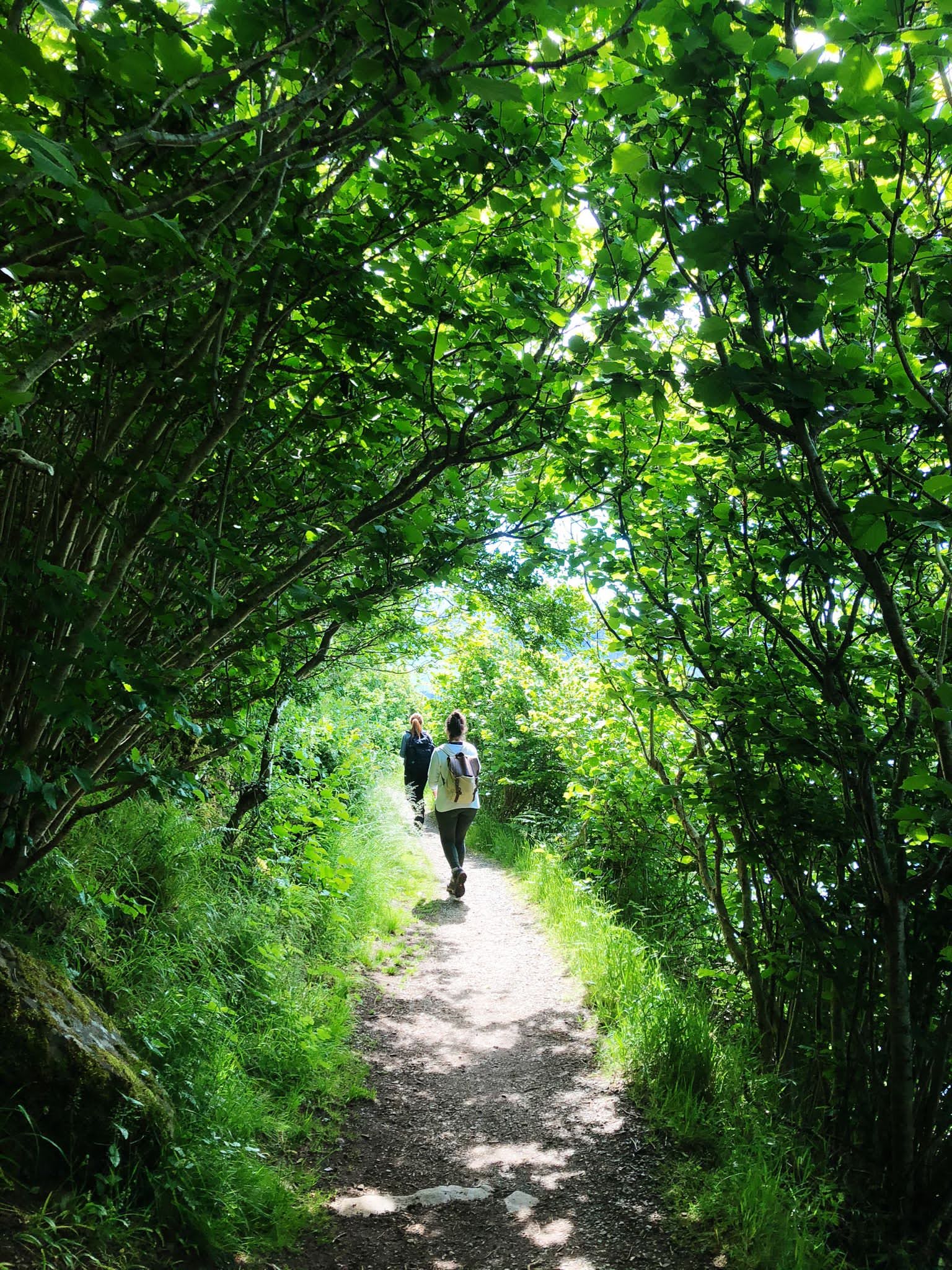
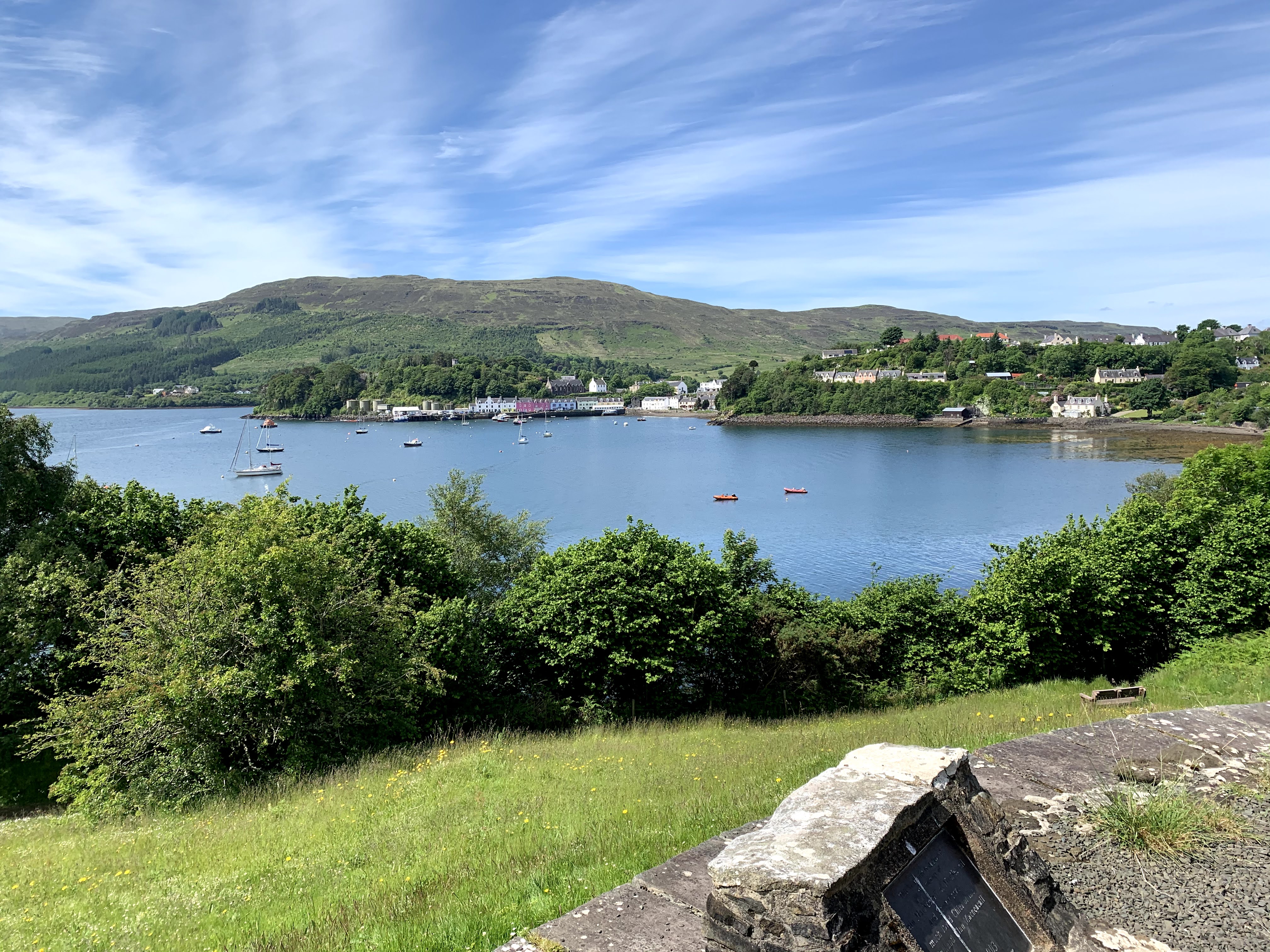
It’s been glorious, exhausting, enlightening, stressful, blissful. Hikes across emerald slopes sprinkled with tiny daisies, buttercups, purple heather, and fluffy cotton-grass; cozy evenings in wood-paneled pubs with tartan carpeting and paintings of antlered deer; ferry rides past rugged peaks and lonely islands; views of faraway blue hills and glimmering lochs; laughter and long talks on train and bus rides. 

Each place gave me memories, dreams, and fragments of stories.

Iona

Sacred Haven

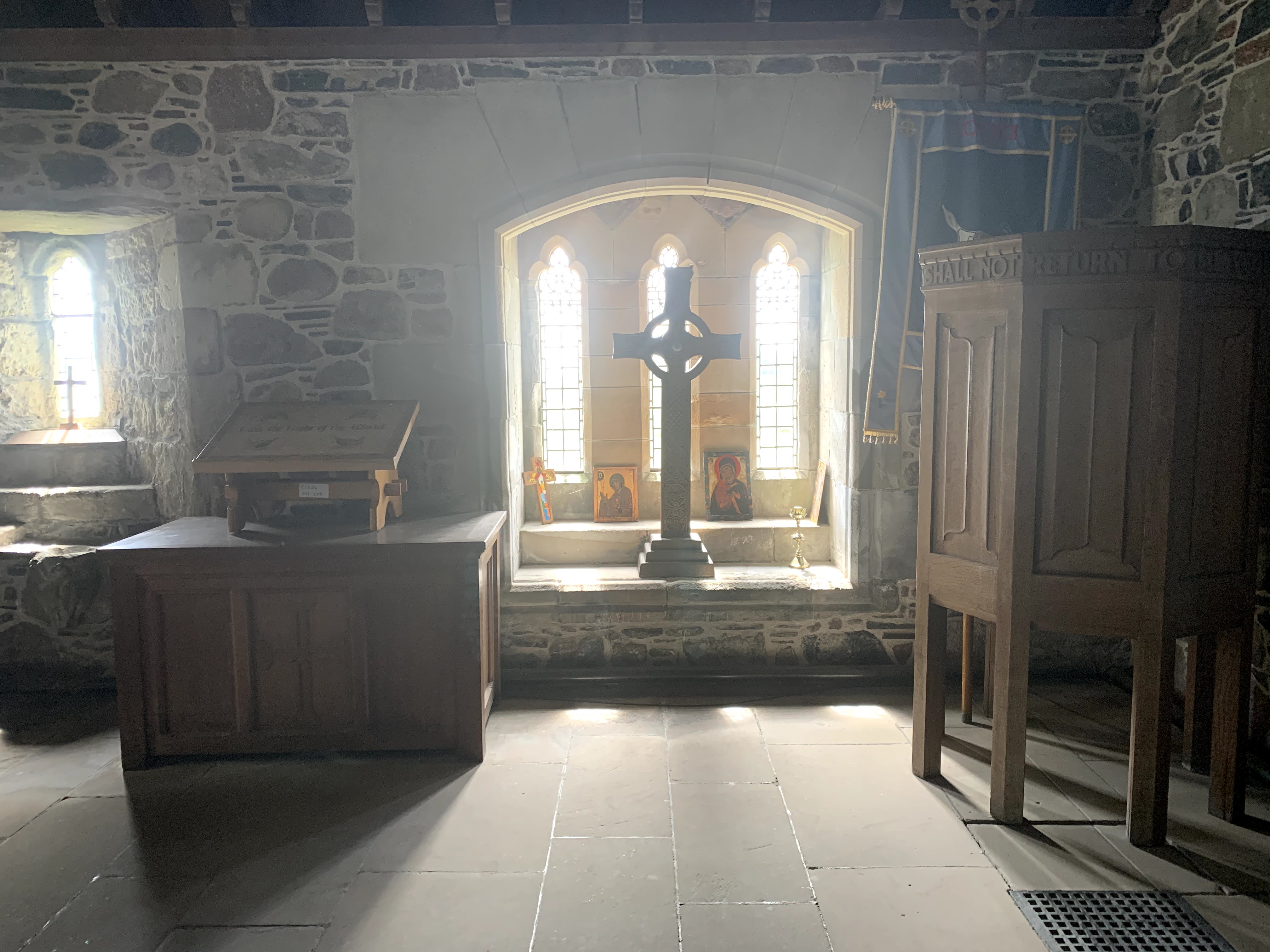
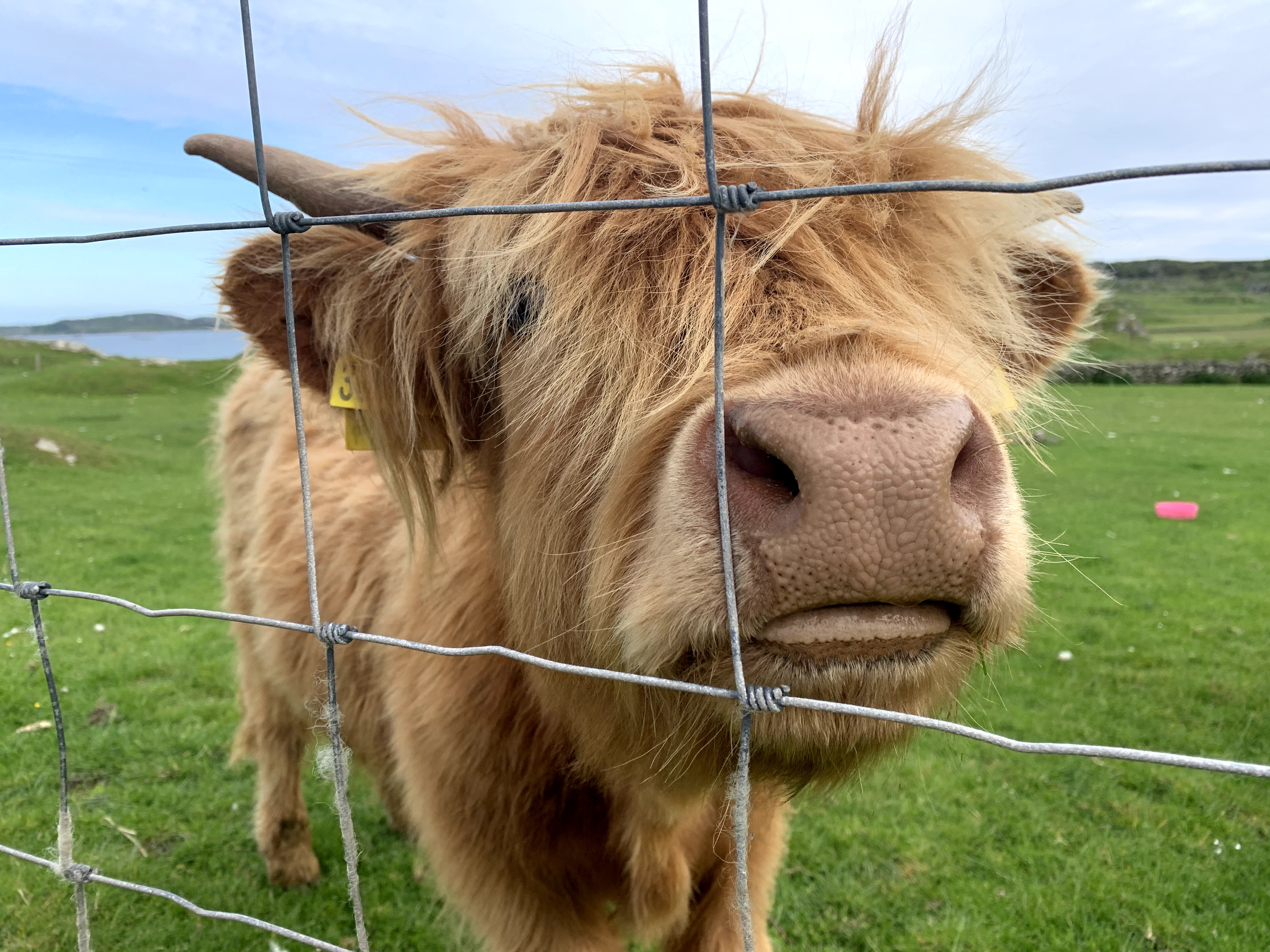
Iona is a tiny island, 3 square miles, with only 150 permanent residents and herds of grazing sheep and Highland cows (“coos”). It is also the place where St. Columba landed from Ireland in the 500s (1500 years ago!) and started an abbey. A replica/rebuild of the abbey is there today, full of the remnants of Celtic crosses, new sandstone pillars covered in intricate carvings, and ancient gravestones. 

One of my favorite insights was seeing the snake-and-boss design. Despite the Edenic tradition of snakes as creatures of evil, apparently the medieval Christians saw the casting and regrowing of skin as a symbol of death and resurrection. I have heard whispers of the richness of Celtic Christinaity, of thin places and rhythms of life and mysteries incarnate in the natural world (such as clovers representing the Trinity) but I want to study more. The whole island felt quiet and sacred – a place to come and heal, walk the pasturelands and talk to God, and feel connected with the great cloud of witnesses that is the universal Church.

Story fragments
  • A sacred place of healing
  • An island at the end of the world
  • An abbey with a buried treasure

Staffa

Lonely Marvels

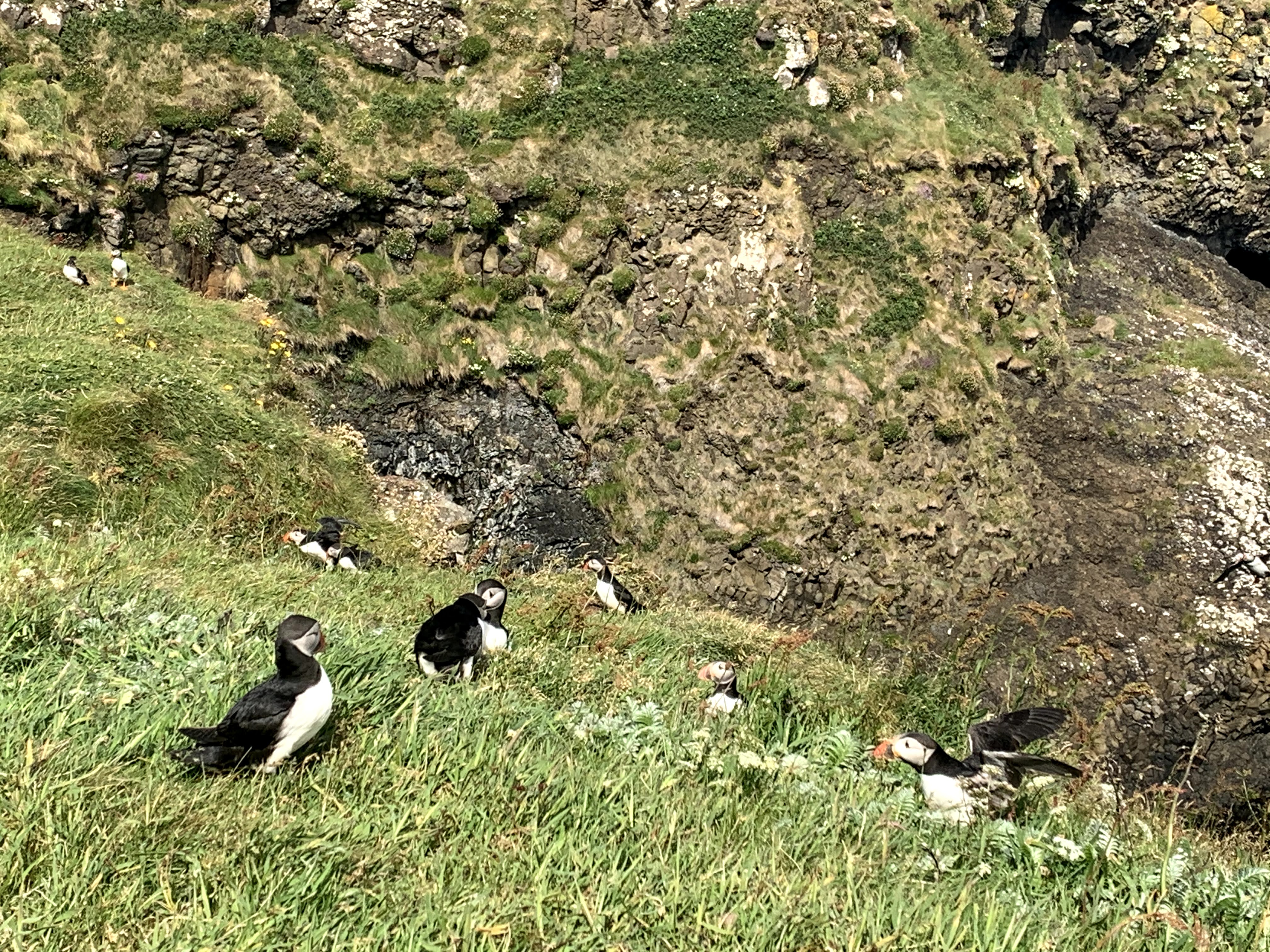
Staffa is even tinier than Iona, shaped by some geological process I still don’t fully understand to have natural hexagonal pillars. It looks giant-carved. We rode out by ferry for an hour, chilled by the sea-wind and enchanted with a fluffy white dog who loved us dearly, and then had an hour to explore it. We sprinted down to the wonder of Fingal’s Cave, aquamarine water in a deep black vault, and then back across the steep cliffs to see the PUFFINS. They were just as clownish and cute as we hoped, though tinier. They didn’t care anything about us, but launched off into the sky as a dark seabird flew overhead.

Story fragments
  • People resettling uninhabited isles and encountering magical creatures
  • An echoing cave that is really a shadow kingdom
  • A tour boat crew that has a special understanding with the mermaids in the area

Skye

Blue Kingdom

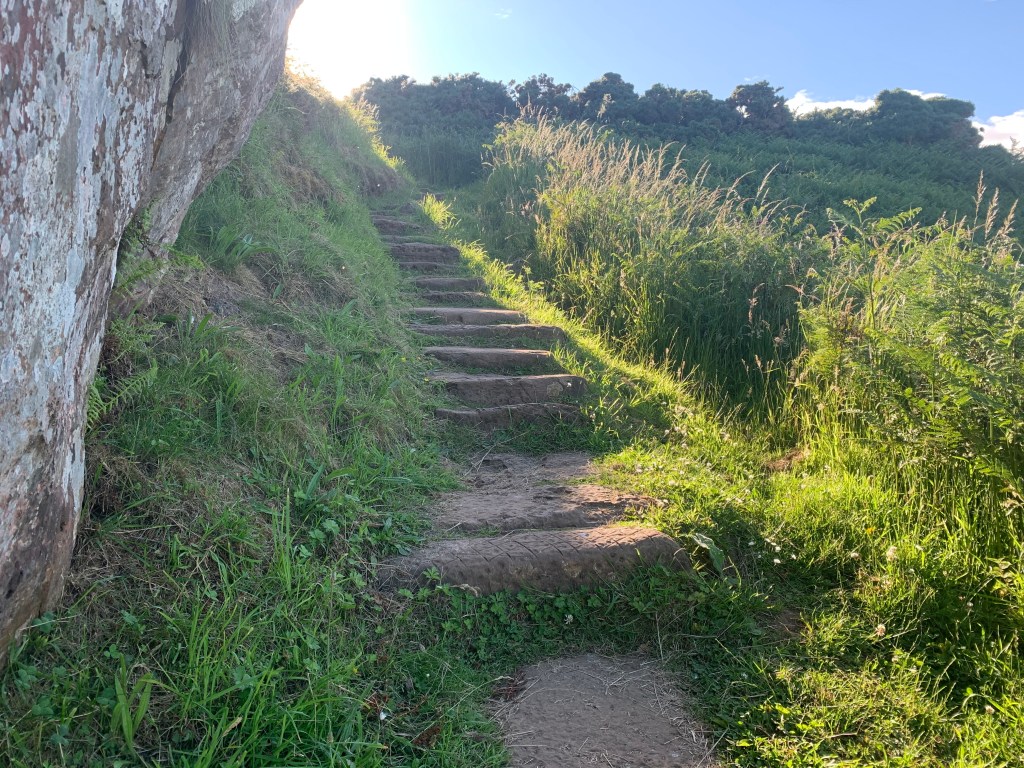
Skye is more rugged than Iona, Mull, or Staffa. It’s also many shades of green and blue, with steep cliffs, purple heather, gray rock, and the same sprinkling of wildflowers. Slender waterfalls wend their way down the hills, among the evergreens. A Scottish shepherd recommended a gorgeous hike across the cliffs that gave us exquisite views: distant azure mountains, white sailboats on the sea, and window panes glittering in the town. We couldn’t capture it in photos, though we tried very, very hard. The shepherd also told us about the Nicholson clan of Portree (Port Righ in the Gaelic) who went broke in the 1800s and emigrated to Tasmania and the Carolinas. 

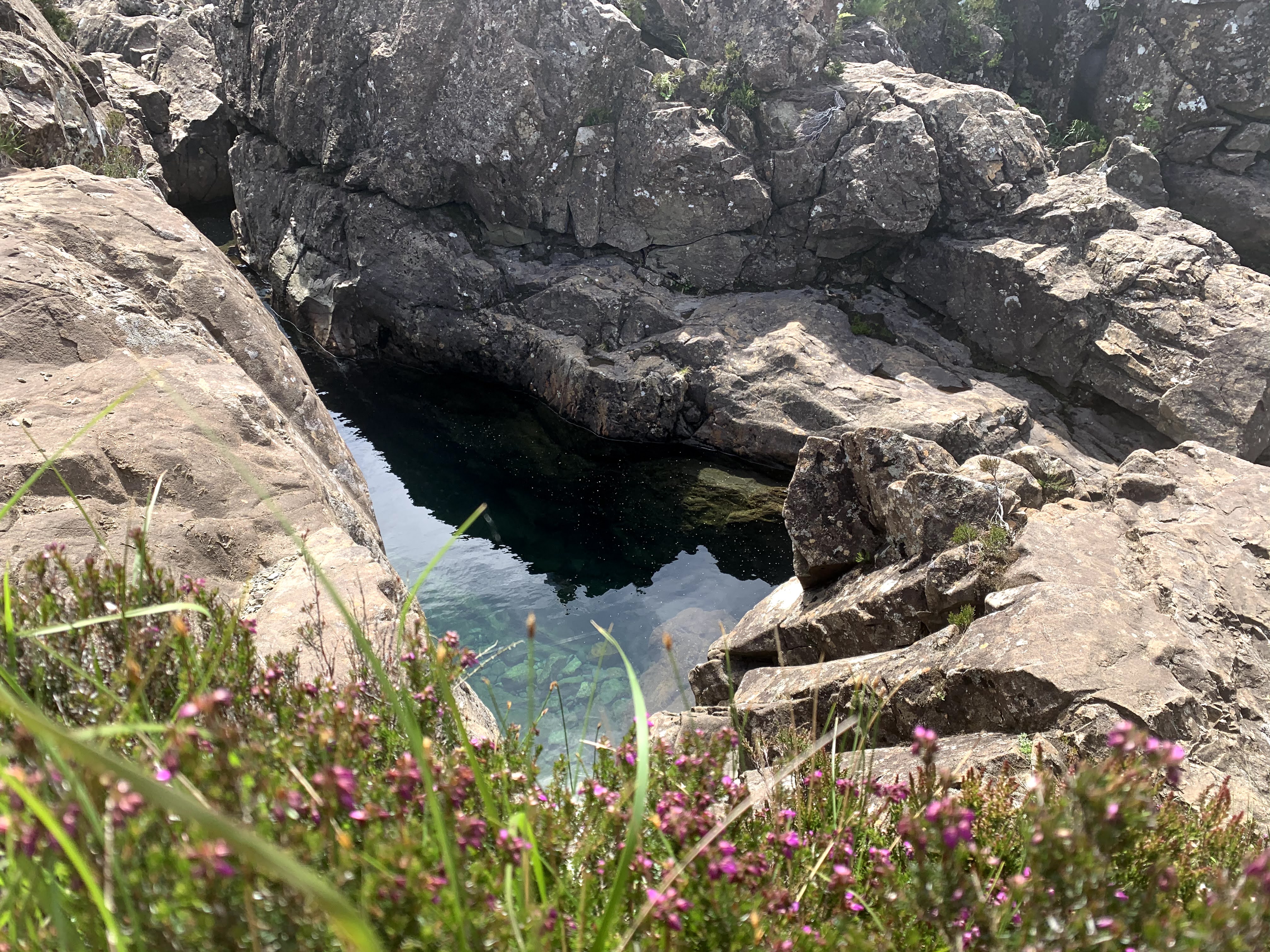
We spent Sunday afternoon with Skye’s Magical Tours: an ex-fisherman named Brian took us to the glimmering Fairy Pools and around the island. Skye was magnificent, so old and huge that I felt small and lonely. We filled it with laughter, with dinner of shepherd’s pie and philosophical discussion, mornings of berry-and-Nutella crepes and foamy cappuccinos. 

Story fragments
  • Cloud-creatures in a mountain country
  • Fairy folk who are defined by the color blue (as opposed to green, the traditional elvish color in Scottish lore)
  • Visitors arriving at a shepherd’s cottage
  • Selkies at twilight

Edinburgh

City of Stone

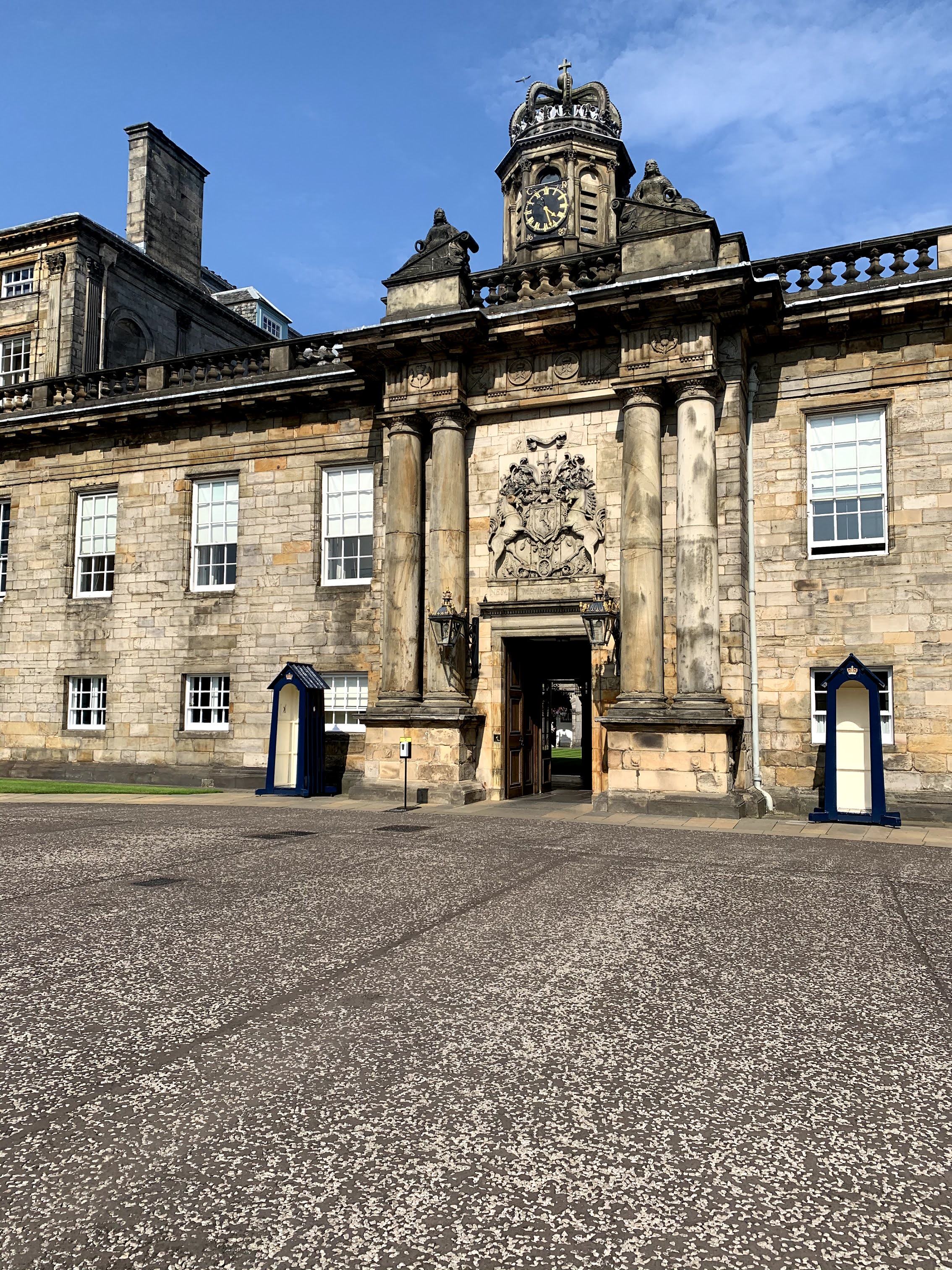
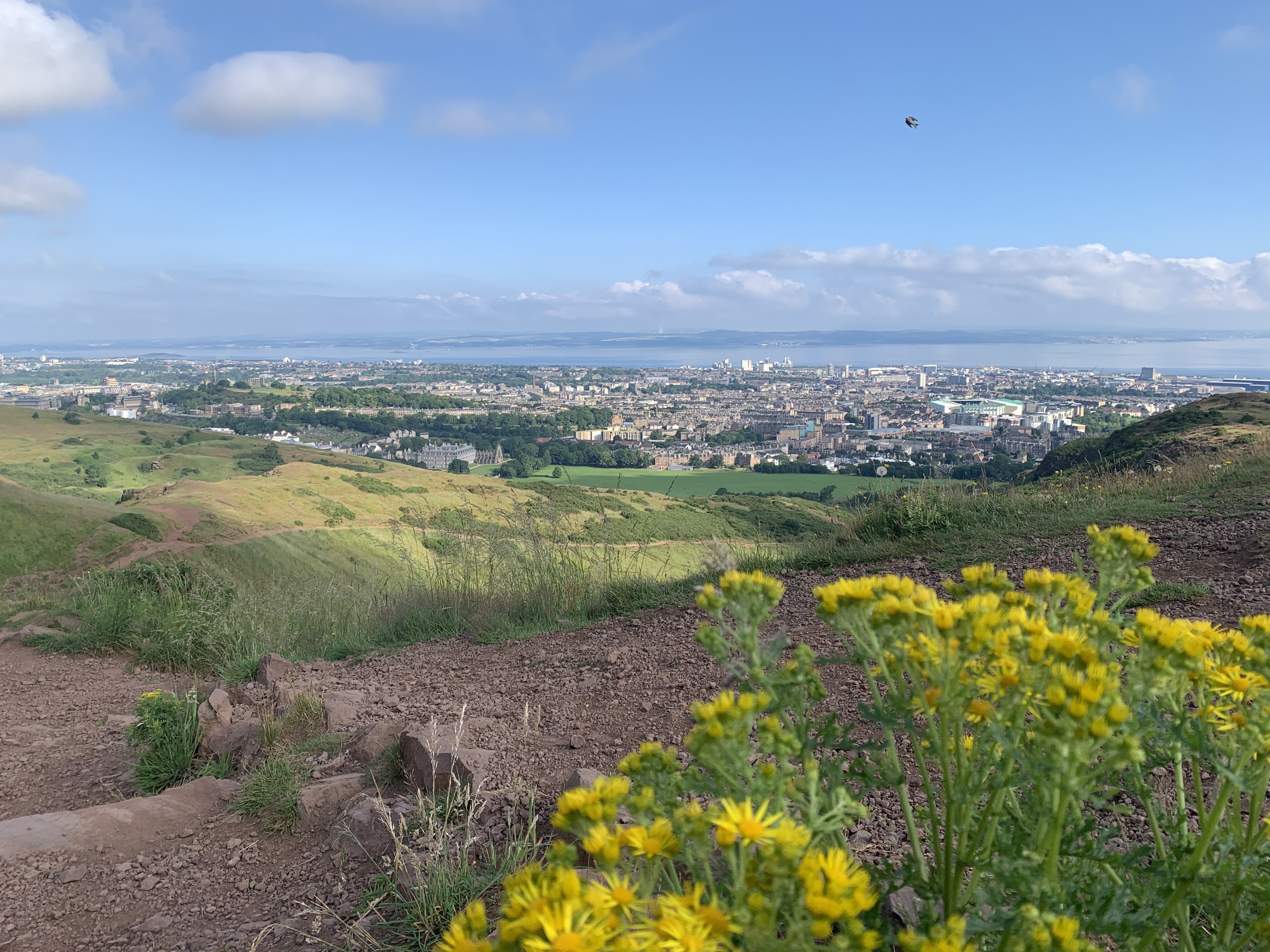
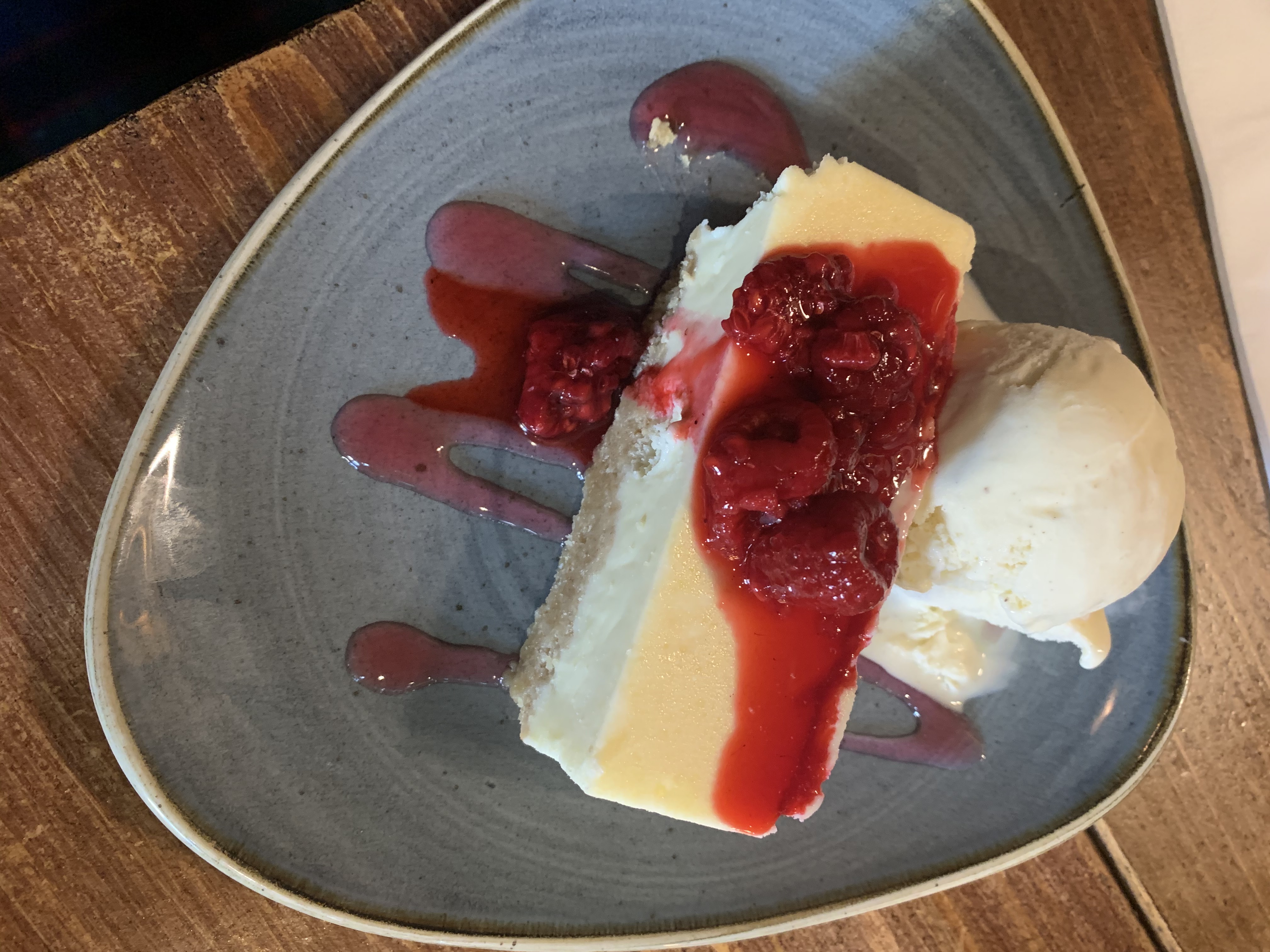
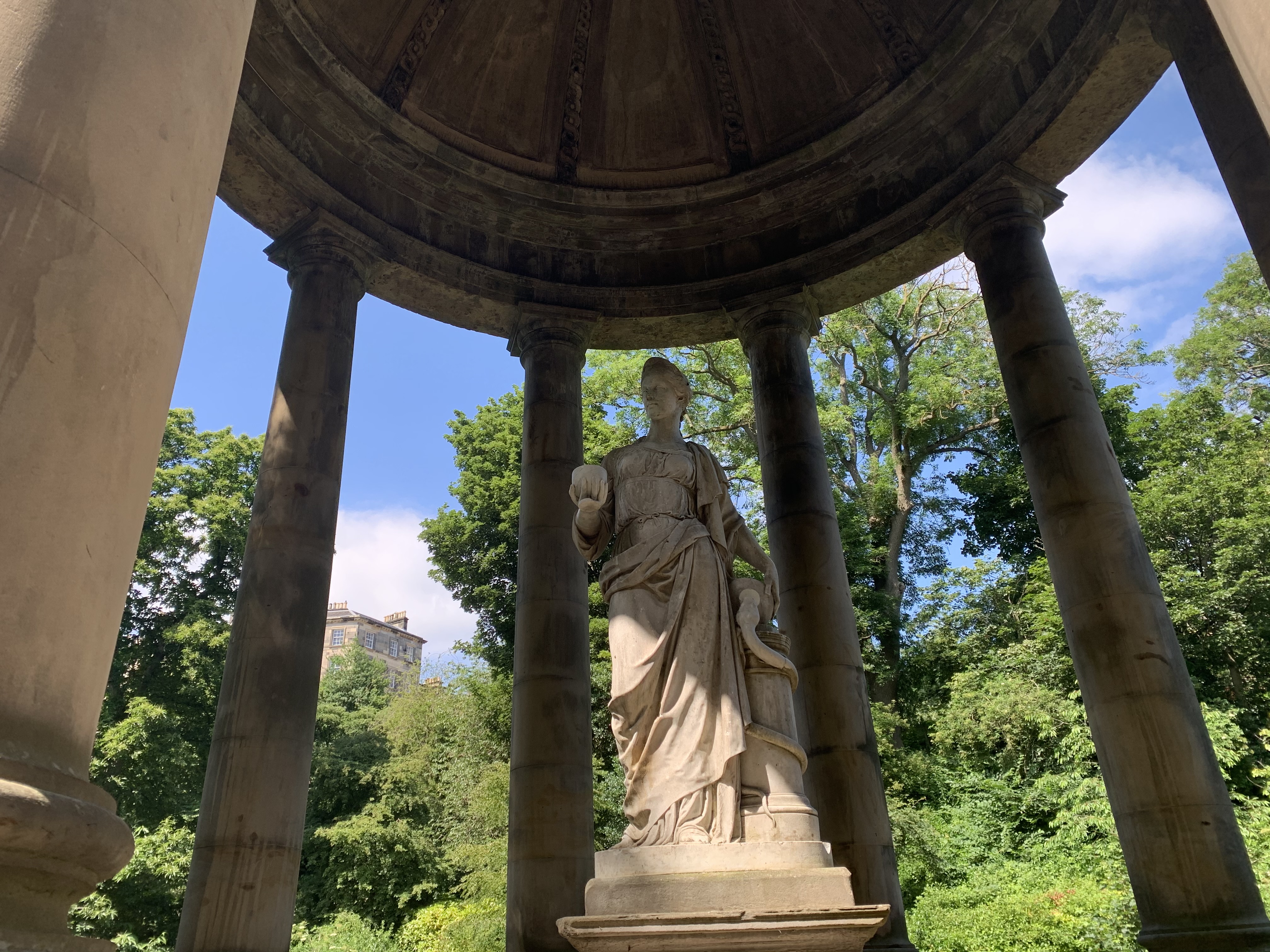
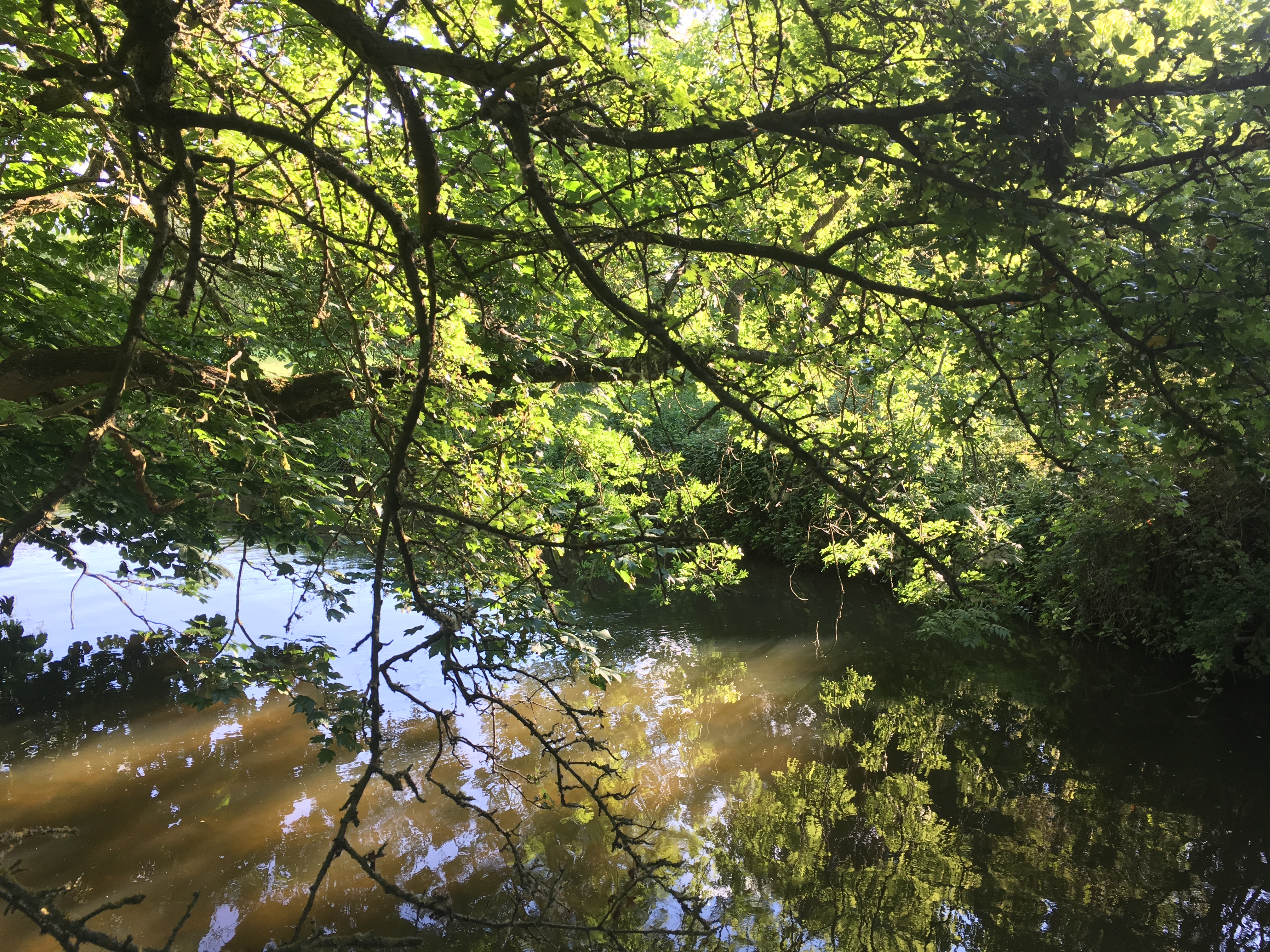
After several trips in the wild, it felt strange to be in a busy city: buses and trams on Princes Street, women in flowery dresses, shops with tartan scarves and Celtic jewelry, gardens of pink roses and fragrant honeysuckle, Gothic architecture, and modern tinted windows. We feasted on the best of Edinburgh: touring the gilded halls of Holyrood Palace, cullen skink and clotted cream raspberry cheesecake at a cozy pub, dizzying views from Arthur’s Seat, dappled sunlight on the river by St. Bernard’s Well, and golden hour in Greyfriars Kirkyard.

Story fragments
  • A tiled fireplace with a secret message (I fell in love with Holyrood Palace’s tiled fireplaces)
  • Swans and a ruined abbey
  • Queen Ann’s lace on a dormant volcano
  • A locked well with healing powers
  • A brownie who lives at an Air BnB

Meditation: Commercialization vs. Reenchantment

In Edinburgh, thoughts planted on Mull, Iona, Staffa, and Skye finally took root and began to sprout: I realized how dramatic the tourism industry is in Scotland, and probably in other places. I mean “dramatic” in the sense of performative or theatrical: the little shops in Iona, Portree, Old Town, and other places shout all the most distinctive and unique aspects of Scottish culture and history to attract attention. The symbols of Scotland’s Scottishness – tartan, bagpipes, highland cows, the Loch Ness monster, Celtic runes and symbolism, ancient ruins, haggis, thistles, unicorns, and teapots – are the most prominently displayed where strangers and foreigners like me can purchase them and carry them home, like chipping stones from a crumbling castle. Scottish people cannot love tartan that much; it’s outsiders who want the flavor and breath and music of Scotland, because we want to come and experience something fresh and different and fully its own, individual self, somewhere unlike our home place. Most Scottish people shop at the T.K. Maxx or luxury mall we visited, which are almost identical to retail in America.

That made me sad. I know the Western world has many similarities – celebrities are popular in multiple countries, and so on – but I would hate to have all the beautiful distinctiveness of Scottish lore and heritage as a thing of the past. I have only been a Master’s student in an international university town for a year here, so I don’t feel that I really know the Scottish people and culture. But the sheer clamour of a few shops in New Town in Edinburgh made me uneasy, as if only the tourist industry wants to preserve full and distinctive Scottishness – and then, only to sell it.

But I have tasted Scottish culture in literature. I’ve been a dragonfly skimming the depths of it: Scottish fairy tales like “The Well at the World’s End” and “The Black Bull of Norroway,” ballads like “Tam Lin” and “Thomas the Rhymer,” the mesmerizing fantasies of George MacDonald, the Jane Austen-ish societal explorations of Margaret Oliphaunt, the exquisite prose of George Mackay Brown, the haunting tales of James Hogg, and the simple profundity of Alexander McCall Smith. My side-project next year will be to delve more deeply into these and more. 

These writers imbibed Scottish tradition and added to it, weaving the desires, dreams, fears, and tensions of their own time into the loom of myth and legend. As I writer, I want to follow in their footsteps and tell stories that help reenchant places like this. I want to reawaken the wonder of selkies on the beach in the moonlight and fairy folk dancing under the green hills, as well as capturing the mystery and dangers of our own time: the whispered rumors and masked faces of COVID, the political tensions that are re-tribalizing countries and regions, the seductive illusions of social media, and the now-too-familiar marvels of the Internet and smartphones. 

St. Andrews 

Gray Havens

After so many buses, trains, and ferries, it is good to be in St. Andrews again. I’m astonished to find that after magnificent peaks and staggering views on Skye and Arthur’s Seat, the soft, golden-green beauty of fields and woods heals me instead of overwhelming me. 

This place is not home. It’s only mine for the rest of the summer. But I will love every day I have left.

The Magic of Late Winter, Part III: Guest Post by Reagan Dregge and Kristen Kopp

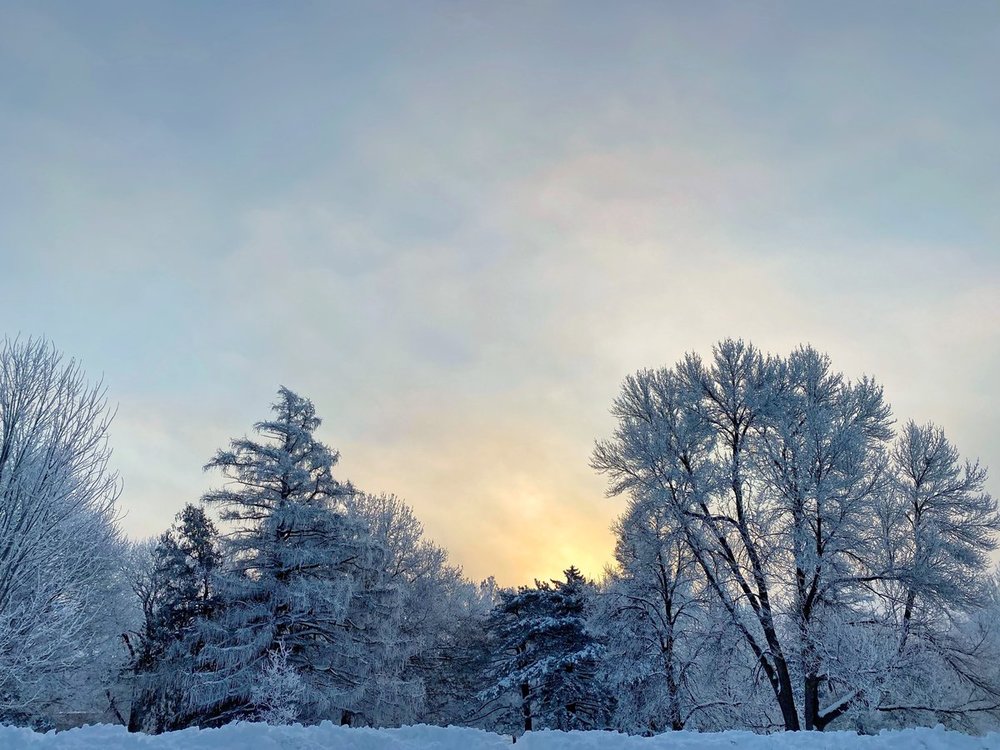
Sunset over snow-covered trees
Photo by Kristen Kopp

This blog series on the magic of late winter has been a cross-country exploration of regional beauty – Kimberly Margaret Miller gave me a glimpse of winter sunlight in the deep South, and Loren Warnemuende showed me the snow and flowering dogwoods of southeast Michigan. This week’s post is written by Reagan Dregge, with pictures by Kristen Kopp. These writers are from Minnesota, the prairie, where Laura Ingalls Wilder spent a year On the Banks of Plum Creek and temperatures can drop to -30 degrees Fahrenheit in winter (wind chill can drop to -68 degrees).

Reagan Dregge‘s breathtaking imagery reminds me that we live in a world of wonders, a place just as wild and magical as Faerie. Kristen Kopp‘s images remind me to open my eyes to the beauty of the ordinary, the precious gift of snow and sunlight, leaf and sky. Enjoy!

Winter Magic

by Reagan Dregge
pictures by Kristen Kopp

You were made and set here to give voice to this, your own astonishment.
Annie Dillard

By late winter the air is scorched ice. The snowscape is sucked dry, colorless. Lungs burn. Skin stings. The ground is a slick slab of sheer adamant. Frost laces windowpanes like fractures into faerie. The frozen world is transparent. I can see through every stilled molecule, through trees that crack the sky, through the thin atmosphere all the way to the Milky Way wrapped like a scarf around our galaxy. The frigid stars blaze bright and sharp. I imagine standing on the surface of the moon. The constellations spin above in dazzling clarity.

Have you beheld a sundog-flanked dawn? The sun, shattered into shards? Three fire pillars pierce the cobalt firmament, diamond guardians of earth’s rim, or an archangel with two swords barring reentry into paradise? On winter evenings, neons melt on the horizon. Charged particles scatter solar flame. Unnamed, unnumbered hues are born in the bent beams, next to which rainbows are a faded polaroid.

Bitter winds writhe and moan across the plains. Windows rattle, porch bells ring. The shrill surgeon slashes and severs, casting withered sticks and shriveled limbs across the brittle bier beneath attending silver maples. Huddled hedges offer brief respite from the biting chill. Fog’s froth condenses and crystallizes, coating every stem, twig, and chain link with rime ice armor. Glass-sheathed grass sheaves gather at the edge of ditches. Lake waves freeze into a gleaming fleet of fairy sails. The cold cuts words short, and they drop to the ground like bubbles blown in subzero temps or evaporate instantaneously like a pot of boiling water thrown into the air. Weather fluctuations can be detected in the length of icicles dangling from every lip and gable, dripping into their own trenches or dropping like grenades in the night.

Spread out under an open sky the snow sparkles like champagne, and in the crisp gold light a toast is raised. Blizzards blow across the plains, covering forest and field with mountainous shifting drifts. The polar vortex unfurls its coffers and foams forth layer after layer over the bounding breadth. Clusters of vapor flurry and fall, spun and splintered and studded. No two alike, each flake a delicate intricacy. They melt the moment they touch tongue or alight eyelash, existing brief as a breath, fleeting as a flower. From wet heft to pellet sleet, snow’s forms are as bottomless as Mary Poppins’ carpet bag. The sounds of my walk down our quarter-mile driveway change with every day: creak, crunch, slurp, slush, swish, sweep, whisper-soft absorption.

Deep within the frozen earth, amphibians sleep in soundless stasis. Bird and butterfly have long since flown south, but woodpeckers and white-tailed deer remain, subsisting on bark and acorns. Rabbits and mice trace patterns in the morning dusting. I once saw a hawk’s wingprint stamped in a snowbank. Wisdom and miracle abound in this stark and solitary season.

To those who find winter blank and monotonous: you must write your psalm and I must write mine. There is glory hidden in the gray—look for it when the cold burns and the light dims. Look, and you will find winter crowning the year, robed in alabaster, strewn with rubies, fragrant as juniper, fresh as citrus, warm as cinnamon.

Reagan Dregge and her family

Reagan Dregge
Reagan loves names and words and stories. She once studied creative writing and theatre arts, but today she homeschools, writes handwritten letters, and salvages her own little house on the prairie with a husband, daughter, and multiplying menagerie (one cat, two dogs, a dwarf netherland rabbit, and a small flock of chickens). Her favorite seasons are winter, spring, summer, and fall. Follow her blog, The Grace Book, to read more of her work.

Kristen Kopp

Kristen Kopp
Kristen lives in a cottage on the prairies of Southern Minnesota. She works in her local Community Development Department by day and spends the rest of her time wandering in the woods, writing letters, and gathering with friends and family to share meals and play board games. Follow her on Instagram at @kristenannakopp.

Musings from the UK: Oxford

On June 2nd, I flew back from a week in the UK – exhausted, content, pondering, and with a renewed sense of yearning. May was an intense month of travel (Colorado Springs, Denver, Pennsylvania, and then the UK) and I was more than ready to come home.

But it was beautiful. The rich history and traditions of Oxford, the mysterious beauty of the Lake District, the medieval look and modern busyness of Edinburgh, and the green peace of Durham gave me images and insights enough to ponder for a long time. I still need to sift through my hundreds of pictures and thoughts, but at first glance, here are a few things I discovered.

Oxford

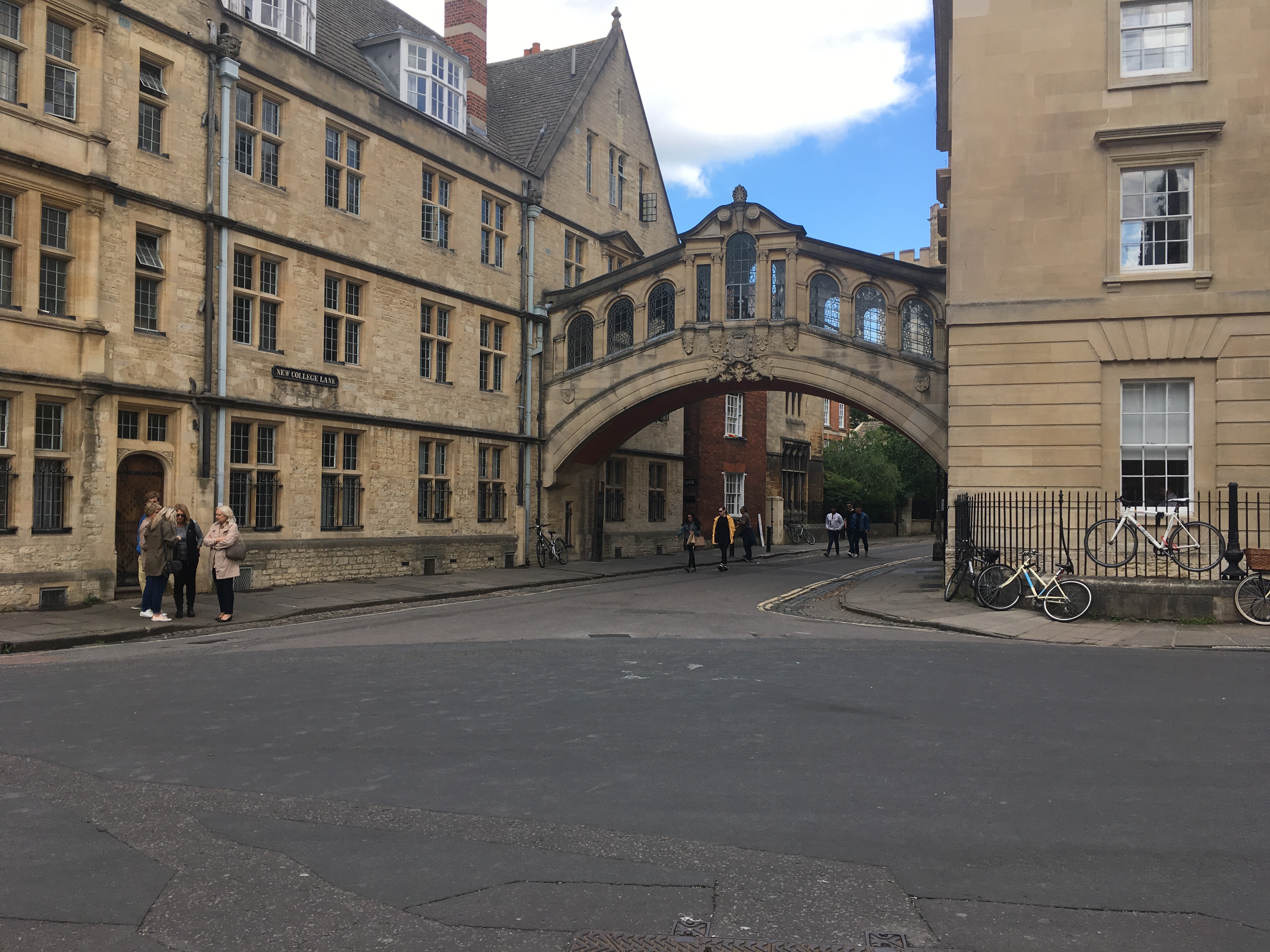
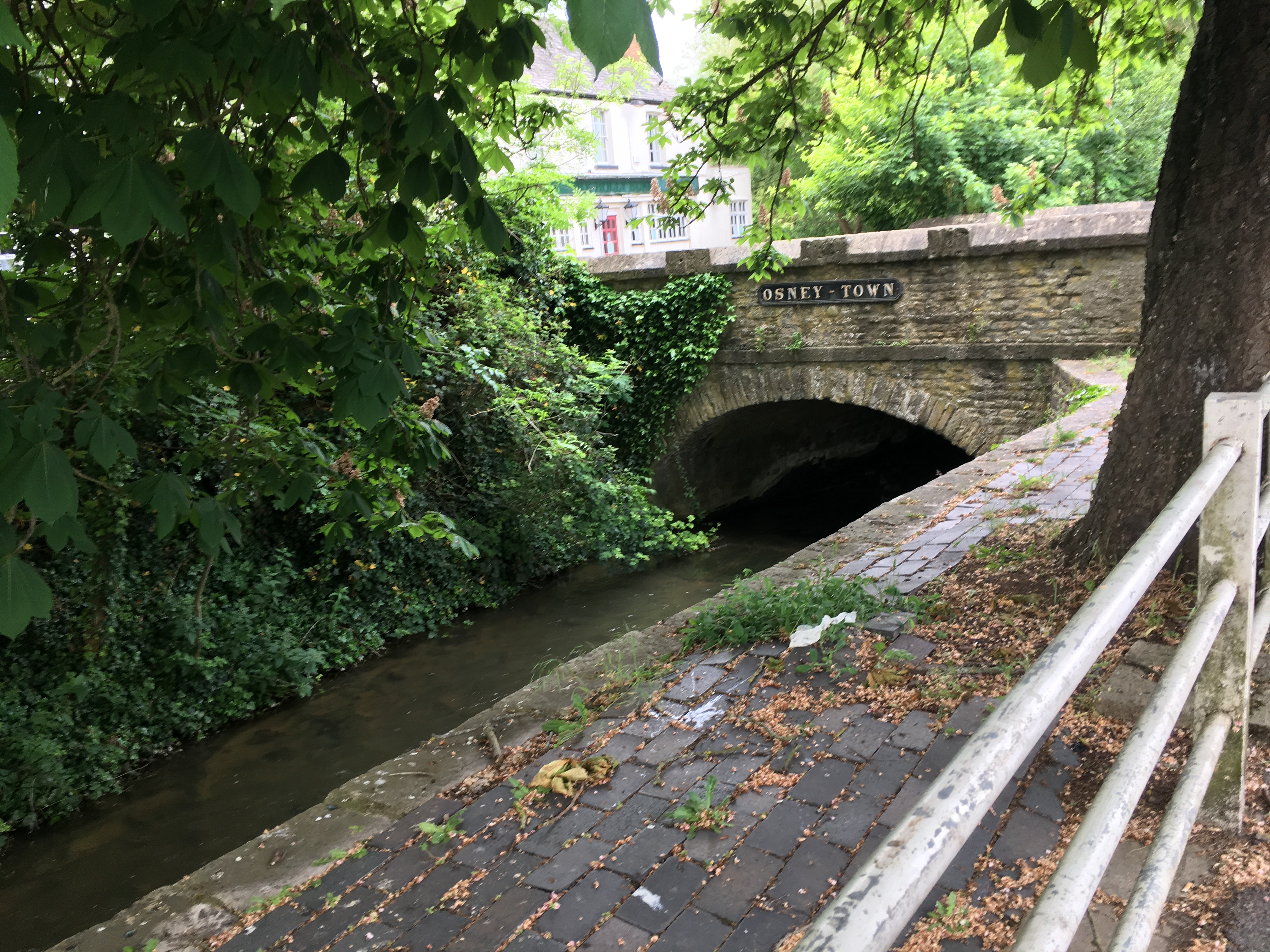
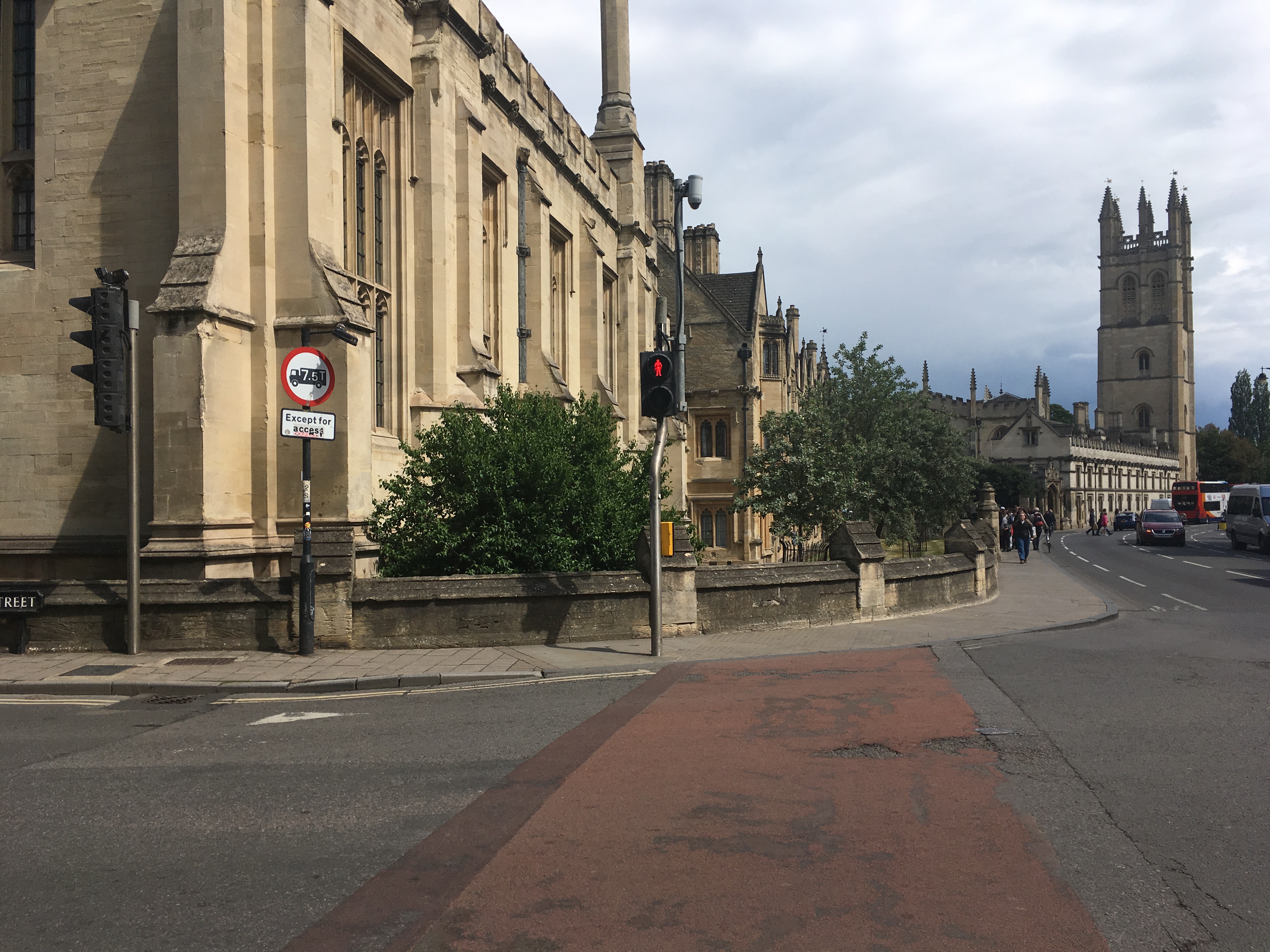
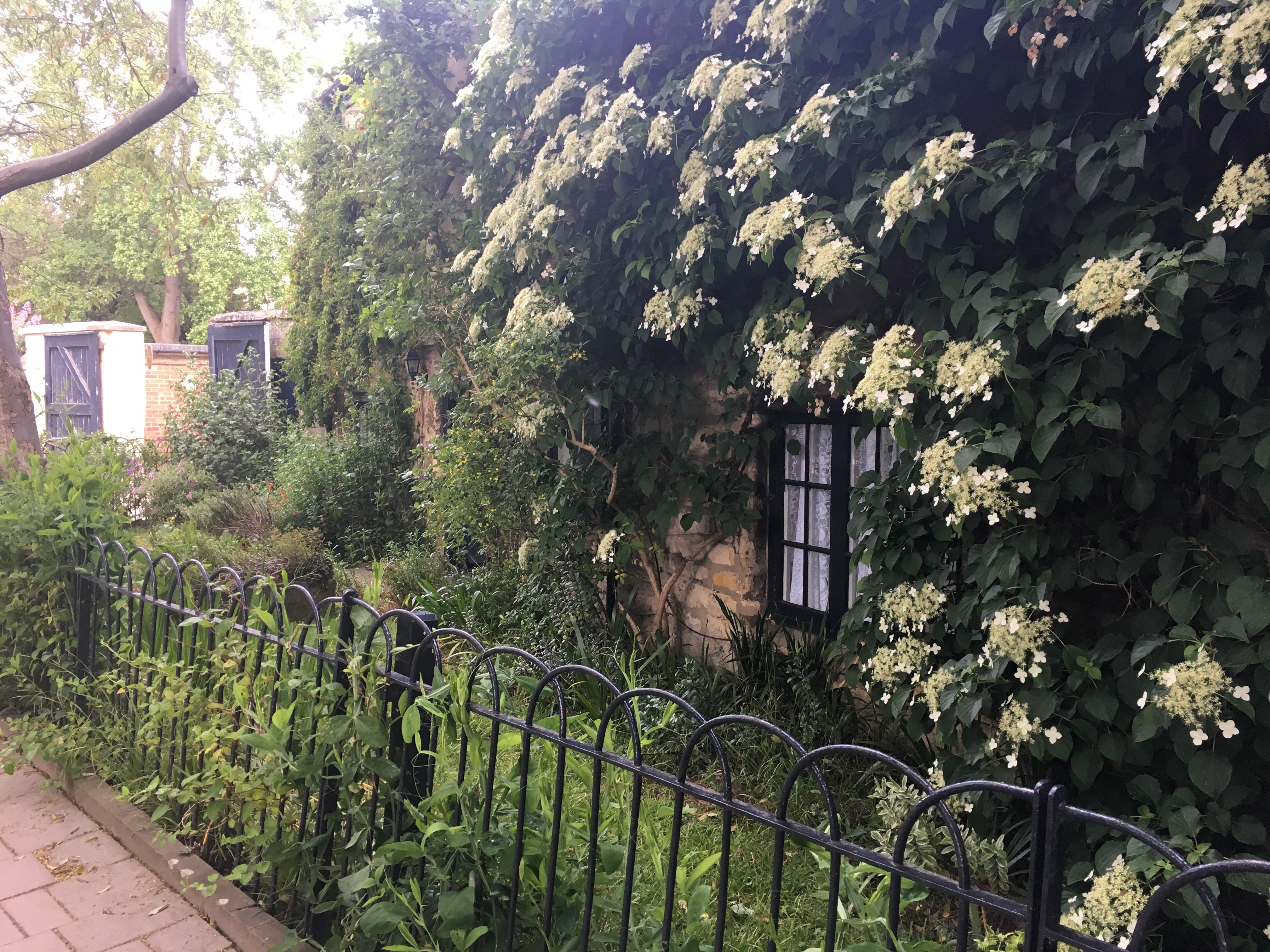
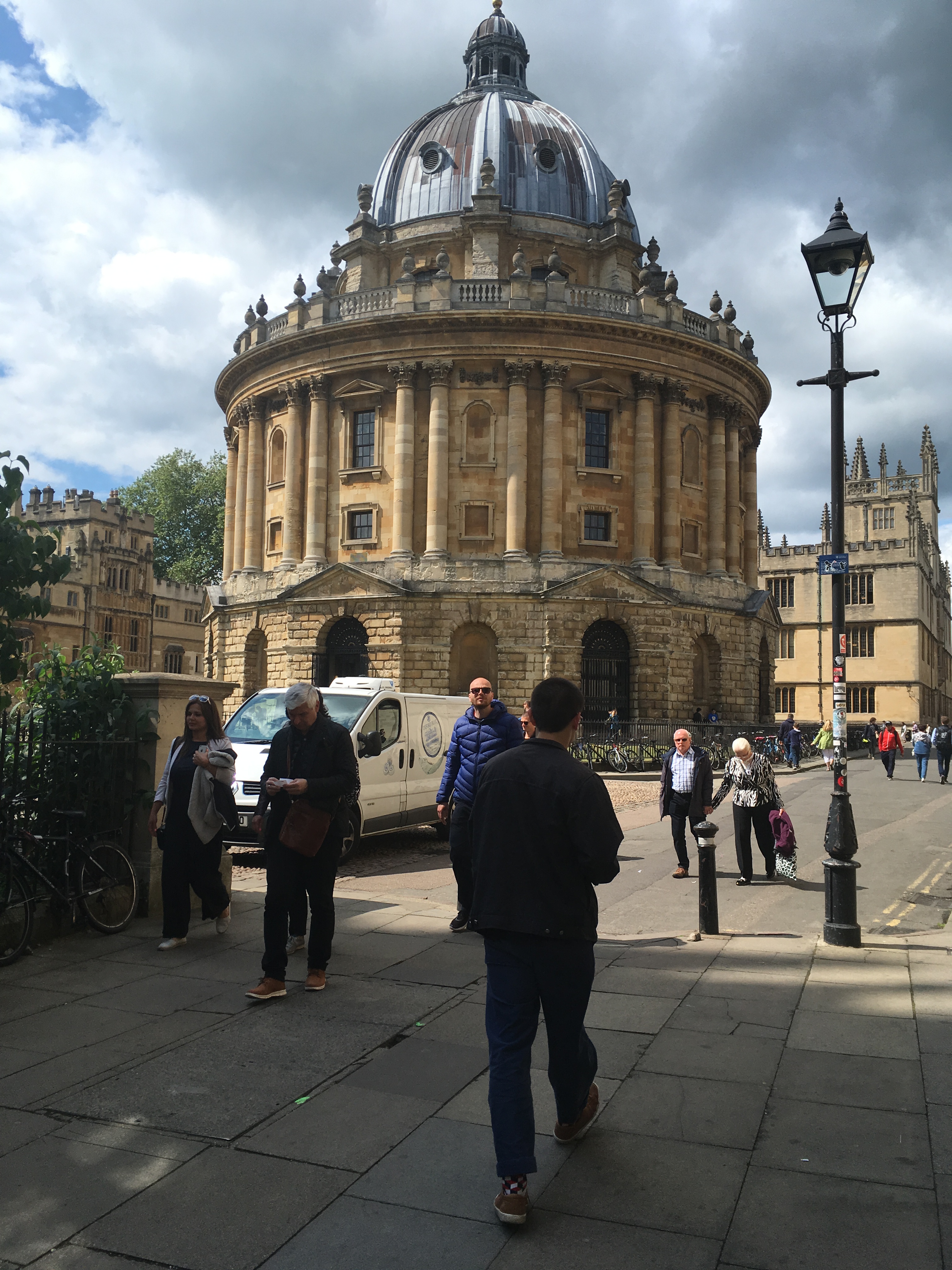
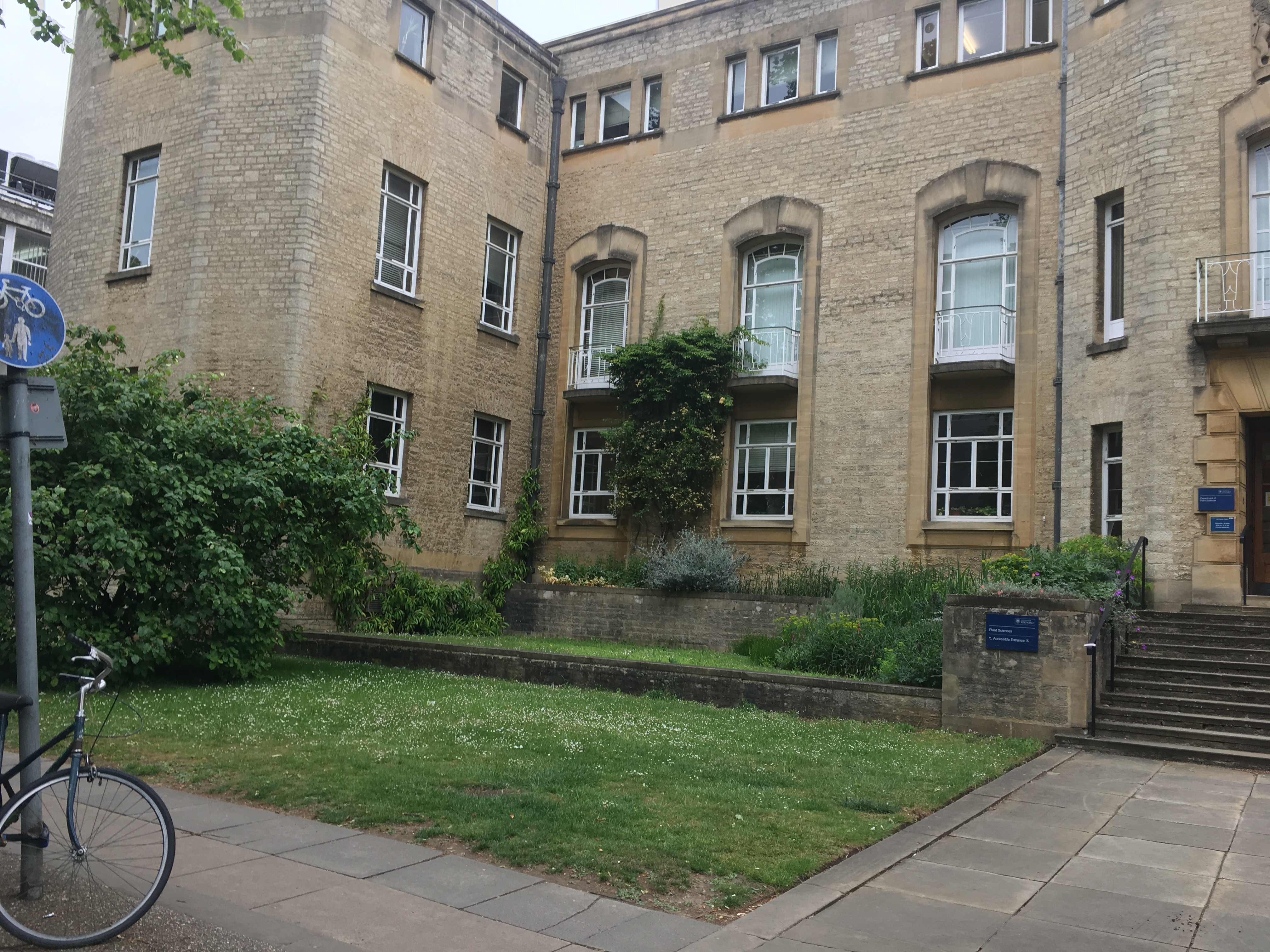
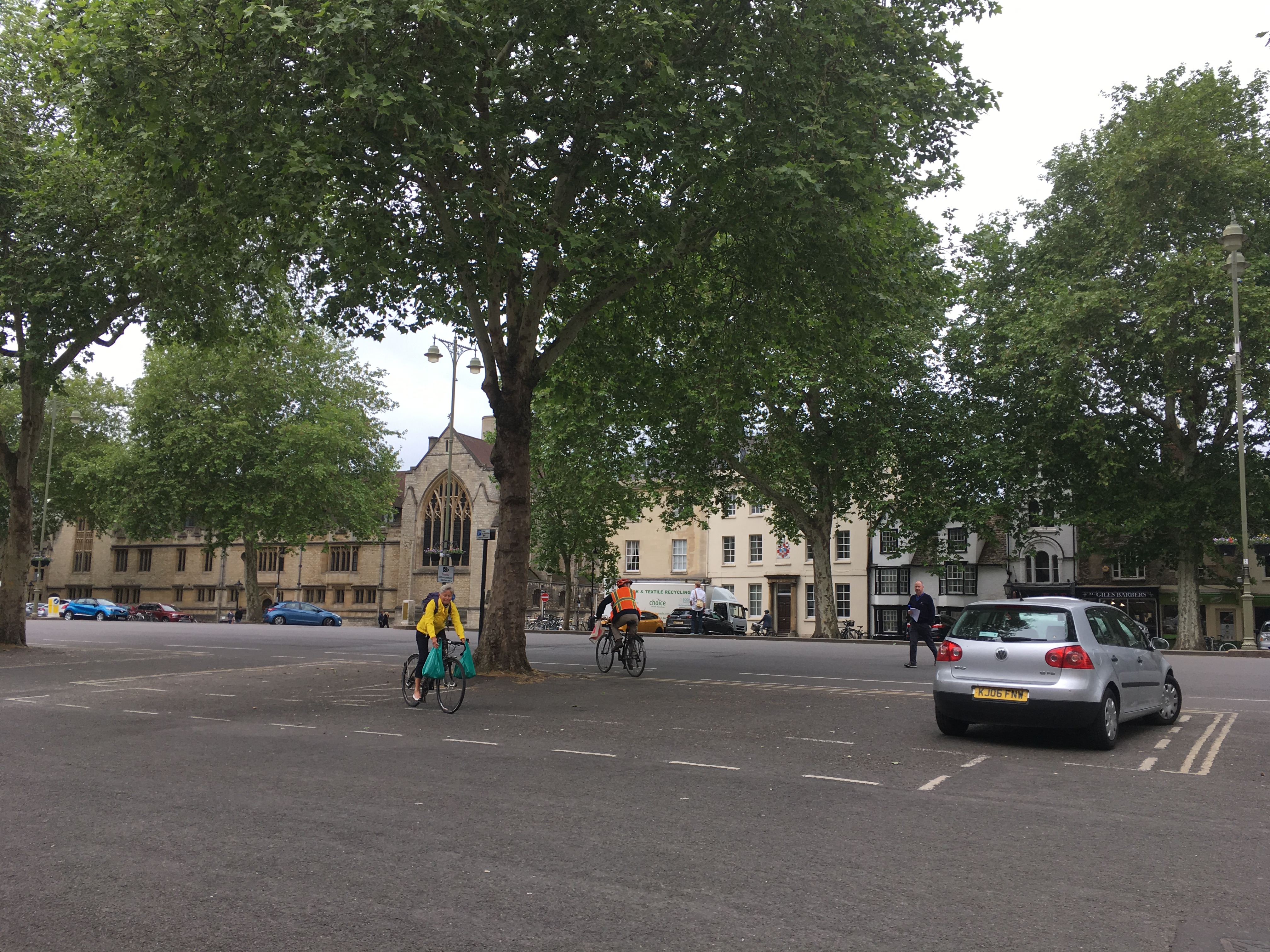
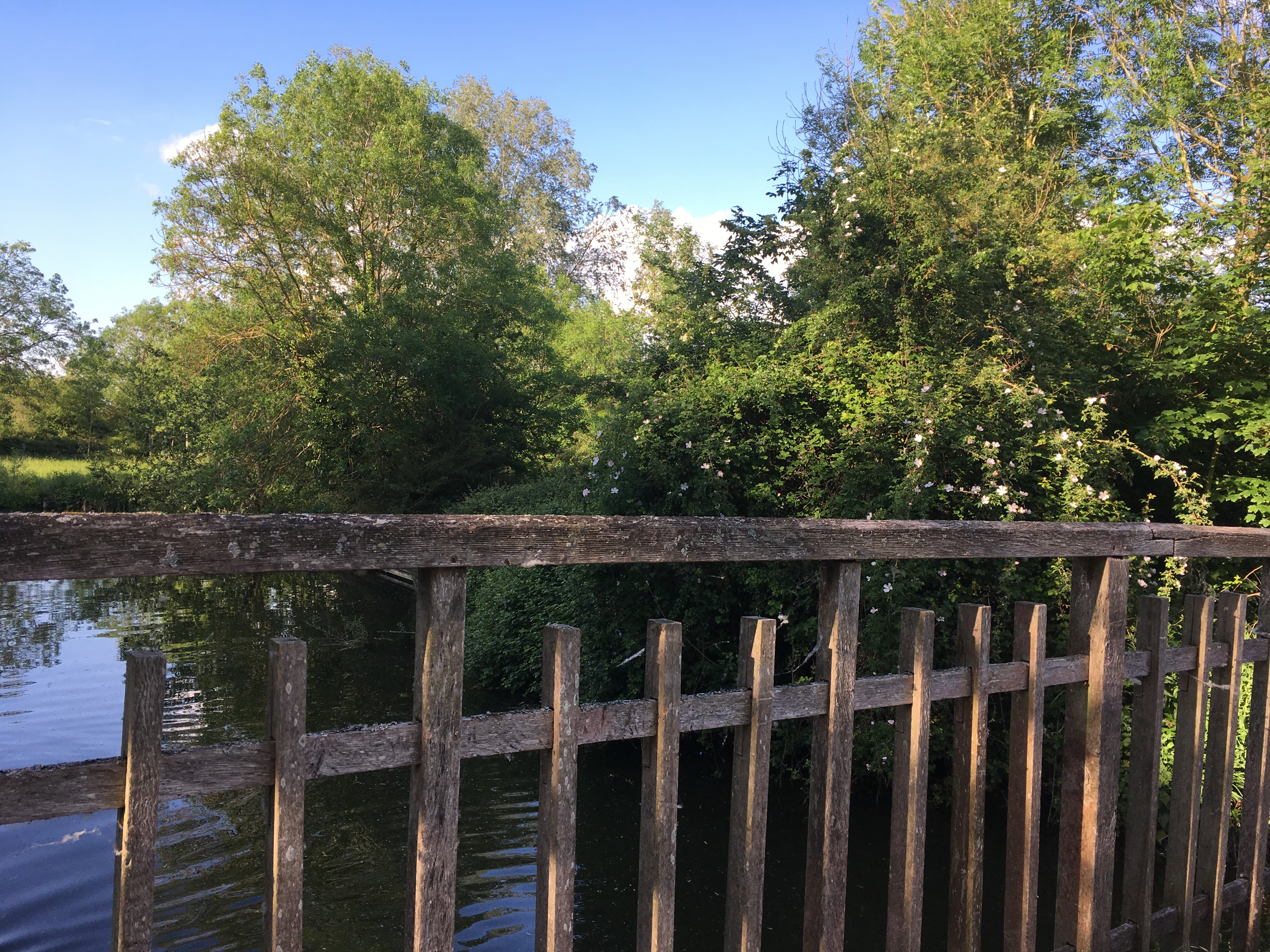
Oxford has layers of loveliness: the old beauty of stone walls, buildings, spires, and statues, all covered in the fresh spring beauty of yellow roses, green ivy, and flowering vines. We walked through the green parks every day, dodging bikes and other foot travelers, listening to birds cooing in the trees and watching ducks, swans, and ravens hop around among the lilly pads and cattails in ponds.

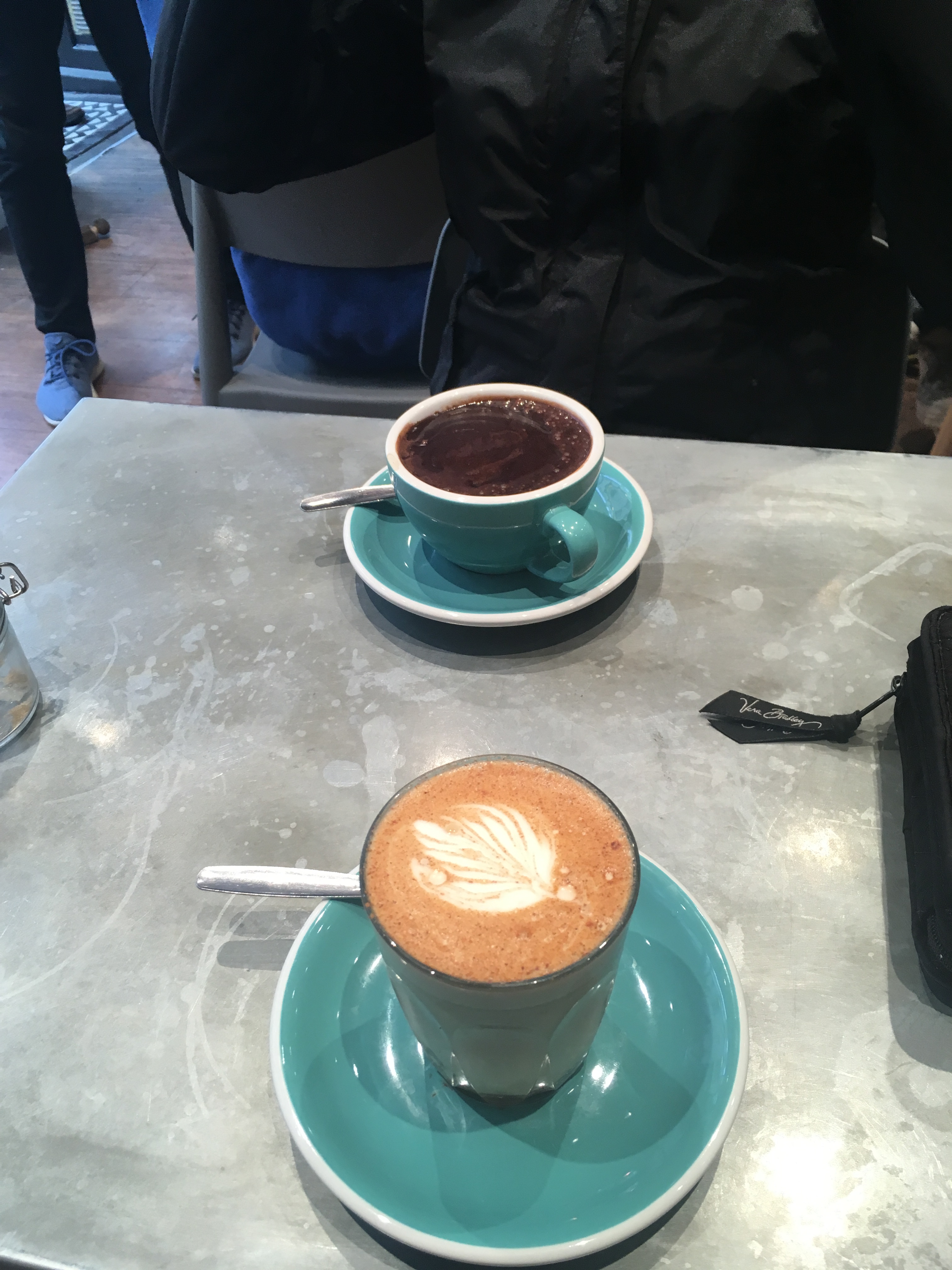
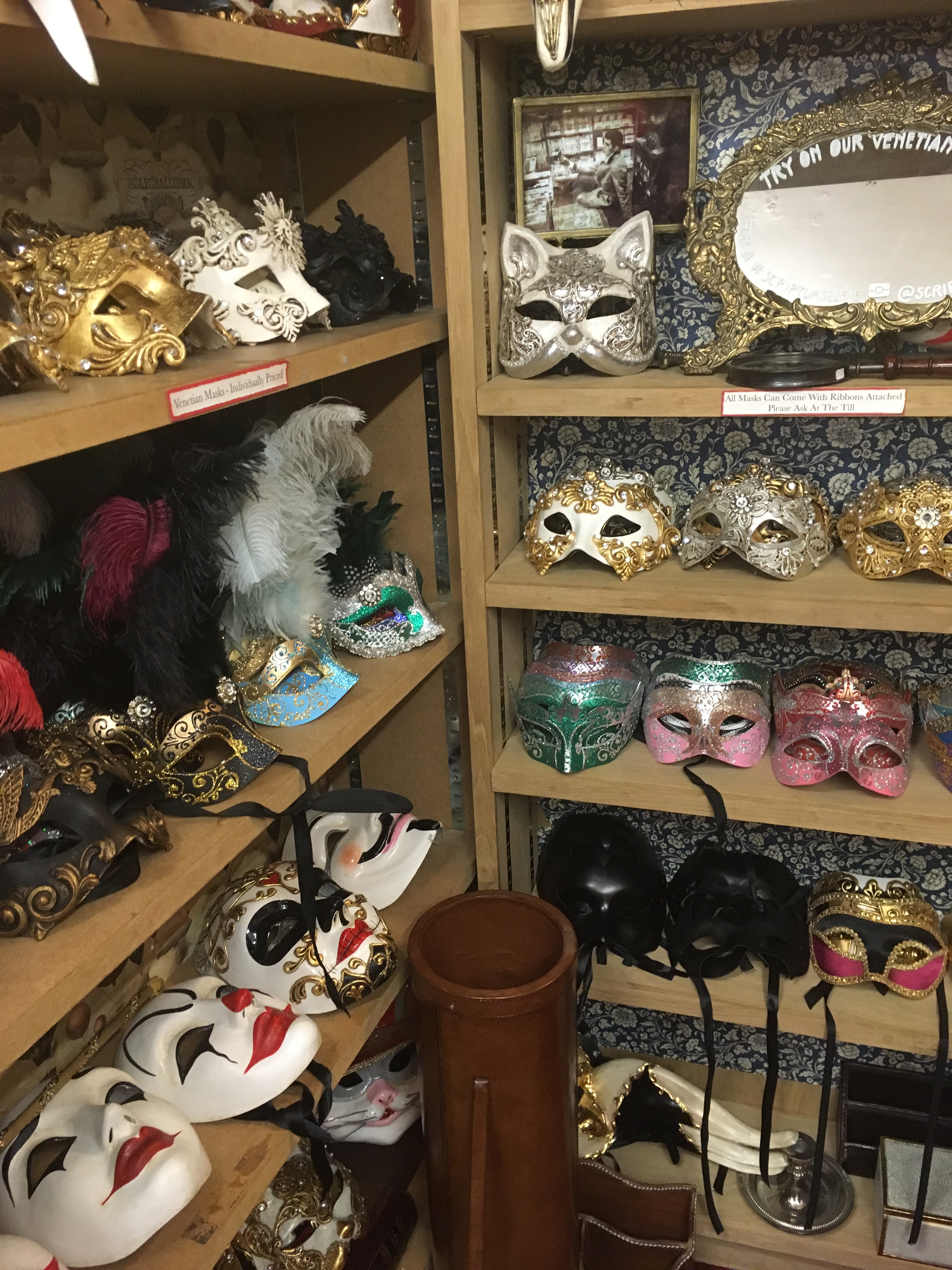
The town was full of tourists like us, the murmur of many languages, and students in black robes. We got chai tea and Italian hot chocolate (my life will never be the same) at a tea shop, wandered through a curio/bookshop full of quill pens and gilded masks, and explored the stalls of the Covered Market.

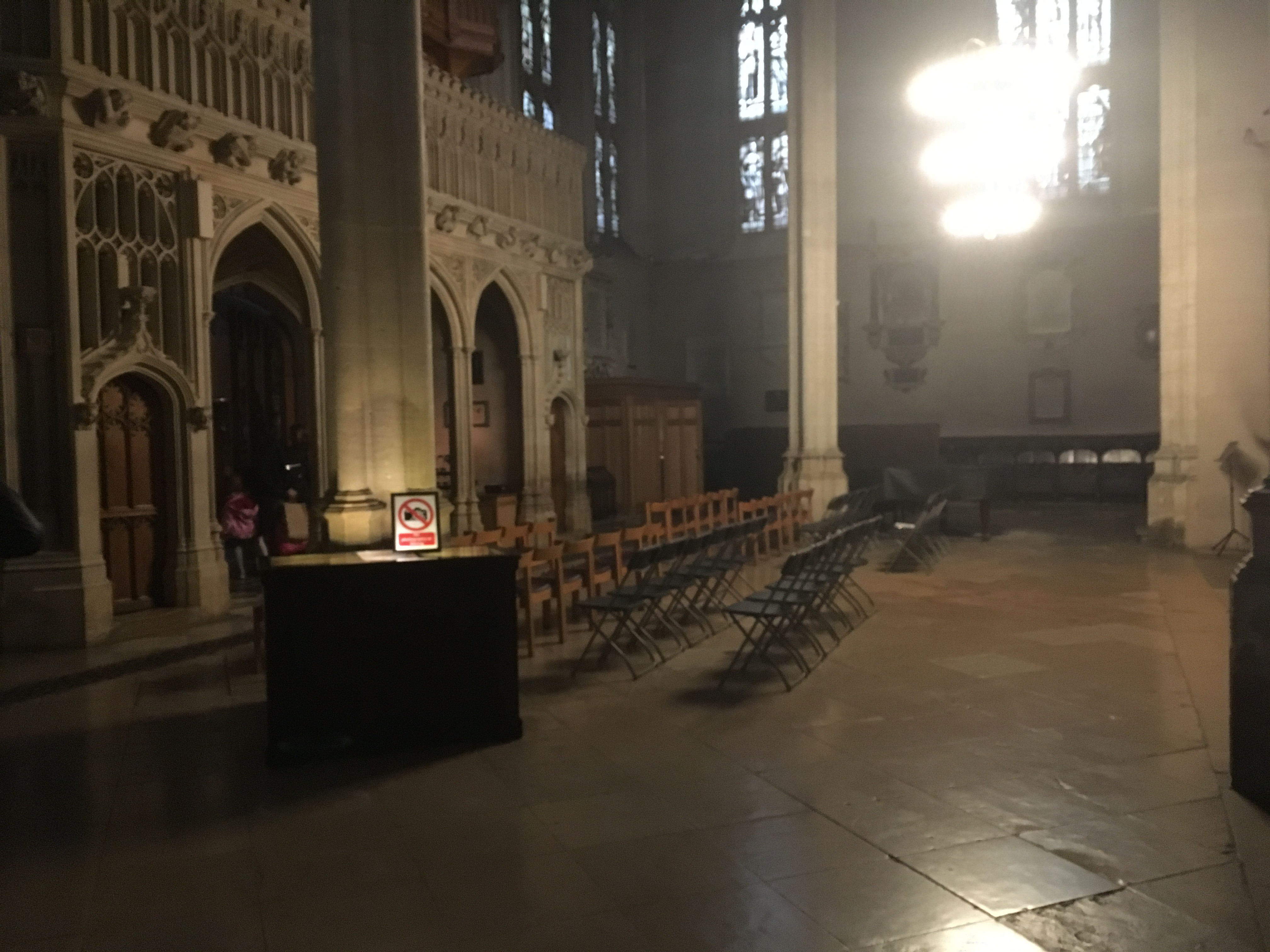
We heard echoes and whispers of the spirit of Oxford. The town and university are centered on thought leadership and intellectual discovery, but remember faith: we attended a lecture on “The Failures of Political Journalism” at Green Templeton college, wandered through the University Church of St. Mary, went to exhibitions on language and 3-D images at the Weston Library and Museum of the History of Science, and enjoyed an Evensong at Magdalen College.

Every day brought so much to ponder and so much to enjoy. I’ll reference this trip in many future posts, but for now, I came away with some important resolutions:

Enjoy nearby beauty

Oxford was breathtaking with its ancient stonework, glassy rivers, yellow roses, and silver skies. But I had a recurring realization: New England is just as beautiful: its starry mayflowers and pert black-capped chickadees, fragrant beach-roses and green maple trees. Though traveling is great in many ways, I only need to step out my front door to see beauty. I need to value the treasures around me, not just those that are far away.

Seek unity in diversity

Most of the “content” we found at Oxford in lectures and exhibitions presented a set of different opinions on each topic, without identifying any as primary or true. Diversity, inclusion, and redefinition (breaking down old meanings of humanity, gender, faith, language, science,etc.) were celebrated as the highest good.

I love listening to people who are different from me, being sharpened as iron sharpens iron. But I believe that the highest good is celebrating true things, not just different things. The original purpose of universities was to seek unity in diversity, with every individual discipline striving together to unravel mysteries. I yearn to seek transcendent, unifying truth, Wisdom, in literature, art, language, and theology, and from people of all nations, backgrounds, and experiences.

Burn bright in darkness; cultivate in the desert

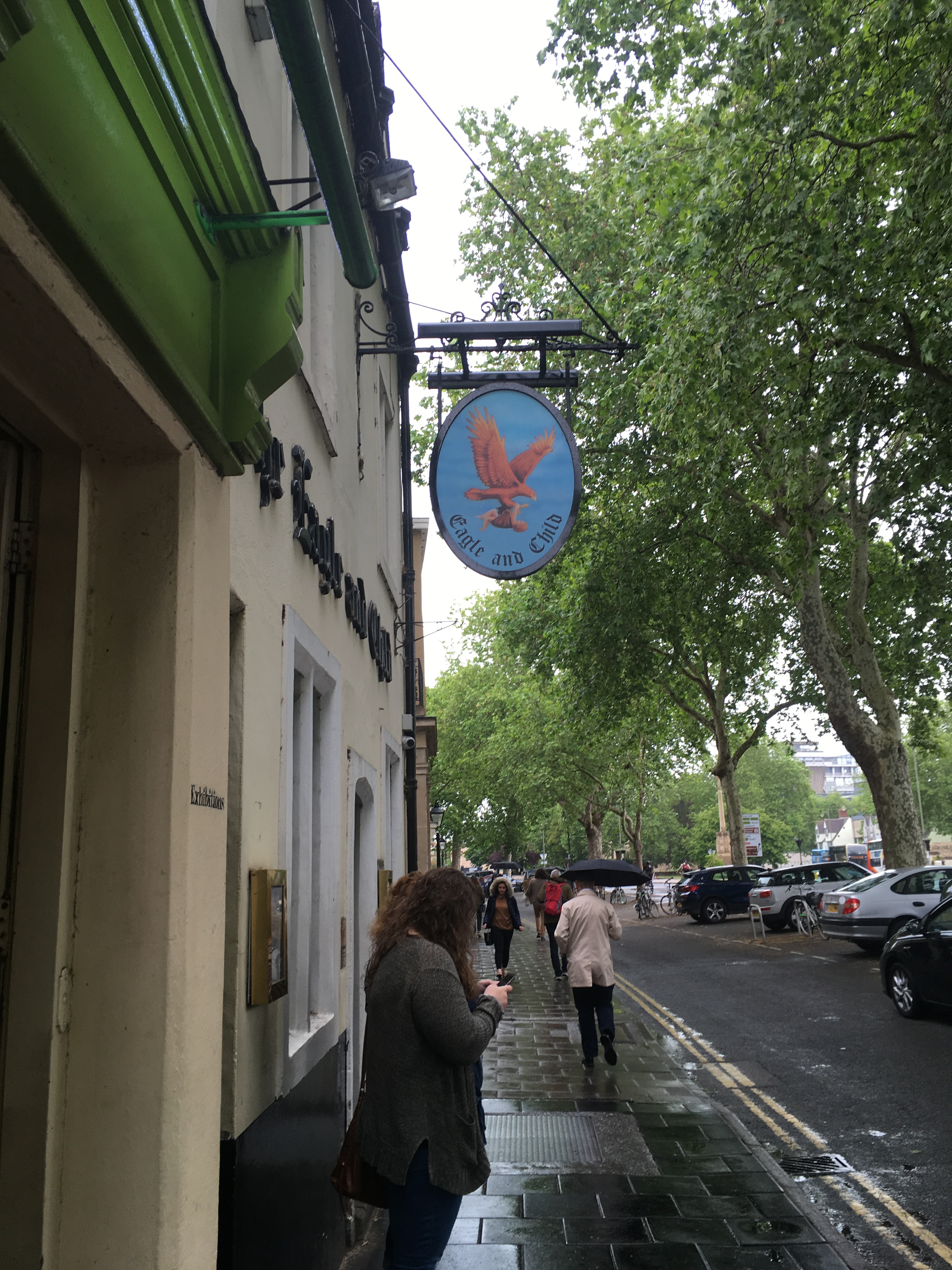
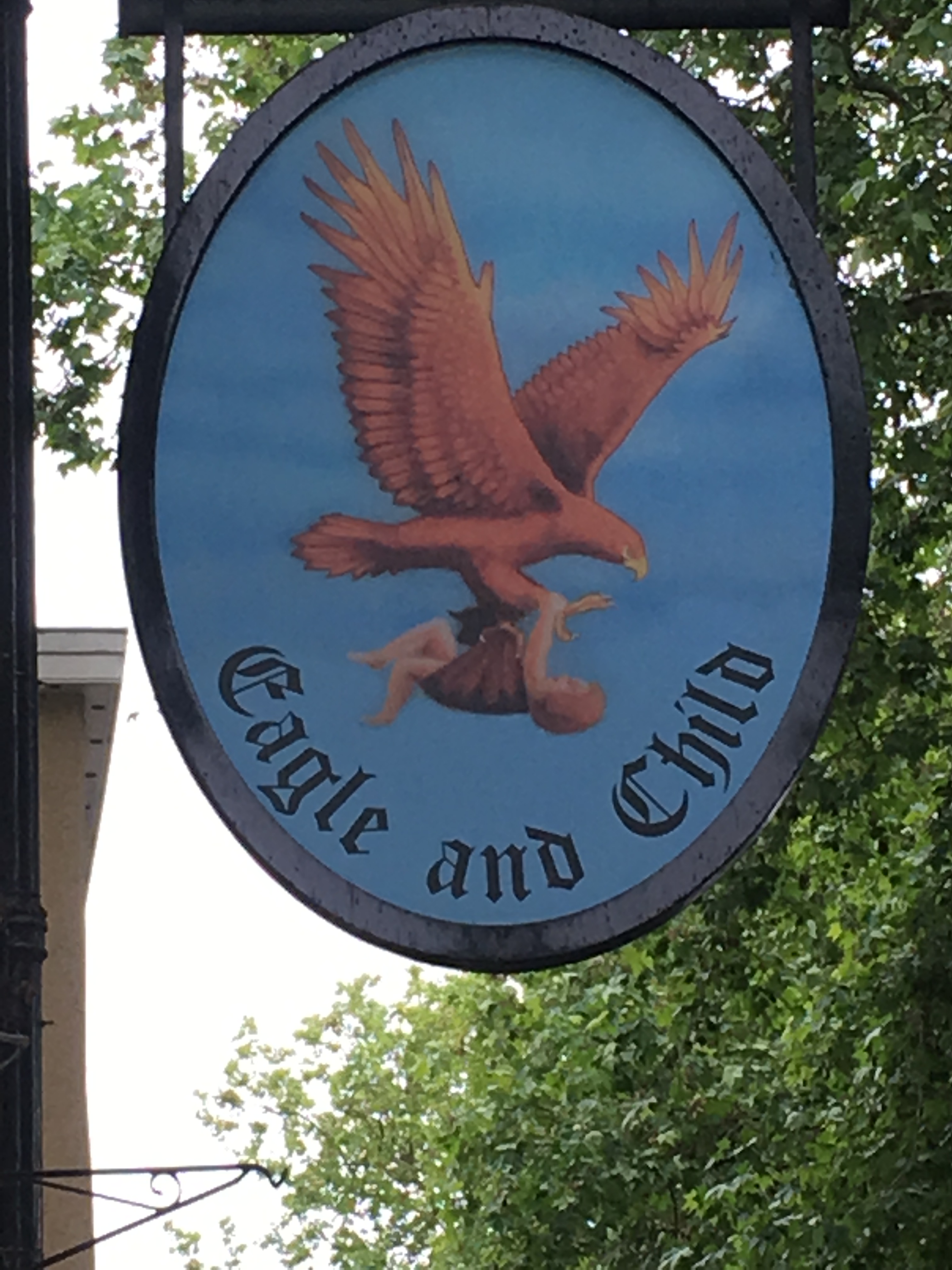
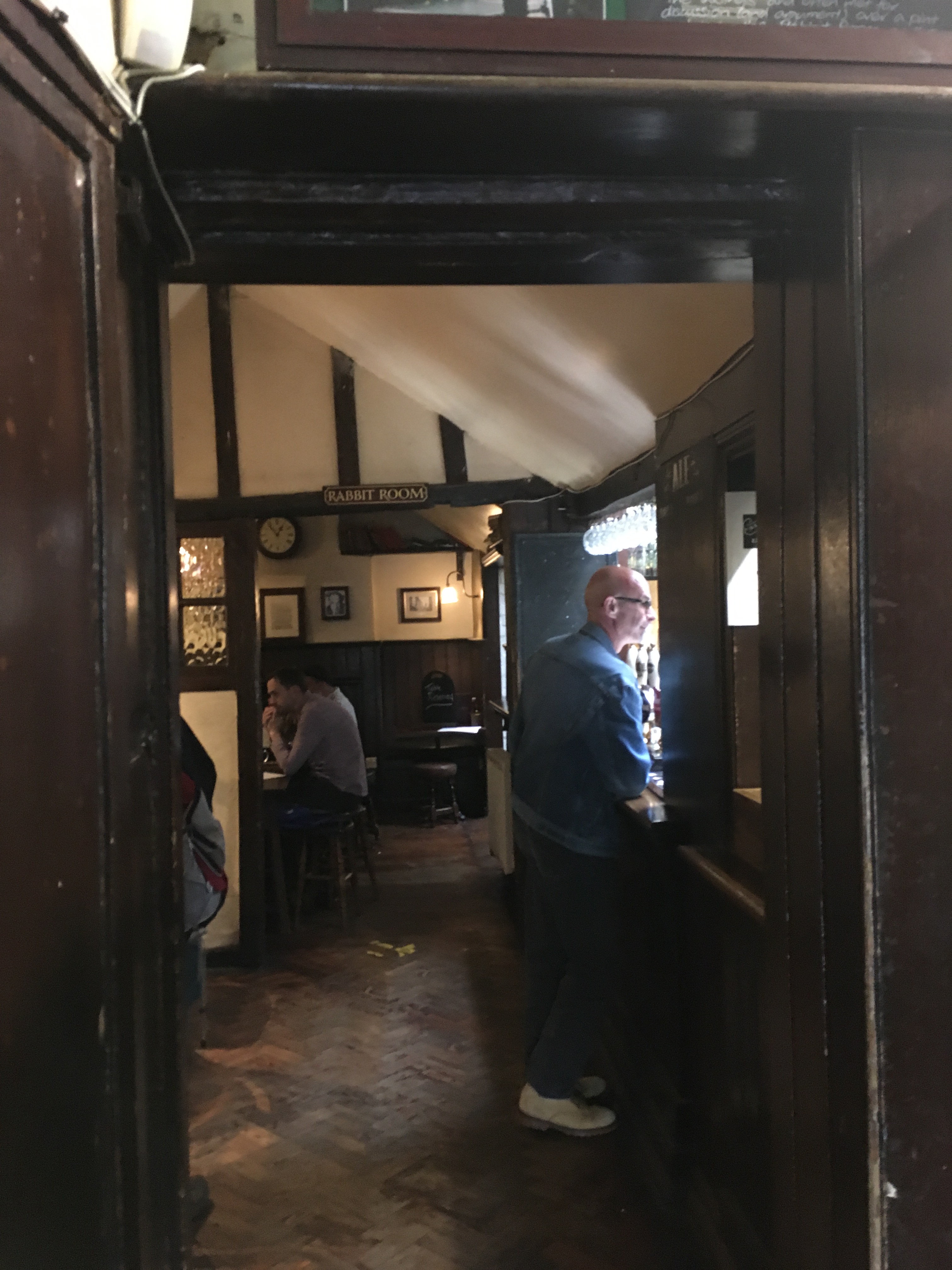
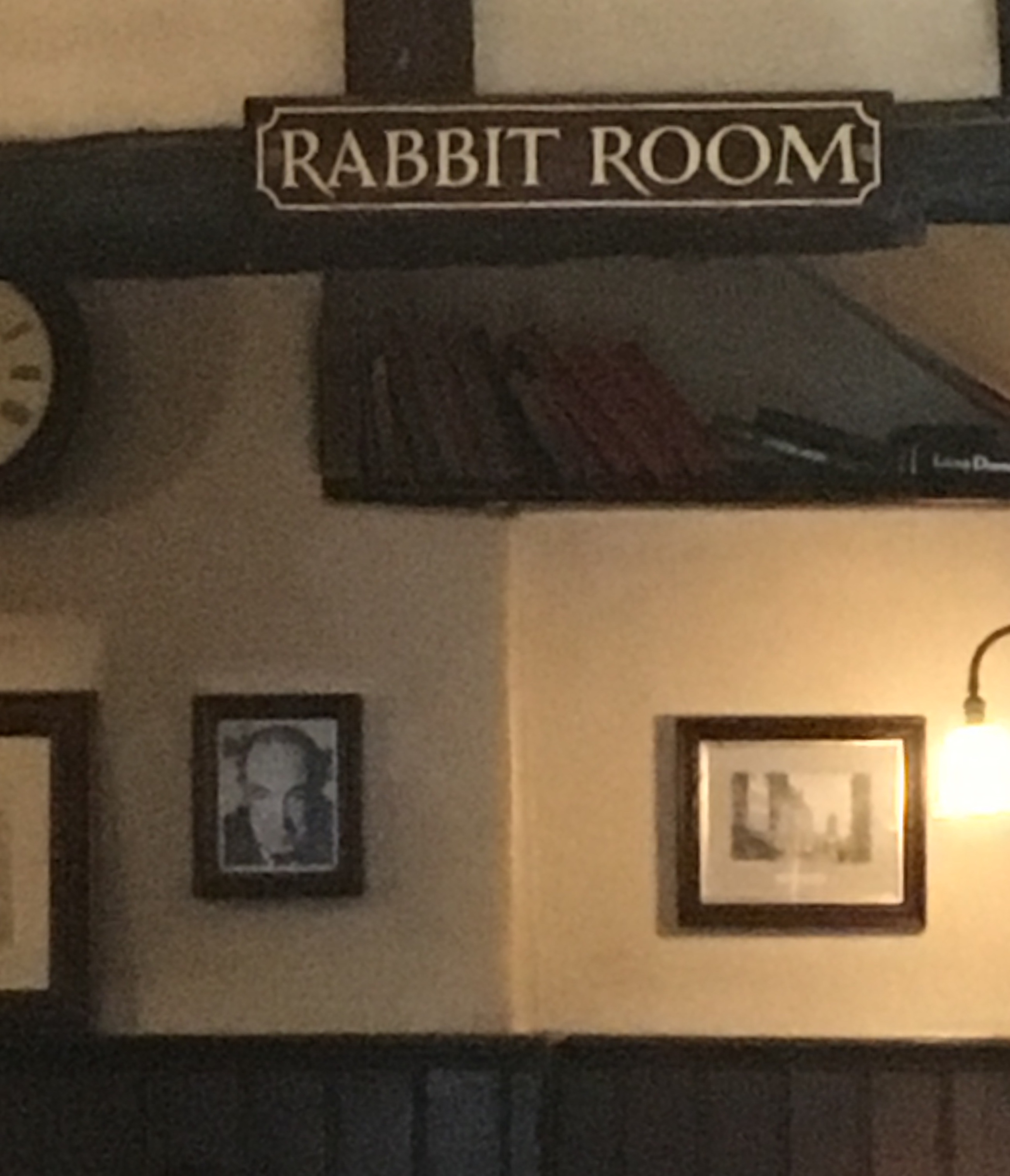
While rushing to the lecture, we had two minutes to duck into the Eagle and Child Pub, were Lewis, Tolkien, and the Inklings used to meet. My glimpse of the place stayed with me: dark, tiny rooms dimly lit by light bulbs, with barely enough places to squeeze faded armchairs beside brick fireplaces. The famous Rabbit Room was plain, with only a wooden table that may have seated five.

Lewis and Tolkien lived in a dark time: through the blood, fire, and fear of two world wars, sickness, grief, and a growing cynicism and loss of belief. But in imitation of God in Genesis 1, they spoke worlds into being: stories that acknowledge darkness and despair, but burned bright with love, beauty, and hope. The Inklings’ fellowship by the fire nurtured friendships, creativity, and joy that they poured out in stories that still kindle imaginations today.

The Christological center of Lewis and Tolkien’s imaginations stirred me deeper still. People of different faiths or no faith at all (like George R.R. Martin, Philip Pullman, Tamora Pierce, and Patricia McKillip) can also imagine worlds into being. But the narrative of an all-powerful, loving Redeemer who sacrificed Himself for humanity is the greatest Story; all other good stories echo it.

The world is still dark – maybe darker – today. But there are many light-bearers and dream-cultivators, people of strong faith and abundant imaginations, in Oxford (including Michael Ward, Sarah Clarkson, Joy Clarkson, and many others), in New England, and in the whole world. I can’t wait to discover more of them.

Reflections on the STC Conference 2019

Denver, Colorado in the rain.

In the gray days of February and March this year, I realized that the two conferences I wanted to go to in the spring were both in Colorado, both concerning writers, within a week of each other.

I returned home after the first one last week, the Imagination Redeemed conference. On Sunday, I flew out to Denver again for the Society for Technical Communication (STC) conference and returned late on Wednesday night.

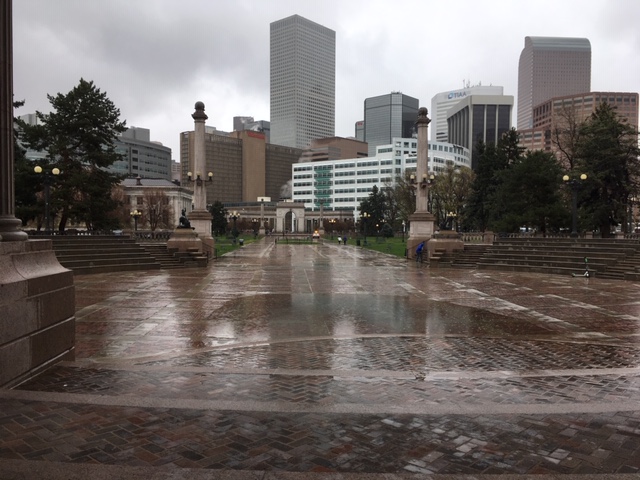
The Imagination Redeemed conference was in Colorado Springs, that blooming valley in the mountains; the STC conference was in downtown Denver, where the brick-and-stone buildings were too short to block the rain-gray sky (unlike the dark skyscrapers of Manhattan – I couldn’t help comparing), and trees with bright green leaves or fresh blossoms dotted the sidewalks.

Though I didn’t plan to attend two conferences back-to-back, and my head spun with altitude sickness the first night and day, comparing the two gatherings was fascinating. Both organizations attract thoughtful, creative, and dedicated communicators who want to hone their craft and connect with people like them.

The STC is made of technical communicators, who help their coworkers or customers understand and use technical information: technical writers and editors, librarians, instructional designers, content strategists, and information architects from software, manufacturing, medicine, business and finance, and other industries.

As technical communicators (I’m a technical writer), we work with brilliant people – software developers, engineers, mechanics, architects, and others – to translate their complex knowledge into simple steps for audiences who benefit from their work. I attended sessions about integrating images and text, the power of story, career planning, best practices of knowledge management, and more.

The Imagination Redeemed conference focused on faith and beauty, imagination and worship; the STC conference focused on transforming the creations of geniuses into plain language and clear concepts. These gatherings represent two sides of my mind and heart that I’m cultivating in work and in play, united by a growing sense of yearning: I long to be a messenger, a world-maker, teacher, and healer through my writing, in my job and my own work.

Soon, I hope to write about how technical writing is so much more than the boring manual-writing I though it would be: how it’s as challenging, inspiring, and wonder-ful (in the old sense of the world) as studying English literature. For now, here are some resolutions as a technical writer to match the ones I made at the Anselm Society conference:

Tell stories for good – The STC conference reaffirmed what I already knew: that stories are powerful. From a technical writing perspective, stories help people understand complex concepts (think of how some people can remember all the plot threads in the Marvel universe) and remember important information. As a technical writer, I want to tell stories for good, to help people gain the knowledge they need to thrive.

Critical consumerism – One of the last speakers at the conference described how we can be critical consumers, thoughtfully examining the evidence to evaluate claims and rationales. Does the speaker’s conclusion exaggerate the evidence or ignore key findings? In the workplace and the rest of my life, training myself to examine evidence will guard me against misconceptions and manipulation.

Wonder in the ordinary – Several speakers emphasized the ancient roots of technical writing: from cairns marking paths in the mountains, to cave paintings, to medieval manuscripts, humans have been teaching each other to do complicated tasks since the beginning of time. I used to think technical writing was dull work, typing up thick manuals of small black text that no one wanted to read. Over this year, I’ve tasted the joy of learning how to uncover the creative genius of software developers and communicate it to non-experts: detective work as close to my childhood dreams of being Nancy Drew as I’ll probably get in real life.

It’s good to find wonder in your work; good to sit in awe of the mind of the Creator as you see the beauty of the human mind in lines of software code, or complex machinery, or the rhythm of a sonnet. In my technical and creative writing, I want to awaken that wonder in others.

My real vocation – A speaker on a podcast I listened to yesterday said that “you work to feed your dream, and then you work on your dream to feed your everyday work” (clumsy paraphrase). Am I a technical writer in the “real world,” to earn a living, or am I “really” a creative writer who has a day job so she can eat? Both – maybe not forever, but for this season, my real vocation is to become skilled at both types of writing.

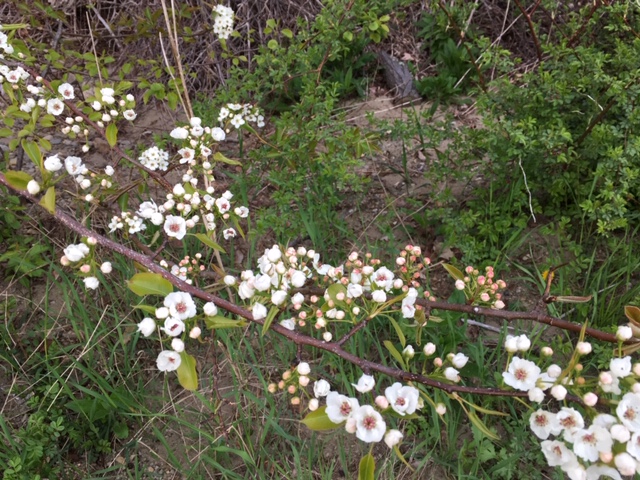
But I’m back to New England again, at least for a few weeks. The cherry trees are blossoming in bright pink clusters; the rest of the leaves are peeking from the edges of tree-fingers; and I can walk along the beach at sunset with my sister and talk about life. Summer is stirring, and I have writing to do.

White blossoms on a branch.

Meditations on the Imagination Redeemed 2019

Glen Eyrie, a castle in the mountains.
Glen Eyrie

On Monday morning, I flew back to New England from the Imagination Redeemed conference in Colorado Springs – exhausted, full, and inspired. The conference was hosted by the Anselm Society, which hopes to spark a “renaissance of the Christian imagination” – a new understanding between the Church and the arts of how we can glorify God through visual art, music, literature, poetry, theater, and dance.

The conference was a feast of wisdom and fellowship. Scholars, artists, teachers, and writers discussed re-enchanting the church, medieval cosmology, sacred art, the moral imagination, writing as image-bearing, and more. I had wonderful talks with fellow attendees – writers, artists, ballet teachers, graduate students, opera singers, and others – about their work.

I’m tired. The richness of ideas and insights was overwhelming, and the red-eye return left me barely holding onto consciousness (my first all-nighter ever). But I’m also encouraged and inspired to meet so many people who are doing what I want to do, or share my ambitions: to glorify God through my art, to create and cultivate beauty, to share wisdom and joy through retelling God’s story.

I’ll probably reference the conference many times in future blog posts, but for now, I’ll share some of the goals the conference inspired:

Write – Heidi White’s talk about creating art inspired me to pour out essays, short stories, and books with greater courage, even if my words are only read by a few, because I’m not writing for my own fame or glory, but God’s. Lanier Ivester’s sonnet-writing workshop encouraged me to capture the inexpressible with imagery and challenge myself to greater creativity with meter and rhyme. Lancia Smith’s discussion of writing as image-bearing motivated me to bear or “bring forth” transcendent truths in stories.

Explore how my doctrinal beliefs shape me and my art – Though all the speakers were Christians, many came from an Anglican or Catholic background and discussed doctrines or practices that are outside of my faith tradition, including sacramental theology, a division between the clergy and the laity, and liturgy. Though Christians are all united by the blood of Christ and the Holy Spirit, doctrinal differences like these do shape our thinking and behavior. I want to explore my own theological framework to ensure that it is Biblically grounded and see how it affects my imagination, writing, and life choices.

Connect with other artists – I had so much fun meeting people who spoke my language, who know and love the same stories, who have similar dreams and challenges. Though I can travel to connect with other artists and writers, I would love to engage in that community here in New England, where geographical closeness makes it easier to build relationships.

Study – The speakers introduced me to so many fascinating ideas: musica mundana (medieval cosmology – “the music of the spheres”), kairos vs. chronos time, and more. I want to relearn Latin, study New Testament Greek, and read dozens of books and articles – a huge task, but all things I can accomplish eventually.

Engage with the Word – Junius Johnson, one of the speakers, encouraged artists and theologians to intentionally connect with each other. Theology is one of the best sources of inspiration, and art is a beautiful way to worship. I want to study the Bible deeply, reverently, and joyfully to better express God’s love and wisdom in my writing.

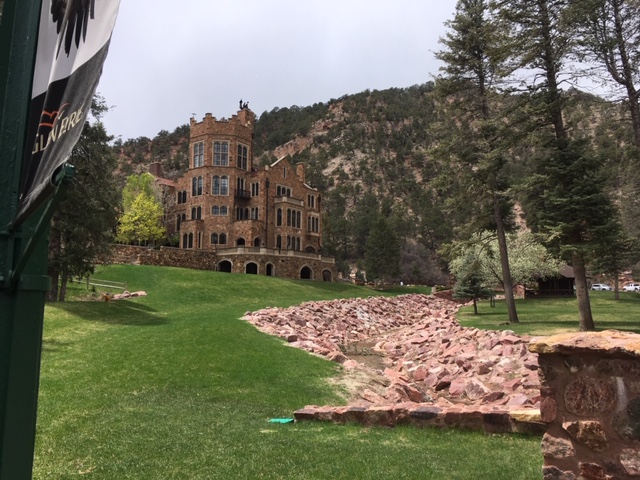
After learning so much and meeting so many wonderful people at the conference, I got to enjoy the beauty of Colorado Springs: Pike’s Peak shining with snow above the dark ridges of other mountains; Glen Eyrie castle tucked in a green valley; the Garden of the Gods, huge red rocks towering over the hills.

But it’s good to come home. In New England, soft pink buds are opening in the cherry trees, and new leaves are coming out in Scottish green. I’m tired, but full – eager to learn, to study, and to write stories of yearning.

The Magic of the Ordinary

New York City skyline in the glow of sunset.

Nurtured by books like The Chronicles of Narnia and Lord of the Rings, I used to believe that modern technology has no place in literature. Medieval technology such as swords and ploughs, and maybe even Industrial Revolution technology like trains and mills, were acceptable, but nothing later than 1920s-era technology belonged in books.

My logic for this assumption ran deep into my beliefs about stories. I believed that stories were the exclusive realm of the mythical and the wonderful: ancient forests, splendid castles, beautiful princesses, and so on. As an avenue of the imagination, stories should be above the minor, ugly details of life, like technology.

This subconscious assumption ignored the wonderful details of ordinary life which Lewis, Tolkien, Lloyd Alexander, Edward Eager, Edward Ormondroyd, E. Nesbit, and others use. In Lewis’s Prince Caspian, Edmund remarks that being summoned from England by a spell without warning is “worse than what father says about being at the mercy of the telephone.” Ormondroyd uses an elevator as a key part of his Time at the Top

Mentioning current technology also gives stories the precious stamp of regionalism – memorializing a certain place and time so readers can visit it. Now, I love tasting the flavor of past decades through references to slates and record albums.

My assumption also glossed over the very real fact that swords and ploughs, trains and mills were just as boring and ordinary to our predecessors as subways and cell phones are to us. For all their mythology, swords are really just romanticized pieces of metal.

G.K. Chesterton explains this phenomenon of ignoring the romance of the present with reference to modern-day detective stories. He praised detective stories for capturing

. . . some sense of the poetry of modern life. Men lived among mighty mountains and eternal forests for ages before they realized that they were poetical; it may reasonably be inferred that some of our descendants may see the chimney-pots as rich a purple as the mountain-peaks, and find the lamp-posts as old and natural as the trees. (from here)

The storytellers from whom the Grimm brothers gleaned their material wove their tales with commonplace objects. Spindles are immortal because of Sleeping Beauty, but they were as normal as cars or coffee pots to the people who used them daily.

Chesterton’s perspective reveals the amazing possibilities of our world. We don’t need to reuse crowns and Gothic castles to spice up our stories (at least, not all the time). Why not mythologize Brooklyn apartments and Iphones? 

The technology of our day has near-magical capabilities. Google puts a world of knowledge at our fingertips; planes let us fly over thousands of miles in a single day.

With that in mind, I’ve put some story ideas below which realize a few possibilities of modern technology, the way fairy tales used magic rings or carpets:

  • Glitch in one particular Iphone which lets the user call other dimensions
  • Car (specific make and model) with a radio which begins receiving messages for help from another world/time
  • Computer virus which spreads a real, biological virus via the Internet
  • Windmills which were made not to generate clean energy, but to guard against holes in Earth’s magical atmospheric shield
  • Subway train which gets lost and discovers a network of caves full of secrets (treasure, ancient warnings about disasters, lost civilizations, etc.)
  • Stopwatch which begins to count down the days/hours/minutes until the next terrorist attack
  • Energy beings (aliens?) which communicate with the entire country using the powerlines

Material: The Ordinary and the Exotic

Hallway in Versailles.

Last year, I set out on the noble, if reckless, task of reading through my old school anthology of Romantic Literature from cover to cover. I loved the course, and the sight of the book sitting unread on my shelf filled me with so much guilt that I finally gave in. It’s alphabetical (sort of), and William Blake nearly overwhelmed me – his language! His images! I haven’t lingered on each poem as long or thoroughly as a worthy scholar would, but I’ve begun to pick up a certain pattern between Anna Laetitia Barbauld, Sir William Jones, Charlotte Smith, Mary Robinson, Blake, and Shelley (I skipped ahead to him): a focus on what I call “exotic materials.”

The Romantics had a deep love for the natural world that they conveyed beautifully. They celebrated the “stuff,”  the materials, of nature itself such as the sun, moon, and stars; wood, stone, leaves, flowers, grass, fire; water, ice, and snow. (See Barbauld’s “Summer Evening’s Meditation” or Charlotte Smith’s September 1791 poem about the moon – they’re breathtaking).

However, when the Romantics discussed the “stuff” or materials of the human world, I see a contrast between the exotic materials of dreams and the homelier stuff of everyday. For example, Blake discusses soot and bricks in poems such as “The Chimney Sweeper” and “London,” but he dreams of gold, silver, precious stones, and melting metals in his formidable vision The Marriage of Heaven and Hell. Shelley discusses a whole list of exotic materials in his enthralling poem Alastor: diamond, gold, crystal, chrysolite, pearl, gems, and alabaster (somewhere around lines 90-114).

Wordsworth, Keats, Coleridge and the other anthologized writers also contrast the exotic materials of dreams and visions with the uglier, commonplace materials of Regency England (especially London). Note: British Orientalism hovers in the background of this fascination with the “exotic.”

As a writer, I realized that I, too, have a tendency to fill my dreams with exotic materials – expensive, intoxicating “stuff” that become the set and props for my daydream adventures. I made a list of the kind of materials that fascinate and compel me, that carry with them associations of magic and intrigue, adventure and romance:

  • gold
  • silver
  • silk
  • satin
  • velvet
  • mahogany
  • marble
  • bronze
  • iron
  • steel
  • copper
  • mahogany
  • cedar
  • crystal
  • glass
  • gems
Gold and crystal chandelier in front of a mirror and some red velvet curtains.

Like Anne of Green Gables, who loved the idea of an “alabaster brow” before knowing what it was, I love thinking about these materials and using them in metaphor and simile. However, I believe that writers have an obligation to reveal the beauty of our own place and time. I started to make a list of the materials I encounter every day:

  • concrete
  • plastic
  • styrofoam
  • cardboard
  • paper
  • wood
  • metal
  • rubber
  • cement
  • ceramic 
  • paper
  • cardstock
  • aluminum
  • tin
  • sawdust
Car junk heap.

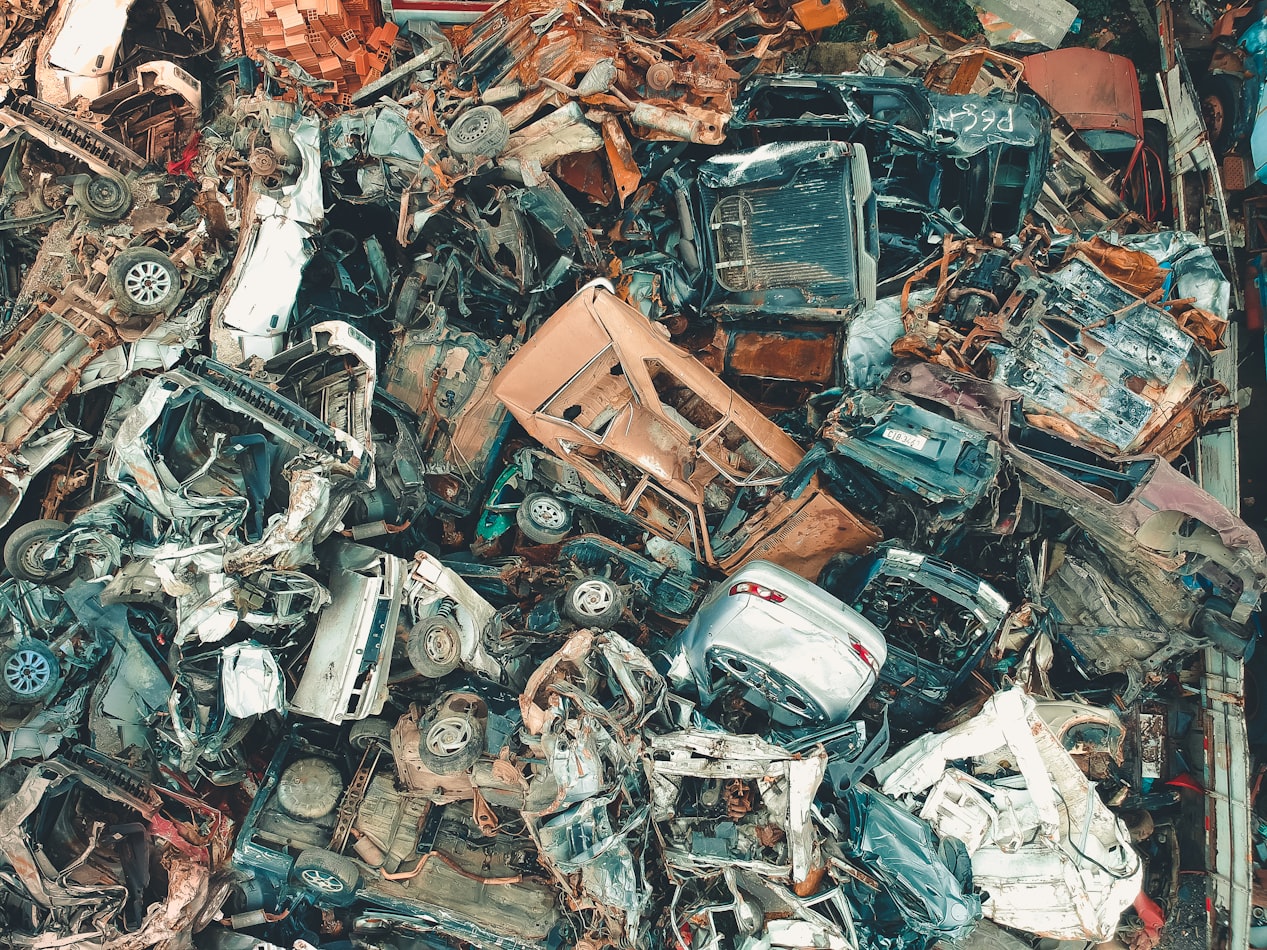
Unfortunately, this list felt increasingly negative as I kept listing. Where is the poetry in plastic? The magic in concrete? The fascination in cardboard?

Back to the Romantics: in an age hovering on the brink of the Industrial Revolution, they too saw and touched ugly things every day. Even nature has its ugly moments: mud, sleet, slush, decaying bark, ashes, mold, and more. This is a fallen world; a truth-loving perspective acknowledges loveliness and hideousness, and joy celebrates and encourages the former.

With that in mind, I made a goal of listing “good” materials I encounter every day, or seeing “ugly” materials in a positive light:

  • The shining smoothness of glazed pottery
  • The dreamy reflections in a car’s gleaming exterior
  • The cheerful cleanliness of fresh paint
  • Frost glittering in the cracks of pavement
  • The crinkly delight of tissue paper

What materials construct your world? How can you describe them in order to create a vivid, tactile experience for the reader?