History never repeats itself, but sometimes, it rhymes. — Theodor Reik
I love this quote. I find myself thinking about it this summer because I first heard it in 2019, and in a few mysterious ways, this year of 2026 has rhymed with 2019.
Returning to Oxford and Its Great “Why Not?”
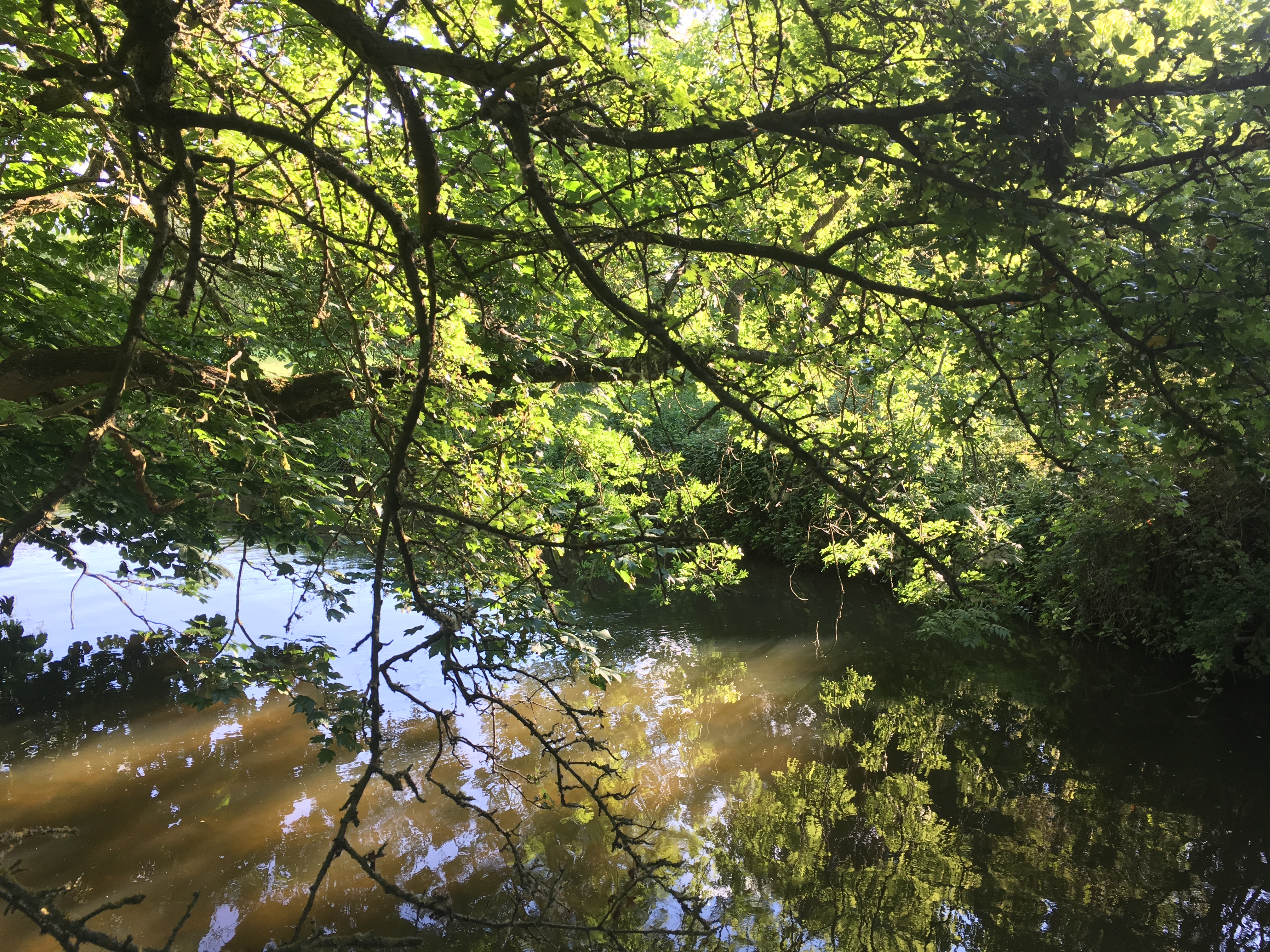
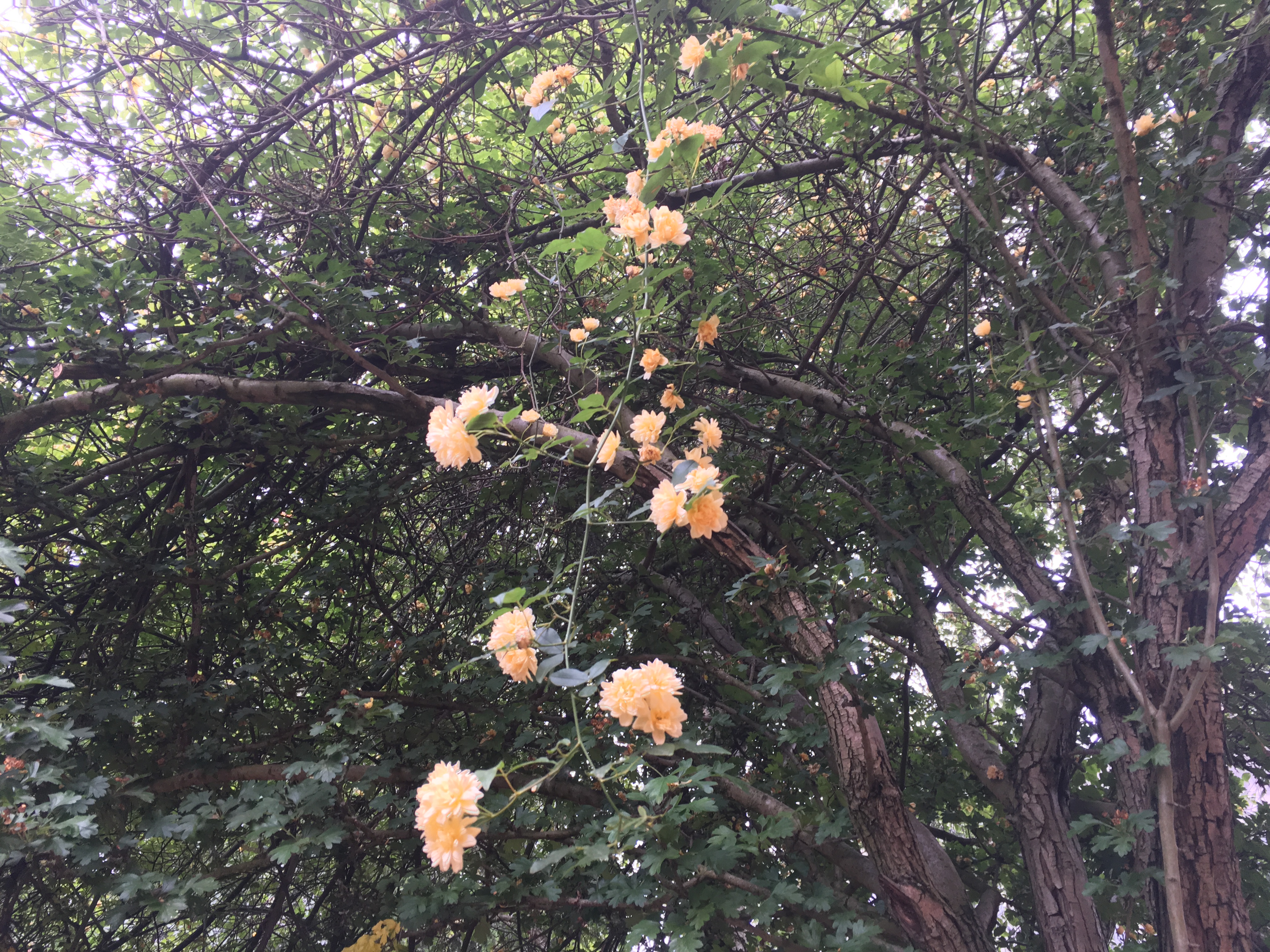
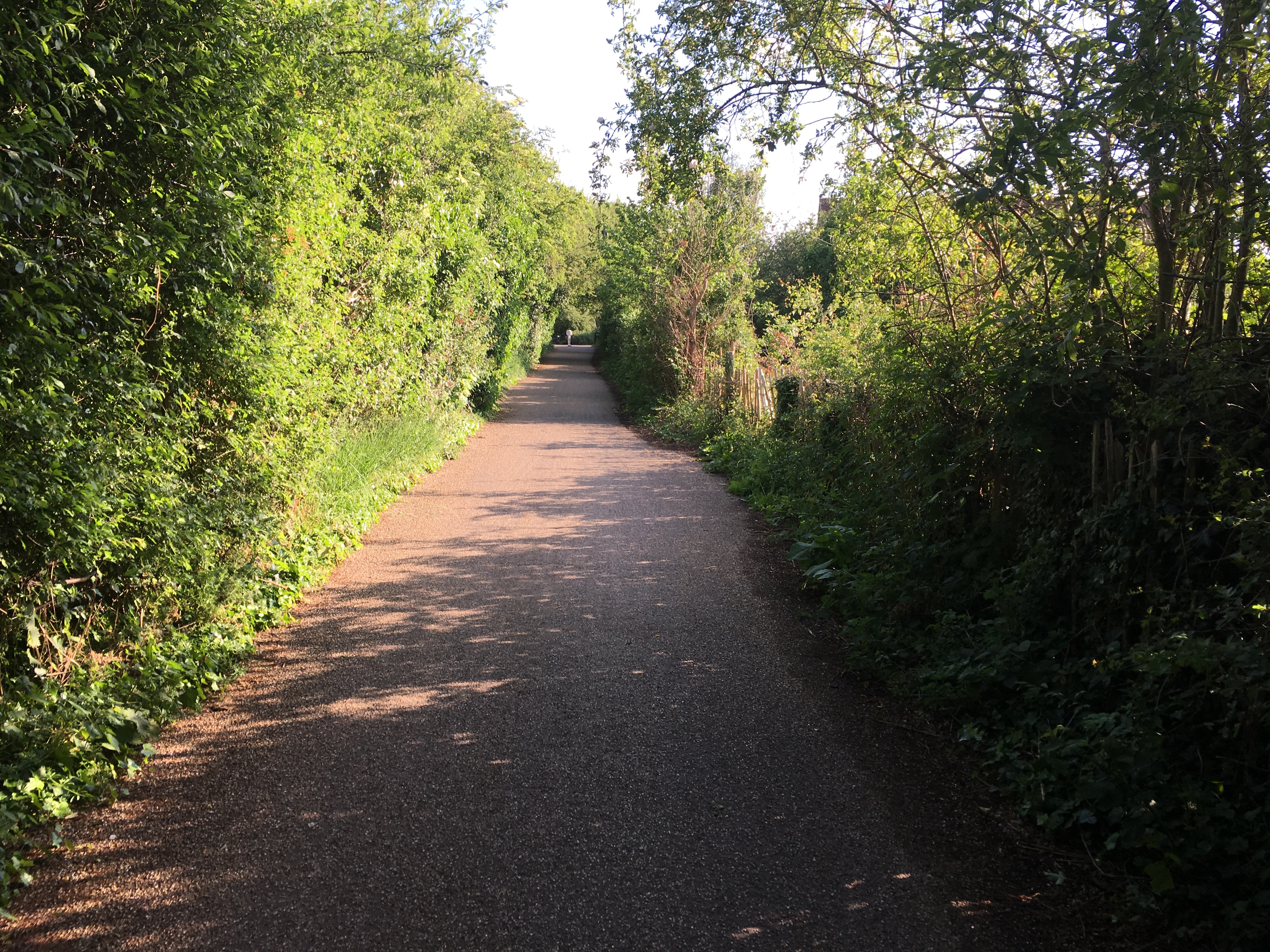
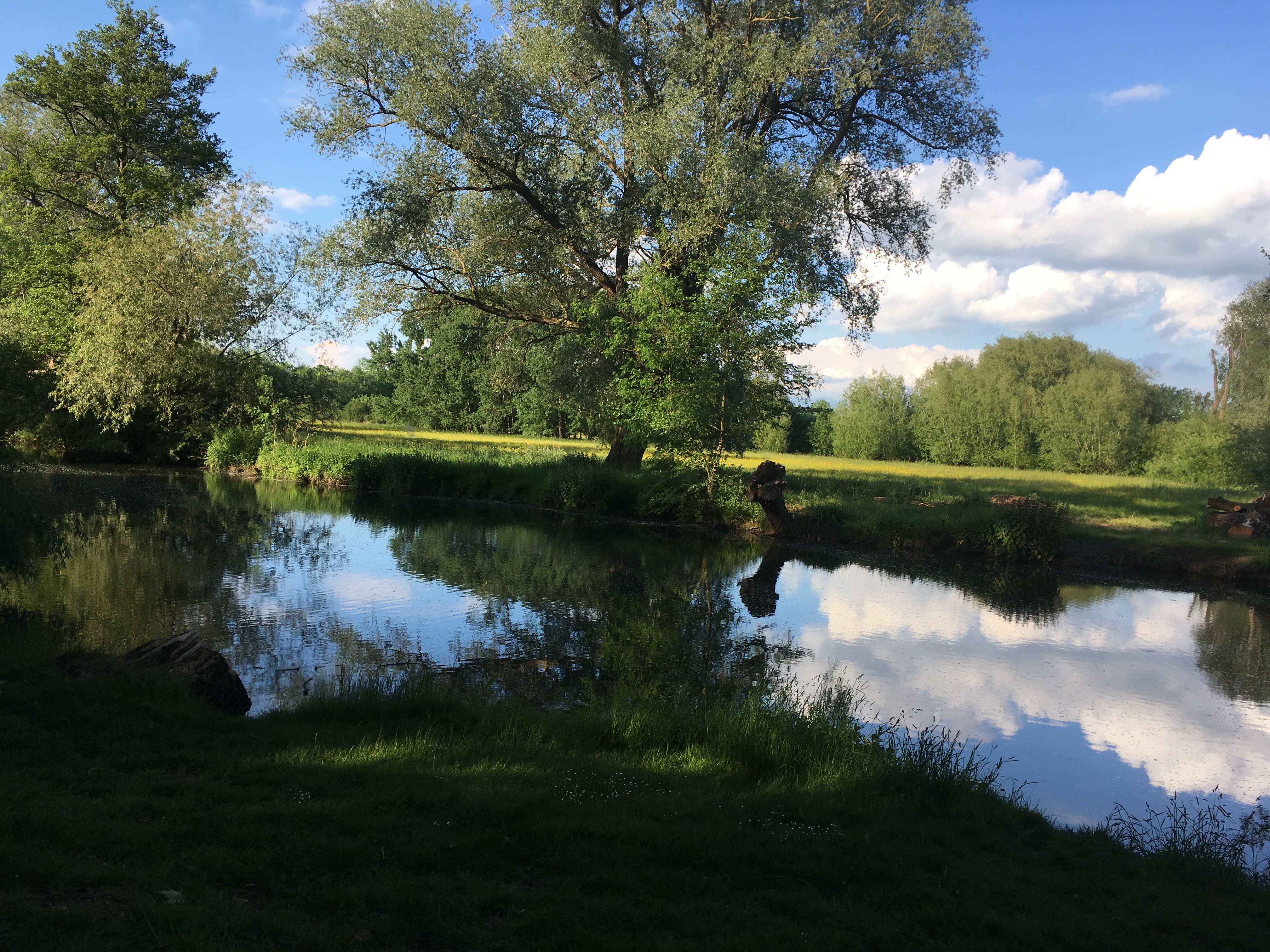
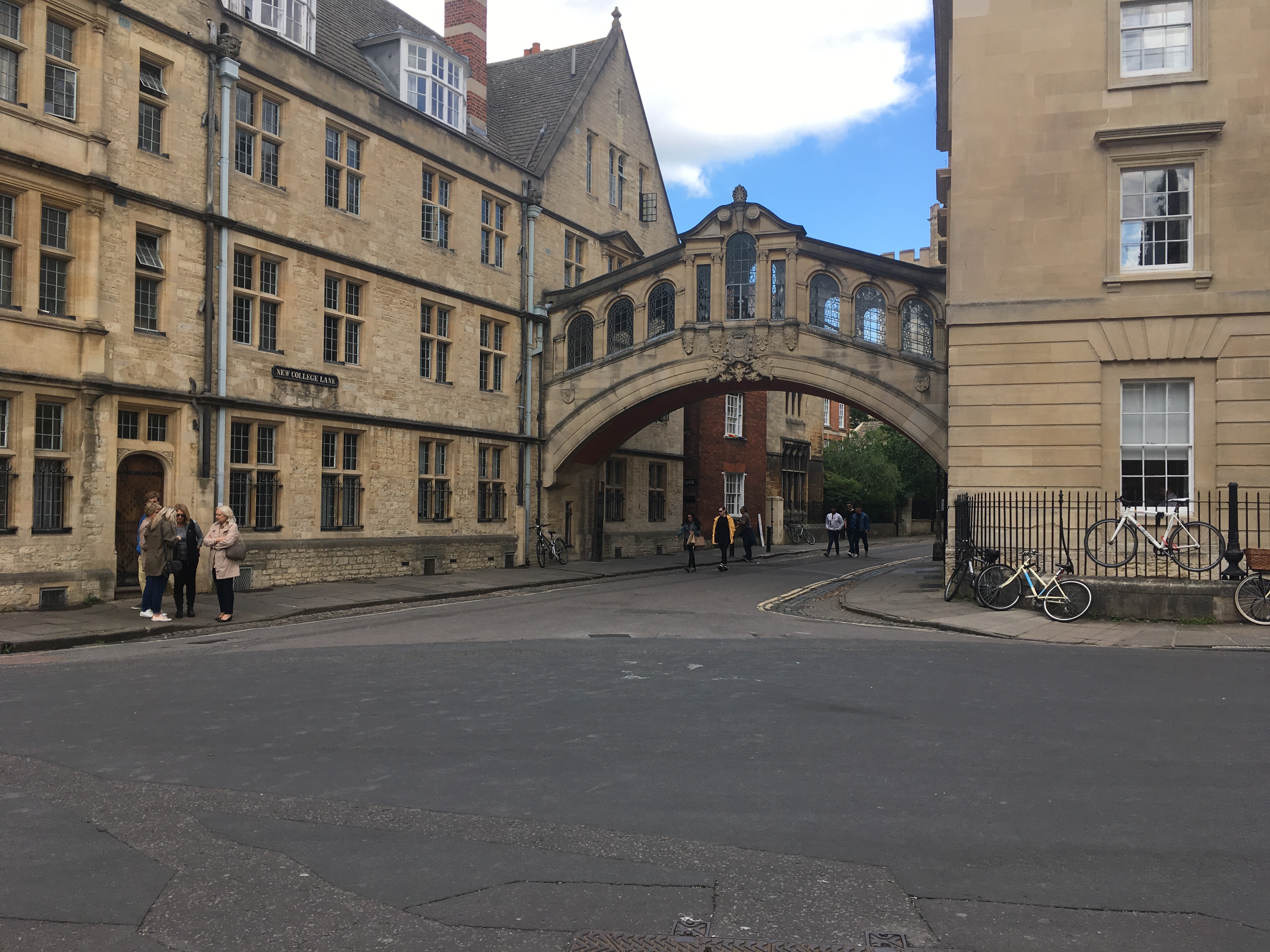
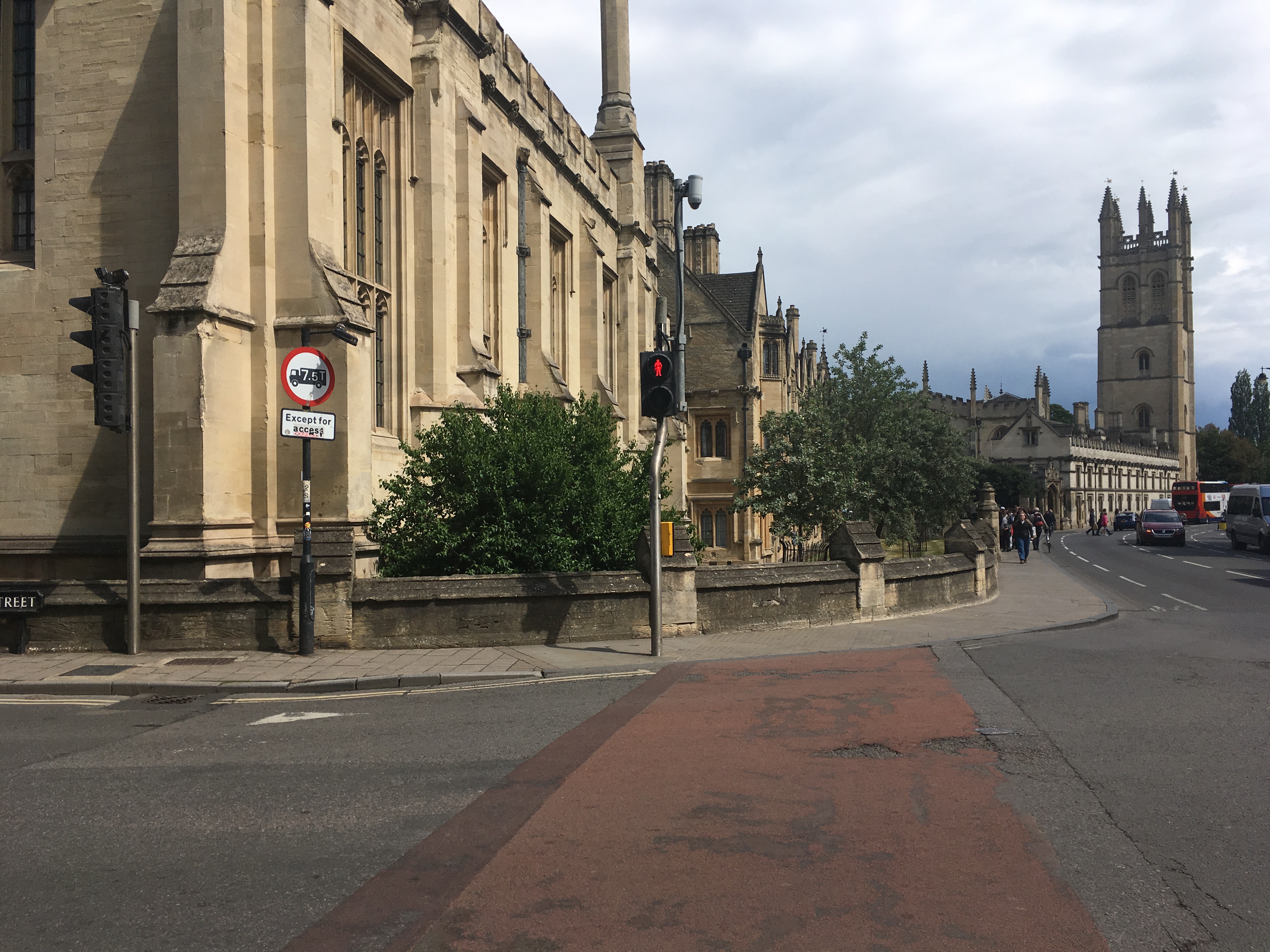
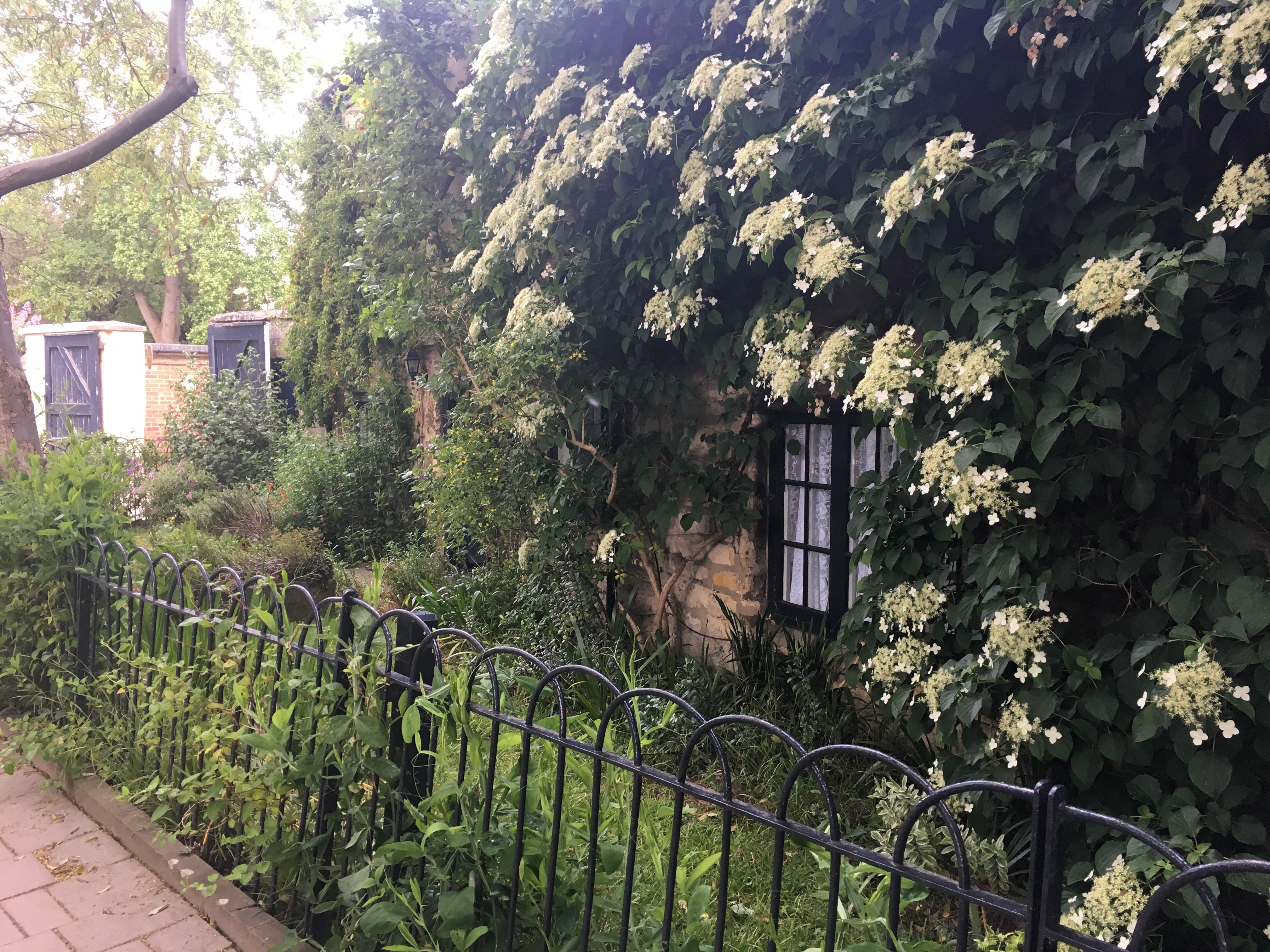
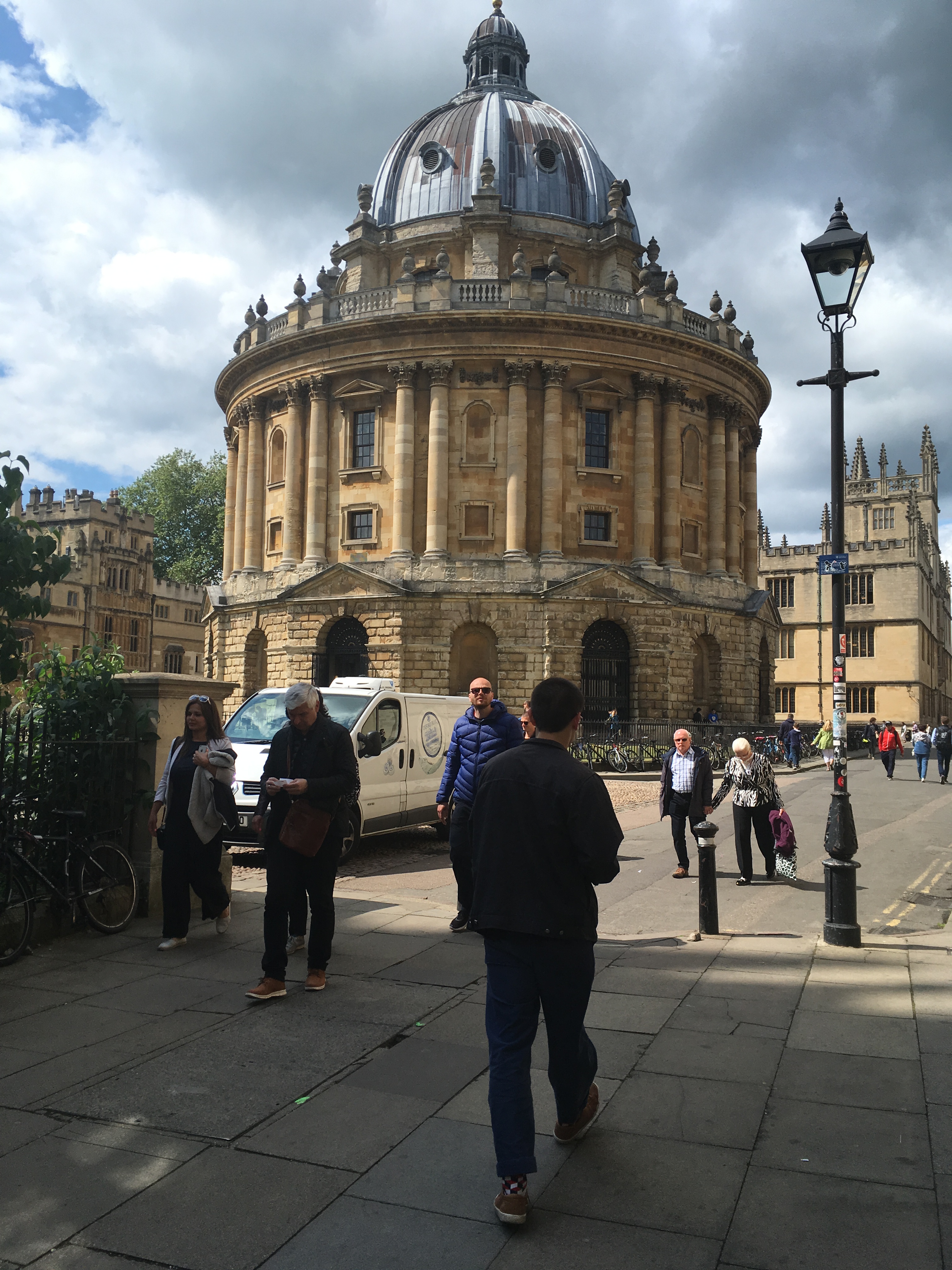
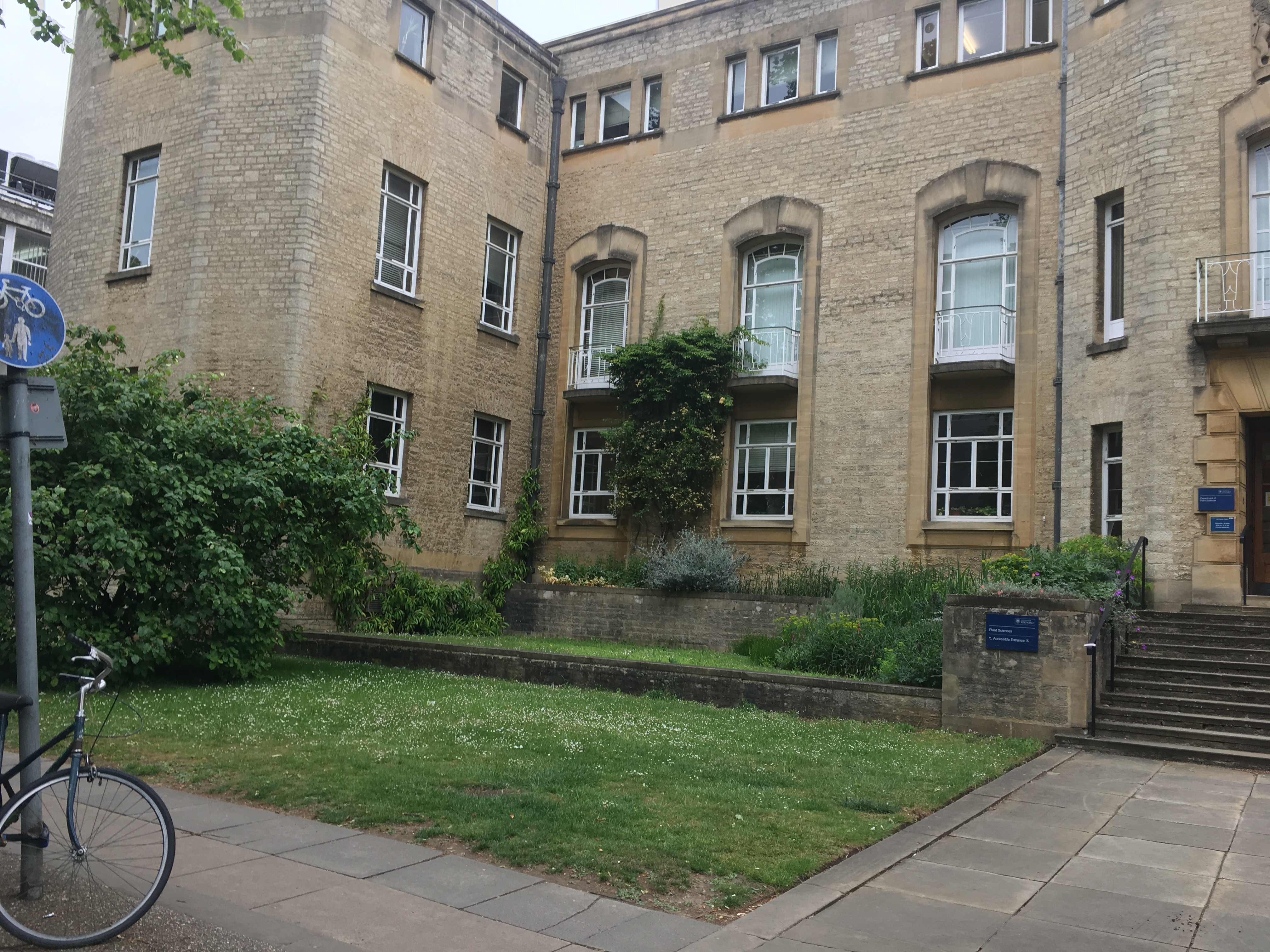
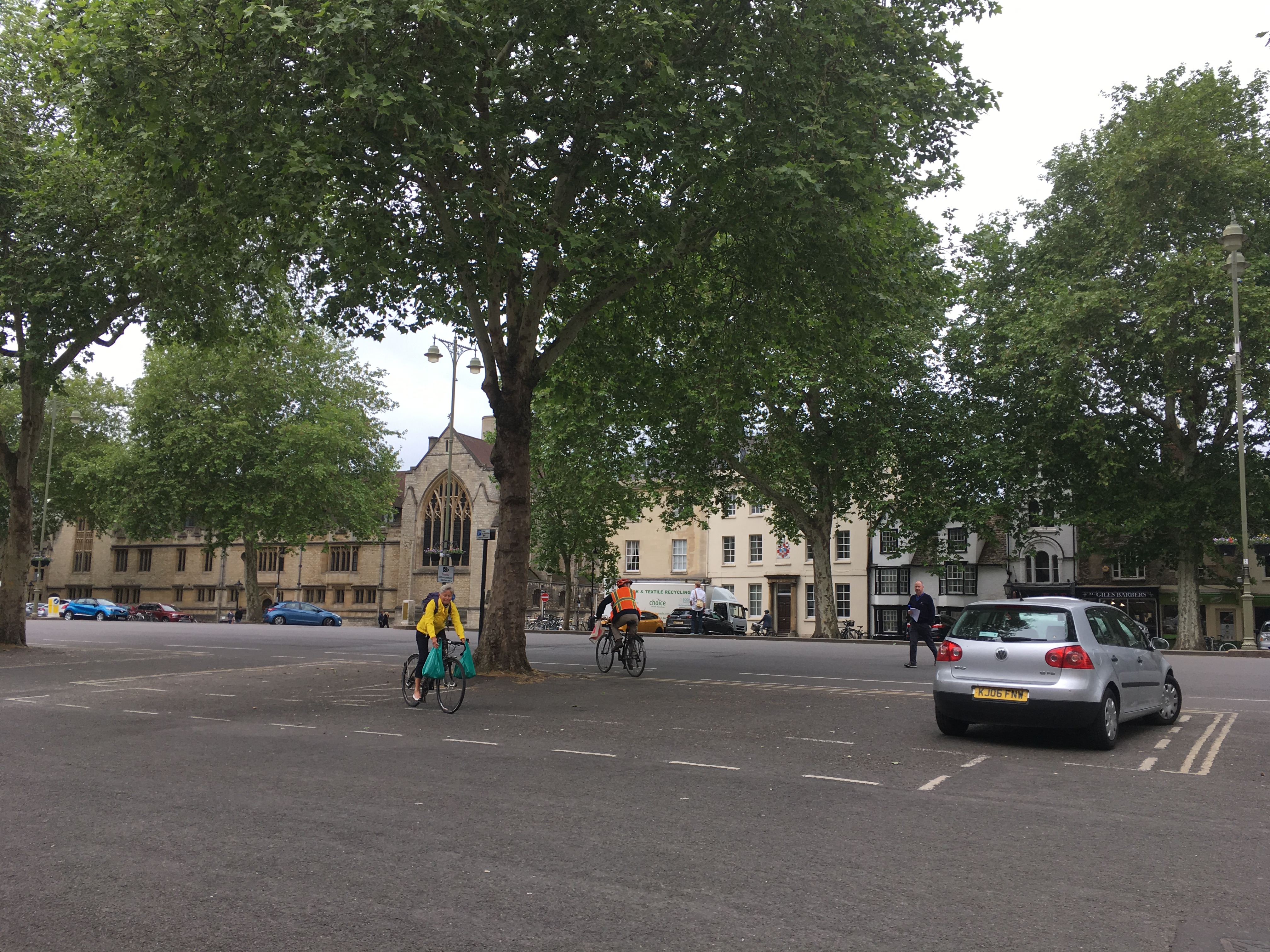
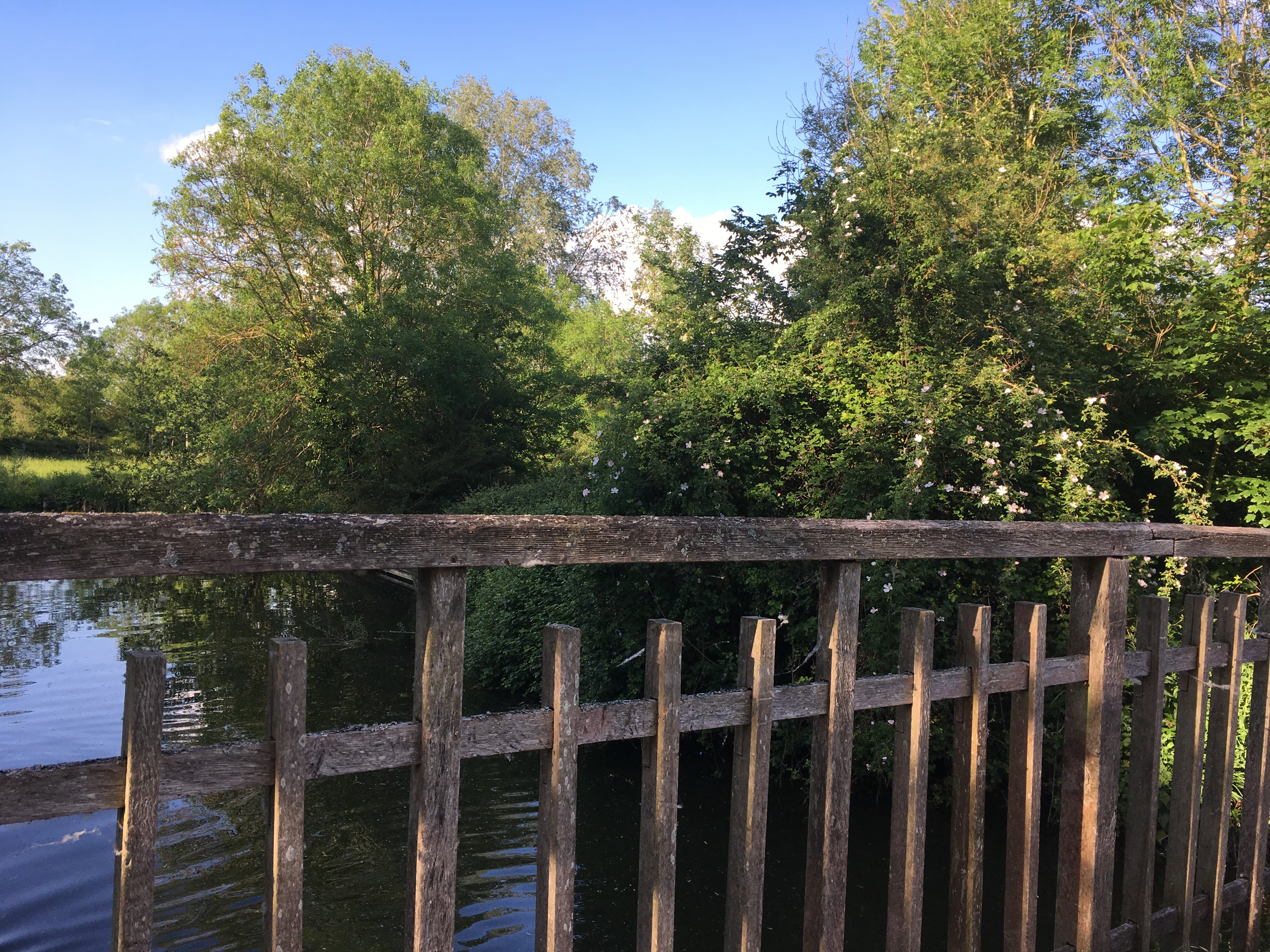
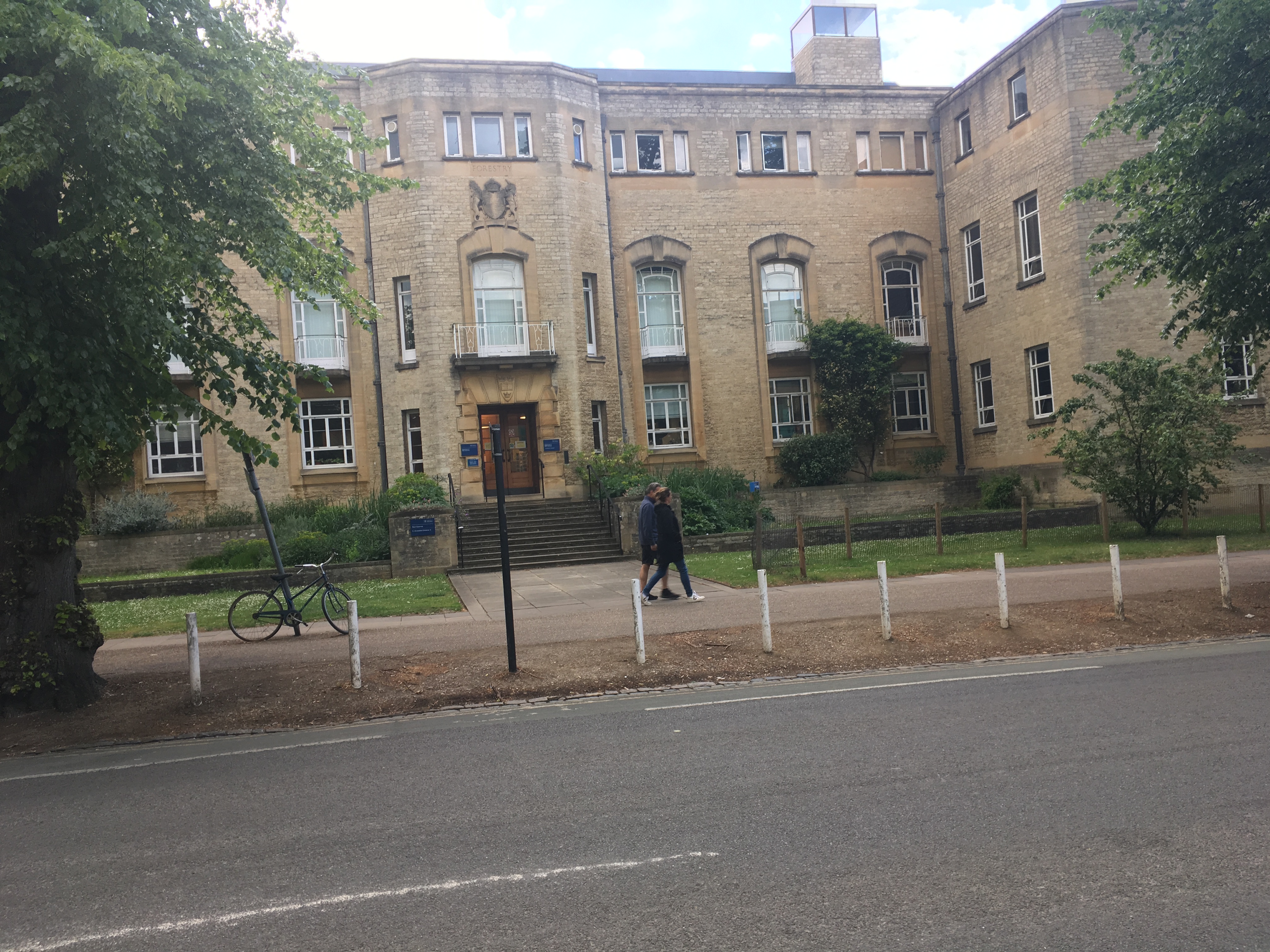
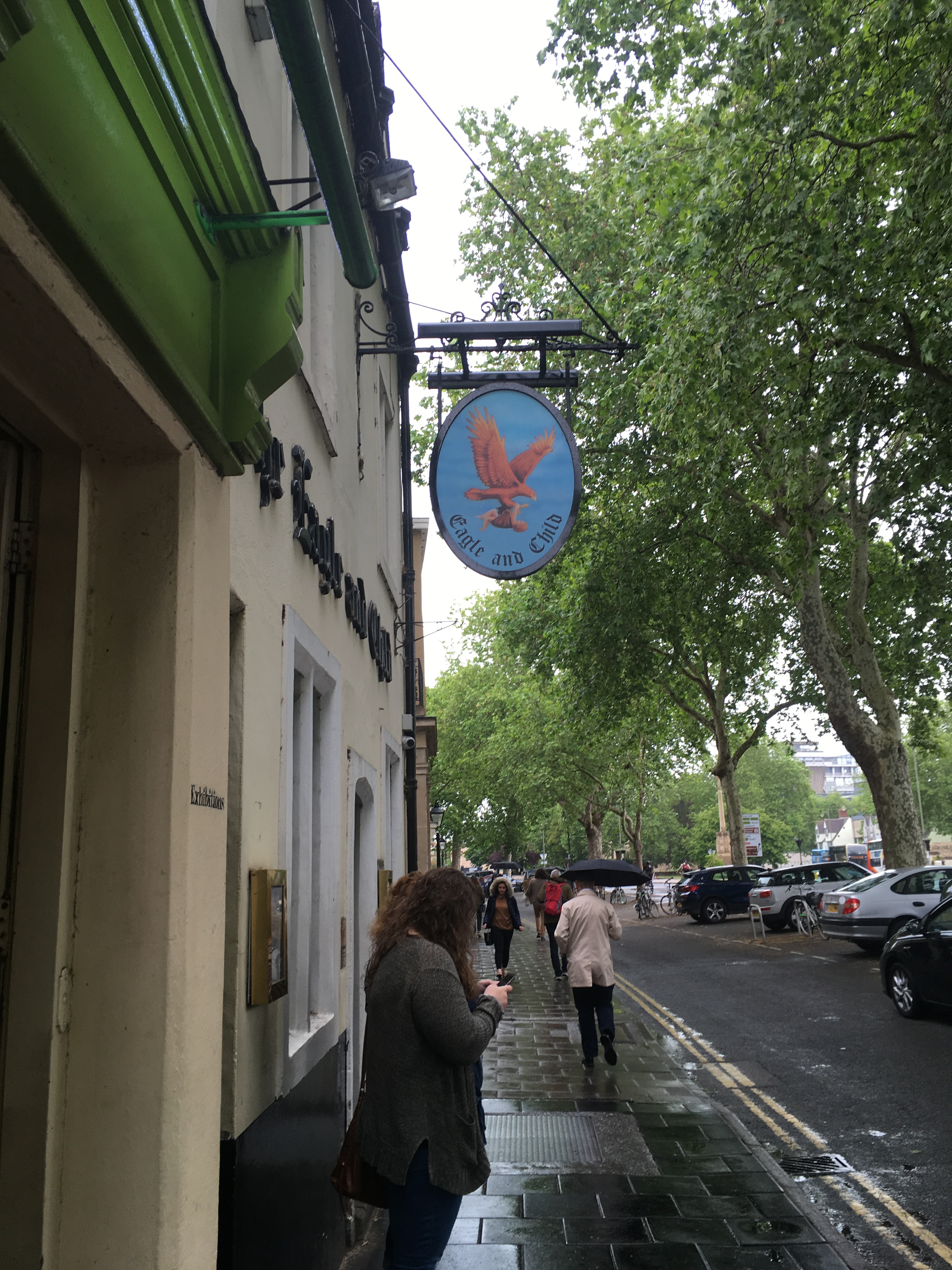
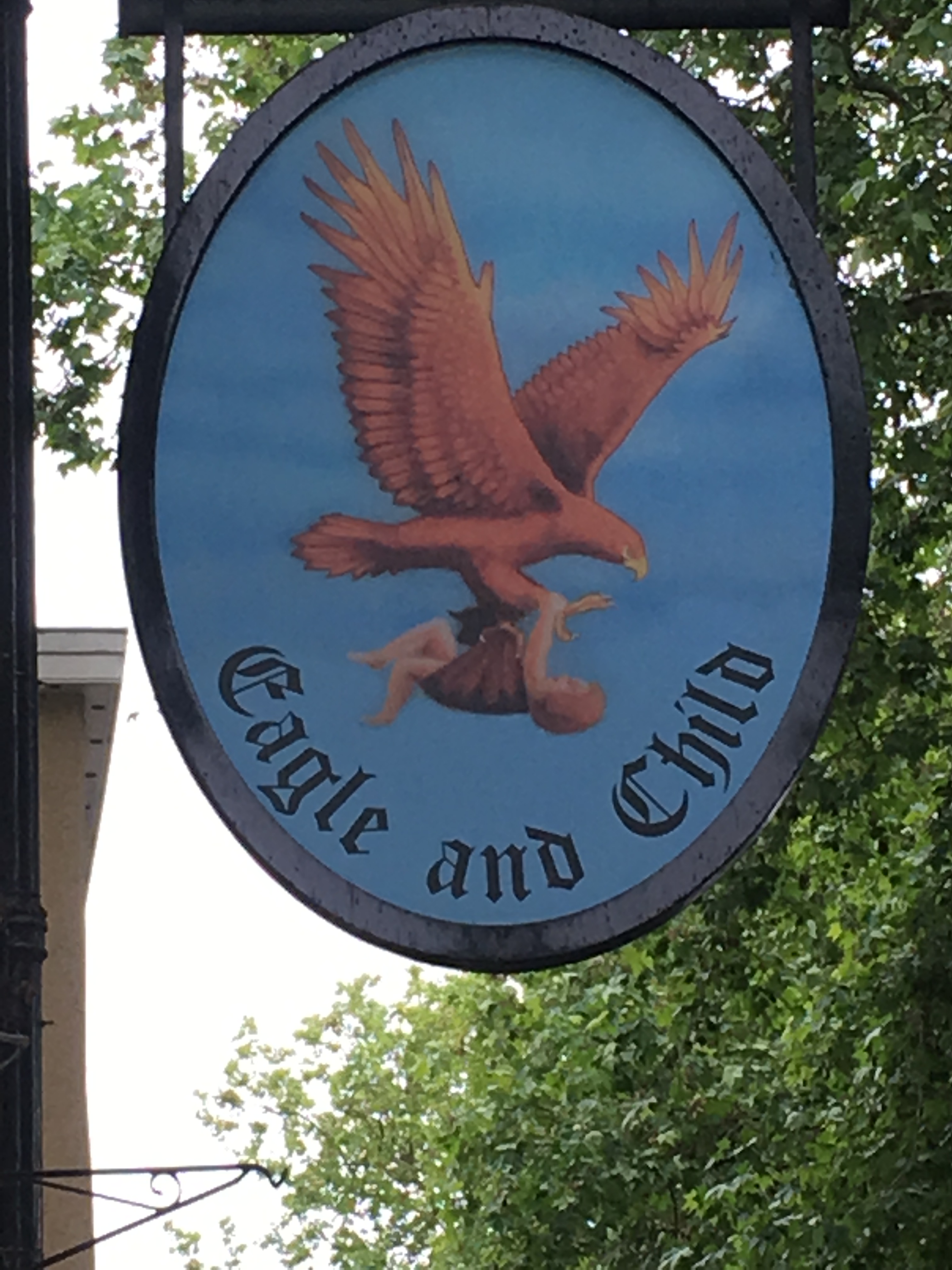
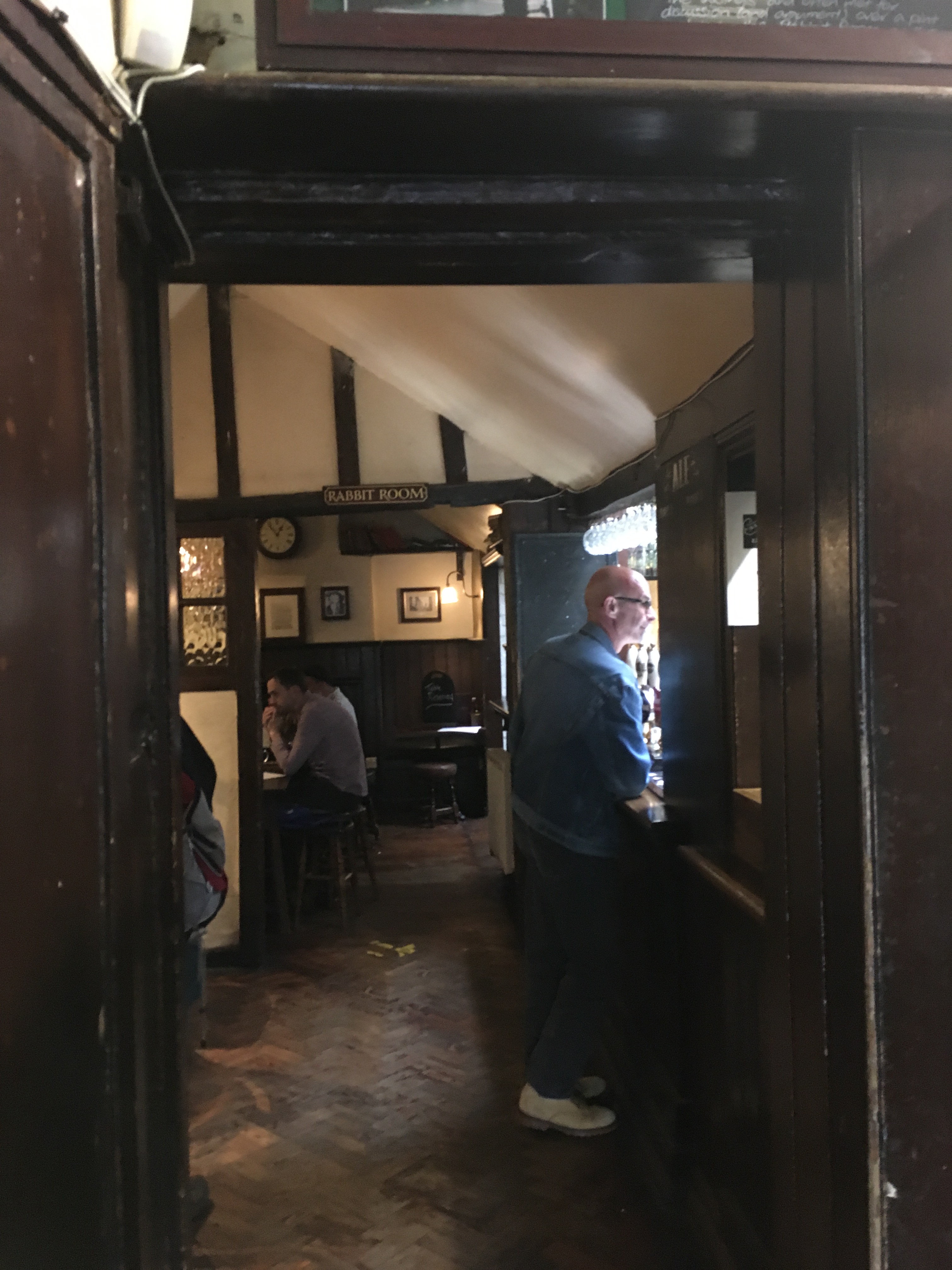
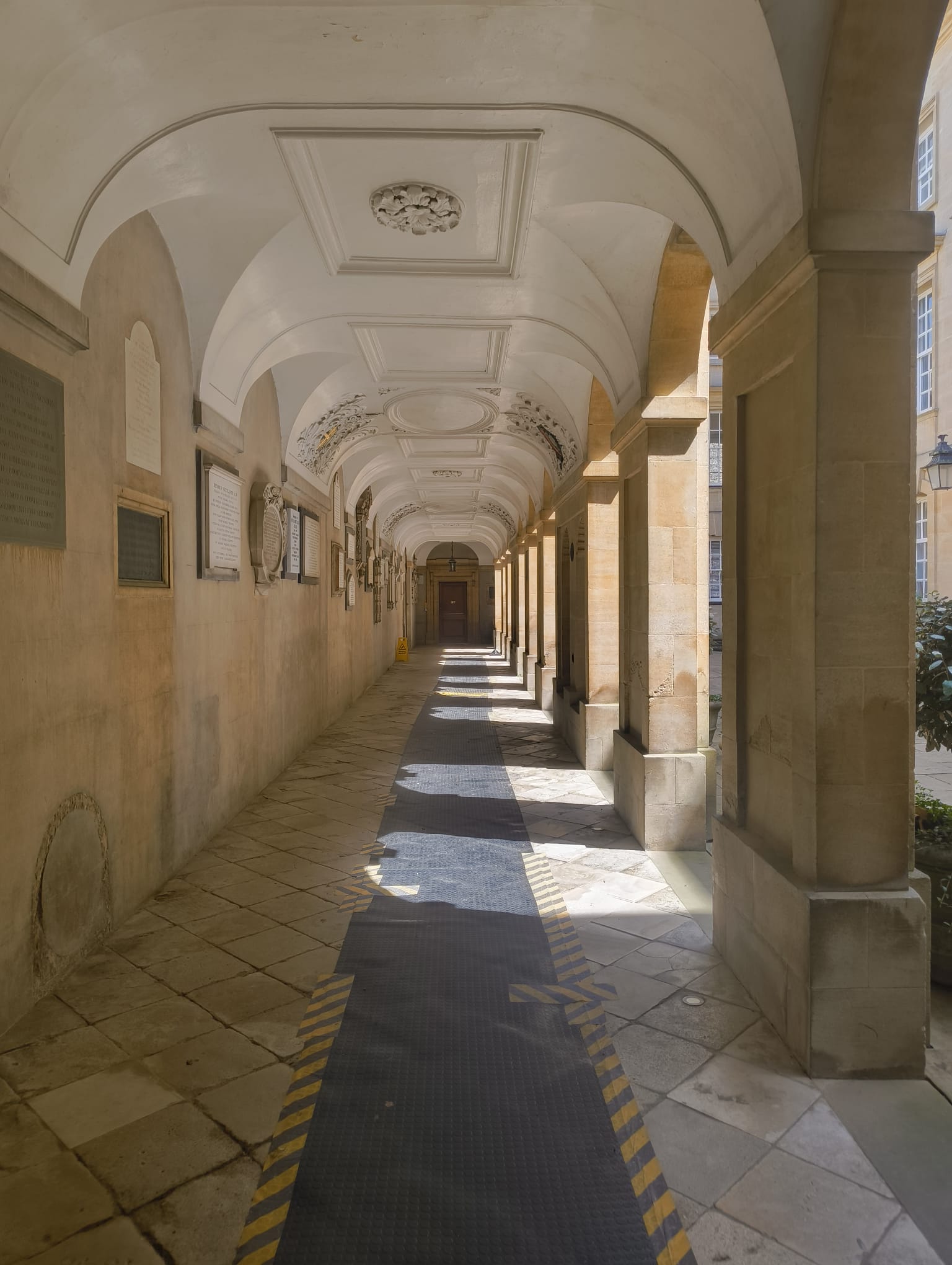
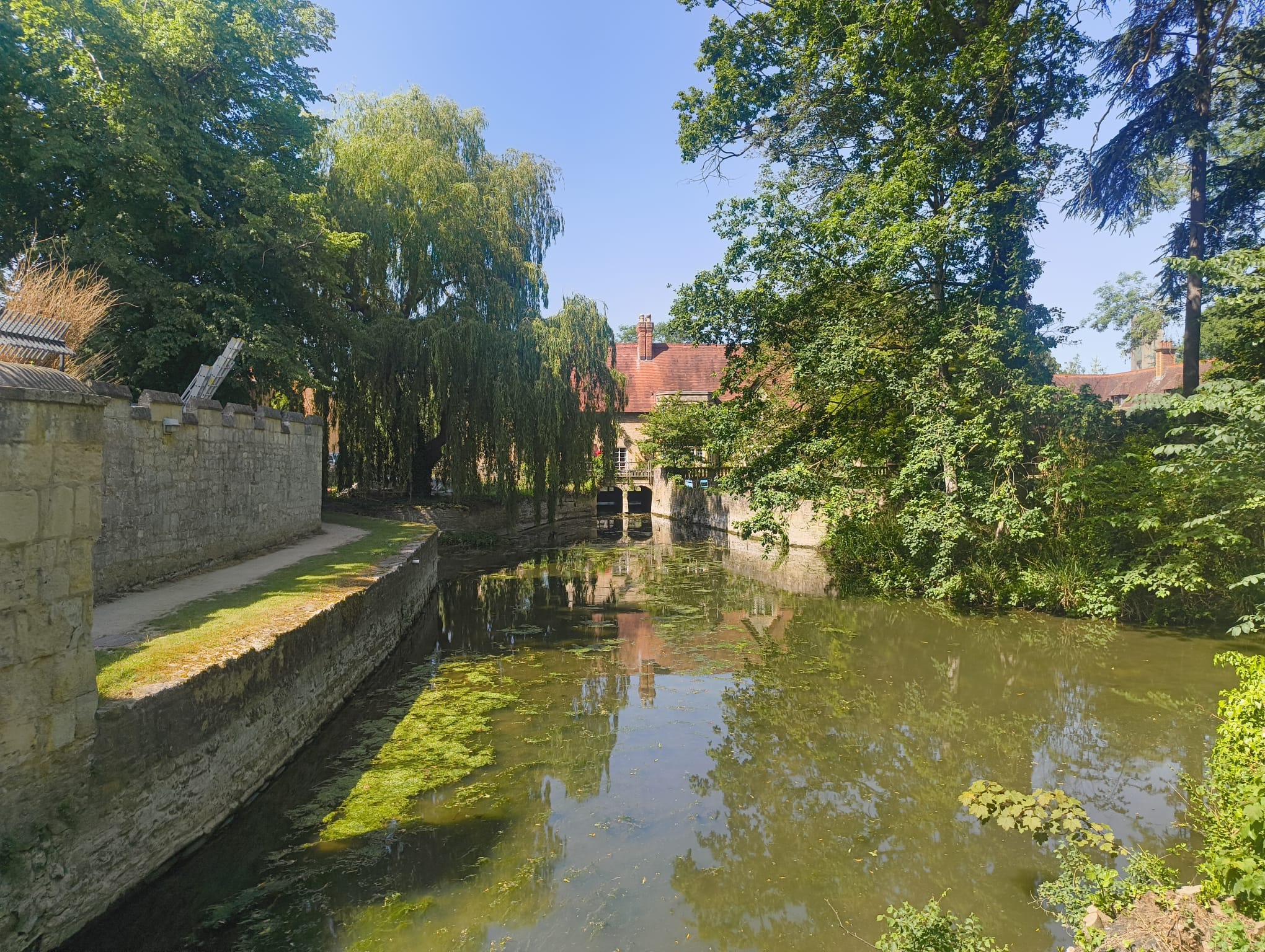
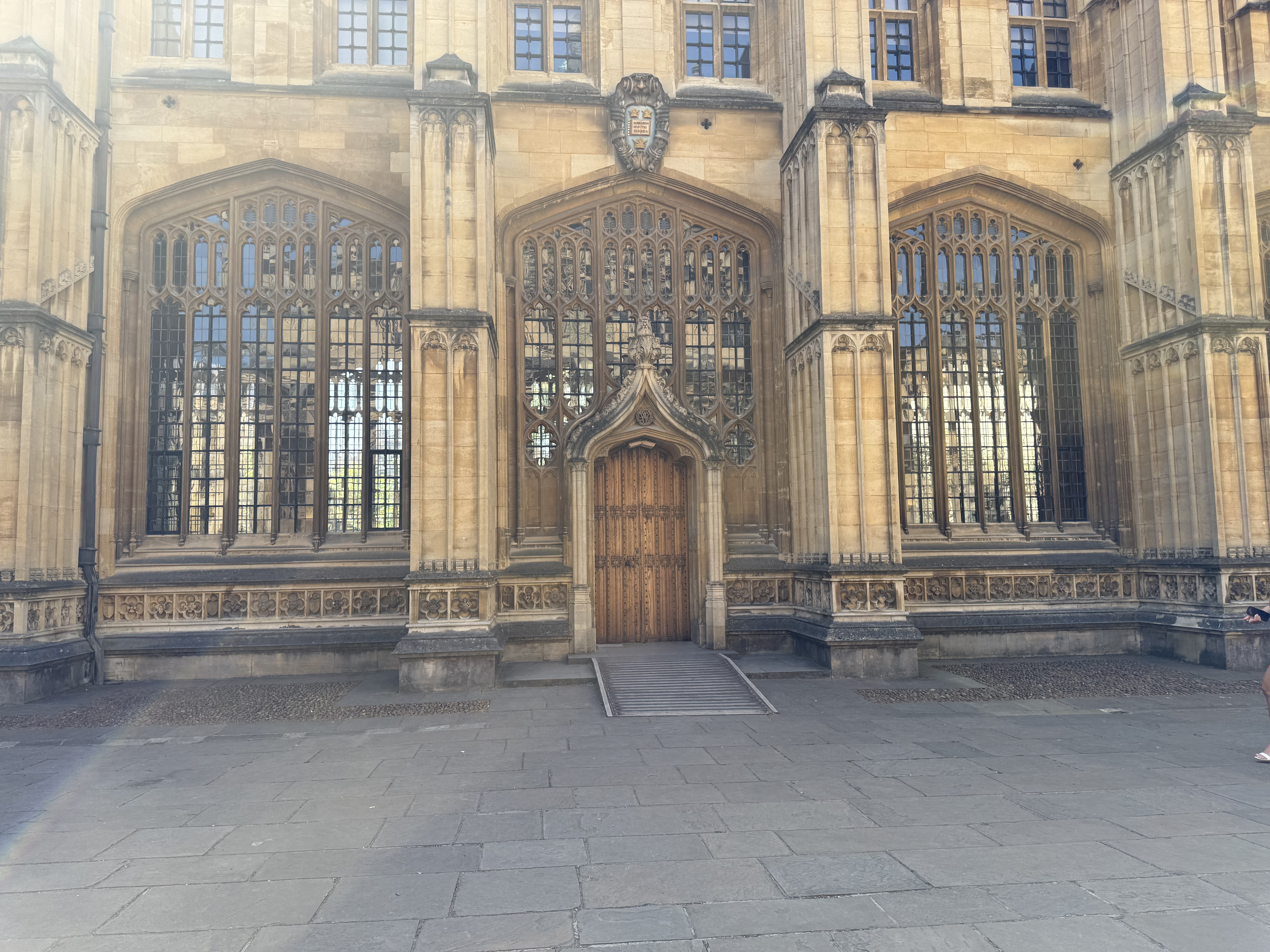
I first visited Oxford in 2019 and marveled at its poetic, carefully-cultivated beauty: majestic, ancient trees on smooth green lawns; buildings of golden-gray Cotswold stone with paved courtyards and long corridors of arched windows; red and peach roses; pert ducks and Canada geese dipping among the punters on the lazy Isis; dark wood paneling; solemn stone statues; tolling bells. During that trip, I thought a lot about the contrast between the sterility of modern secular thinking and the fertile imagination of myth-makers like the Inklings, who dreamed up stories brimming with God’s glory.
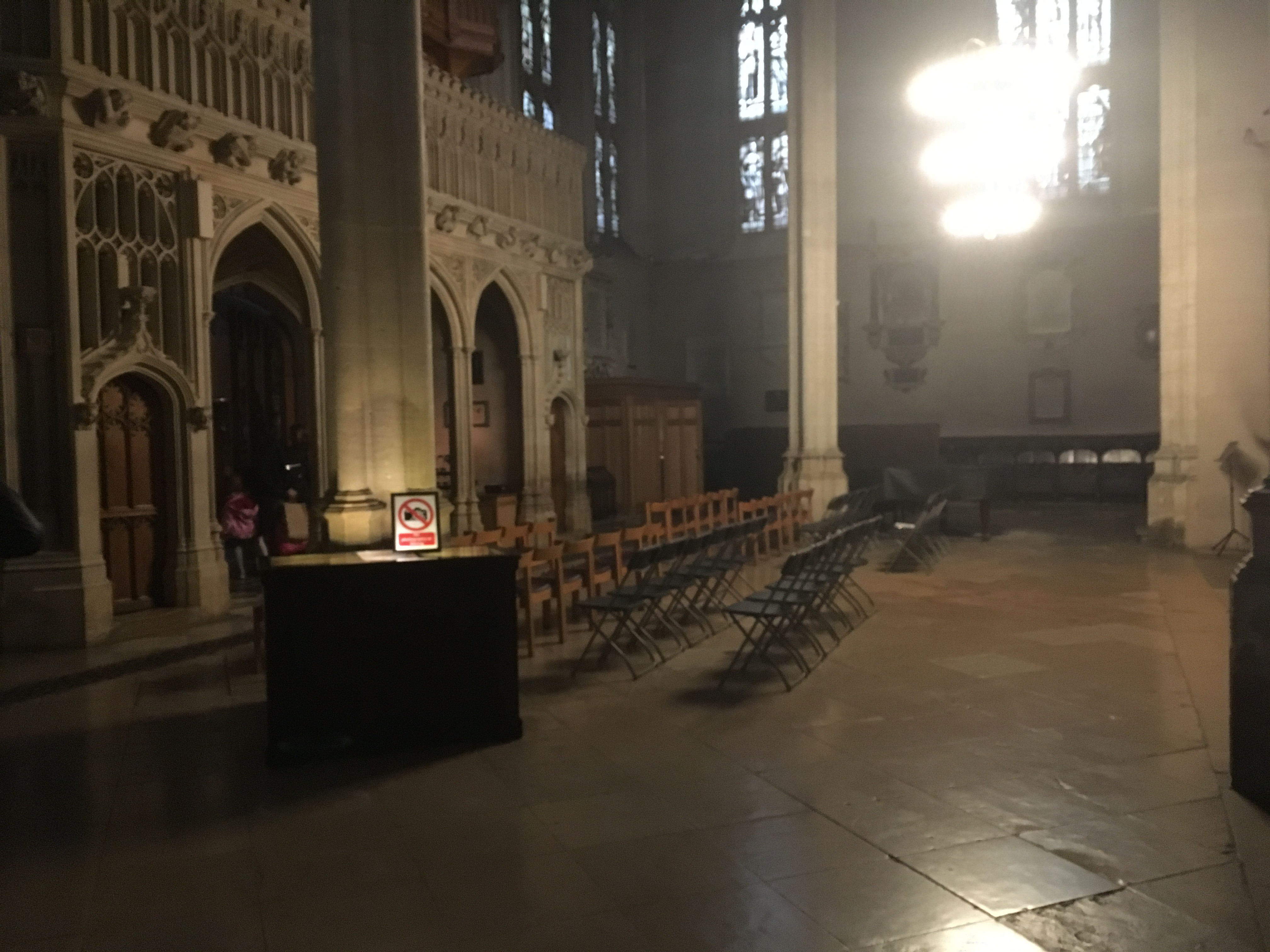
Seven years later, when I revisited Oxford at the end of May, I noticed the same contrast from a different angle. Oxford is covered with Christian symbols. Corpus Christi College, for instance, uses the pelican as its emblem (a pelican is a Christ symbol because pelicans were thought to feed their young with their own blood). “Corpus Christi” itself is Latin for “the Body of Christ.” The monument of the Oxford Martyrs memorializes their sacrifice of faith. The university’s motto is Dominus illuminatio mea, “The Lord is my light.” The stained glass windows and statues in every chapel depict Bible stories and saints’ lives. There are so many artistic and architectural signs in the town that point to Christianity, but many in Oxford don’t follow Christ. What does it mean to be surrounded by, and live in, symbols you do not believe in? I caught myself thinking of them as “dead” symbols, but they can’t really die; they can just be forgotten, ignored, or rejected.
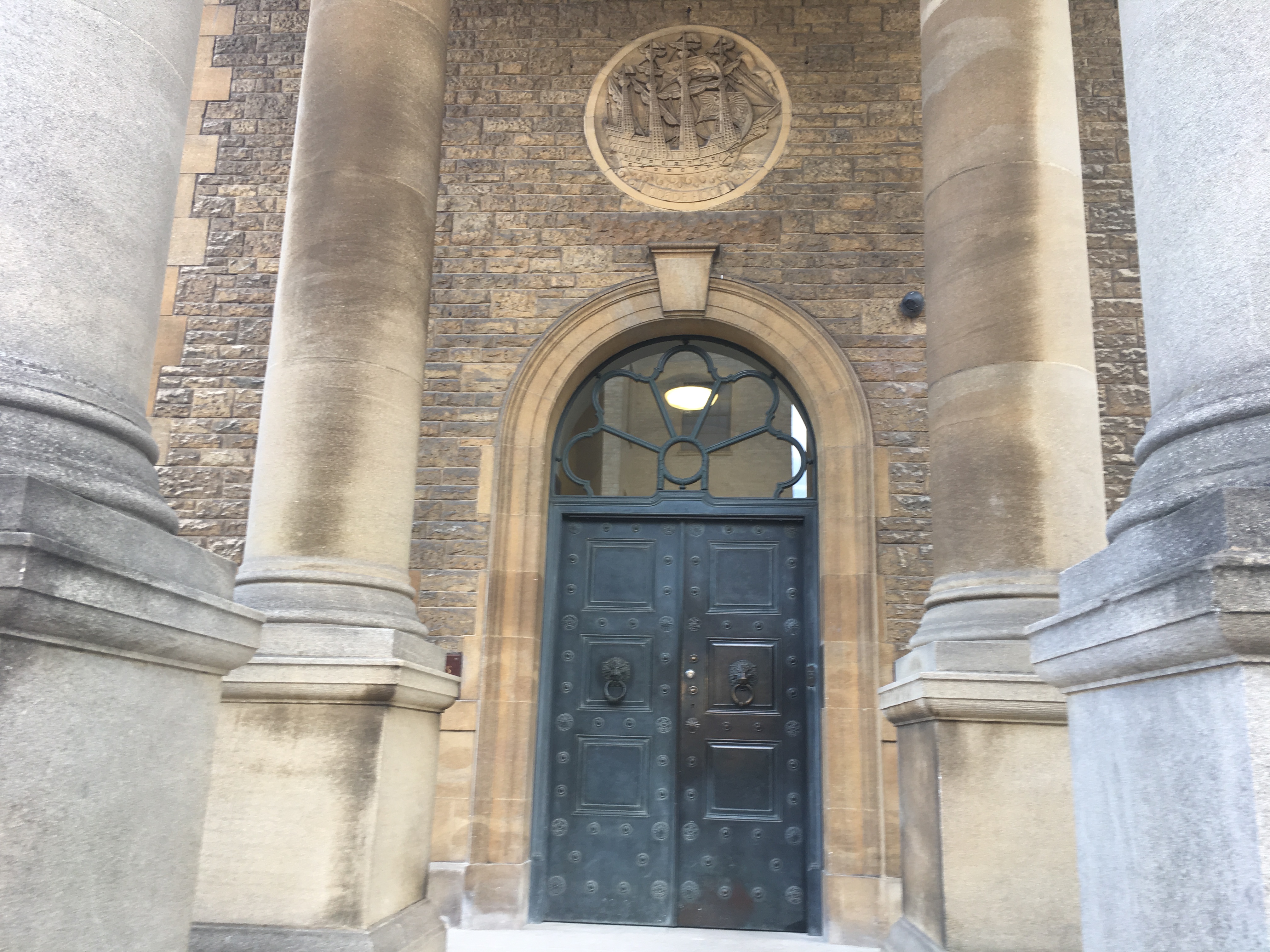
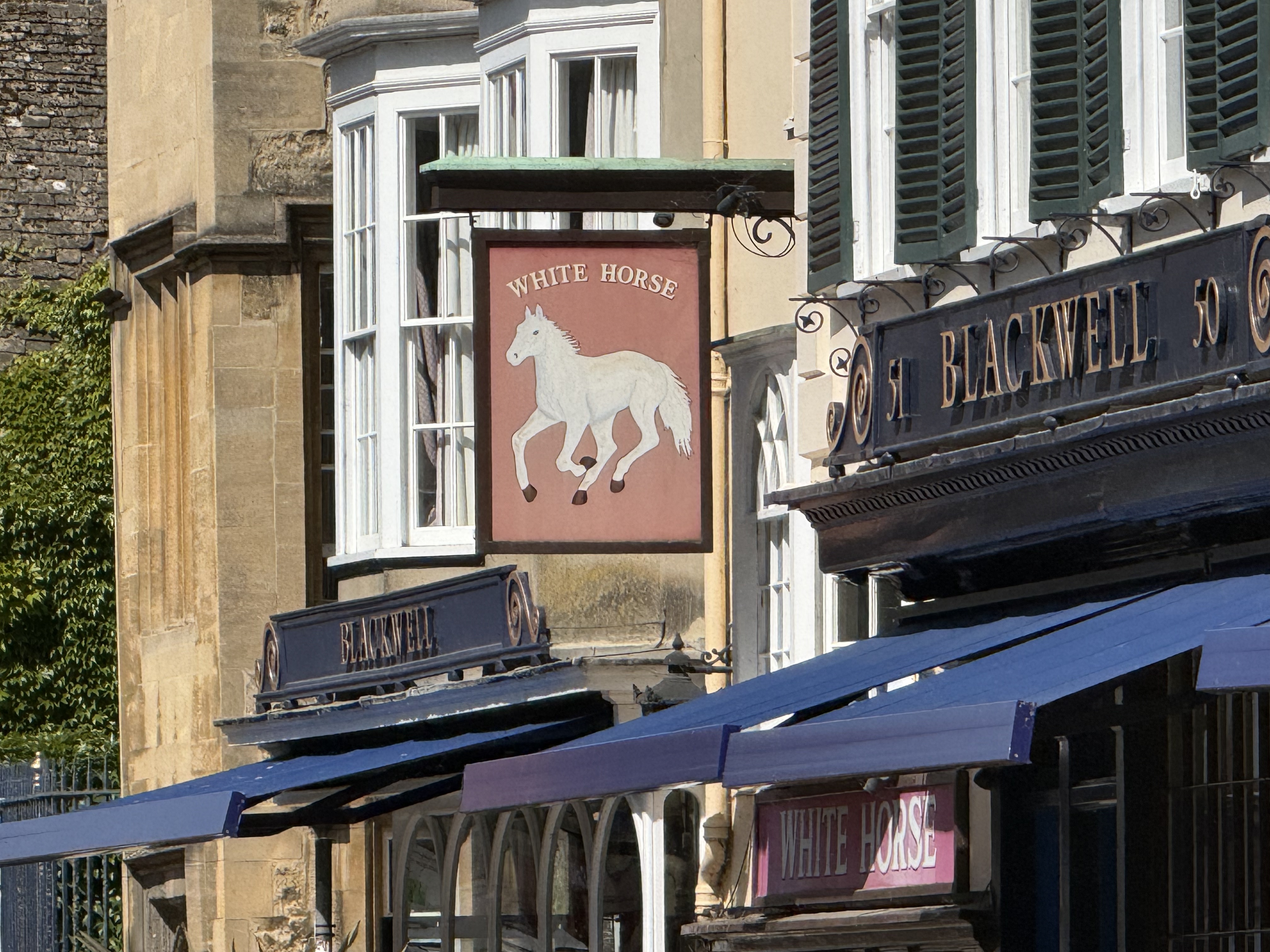
Alongside theological reflections, I found myself thinking “why not?” as we walked past paneled doors with exquisitely carved knockers, the famous lamppost down the street from a gilded faun cornice that may have inspired C.S. Lewis’s first dream of Narnia, and glimpses of green fields hazy in the afternoon sun. Why do we not make all places all over the world just as beautiful as this? Why don’t we take special care with every detail—doorknockers, weathervanes, sidewalks, street signs, lettering, windows, chimneys, awnings, drainpipes, gables, sheds, fences, guardrails, streetlights, and telephone poles—so that they are all beautiful? Oxford’s classical style is only one type of beauty, and there are certainly others, like the simple desert beauty of Spanish missions in California or the clean, minimalist style of Scandinavian architecture. But why not cultivate beauty everywhere, not just in a few places that get mobbed by tourists? (I know that “money” has a lot to do with the answer, but I think it goes deeper than that.)
The Reality in Detective Fiction
I can’t remember when I first read Murder Must Advertise, my first Dorothy L. Sayers book — to my horror, I realized in writing this that I hadn’t even logged it on my Goodreads. But I know it was after college, so in the 2017-2019 era, and it delighted me. I read it on Gutenberg Press (not the most sophisticated reading experience, but a go-to when it was too hard to get to the library) without knowing what Dorothy L. Sayers’s incredible and diverse gifts for writing and scholarship.
The mystery in Murder Must Advertise itself isn’t as simple and engaging as other detective stories like Agatha Christie’s — when the villain was revealed, I remember thinking “who was that again?” — but Sayers captured the thrill, the extravagance, the heartlessness, the noise, the pleasure-seeking, and the despair of the Roaring Twenties with breathtaking specificity. After that, I read her Gaudy Night and savored the rich golden flavor of Oxford in the 1930s, a complex and beautiful romance, and a mystery as subtle and intricate as music.
I wasn’t a stranger to Golden Age detective novels in 2019. I first discovered the genre a long time ago, under age 10, starting with Agatha Christie’s Sleeping Murder and Destination Unknown. Their lush prose, fascinating casts of characters, and satisfying comic structure felt like a rich mug of hot chocolate. But seven years ago, I found Dorothy L. Sayers and other resources that intensified that delight. Joy Clarkson’s podcast on “The Consolation of Mystery Novels” explored how the structure of a (good) detective novel matches the structure of the gospel. The classic ending of a detective novel in which the detective reveals the identity of the killer, motive, and method, either through a dramatic monologue or a suspenseful confrontation, is an apocalypse (the Greek word for an unveiling or revelation). It’s an unveiling of the truth that brings justice and a happy ending, just as the apocalypse of our world will be.
About seven years later, after sampling other Golden Age Detective novels and enjoying the Lit Life podcast’s series on Gaudy Night and Murder Must Advertise, I find myself looking for the lesser-known Golden Age detective novelists. The cream rises to the top — there’s a reason why Agatha Christie and Dorothy L. Sayers are still read today — but there are hidden gems like the works of E.C.R. Lorac, Josephine Tey, and Mavis Doriel Hay. The British Library is releasing a series of British Crime Classics with beautiful covers made from old travel posters that are worth framing on your library wall.
Whether a book with a beautiful cover, or a great audiobook with a British voice actor who can do a hundred distinct and compelling voices, I love mysteries. Here’s why:
- The structure is musical — Introduction > rising action > climax > denouement > resolution; every story has those in some way, unless it’s an artsy modern novel trying to flout the rules. I think this structure is as comforting as a good song. Its predictability is soothing rather than boring. An act of evil has been done, and the main characters cannot rest until the killer is found and justice is done. Then, peace is restored — and in many of the books, the ongoing romance has a twin climax of marriage that sweetens the happy ending.
- The mystery and the background together make a rich tapestry — You have to have a good mystery; a strange death or crime with one element that does not make sense, a detective who combines intelligence with luck and sometimes a unique skill, a surprising but believable villain, and a satisfying resolution. But the best mysteries are so tightly woven into the geography, history, and culture of their time that they go much deeper. For instance, in one of E.C.R. Lorac’s novels, Murder by Matchlight, someone asks the detective on the case why he bothers with solving crimes when England is at war. His answer is beautiful: because a just society is part of what Britain was fighting for. Agatha Christie is a master of linking older stories or poems like Keats’s “La Belle Dame Sans Merci” and mixing them with modern events like World War I to create the deep background. Dorothy L. Sayers weaves in theology, current culture, myths, fairy tales, legends, and medieval literature. Try to make the story too much about that cultural/literary/theological background, and you’re in danger of your story becoming a lecture; but if you only have the mystery without that background, it loses those layers of meaning. Good detective stories have both.
- The details are powerful — As Angelina Stanford, Thomas Banks, and Cindy Rollins noted in their series on Murder Must Advertise, detective stories are deeply concerned with physical details: the footprints, the bloodstains, the odd change of clothing, the distance between roads, houses, and cities. They offered an amazing insight about that in their introductory episode: after World War I, many rejected the idea that the physical world has inherent meaning . . . but then, the detective fiction genre, which is all about physical details having meaning as clues, became wildly popular.
- The strange skills that help the search for truth — The detectives that are the most fun to watch are the ordinary civilians with some unique skillset that lends itself beautifully to crime-solving. I love it when gardening, interior decorating, puzzle-making, acting, or other unexpected skills are the key to finding clues and making deductions. I think it speaks to how every human’s unique gift can lead to truth-finding and beauty-making.
If you’re a fan of Agatha Christie and Dorothy L. Sayers and want to try other Golden Age authors, I can’t vouch for the quality or estimate the level of violence of all of them since I haven’t read them all. But I would start with Crook O’Lune, a mystery set in Lancashire (and especially satisfying if you’re a fan of the All Creatures Great and Small Masterpiece TV show). You’re in good hands with E.C.R. Lorac and thoughtful, honorable, decent, and humble Chief Inspector Robert Macdonald. Josephine Tey’s The Singing Sands is another good one set in Scotland.
Inspiration is a Gift
In 2019, I would jot down stray worldbuilding notes and setting descriptions in tiny letters in my work notebook next to my notes from work meetings and technical documents. A long commute and some boring cubicle days while I was learning the craft of technical writing gave my brain a lot of empty space to fill with dreams. I read G.K. Chesterton essays, Robert Frost’s poetry, George MacDonald’s Phantastes, and lots of other books; listened to podcasts about the Inklings, entrepreneurship, imagination, and current culture; and tried to write. I didn’t write my first novel manuscript until a few years later, but I did publish a couple of short stories in that period that I’m still proud of.
Wonder was my defense against boredom and restlessness. I would look up at the heavy, fragrant blooms of pink cherry trees, the diamond sparkles of the sun on the ocean in the mornings, and think about all the places I wanted to travel to and stories I wanted to write. I had just started taking Jonathan Rogers’s writing classes, and he taught his students to notice and capture particular, concrete details. I remember noting how the sunlight streaming through rippling water turned into a dancing golden web of light on the sandy bottom of a lake, and a coworker’s eyeglasses were so powerful that they distorted anything you saw through them.
Now, seven years later, I’m trying to observe and remember with that level of intensity again: the sight of a motorboat floating in the glittering water under blue mountains; granite boulders that sit just under a lake’s surface and glow like gold in the sunlight; bright goldenrod and elegant Queen Anne’s lace nodding in a ditch beside the road; a green-gray hummingbird flittering and twittering among the leaves.
In 2019, ideas would come bubbling up in my mind like a freshwater spring. I could take something I knew and turn it into a setting and situation with characters who seemed to live and speak on their own. In the past few years, I had a season of writer’s block that felt like waiting at an empty train station. I had the time, will, and energy to write the kind of beautiful books I’ve wanted to write for years . . . but no ideas were coming. I tried to force myself to create stories through sheer willpower, but couldn’t.
Now, in this “rhyming” year, I’m starting to feel a trickle of inspiration again. Last December, I was shocked to find a story idea, something substantial enough for a novel or maybe even a book series, fall into my head. I had forgotten what that felt like. It plunged me into months of research into the lives of some famous scientists, the fascinating medieval concept of “the music of the spheres,” and medieval cosmology. I don’t know if the germinating story I’m working on will get finished, but being able to write again feels like finally opening a long-locked door.
Greek mythology tells of nine Muses who inspired poets, artists, historians, writers, dancers, and other creators. I don’t believe in literal Muses, but I like that understanding of inspiration more now that I know how precious ideas are. There is something in storytelling that is beyond the writer’s control. You can schedule quiet time in your day, get enough sleep, read Shakespeare or watch Studio Ghibli or take up watercolor painting or many other attempts to put yourself in a creative mood, but you can’t force story ideas to come to you. Like opportunities, or friendships, or children, ideas are gifts from God.
Final Thoughts
2026, like 2019, has also been a season of change and uncertainty. The great thing about this season is that all the past seasons of waiting have prepared me for this one. It doesn’t make it easy, but it gives me a deep peace that at the right time, all my decisions, ponderings, and possibilities will crystallize into a path forward.
A good rhyme feels just right, like the last note of a stirring song or the final taste of a scrumptious dessert. This rhyming year has had its challenges, but it has also felt just right; a season of abundance, thankfulness, and the golden resonance of memory.