Wars and Weddings

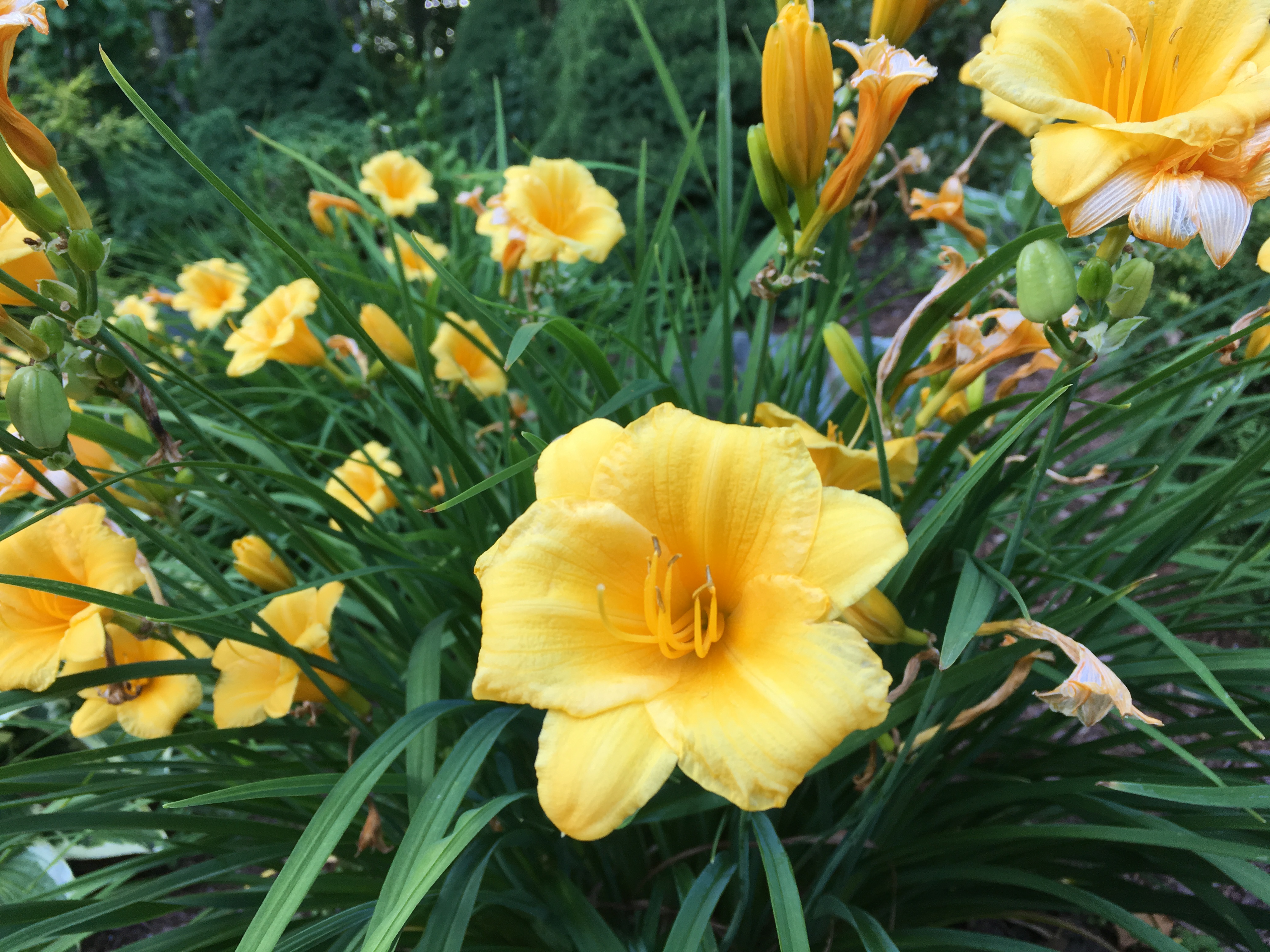
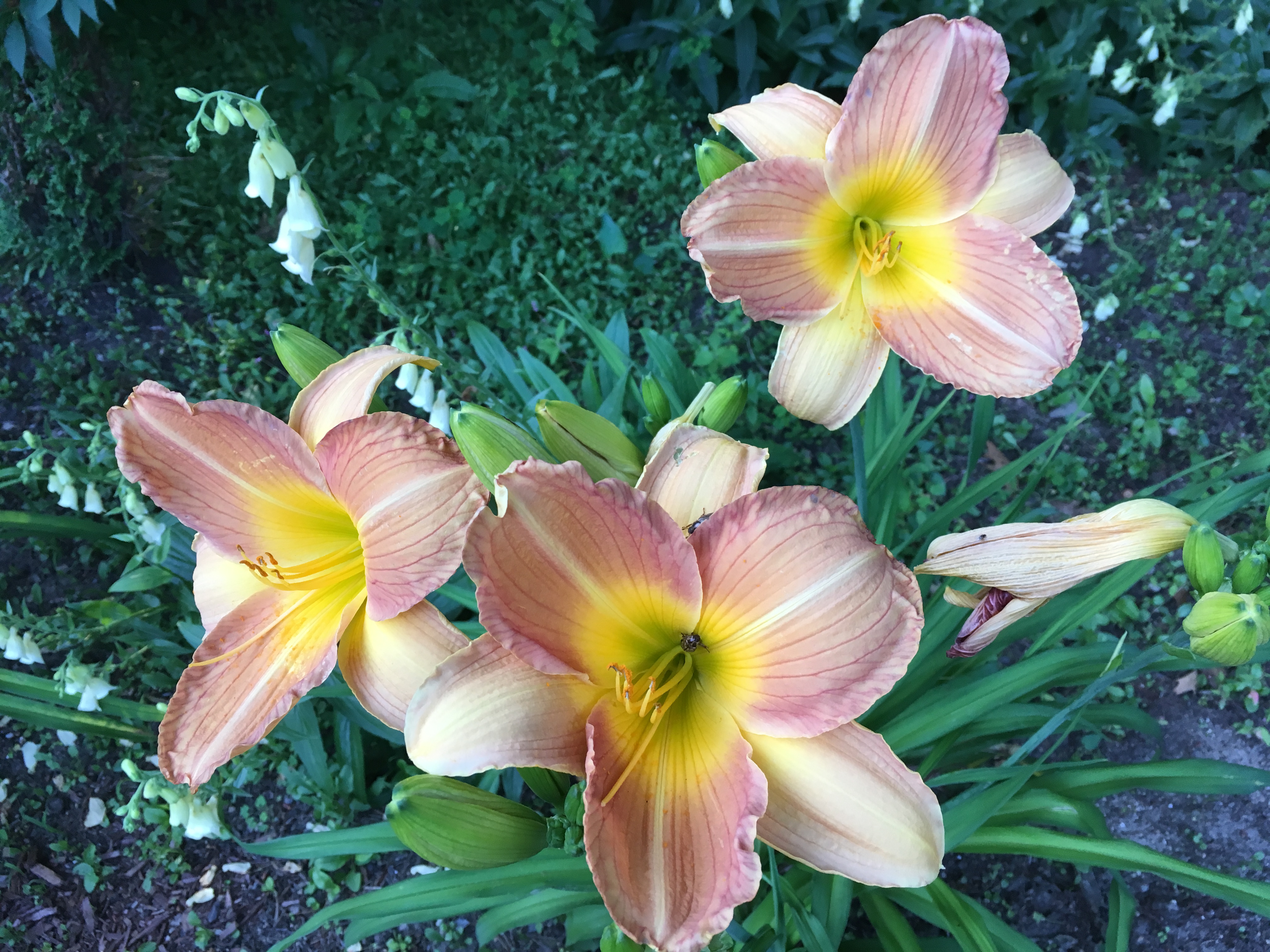
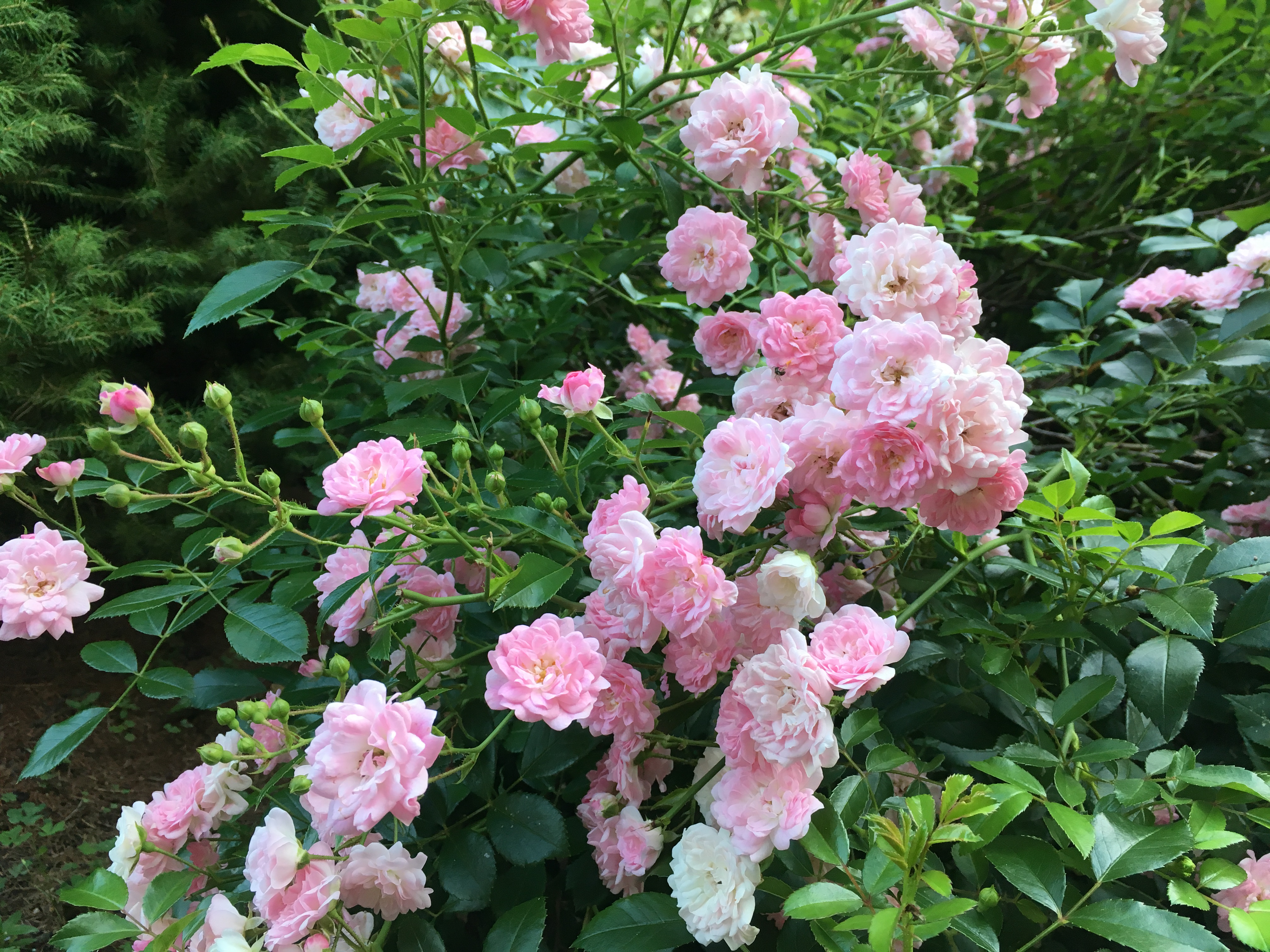
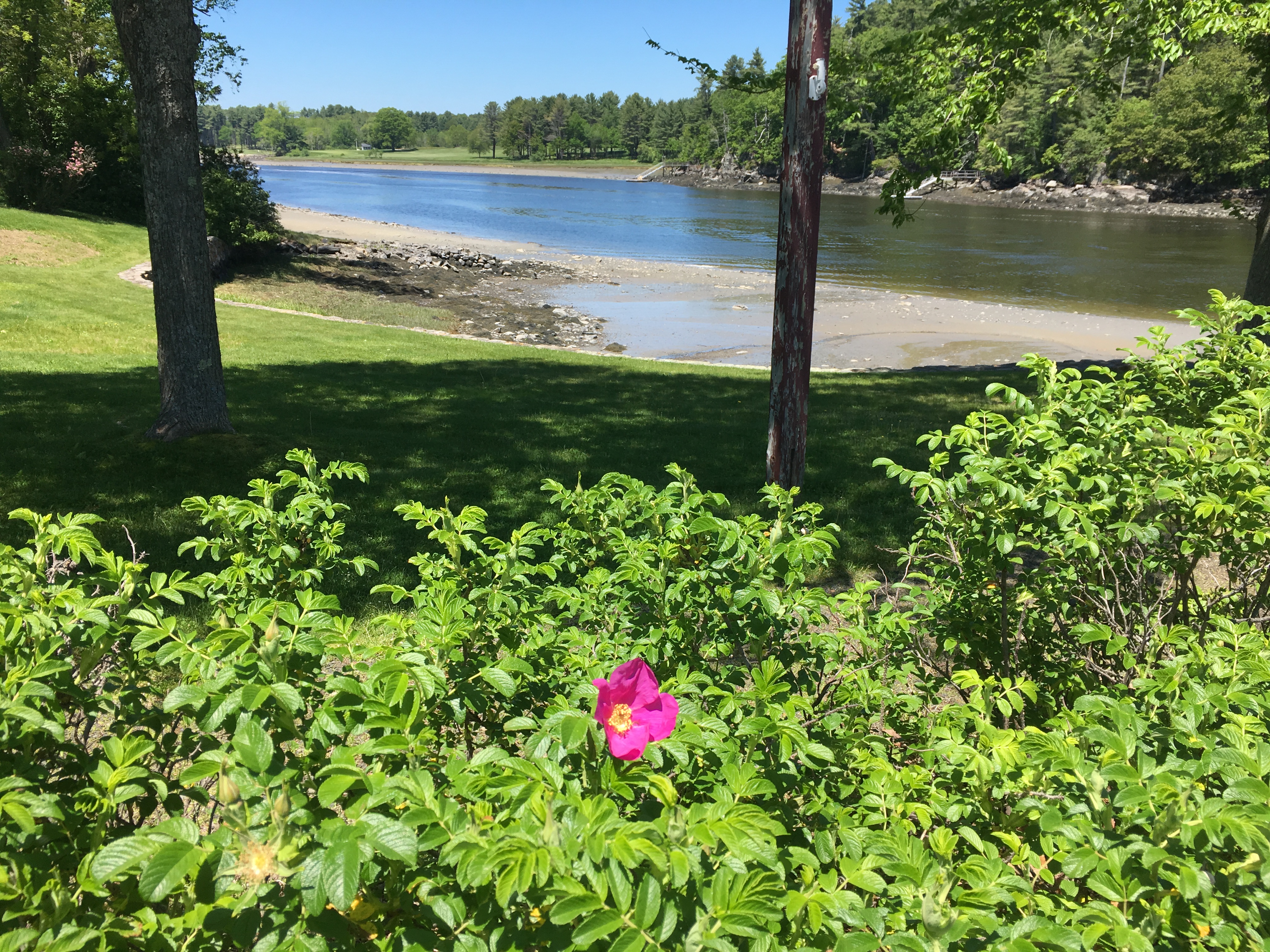
Summer is in its noon. This season, midsummer, was always the most heavenly time for me. New England is steamy with humidity on sunny days and rumbles with thunderstorms at least once a week. The lilies are opening up like small trumpets, pink tea roses bloom in my mom’s garden, and every weekend, the highways glimmer with the red taillights of families going to or from the beach.

In my childhood, mid-July was the climax of the year: swimming among the water lily pads in the kettle ponds of Cape Cod, hiking and catching salamanders in the green mountains of New Hampshire, and backpacking in the blue wilderness of Yosemite. 

A few months ago, I was musing about story climaxes and happy endings. My favorite stories ended happily, usually in one of three ways: with a war (or at least a battle), a wedding, or both. (To be precise, the war is often the climax, and the wedding is the happy ending.)

  • WeddingLast of the Really Great Whangdoodles, Half Magic, Jane Austen, Wuthering Heights, Jane Eyre, The Tenant of Wildfell Hall, Shirley, The Sherwood Ring, Time at the Top, Ella Enchanted, The Farthest-Away Mountain
  • WarThe Hobbit, Harry Potter, The Battle for the Castle, A Wind in the Door, The Great and Terrible Quest
  • Both The Lord of the Rings, The Hunger Games, the Prydain series, The Fairy Rebel

Wars and weddings make excellent climaxes/endings: the violence and suffering of war resolves itself in victory, and the pain and desire of love are resolved in marriage. I think there’s a deeper reason why these events make good endings, though: they point us towards the true end of the world.

Christians believe that history is teleological, or has a purpose and and ending (instead of being random, meaningless, or endless). The telos or purpose of history is the fulfillment of God’s judgement and redemption. God created humans to be in an intimate relationship with Him, but when the first man and woman sinned (broke God’s law), humanity separated from God. Jesus Christ’s death on the cross paid the price for sin and allowed humans to be reconciled to God. At the end of the world, that reconciliation will be complete, and those who believe in God will enter heaven to be with Him forever.

The end of the world includes the end of a War that has raged throughout history, the battle between Satan and the armies of God. It will conclude with a Wedding, the marriage of the Lord Jesus Christ and His Bride, the Church. 

I think every story that ends with a war, a wedding, or both foreshadows the reality of the last days. The War will be greater and more terrible than the flood that destroyed the old world – but it will end with victory. The Wedding will be more glorious than a summer sunset. Believers will cross the edge into eternity, where worshipping God is truly our happy ever after.

Revelation 21:1-4 – “Then I saw a new heaven and a new earth, for the first heaven and the first earth had passed away, and the sea was no more. And I saw the holy city, new Jerusalem, coming down out of heaven from God, prepared as a bride adorned for her husband. And I heard a loud voice from the throne saying, “Behold, the dwelling place of God is with man. He will dwell with them, and they will be his people, and God himself will be with them as their God. He will wipe away every tear from their eyes, and death shall be no more, neither shall there be mourning, nor crying, nor pain anymore, for the former things have passed away.”

Happy endings anticipate eternity. When a good book or series ends with “happily ever after,” readers can imagine the victory and marriage continuing in perfect joy, without having to watch the problems that are inevitable in a fallen world.

Not all good books end with wars and weddings – or, the war and the wedding are not the whole resolution. Some end with new beginnings, like Anne of Green Gables or Hannah Coulter. Others end with homecoming, like The Hobbit. Some end with a joyful death, like Les Miserables. I think all these happy endings are wrapped up in our yearning for heaven: the Homecoming, the Rescue, the beginning of the delicious mystery of Eternity.

A few years ago, one of my favorite English professors warned us about climax seasons. He said times of greatest joy and fulfillment – such as our wedding days – can also carry the greatest grief and yearning. Climaxes remind us how much we yearn for the true Happy Ending.

In this climax season (of the year, if not my life) of summer, I yearn for the end of the War, the Wedding, the Homecoming, and the New Beginning. And the happy endings of the books I love remind me that it is coming soon.

Songs of Summer: Yearning for Purpose and Community

In L.M. Montgomery’s Emily of New Moon, Emily’s gruff teacher shuffles through her poetry with a critical eye and sarcastic asides. “Ode to Winter – the seasons are a sort of disease all young poets must have, it seems,” he remarks.

If delight in the seasons is a disease, I’m not sure I want to recover. The music of spring, summer, autumn, and winter fascinates me. When I was younger and obsessed with summer, I felt the year was a great wheel that reached its joyous climax in midsummer before turning back down to autumn.

I’m only two and a half years out of school, and I still analyze each year separately. Each summer since college has brought its own blessings, challenges, and questions of yearning.

How Yo You Fully Live? Yearning for Purpose

The first summer after college, I had just gotten my first job. Every day, I thanked God that I found work that used my writing skills – but sitting alone in a cubicle in a dead-silent office all day was hard. I was lonely and bored.

Is this what real life is like? I asked myself. Did all my teachers in school inspire me to change the world and follow my heart just so I could tap away at a computer for the rest of my life?

One weekend, I went with some friends to a lake house in the mountains. We slathered on cool-smelling sunscreen and played catch in the blue shallows under the hot July sun. After a while, I sat on the warm wooden dock to listen to my friends talk and watch the others laugh and splash in the game.

How do you fully live in this world? I kept pondering. Is this how you do it – work a boring job all week so you can have fun on the weekends? 

For all the life principles Sunday School and my parents taught me, I couldn’t figure it out. How does God want us to balance pleasure and pain? Should we (American Christians, in my case) try to make money to donate to good causes and enjoy, or become foreign missionaries and live on beans? Should we pursue work that’s interesting, noble, or lucrative?

I couldn’t answer these questions under the hot July sun, or through that long year. In retrospect, I think God was teaching me to seek Him, not just a lifestyle or a calling that was labeled and packaged with a bow. The words of Ravi Zacharias helped with my questions about pleasure and pain:

Anything that refreshes you without distracting or diminishing or destroying your final goal is a legitimate pleasure.

“How do we fully live?” is a question to ask every day, not just once. However, if my final goal is to glorify God, I should enjoy pleasure that refreshes me on the way and persevere through pain. But my gaze needs to stay firmly on Him.

How Can I Participate in Community? Yearning for Fellowship

My second summer out of college was possibly the happiest of my life (though that summer after kindergarten with the slip n’ slide was pretty great). I had just changed jobs and now had kind, thoughtful coworkers who I could actually see and talk to, interesting work, and a gorgeous New England town of cobblestone streets and a blue harbor to explore.

In this new place and new commute, I ached to invest in friendships and meaningful work. How do you participate in community? I wondered, especially toward the end of last summer. Outside of the microcosmic bubble-worlds of high school and college, how do you build relationships and find good causes to join in? After some research and seeking, I found a Christ-centered, vibrant church and joined a small group and a ministry.

Those two weekly church events were torches through that fall and dark, cold winter. Some nights, I arrived breathless and feeling as though burning frost was eating away my skin. Some nights, swan’s-feather snow and icy highways kept me at home. But the nights I could go were feasts of fellowship: warm, encouraging, funny, and fascinating. 

My small group read through the Book of Acts and watched the drama of the fledgling Church unfold, marveling at Peter’s new wisdom in the Spirit, of Paul’s perseverance for the church. The ministry group centered on carrying the light of grace and hope into some of the darkest places I know of.

How do you participate in community? is a question is one to ask in every season of life, not just once, but I began to discover that loving friendships and worthwhile work (especially ministry) go together. Striving side by side is the best way to find the intimacy of understanding and trust – easier and more lasting than building relationships on conversation alone.

This Summer

This summer is slipping past like a dream, and it’s different from the last two: I don’t know that there’s a central question yet, other than how can I find joy in a season of waiting? 

Even as I worry about every unknown, I remember how lovingly God has shepherded me through post-graduate life. I need to learn again the simple trust of abiding. And, in the meantime, attend to my summer adventure bucket list before these golden days are gone.

Musings from the UK: The Lake District, Edinburgh, and Durham

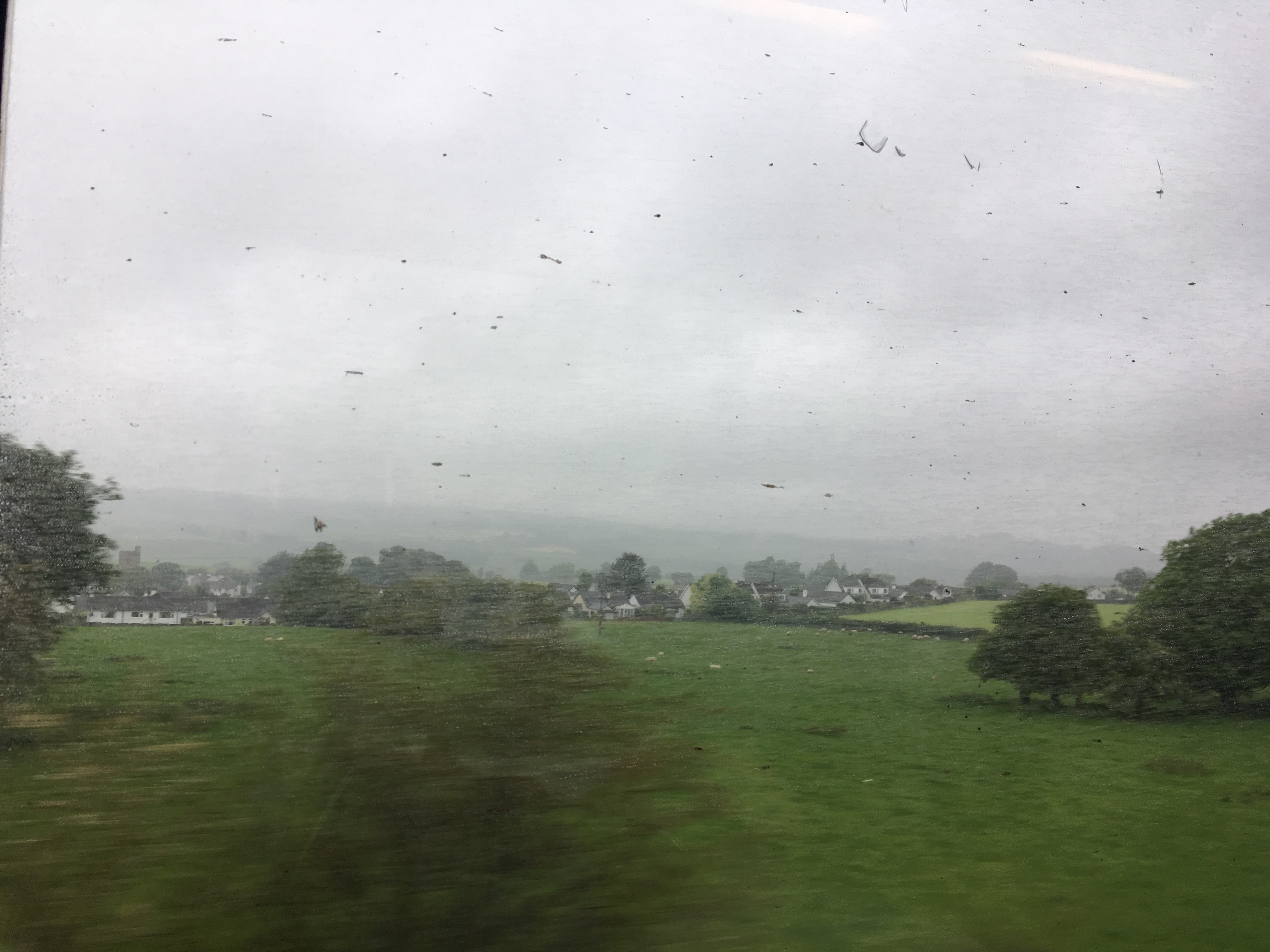
After some full, exhausting days at Oxford (we walked 13 miles each day), we went to the Lake District, Edinburgh, and Durham. Miles of train travel past thick forests, green fields, and small villages showed me that some of my favorite books – Watership Down, Jane Eyre, A Room with a View, and others – captured and mythologized a place of real beauty and intrigue. The feeling of being in a story turned out to be a theme of the trip.

I also gained a new appreciation of J.K. Rowling’s genius. Train travel is fast, convenient, and lets you relax and watch the countryside, but is also stressful, dirty, and chaotic. Rowling turned a monotonous necessity into a delight with the Hogwarts Express. I kept thinking of Harry Potter every time the food cart rattled by.

I also gained even more insights about imagination and story-telling.

Stories are mythologized truth

Every scene was a story; I’ve read about the loveliness and mystery of this place from dozens of authors. They saw truth, and they told it slant. The shaped it in imagery and metaphor and breathed life into characters who embodied the human experience.

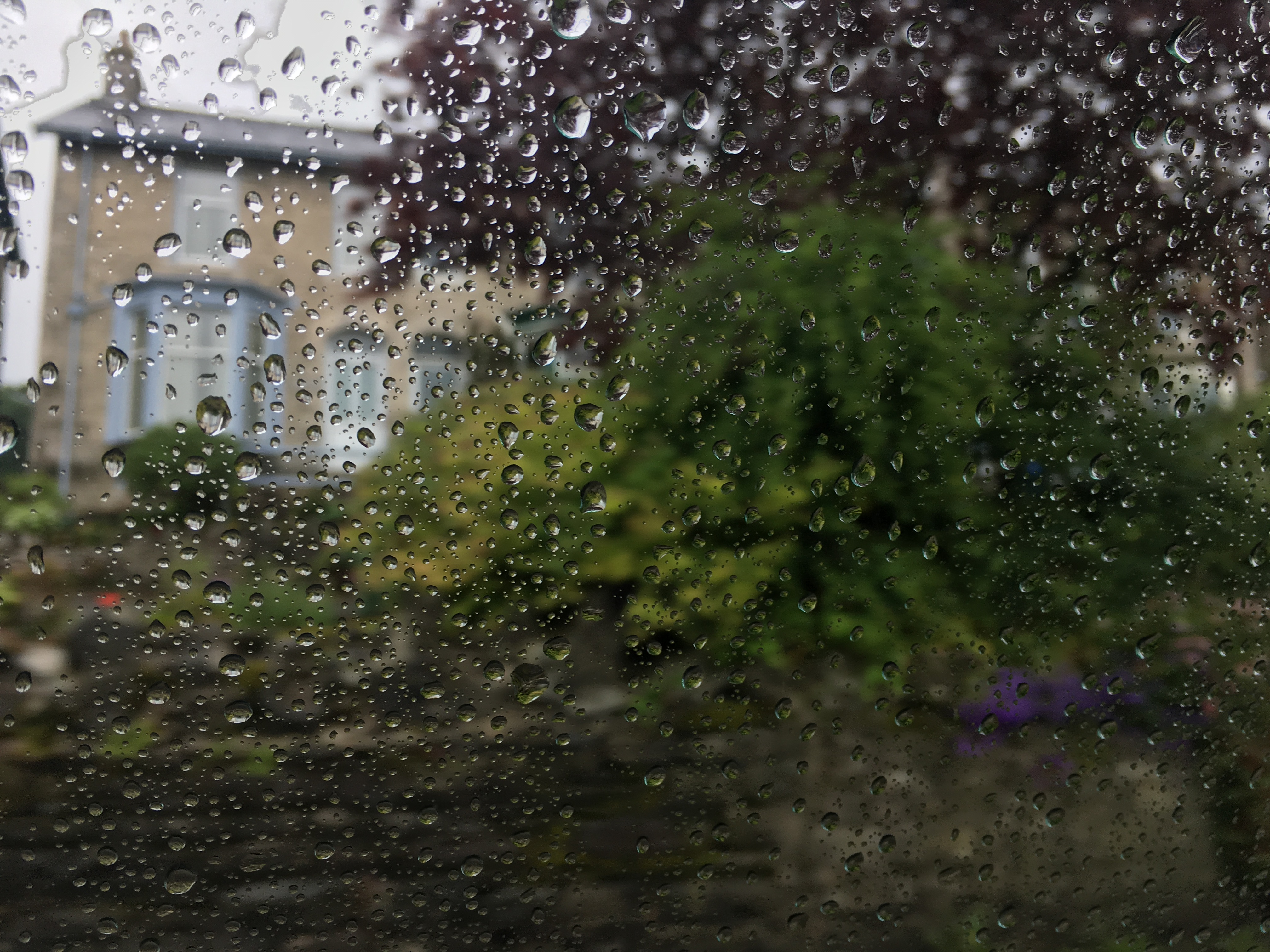
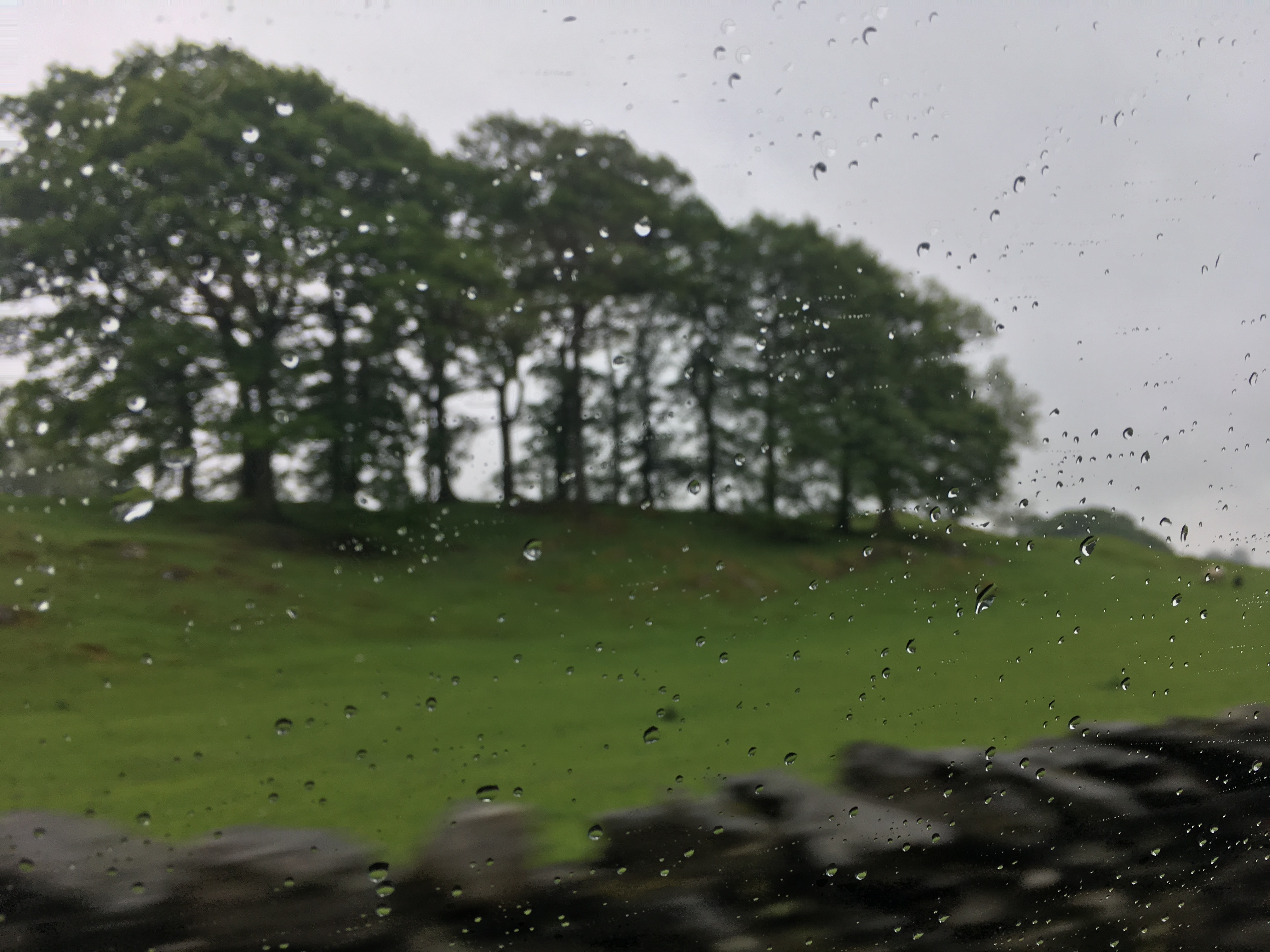
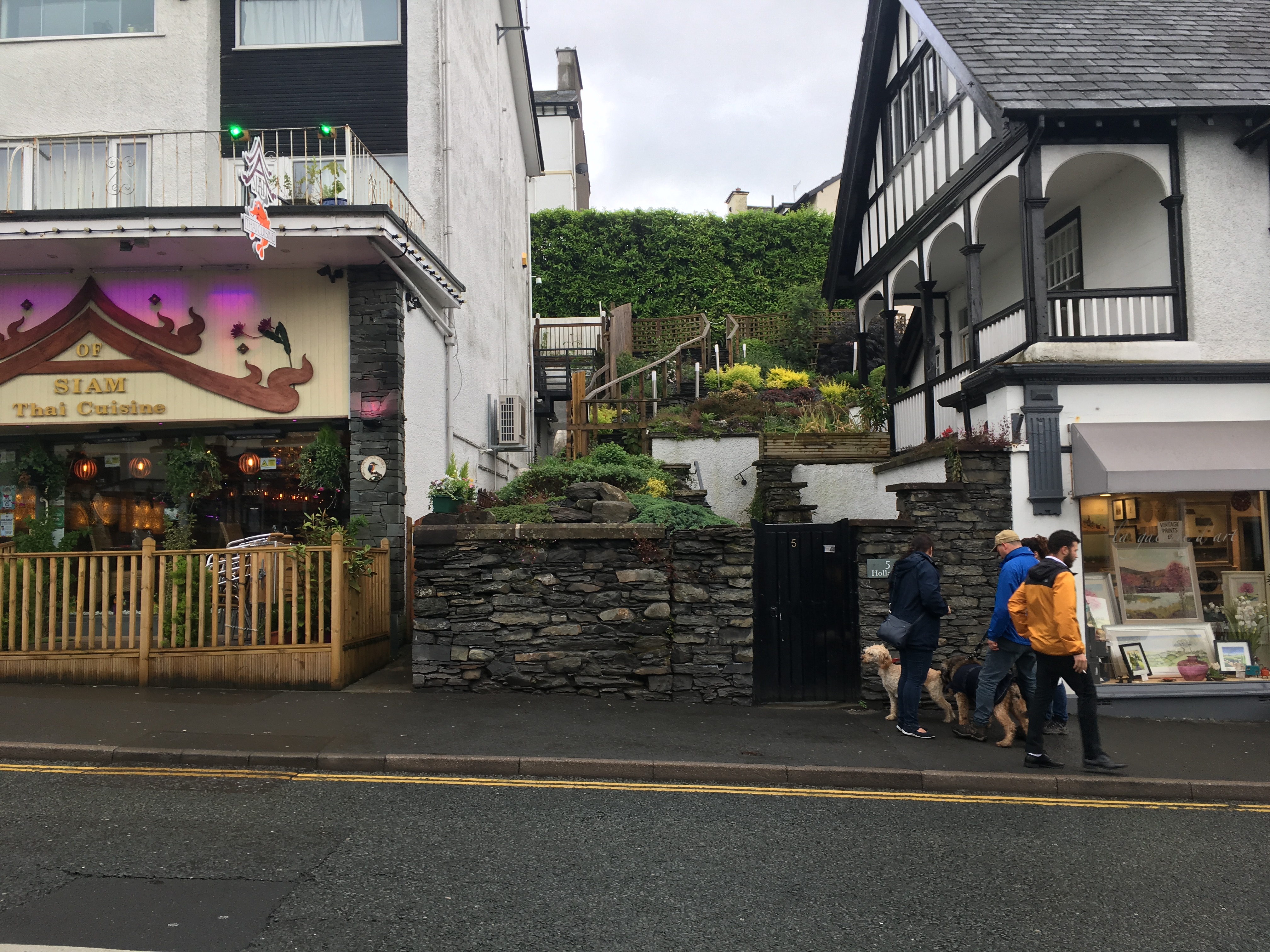
Kendal was all gray stone, with tight corners and winding streets – somewhere Father Brown or Sherlock Holmes would have walked. The taxi ride was on winding rows and hills through green fields, pastures, low stone walls, hedgerows, woods, and little farms – a country of borders. You’ll have to take my word for most of it; our speed and the rain made picture-taking difficult.

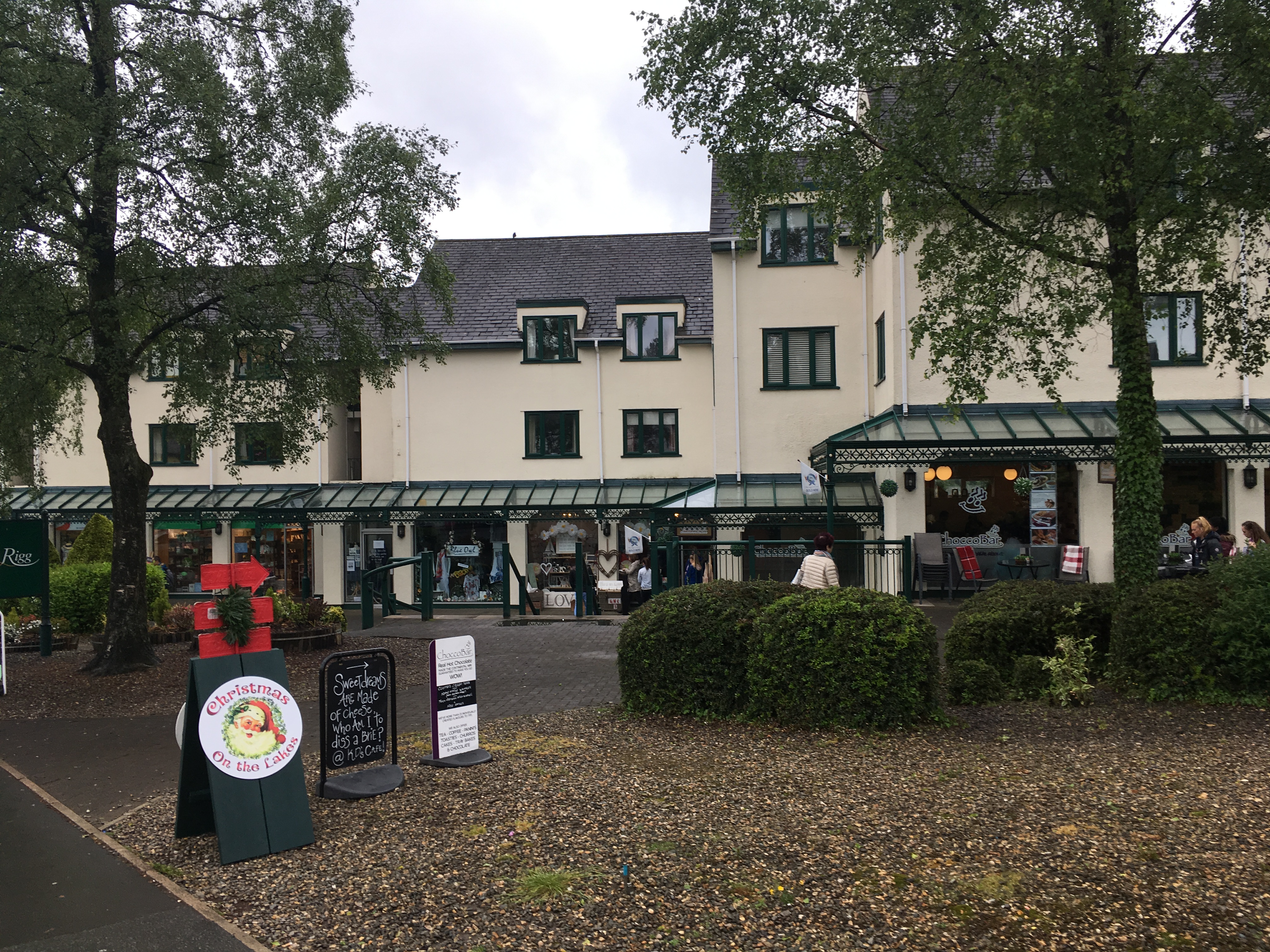
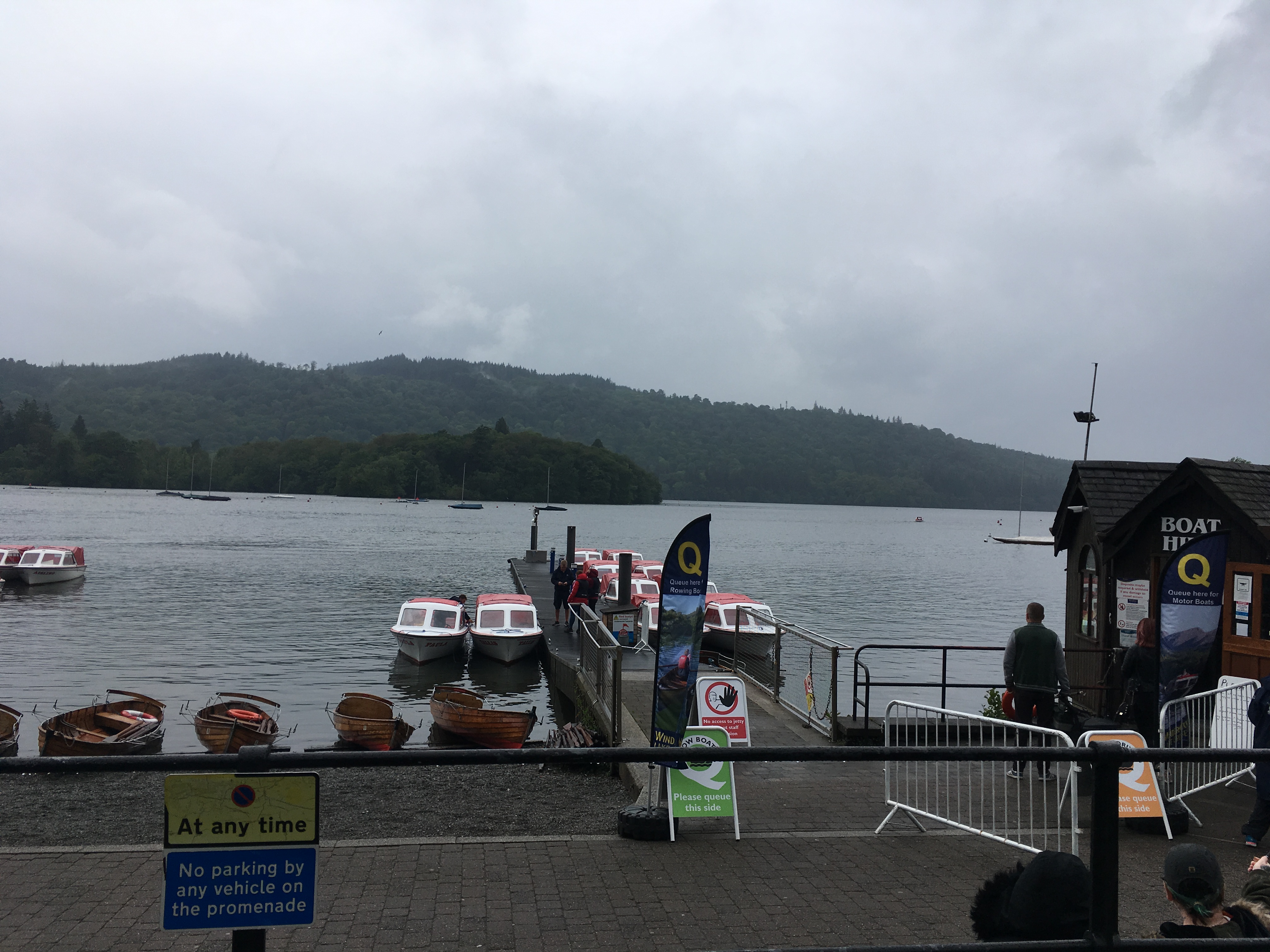
Bowness-on-Windermere, a village next to Lake Windermere, was all shops and restaurants painted white, walled gardens with white and yellow roses, and a shining lake reflecting the green mountains around it. It was Laketown from The Hobbit.

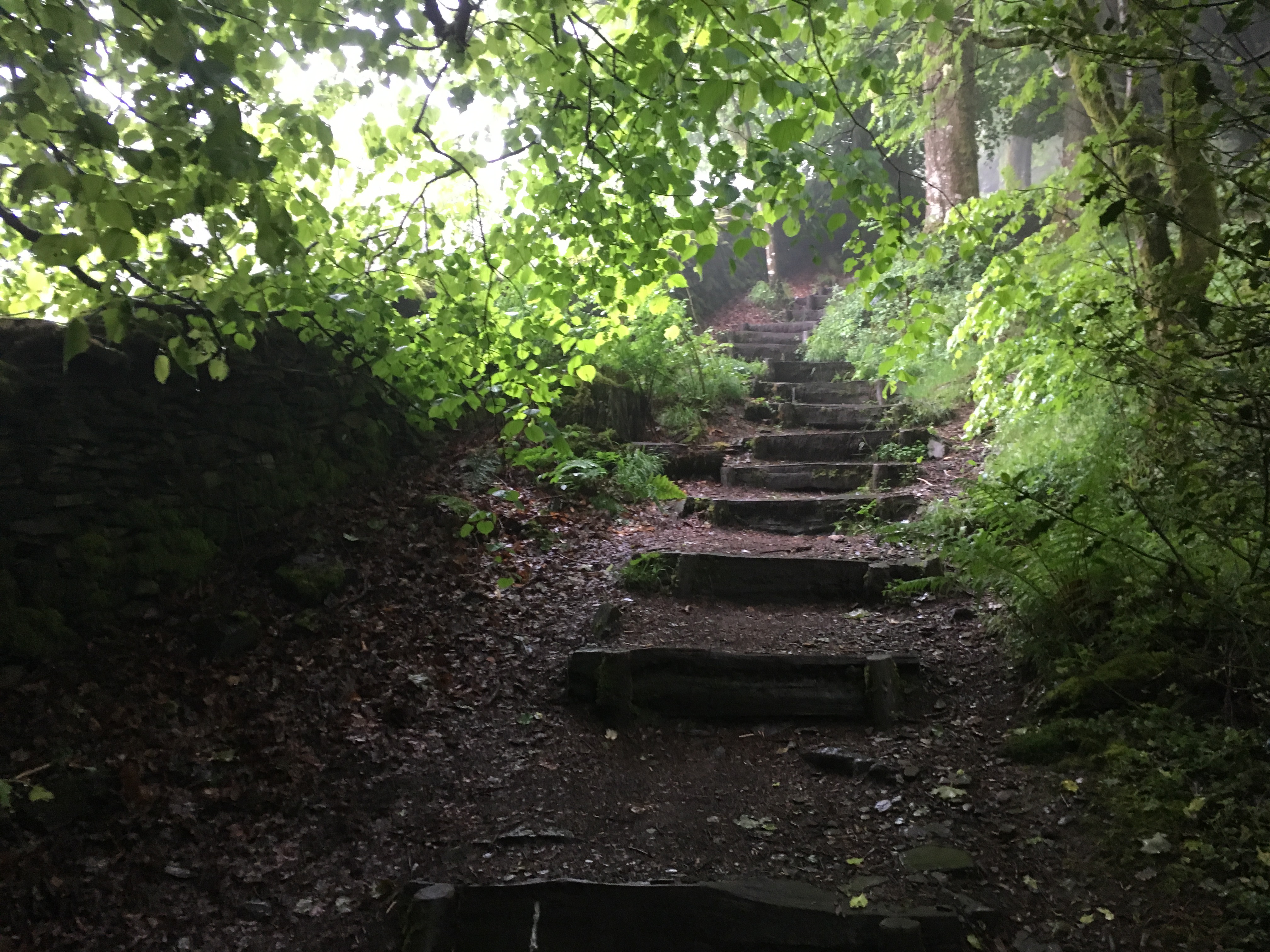
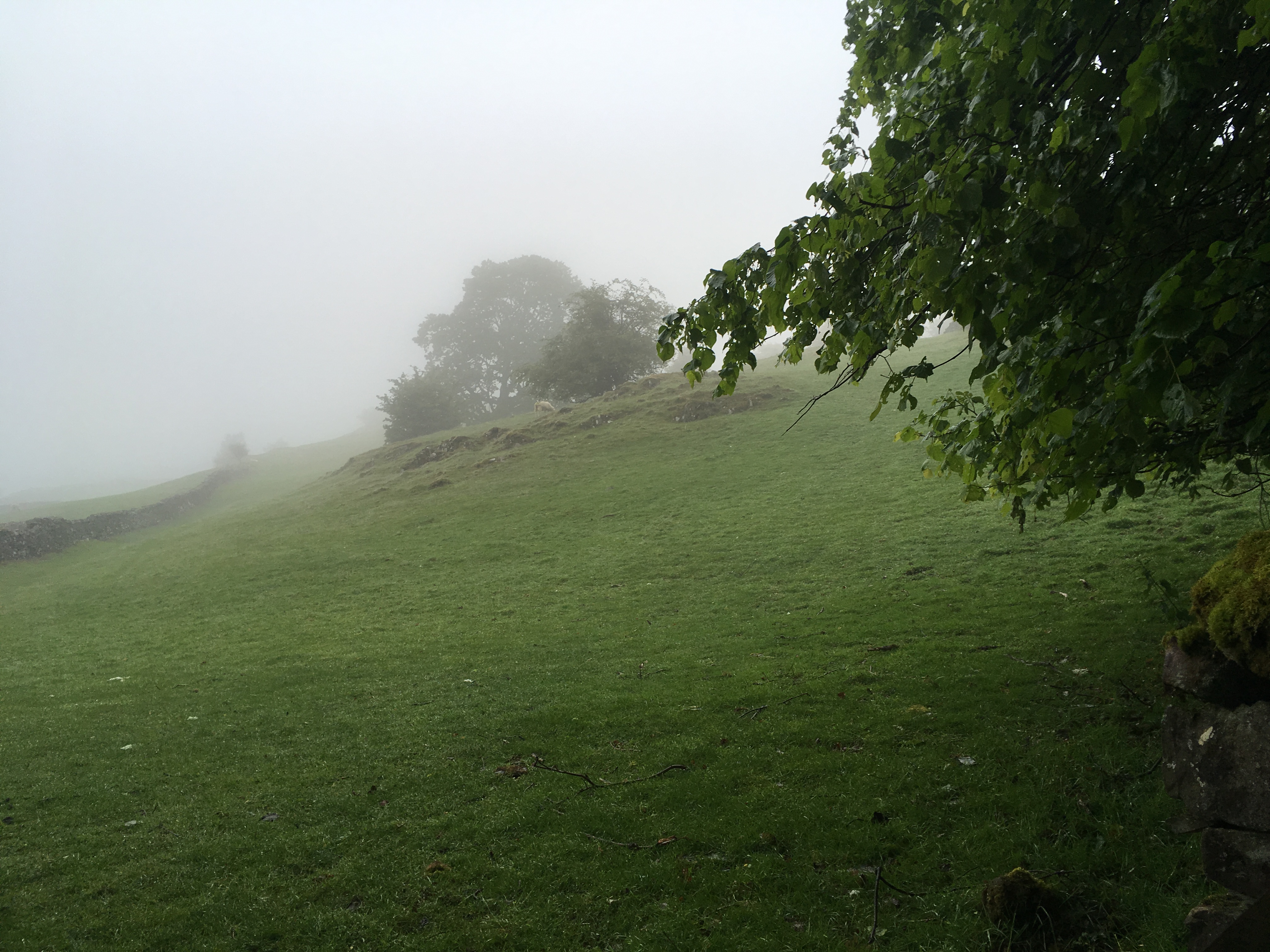
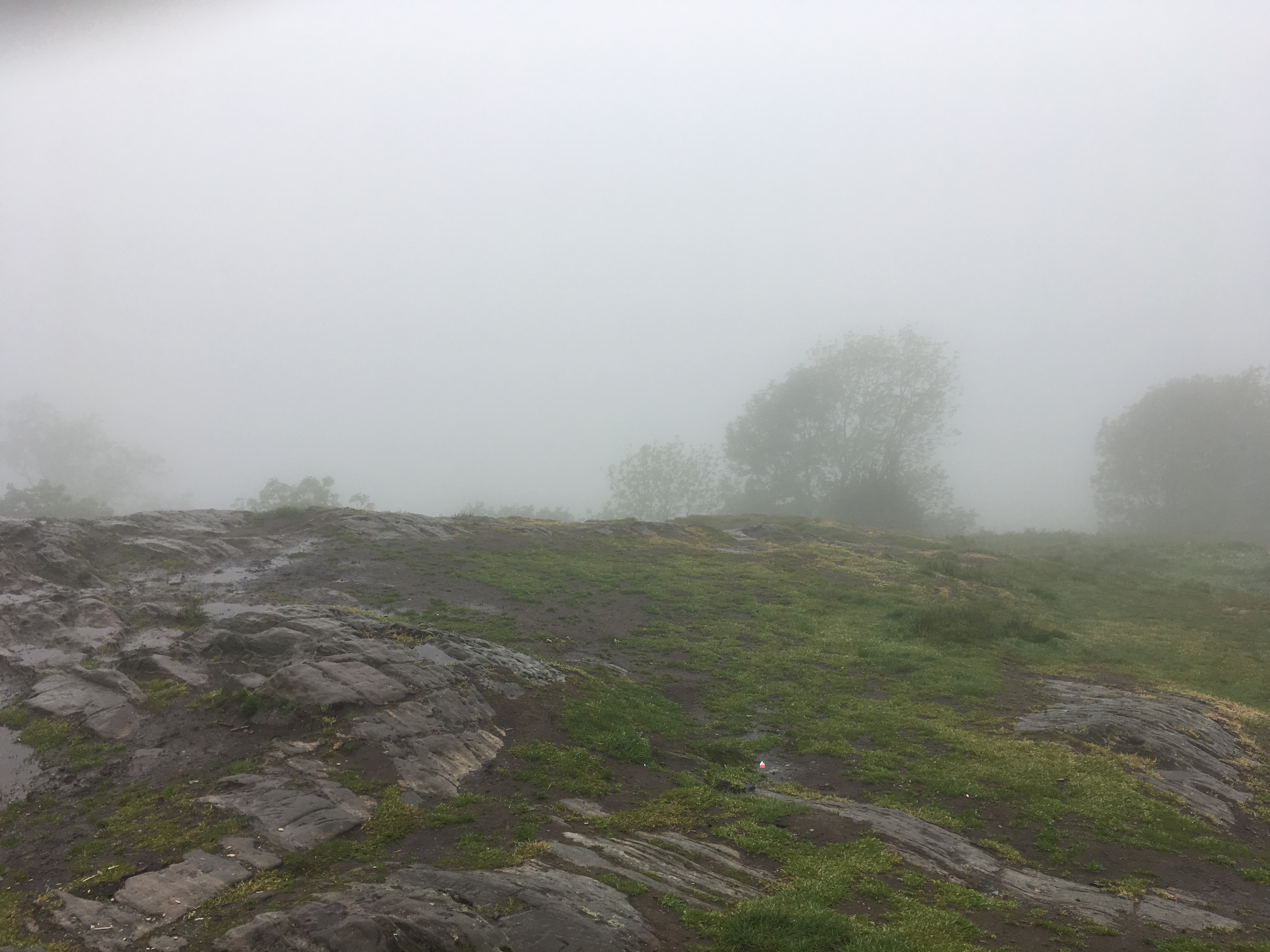
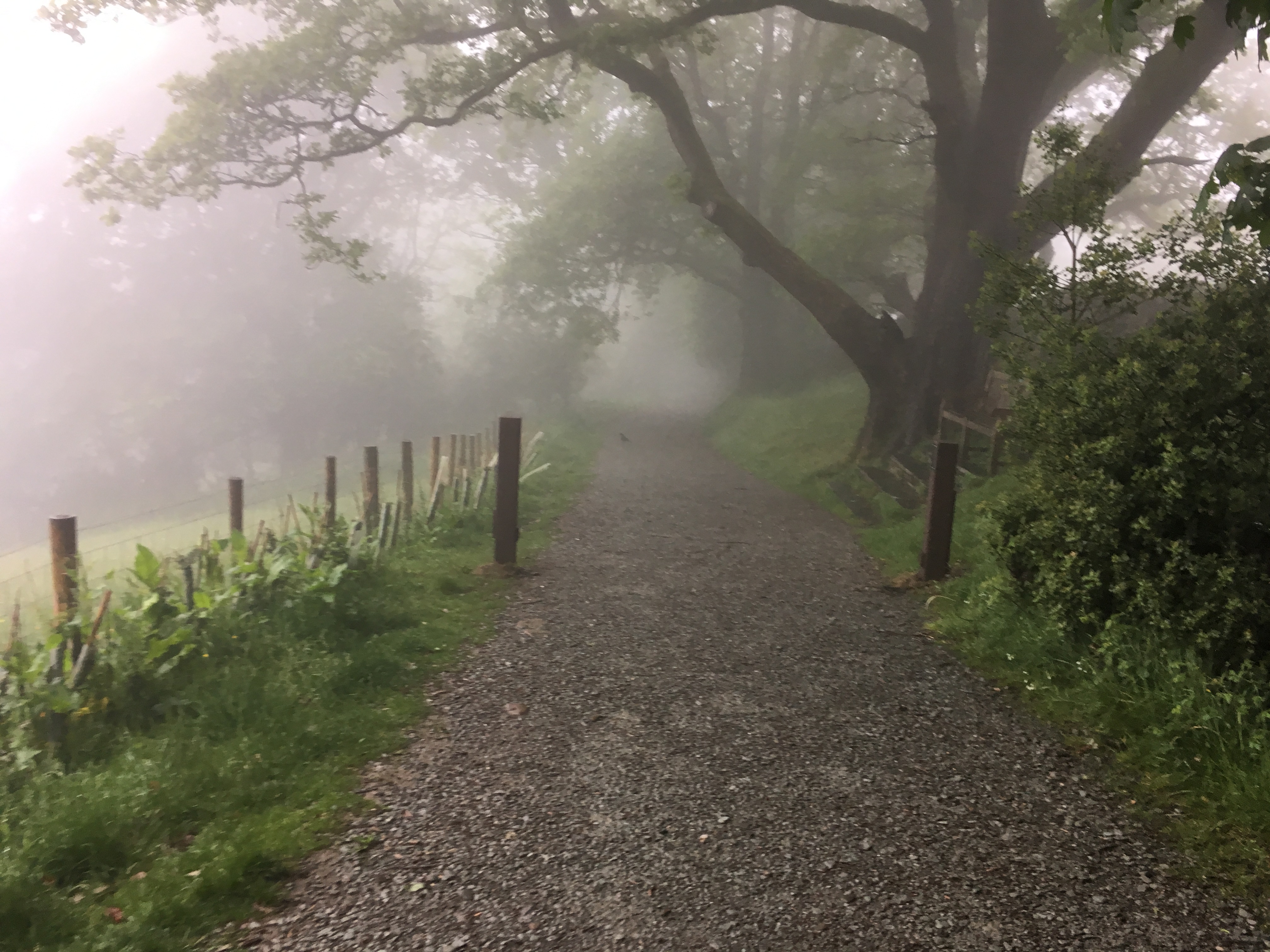
The hikes were glorious. We stepped into a shadowy tunnel of green trees covered in thick moss, up through hill pastures ringing with the forlorn bleating of sheep, to a hilltop shrouded in silvery mist. The dim outlines of trees were all we could see, but I didn’t mind – it felt secret, ominous, and foreboding as Weathertop or the moors of Wuthering Heights.

The magic of stories is the magic of real, natural beauty on God’s earth, expressed in minute detail by people He gifted with wordcraft. I’m burning now to spin a story out of the beauty of New England.

Travel for people

The allure of the Lake District, Edinburgh, and Durham was worth traveling to see. But the best parts of this trip really were the people. Though we trekked 15 miles up and down the streets of Edinburgh to collect Scottish tartans and chocolates as souvenirs, it’s the conversations that I value the most.

We talked with our taxi drivers about English weather (one said that snow shuts down the Lake District; the other said that now winters were too warm and wet for snow); “health and safety” regulations set by the government; and regional accents (two of them warned us about Liverpool and Newcastle accents). The owner of the hotel in the Lake District told us what he knew of the history of the place, his previous career, and his aunt’s paintings which hung in the dining room. I spent hours talking about food, travel, dating, and culture with two Americans, a British woman, and an Australian woman on our last train.

In college, and just after, every glamorous Facebook picture of my friend’s travels filled me with envy and yearning: European castles, Italian vineyards, and tropical reefs. Now, after being able to take a few pictures of my own, I feel stronger knowing that I want to travel for people, not just scenery – fellow travelers, conference attendees, and hopefully new friends.

Seek out the family of God

Sunday morning in Durham, just before we had to get back to Heathrow, I was feeling sick, and we were both tired. We persevered enough, however, to get to Christchurch for their service.

The meeting room had a high ceiling, large windows, and white paint that caught the light. It was full of families: men and women talking in small groups, college students, and children who ran among the metal folding chairs, filling the room with laughter.

“If you get Jesus wrong,” one pastor began, “you get everything wrong, and you can’t relate to Him.” We recited the Nicene Creed, and sang through Christ-centered songs based on the Psalms. The main pastor talked through Psalm 8, pausing at verse 2:

Out of the mouth of babies and infants,
you have established strength because of your foes,
to still the enemy and the avenger.

“Oh, good,” he said, when one of the children there let out a happy cry. “I was hoping that would happen. In fact, I prayed that it would happen.” He continued to explain the majesty of God in making human beings, as helpless and small as babies, into priceless treasures. He went to Hebrews 2 to explain how Adam’s race had failed to rule this world as God created us to, but Jesus Christ became the ruler Adam failed to be.

I felt like crying with joy; to travel across the Atlantic and much of England and Scotland, and then find my family – radiant with worship, full of love for each other, steadfast in the truth – was exactly the encouragement I needed.

And then we returned. Now, I sift through my memories and new resolutions: to mythologize the beauty around me in stories; to use travel to build relationships, not just view pretty scenery; and to seek out the family of God everywhere.

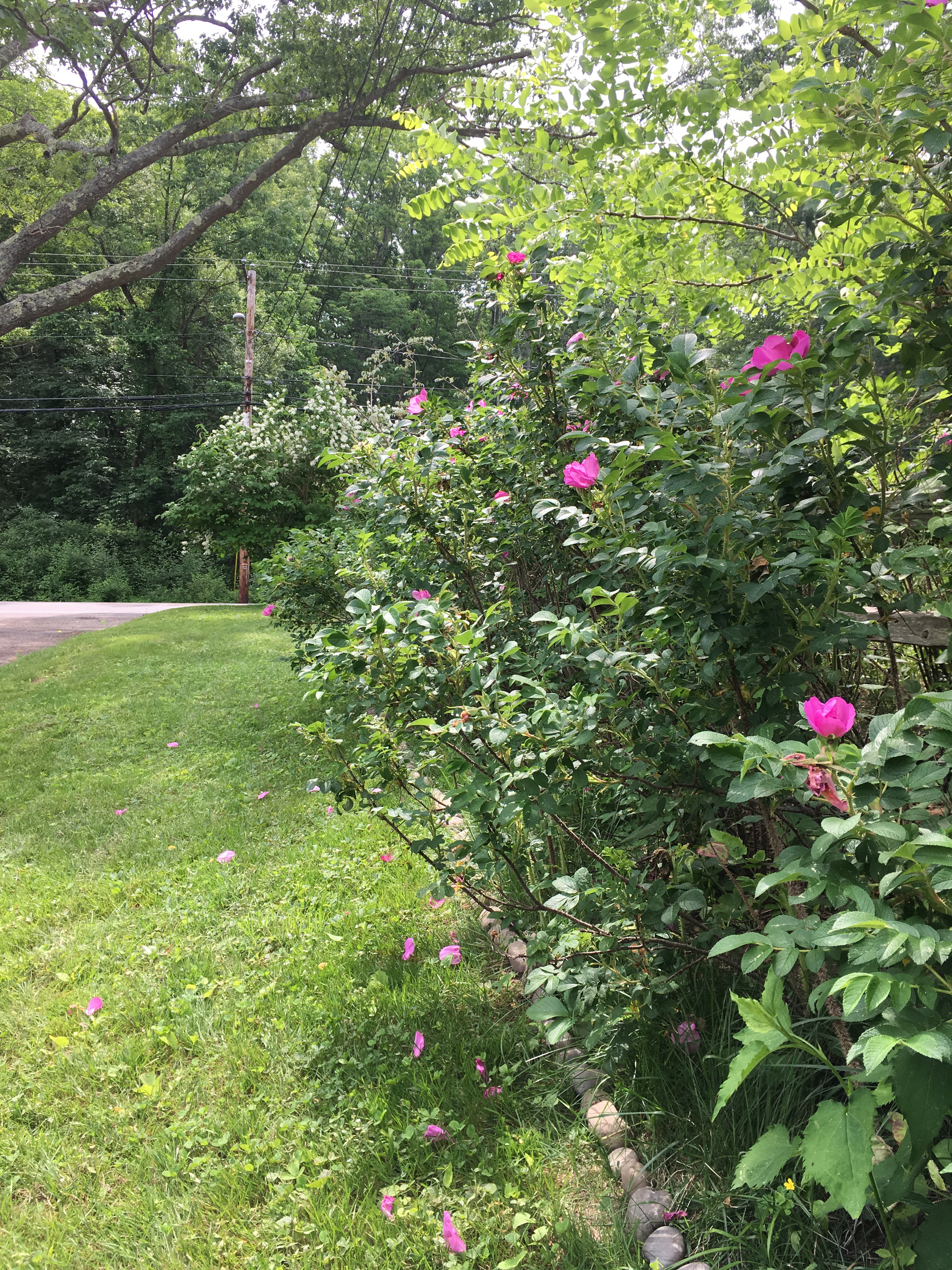
While we were gone, summer arrived: tree canopies are lush and green, white spirea and pink rhododendrons are blooming, and the ocean is impossibly blue. For the first time, I can taste the sweetness of the word homecoming.

Musings from the UK: Oxford

On June 2nd, I flew back from a week in the UK – exhausted, content, pondering, and with a renewed sense of yearning. May was an intense month of travel (Colorado Springs, Denver, Pennsylvania, and then the UK) and I was more than ready to come home.

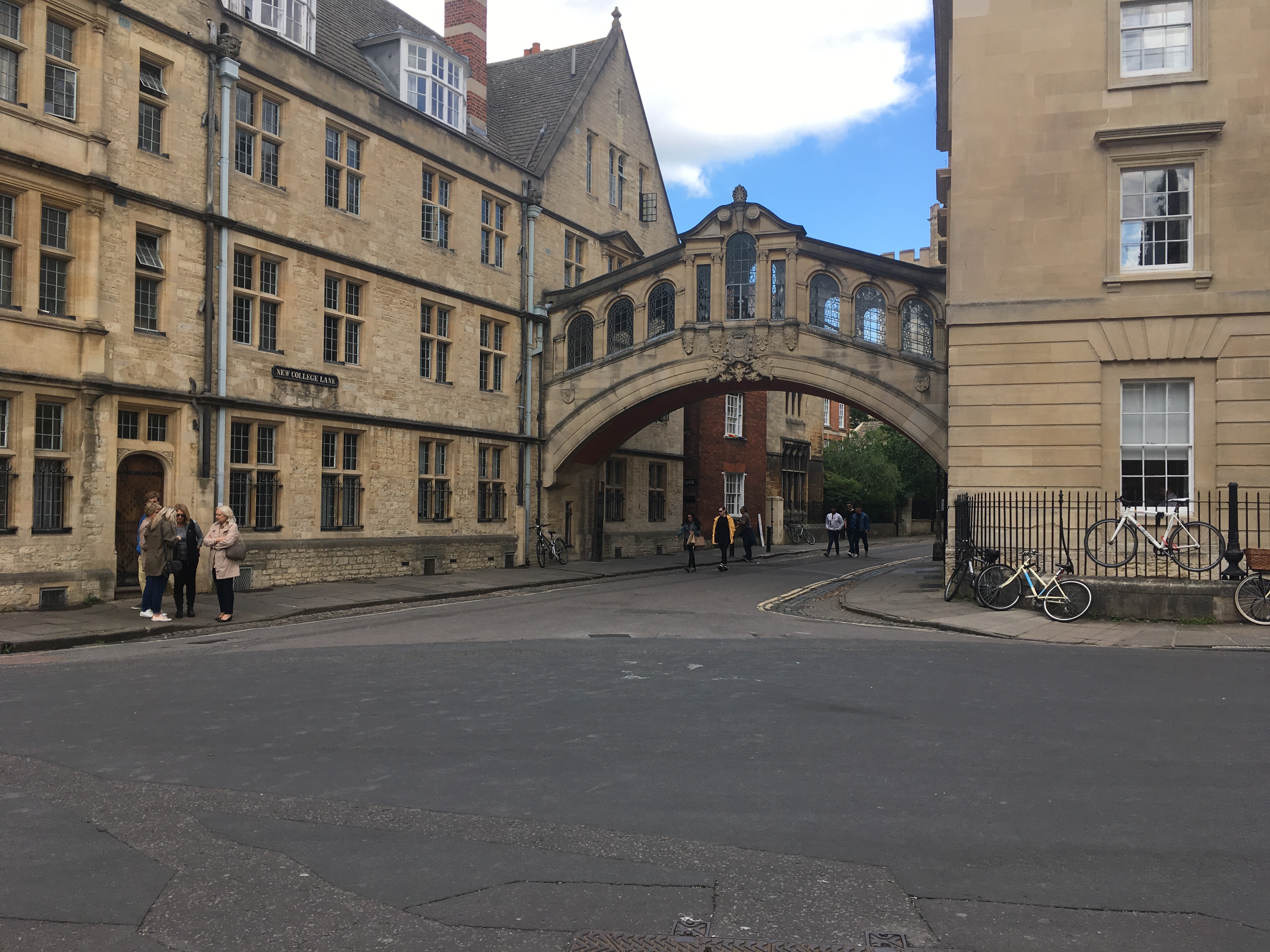
But it was beautiful. The rich history and traditions of Oxford, the mysterious beauty of the Lake District, the medieval look and modern busyness of Edinburgh, and the green peace of Durham gave me images and insights enough to ponder for a long time. I still need to sift through my hundreds of pictures and thoughts, but at first glance, here are a few things I discovered.

Oxford

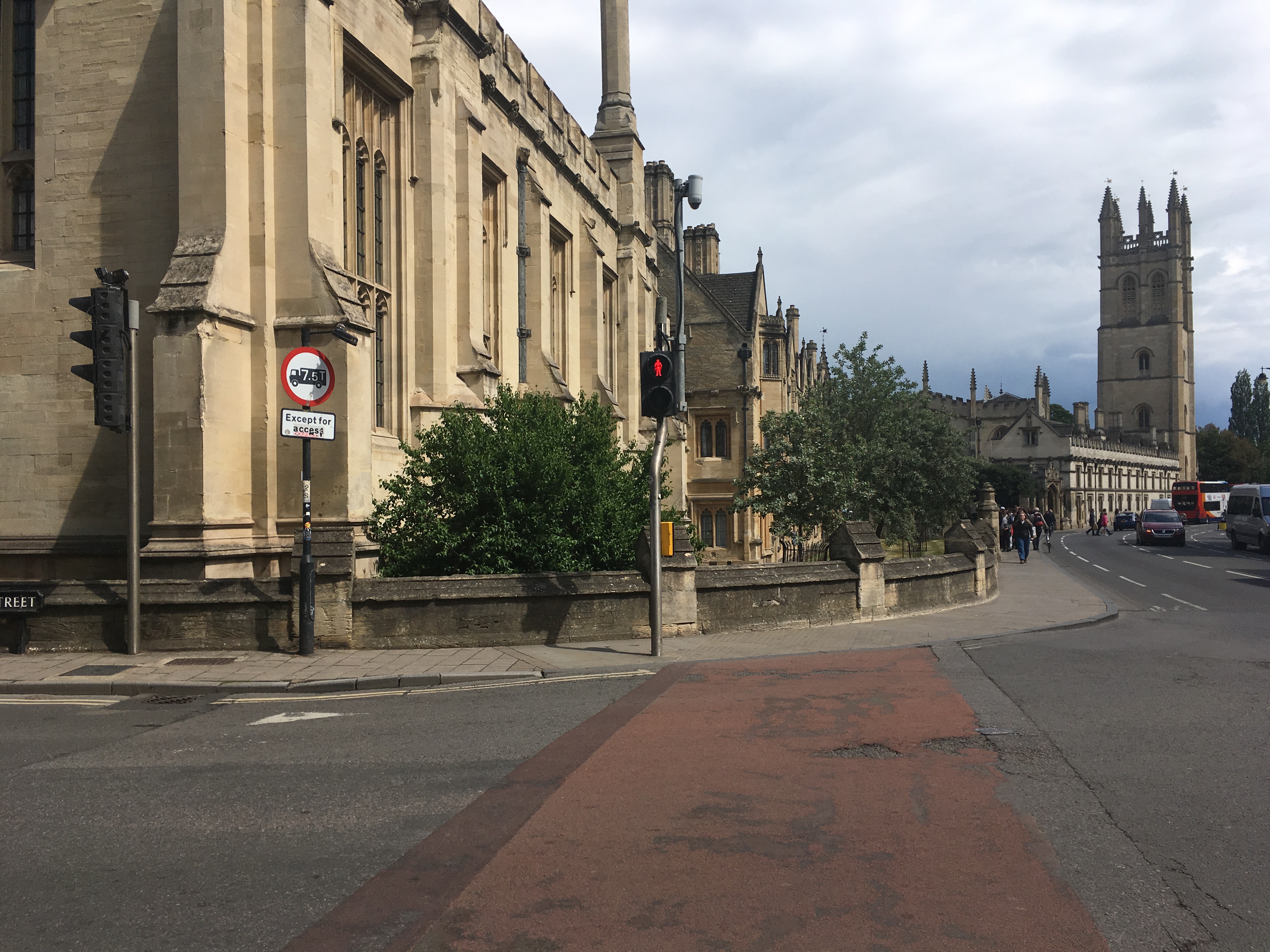
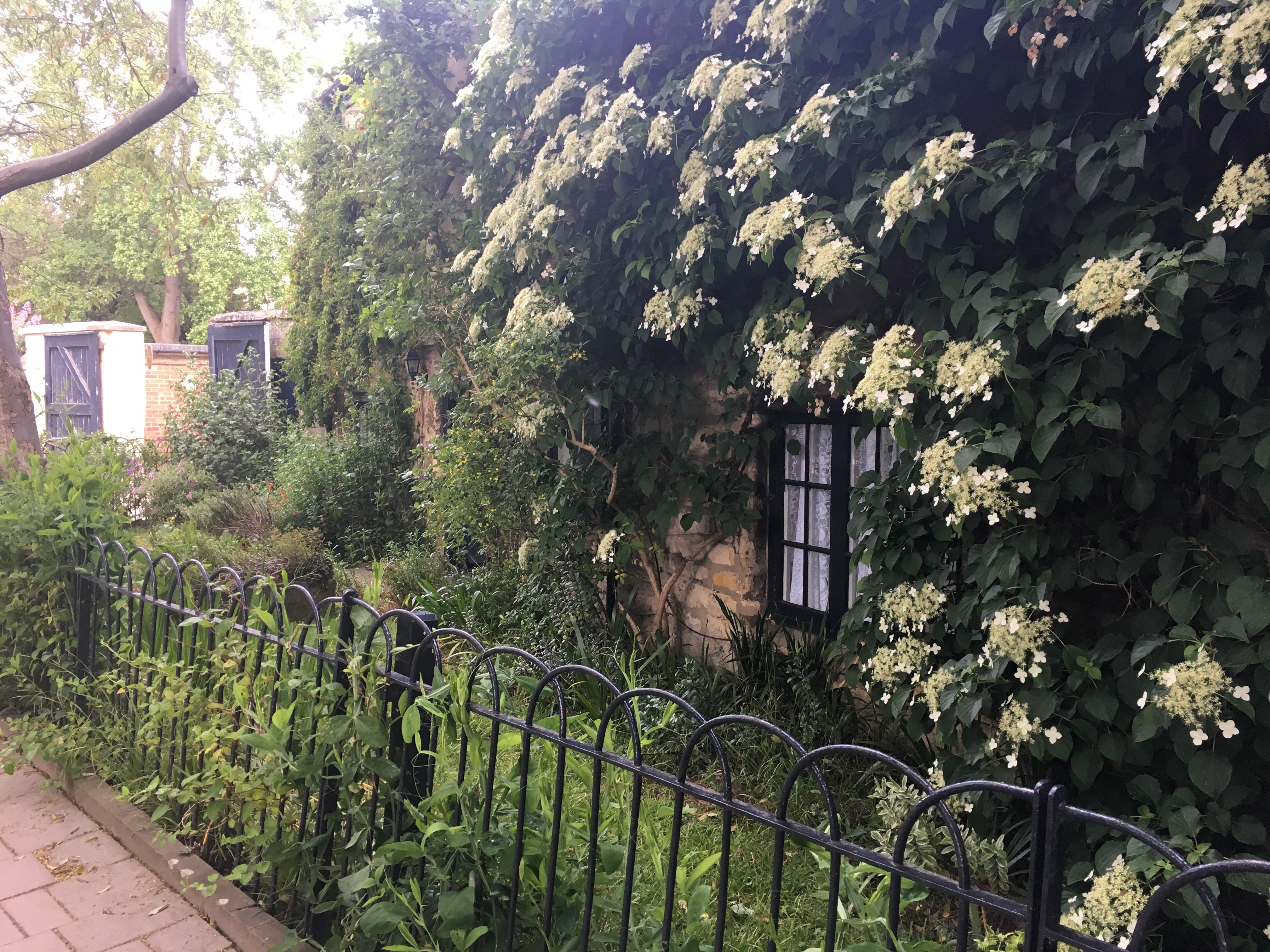
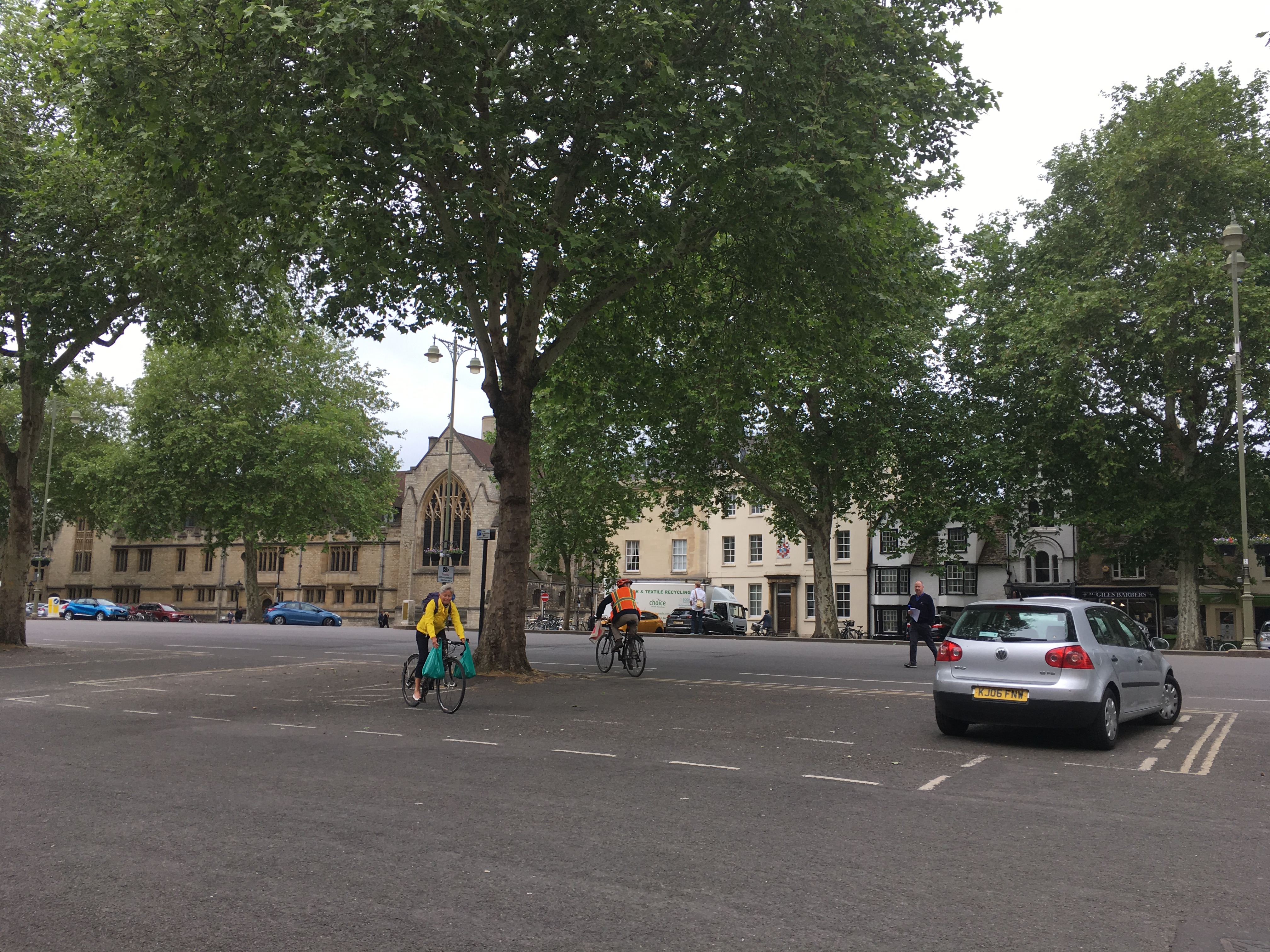
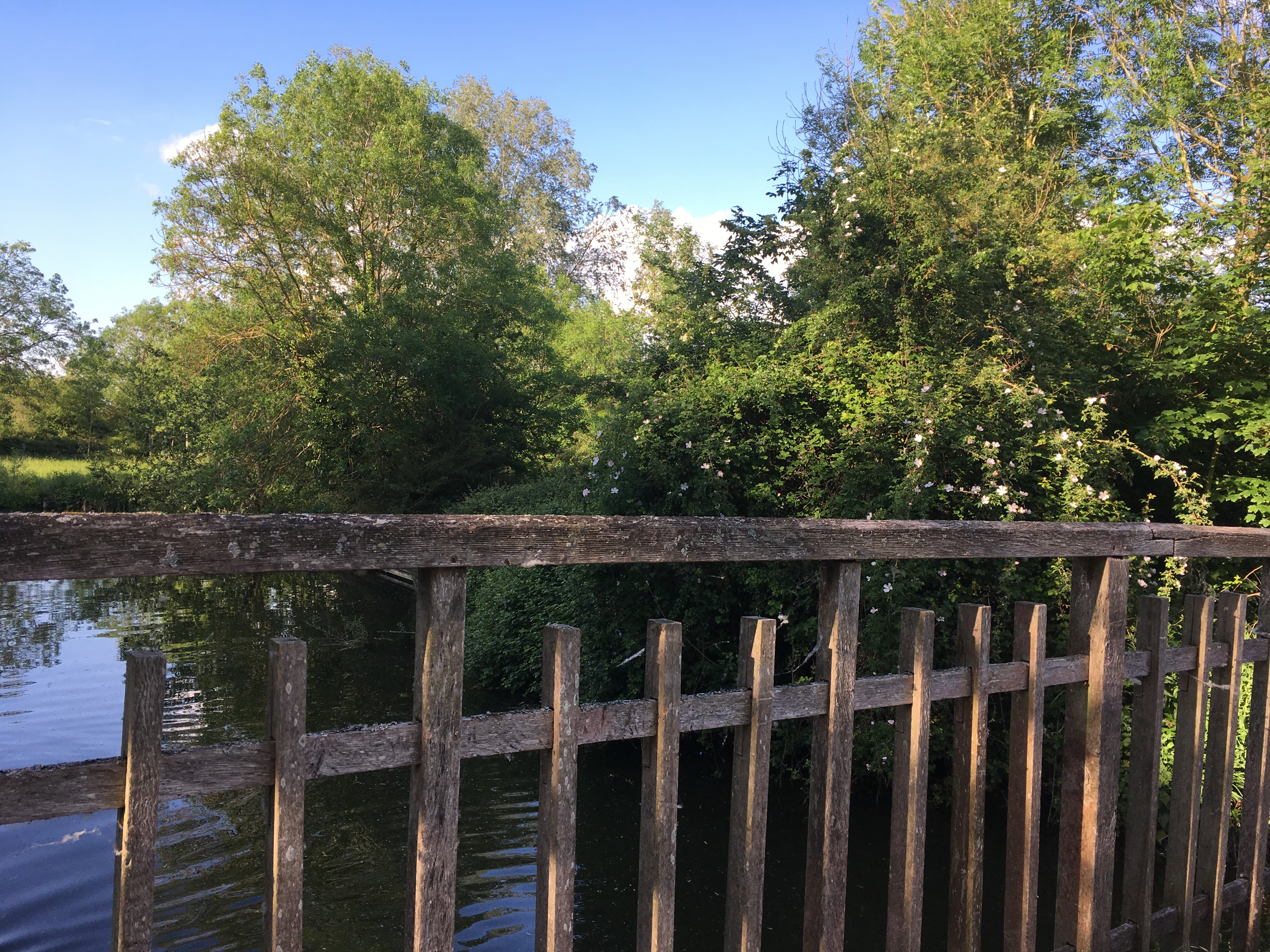
Oxford has layers of loveliness: the old beauty of stone walls, buildings, spires, and statues, all covered in the fresh spring beauty of yellow roses, green ivy, and flowering vines. We walked through the green parks every day, dodging bikes and other foot travelers, listening to birds cooing in the trees and watching ducks, swans, and ravens hop around among the lilly pads and cattails in ponds.

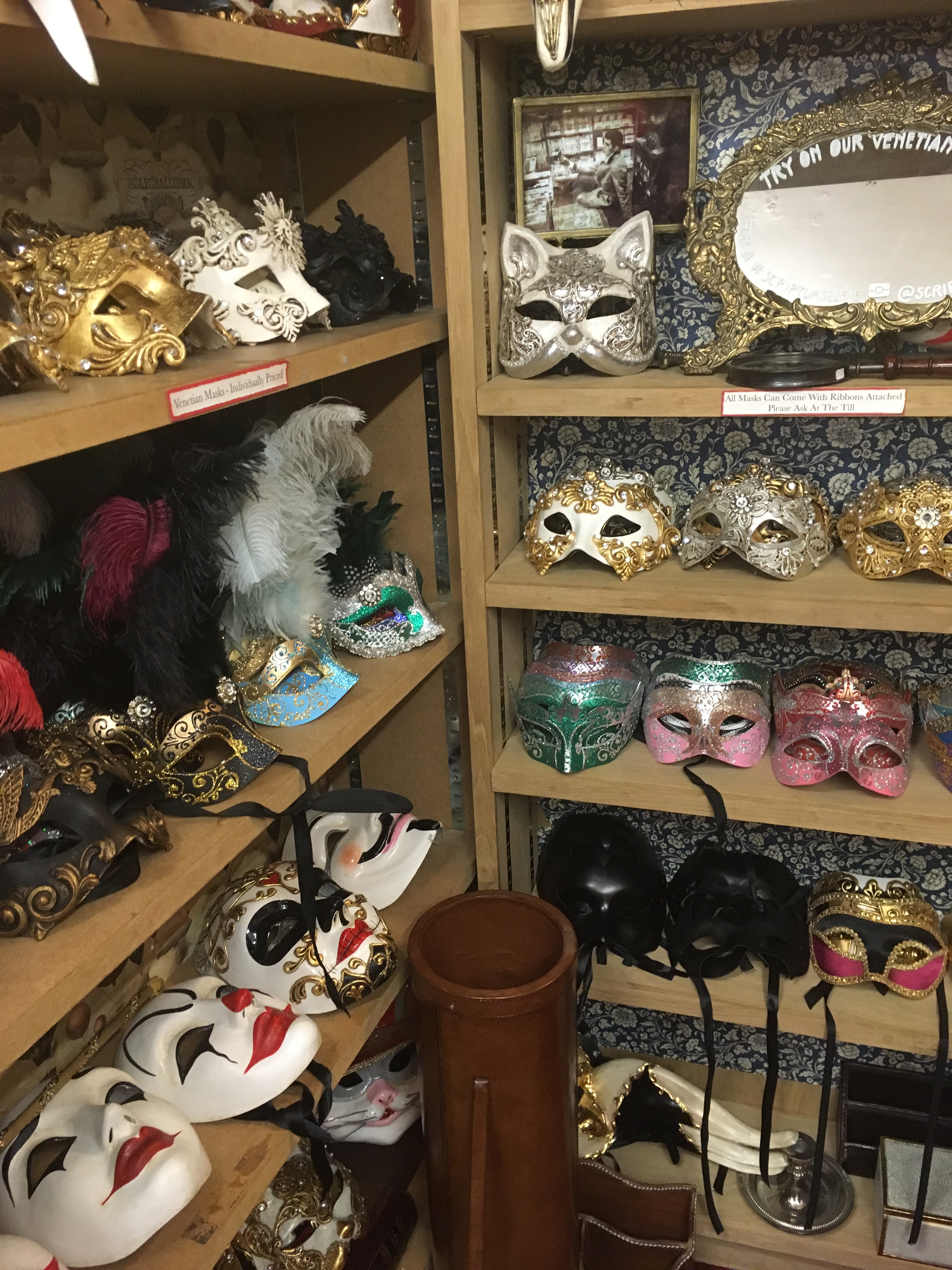
The town was full of tourists like us, the murmur of many languages, and students in black robes. We got chai tea and Italian hot chocolate (my life will never be the same) at a tea shop, wandered through a curio/bookshop full of quill pens and gilded masks, and explored the stalls of the Covered Market.

We heard echoes and whispers of the spirit of Oxford. The town and university are centered on thought leadership and intellectual discovery, but remember faith: we attended a lecture on “The Failures of Political Journalism” at Green Templeton college, wandered through the University Church of St. Mary, went to exhibitions on language and 3-D images at the Weston Library and Museum of the History of Science, and enjoyed an Evensong at Magdalen College.

Every day brought so much to ponder and so much to enjoy. I’ll reference this trip in many future posts, but for now, I came away with some important resolutions:

Enjoy nearby beauty

Oxford was breathtaking with its ancient stonework, glassy rivers, yellow roses, and silver skies. But I had a recurring realization: New England is just as beautiful: its starry mayflowers and pert black-capped chickadees, fragrant beach-roses and green maple trees. Though traveling is great in many ways, I only need to step out my front door to see beauty. I need to value the treasures around me, not just those that are far away.

Seek unity in diversity

Most of the “content” we found at Oxford in lectures and exhibitions presented a set of different opinions on each topic, without identifying any as primary or true. Diversity, inclusion, and redefinition (breaking down old meanings of humanity, gender, faith, language, science,etc.) were celebrated as the highest good.

I love listening to people who are different from me, being sharpened as iron sharpens iron. But I believe that the highest good is celebrating true things, not just different things. The original purpose of universities was to seek unity in diversity, with every individual discipline striving together to unravel mysteries. I yearn to seek transcendent, unifying truth, Wisdom, in literature, art, language, and theology, and from people of all nations, backgrounds, and experiences.

Burn bright in darkness; cultivate in the desert

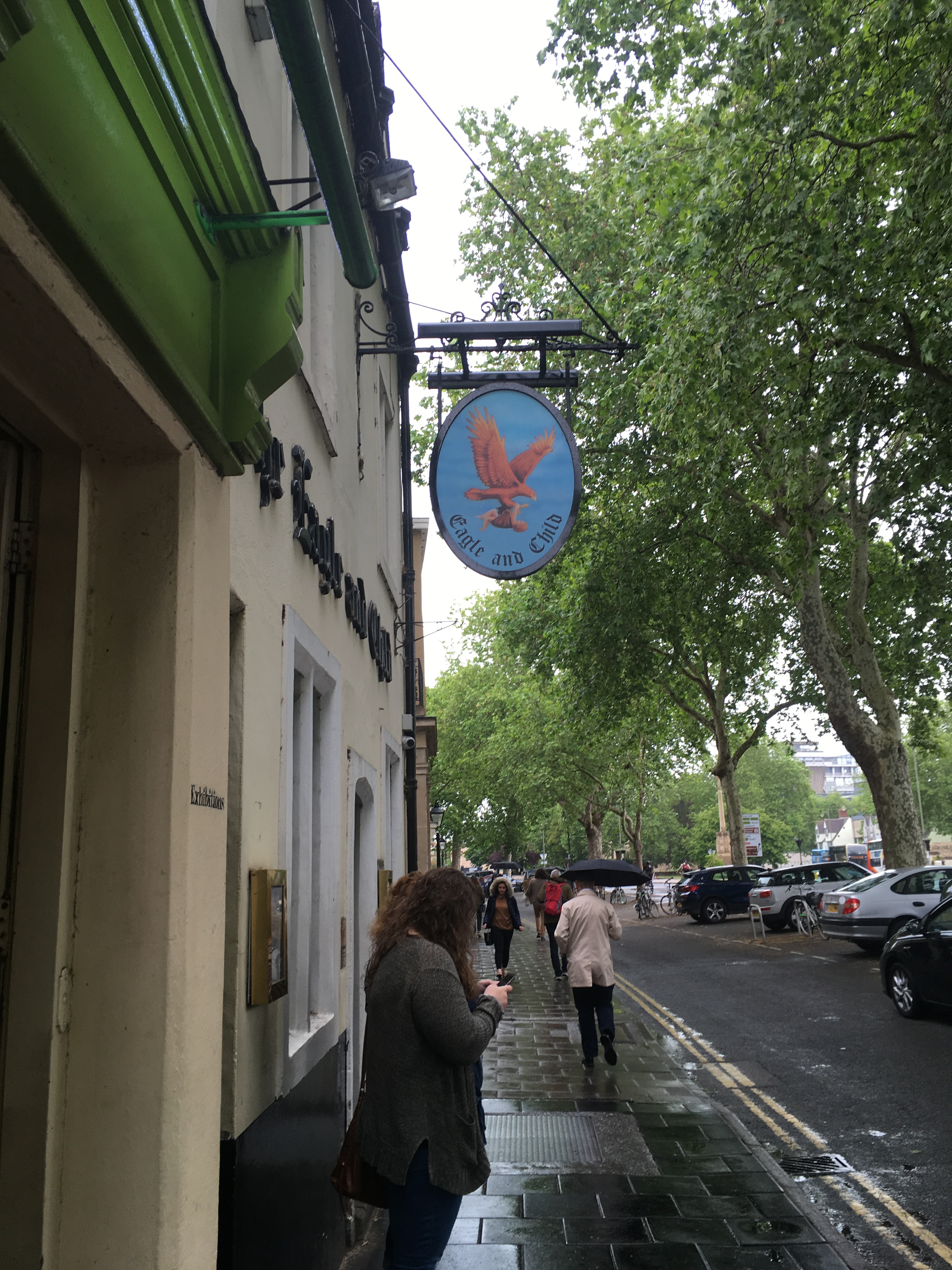
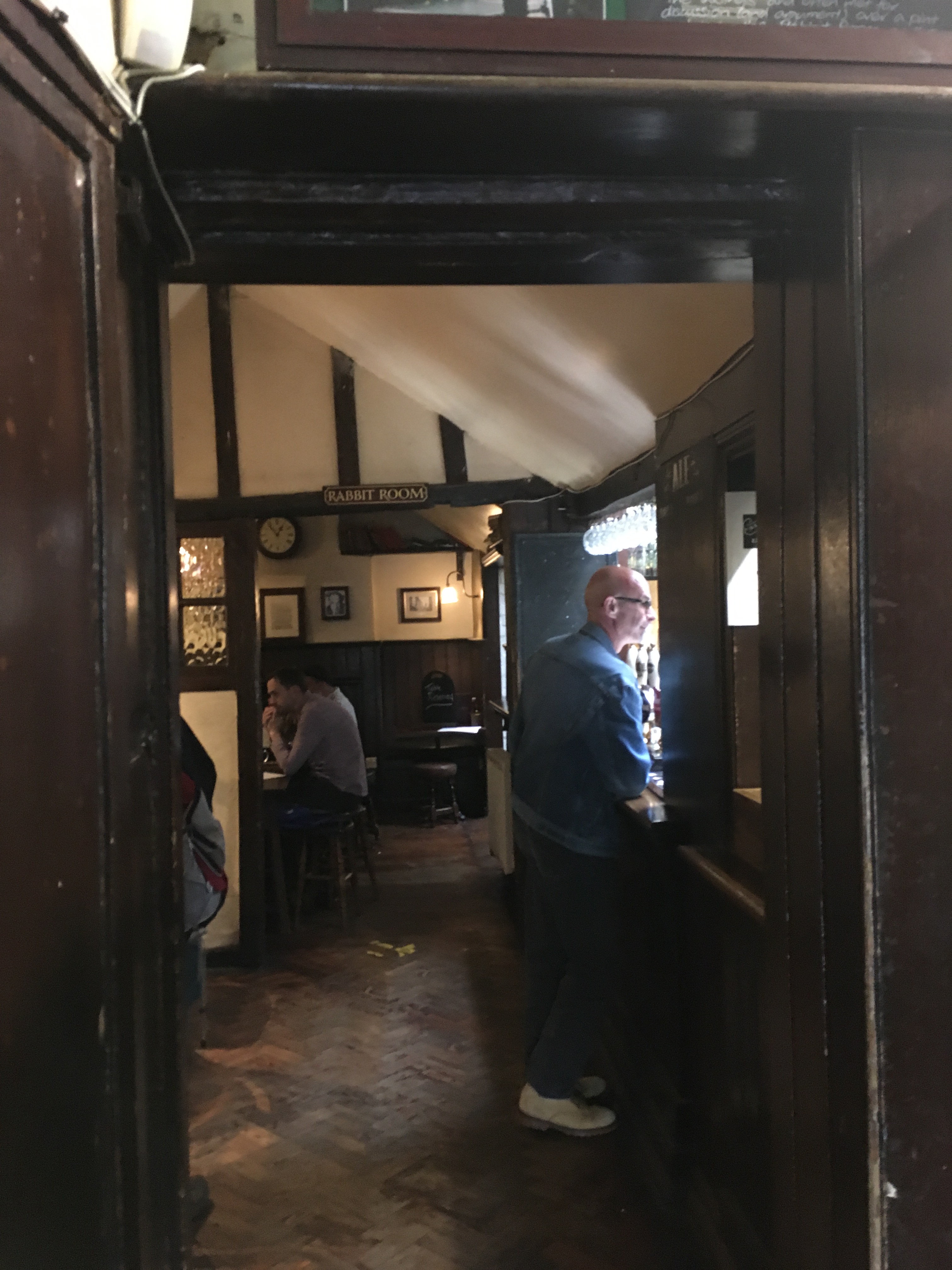
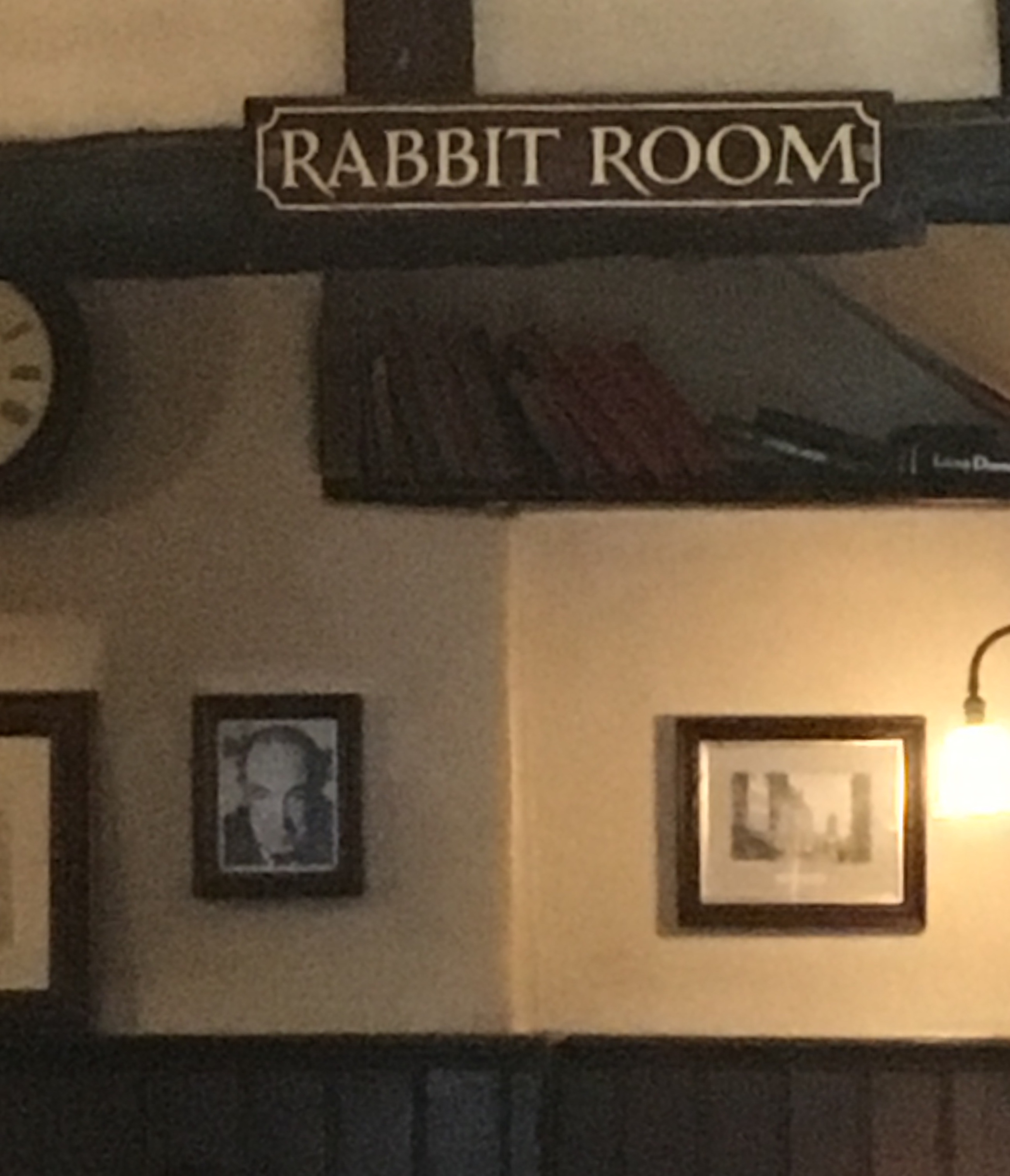
While rushing to the lecture, we had two minutes to duck into the Eagle and Child Pub, were Lewis, Tolkien, and the Inklings used to meet. My glimpse of the place stayed with me: dark, tiny rooms dimly lit by light bulbs, with barely enough places to squeeze faded armchairs beside brick fireplaces. The famous Rabbit Room was plain, with only a wooden table that may have seated five.

Lewis and Tolkien lived in a dark time: through the blood, fire, and fear of two world wars, sickness, grief, and a growing cynicism and loss of belief. But in imitation of God in Genesis 1, they spoke worlds into being: stories that acknowledge darkness and despair, but burned bright with love, beauty, and hope. The Inklings’ fellowship by the fire nurtured friendships, creativity, and joy that they poured out in stories that still kindle imaginations today.

The Christological center of Lewis and Tolkien’s imaginations stirred me deeper still. People of different faiths or no faith at all (like George R.R. Martin, Philip Pullman, Tamora Pierce, and Patricia McKillip) can also imagine worlds into being. But the narrative of an all-powerful, loving Redeemer who sacrificed Himself for humanity is the greatest Story; all other good stories echo it.

The world is still dark – maybe darker – today. But there are many light-bearers and dream-cultivators, people of strong faith and abundant imaginations, in Oxford (including Michael Ward, Sarah Clarkson, Joy Clarkson, and many others), in New England, and in the whole world. I can’t wait to discover more of them.

Reflections on the STC Conference 2019

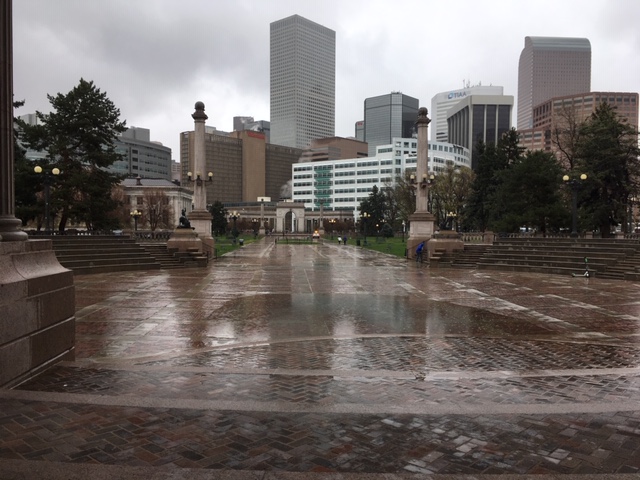
Denver, Colorado in the rain.

In the gray days of February and March this year, I realized that the two conferences I wanted to go to in the spring were both in Colorado, both concerning writers, within a week of each other.

I returned home after the first one last week, the Imagination Redeemed conference. On Sunday, I flew out to Denver again for the Society for Technical Communication (STC) conference and returned late on Wednesday night.

The Imagination Redeemed conference was in Colorado Springs, that blooming valley in the mountains; the STC conference was in downtown Denver, where the brick-and-stone buildings were too short to block the rain-gray sky (unlike the dark skyscrapers of Manhattan – I couldn’t help comparing), and trees with bright green leaves or fresh blossoms dotted the sidewalks.

Though I didn’t plan to attend two conferences back-to-back, and my head spun with altitude sickness the first night and day, comparing the two gatherings was fascinating. Both organizations attract thoughtful, creative, and dedicated communicators who want to hone their craft and connect with people like them.

The STC is made of technical communicators, who help their coworkers or customers understand and use technical information: technical writers and editors, librarians, instructional designers, content strategists, and information architects from software, manufacturing, medicine, business and finance, and other industries.

As technical communicators (I’m a technical writer), we work with brilliant people – software developers, engineers, mechanics, architects, and others – to translate their complex knowledge into simple steps for audiences who benefit from their work. I attended sessions about integrating images and text, the power of story, career planning, best practices of knowledge management, and more.

The Imagination Redeemed conference focused on faith and beauty, imagination and worship; the STC conference focused on transforming the creations of geniuses into plain language and clear concepts. These gatherings represent two sides of my mind and heart that I’m cultivating in work and in play, united by a growing sense of yearning: I long to be a messenger, a world-maker, teacher, and healer through my writing, in my job and my own work.

Soon, I hope to write about how technical writing is so much more than the boring manual-writing I though it would be: how it’s as challenging, inspiring, and wonder-ful (in the old sense of the world) as studying English literature. For now, here are some resolutions as a technical writer to match the ones I made at the Anselm Society conference:

Tell stories for good – The STC conference reaffirmed what I already knew: that stories are powerful. From a technical writing perspective, stories help people understand complex concepts (think of how some people can remember all the plot threads in the Marvel universe) and remember important information. As a technical writer, I want to tell stories for good, to help people gain the knowledge they need to thrive.

Critical consumerism – One of the last speakers at the conference described how we can be critical consumers, thoughtfully examining the evidence to evaluate claims and rationales. Does the speaker’s conclusion exaggerate the evidence or ignore key findings? In the workplace and the rest of my life, training myself to examine evidence will guard me against misconceptions and manipulation.

Wonder in the ordinary – Several speakers emphasized the ancient roots of technical writing: from cairns marking paths in the mountains, to cave paintings, to medieval manuscripts, humans have been teaching each other to do complicated tasks since the beginning of time. I used to think technical writing was dull work, typing up thick manuals of small black text that no one wanted to read. Over this year, I’ve tasted the joy of learning how to uncover the creative genius of software developers and communicate it to non-experts: detective work as close to my childhood dreams of being Nancy Drew as I’ll probably get in real life.

It’s good to find wonder in your work; good to sit in awe of the mind of the Creator as you see the beauty of the human mind in lines of software code, or complex machinery, or the rhythm of a sonnet. In my technical and creative writing, I want to awaken that wonder in others.

My real vocation – A speaker on a podcast I listened to yesterday said that “you work to feed your dream, and then you work on your dream to feed your everyday work” (clumsy paraphrase). Am I a technical writer in the “real world,” to earn a living, or am I “really” a creative writer who has a day job so she can eat? Both – maybe not forever, but for this season, my real vocation is to become skilled at both types of writing.

But I’m back to New England again, at least for a few weeks. The cherry trees are blossoming in bright pink clusters; the rest of the leaves are peeking from the edges of tree-fingers; and I can walk along the beach at sunset with my sister and talk about life. Summer is stirring, and I have writing to do.

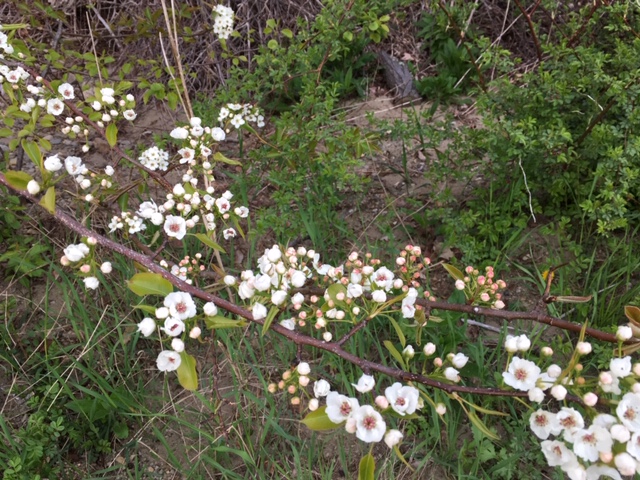
White blossoms on a branch.

Meditations on the Imagination Redeemed 2019

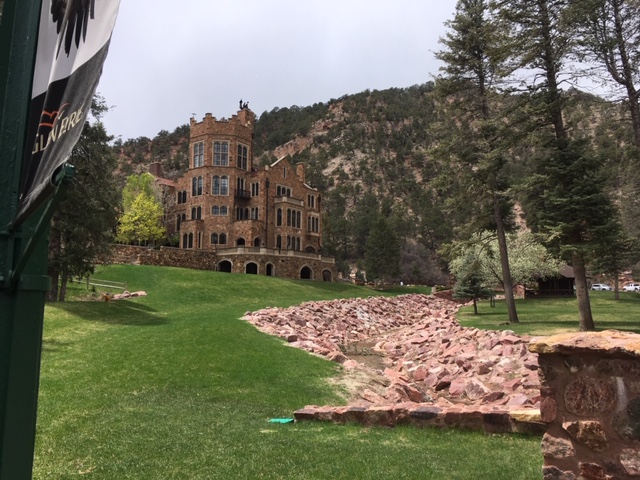
Glen Eyrie, a castle in the mountains.
Glen Eyrie

On Monday morning, I flew back to New England from the Imagination Redeemed conference in Colorado Springs – exhausted, full, and inspired. The conference was hosted by the Anselm Society, which hopes to spark a “renaissance of the Christian imagination” – a new understanding between the Church and the arts of how we can glorify God through visual art, music, literature, poetry, theater, and dance.

The conference was a feast of wisdom and fellowship. Scholars, artists, teachers, and writers discussed re-enchanting the church, medieval cosmology, sacred art, the moral imagination, writing as image-bearing, and more. I had wonderful talks with fellow attendees – writers, artists, ballet teachers, graduate students, opera singers, and others – about their work.

I’m tired. The richness of ideas and insights was overwhelming, and the red-eye return left me barely holding onto consciousness (my first all-nighter ever). But I’m also encouraged and inspired to meet so many people who are doing what I want to do, or share my ambitions: to glorify God through my art, to create and cultivate beauty, to share wisdom and joy through retelling God’s story.

I’ll probably reference the conference many times in future blog posts, but for now, I’ll share some of the goals the conference inspired:

Write – Heidi White’s talk about creating art inspired me to pour out essays, short stories, and books with greater courage, even if my words are only read by a few, because I’m not writing for my own fame or glory, but God’s. Lanier Ivester’s sonnet-writing workshop encouraged me to capture the inexpressible with imagery and challenge myself to greater creativity with meter and rhyme. Lancia Smith’s discussion of writing as image-bearing motivated me to bear or “bring forth” transcendent truths in stories.

Explore how my doctrinal beliefs shape me and my art – Though all the speakers were Christians, many came from an Anglican or Catholic background and discussed doctrines or practices that are outside of my faith tradition, including sacramental theology, a division between the clergy and the laity, and liturgy. Though Christians are all united by the blood of Christ and the Holy Spirit, doctrinal differences like these do shape our thinking and behavior. I want to explore my own theological framework to ensure that it is Biblically grounded and see how it affects my imagination, writing, and life choices.

Connect with other artists – I had so much fun meeting people who spoke my language, who know and love the same stories, who have similar dreams and challenges. Though I can travel to connect with other artists and writers, I would love to engage in that community here in New England, where geographical closeness makes it easier to build relationships.

Study – The speakers introduced me to so many fascinating ideas: musica mundana (medieval cosmology – “the music of the spheres”), kairos vs. chronos time, and more. I want to relearn Latin, study New Testament Greek, and read dozens of books and articles – a huge task, but all things I can accomplish eventually.

Engage with the Word – Junius Johnson, one of the speakers, encouraged artists and theologians to intentionally connect with each other. Theology is one of the best sources of inspiration, and art is a beautiful way to worship. I want to study the Bible deeply, reverently, and joyfully to better express God’s love and wisdom in my writing.

After learning so much and meeting so many wonderful people at the conference, I got to enjoy the beauty of Colorado Springs: Pike’s Peak shining with snow above the dark ridges of other mountains; Glen Eyrie castle tucked in a green valley; the Garden of the Gods, huge red rocks towering over the hills.

But it’s good to come home. In New England, soft pink buds are opening in the cherry trees, and new leaves are coming out in Scottish green. I’m tired, but full – eager to learn, to study, and to write stories of yearning.

Literary Role Models and Self-Revelation

Greek city on a mountain at sunset.
Photo by Nextvoyage on Pexels.com

I first wandered into the wild garden of Greek myths in second grade, during our private reading times at school. The classroom bookshelf had a huge picture book of gold, copper, ruby, and charcoal illustrations and (censored) versions of the most famous myths. I learned the melodic Greek and regal Roman names, magic on the tongue (Zeus/Jupiter, Hera/Juno), personalities, and powers of each character. Picking my favorite stories, and my favorite characters, was self-revelation and self-identification.

I picked my favorite goddesses: Athena and Hestia. I liked the serenity of Athena’s name, by her grey eyes, and her domestic and military powers – wisdom, craftsmanship and artistry, and battle strategy. I liked that she stayed relatively innocent amidst the other gods’ drama.

I liked the sweetness and peace of Hestia, goddess of the hearth. I liked the comfort and safety of home that she represented, the love and fellowship that her fire symbolized, and her quietness.

I didn’t like Aphrodite. Her taunting, flaunted beauty and airy carelessness reminded me too much of the pretty, popular, and mean girls whom I judged (unfairly) and envied (foolishly). Her arrogance reminded me too much of what I disliked in myself.

My favorite story was Cupid and Psyche’s. Psyche represented the woman I longed to be: beautiful, desirable, kind, and courageous. I’ve heard readers and scholars complain about the fairy-tale convention of “princesses who just sit around and wait for princes to rescue them.” I liked the idea of being rescued, but I also dreamed of being brave. Psyche was both; she went on a difficult quest, but still was rescued by a handsome husband and lived happily ever after.

These preferences have become valuable memories in adulthood, amber-frozen longings of my eight-year-old self. Though I found many other literary role models, these three help me understand myself better now. I recognize my longing for the qualities that Athena, Hestia, and Psyche symbolized: wisdom, confidence, freedom, security, and of course, unfading beauty.

In college, I struggled to find a paper topic for my “Classical Literature” course (you’d think after a few thousand years there would be more scholarship on ancient Latin and Greek texts), and finally contrasted the character of the goddess-guides in the Aeneid and the Odyssey. My old loyalty to Athena, and dislike of Aphrodite, held up under my research.

In the Odyssey, Athena shepherds her friend Odysseus with compassion and concern. She restores the peace to Ithaca and a joy to his and Penelope’s marriage bed and hearthfire that must have pleased Hestia.

In the Aeneid, Aphrodite hauls her son Aeneas across kingdoms and continents in total indifference to his happiness. She forces him to love, and leave, Dido of Carthage, and brings war and chaos to Italy.

I began my paper with the underlying truth behind the goddess-guides, though now I think my thesis sounds pretentious: wisdom is a better guide than passion.

Eight years old is so young – but remembering my eager search for role models reminds me that yearning to be something more than who we are begins early. My yearning helps me see who I was and who I longed to be.

For Creative Writers

Think about your favorite characters from childhood reading. What did they tell you about your own nature, and what you wanted to be? You can use these reflections in self-examination in personal essay and memoir, as well as in building believable characters.

For example:

Self-reflection

  • If you loved Hermione Granger from J.K. Rowlings’s Harry Potter series, was it her intelligence, her kindness, her sense of humor, or her friendships that attracted you? What does this tell you about your self-image?
  • Which is your favorite Marvel or DC Comics superhero, and why? Is it the character’s personality or superpowers that you find most attractive?
  • Have you read a book or watched a movie with a protagonist who you strongly disliked? If so, consider why: what does this tell you about yourself and your own relationships?

Character-building

  • Write down 10-20 fictional characters from various mediums (books, movies, TV, etc.) and genres on pieces of paper and mix them up. Pick 5 and make those the favorite characters of your own character. What does this say about your character’s personality and dreams?
  • Create a map of character traits (cheerful, angry, intelligent, anxious, etc.) for your character: three things they are, three things they want to be, and three things they don’t want to be. Match each character trait with a role model and show how your character’s actions are shaped by their self-perception and dreams.

Watch the Trees

Pink sunset over a river.

A few months ago, in February, the snow made the roads too slick and visibility too dim to drive to work. I worked from home at my dining room table, tapping away on my laptop and laughing at some plump robins I saw out the window. They hopped from branch to branch in the crabapple tree, gobbling up the small red fruit. The sun melted the snow into shining drops that hung and then fell beneath the robins’ feet.

Now, the earth hovers between wild, wet snowstorms (like this morning) and clear days when the air’s bitter chill softens. The bare tree branches, brown and gray, are gold in the radiance of early morning and evening. Like all seasonal transitions, this time of waiting feels special to me: as if we’re waiting for something that’s never happened before, that we’ve only dreamed about before.

In my school years, spring was the season of deepest, most painful yearning for me. Though I love learning, my shyness and laziness meant that I never enjoyed the schedule, work, and social demands of school. I connected summer with heaven: perfect rest (sleeping in), perfect peace (no scheduled schoolwork), perfect beauty (the maple trees all green, the peonies blushing pink), and perfect joy (playing, biking, swimming, or reading books all day). When warm breezes carried the smell of fresh earth and new growth, bright green leaves softened the trees, and deep-souled purple crocuses sprouted up, I ached for summer and grew increasingly grumpy in the classroom.

This is my third spring after finishing college, and I no longer connect summer with heaven. I’ve learned to love fall, the season I used to hate as the summoner of ugly yellow school buses, dead leaves, and the renewal of imprisonment in school. But spring is still a season of waiting.

“Watch the trees,” my college roommate and I used to warn each other solemnly. We joked about how quickly the buds on the trees burst into Scottish green leaves and fragrant blossoms, as if the trees conspired to surprise us every year. We tried to watch the bare branches carefully, every day, to catch those quiet signs of transition before the change.

I no longer expect the summer season be heaven and fulfill my dreams of rest, peace, beauty, and joy. But the uncertainties of young adulthood have replaced the feeling of being trapped and suppressed that I had in school. I longed for freedom, but sometimes it feels like I have too much: too many choices, too many opportunities.

As C.S. Lewis said in The Screwtape Letters (letter XXV), seasons are the perfect pattern of permanence and change, God’s perfect gift to fickle humans who long for both. I’m slowly awakening to the truth that life’s seasons, like nature’s seasons, have beauty and pain – and underneath, the bedrock of God’s promises, His goodness, His life.

I’m watching the trees. I’m waiting – with uncertainty, with impatience, but knowing that God’s joy outlives all seasons.

Cleats and Lipstick: Community and the Stuff of Life

In the rows of long gray tables in my elementary school cafeteria, the girls sat in groups. The tomboys sat with the boys in T-shirts and shorts. The girly-girls sat in groups of their own in flowery dresses and skirts, their hair tied back in colorful scrunchies, looking at the boys and then at each other, giggling. I sat alone in my corner, looking out at the playground and daydreaming about the Narnia book I just finished.

When my gaze wondered, I frowned at the tomboys, remembering the gracefulness and beauty of Disney princesses and the heroines of my favorite books. (Somehow the athletic grace and beautiful strength of Mulan, Eilonway, Aravis, and other favorite book characters didn’t occur to me). I also frowned at the girly-girls, thinking about all that my mom told me about inner beauty.

Clumsy and awkward in gym class, and paradoxically careless and shy in my appearance, I didn’t feel attracted to either group. I created two false binaries in my mind between sports and femininity, appearance-consciousness and inner beauty: I chose to think that I was too feminine to be a tomboy and too conscious of inner beauty to be a girly-girl.

And I sat alone for years. I drifted in and out of groups in the cafeteria and on the playground. Some years, I found girls to run and play with at recess, but other years I had no one. I watched the girls I saw laughing and talking in groups in the school hallways with envy, and read the weekend fun they displayed in Facebook posts. I played sports myself, field hockey and lacrosse, through high school. Books about deep friendships like the Chronicles of Narnia, the Wrinkle in Time series, and the City of Ember series were my escape, and I thought suffering and hardship would be worth it if I could only have the friendships they portrayed. I yearned for intimacy, sharing, community, but had no idea how to pursue it in real life.

Now that I’ve survived middle and high school and college and entered the working world, I find that the women I work with have the athletic talents of tomboys and the mannerisms of the girly-girls: they love spin class and marathons, their makeup and hair are polished, their clothing is designed and arranged carefully. I’m learning that you need to present yourself well (hair, clothing, makeup) and have healthy, fun things to talk about (hobbies or sports) in order to engage in the life-sharing and communion of experience that is friendship. And I realize now that my elementary-school-self’s scorn for tomboys and girly-girls both was a mistake based on a half-truth.

I thought I was choosing femininity and inner beauty by scorning the sports clothes, the hair styling, the clothes, the makeup. I’m realizing now that the things I scorned were part of the “stuff of life,” the mediums through which girls experienced friendship and fun. In pursuing strength, speed, style, and beauty (good things, though they don’t determine a person’s value), girls formed the bonds I longed for. Complimenting another girl on her outfit affirmed her; practicing drills or running together supported her; borrowing each other’s shoes expressed solidarity and trust; recommending different brands and sharing tips were signs of caring.

The writing class I took last fall taught me that abstract principles like love and kindness are mediated (communicated) through the concrete, physical world. In scorning other girls’ preoccupation with high heels and lipstick, cleats and lacrosse sticks, I thought I was being deep, not shallow: choosing the higher values of character over the shallow priorities of vanity. But my scorn wasn’t humility or wisdom – it was pride and ignorance. Sports and fashion can be beautiful, healthy ways of self-expression and avenues of friendship; a girl can pursue both as well as femininity and inner beauty. In rejecting them completely, I rejected one of the main opportunities to engage in community that my school years offered.

In the stories I want to tell, I need to express abstract truth through physical realities: the “stuff” that makes up other people’s lives. For example:

  • In Emily Bronte’s Wuthering Heights, Cathy extends friendship to Hareton by giving him a book. Later, they plant a garden together.
  • In Louisa May Alcott’s Little Women, the girls get ready for balls, skate, and do a hundred other activities together. John Brooke keeps Meg’s glove because he is falling in love with her.
  • In L.M. Montgomery’s Anne of Green Gables, Anne’s friendships with Diana and other girls fall into a pattern of school, church, and social events like concerts.

Below, I’ve listed some of the physical things and activities that I remember signified the tomboys and the girly-girls. To me, this “stuff” represented worlds I didn’t want to enter, but they could have been conduits for the connections I yearned for.

Tomboy “things”: soccer balls, field hockey sticks, cleats, mouth guards, goggles, gloves, shorts, water bottles, bats

Girly-girl “things”: perfume, hair straighteners, curlers, mascara, foundation, lip gloss, lipstick, concealer, eyeliner, eyeshadow, blush, eyelash curlers, clips, bobby pins, earrings, bracelets, necklaces, tops, sweaters, jeans, heels, boots, scarves

What “stuff” (from work, from hobbies, from leisure time) fills the lives of the people around you? How can connect with someone through the things they own? For example:

  • New homeowners – paint cans, brushes, spackle, couches, chairs, rugs, mirrors, bookcases, books, kitchen supplies, curtains, shovels, rakes, grass seed, sprinkling equipment, garbage cans, leaves, sticks, new plants
  • Chefs – pots, pans, dutch ovens, spatulas, spoons, rare ingredients, spices, condiments, favorite restaurants
  • Musicians – musical instruments, picks, polishes, audio equipment, music sheets
  • Boat building – wood, saw, sanders, stands, shed
  • Pets – beds, brushes, leashes, collars, electronic fences
  • Artwork – canvases, paint, paintbrushes, pastels, charcoal

Resonance: Stories that Echo

Pink sunset over a beach.

Within my love for stories is embedded several, more specific affinities. One is for echoes, writers’ allusions to each other’s owork across the ages in archetypes, allusions, and retellings. I love tracing certain ideas across literature: for example, the fact that Cyrano de Bergerac’s large nose alludes to the classical poet Ovid’s physiognomy, or that Huckleberry Finn’s adventures fit into the genre of Bildungsroman.

Sitting in my British Literature Survey class, the first freshman English course at my school (where they weeded out all but the most passionate literature-lovers), I listened to my professor describing the land of Beowulf. She outlined the social structure of the mead hall, the king and the warriors, the scop’s entertainment during the nightly feasting in the communal sleeping hall, and though I had never read Beowulf before, I was thrilled by my own recognition. I had seen it before, as Tolkien’s Rohan.

The best writers are (usually) excellent readers, like rivers fed by the tributaries of their predecessors. They soak in wisdom and knowledge, images and patterns from their favorite works and then recreate them in the freshness of their own experience.

As a growing writer myself, I struggle to create stories that are wholly my own, while still following the traditions I love. For years, I longed to echo the stories I loved, with all their beauty and wonder – and created a rehash of C.S. Lewis, J.R.R. Tolkien, Lloyd Alexander, Madeleine L’Engle, Martha Finley, Roald Dahl, Elizabeth Bishop, L.M. Montgomery, George Macdonald, Elizabeth Winthrop, Betty Brock, Betty MacDonald, and Lynne Reid Banks that brought nothing new to the genre.

Around ten years old, I gave up. I finished Lewis’s Voyage of the Dawn Treader and felt the depths of joy and longing at its end fill my soul. I realized that I didn’t have the maturity to write something that rich – so I decided to stop trying.

I grew, and wrote, and started many stories that I never finished. I yearned to write about crumbling castles and mysterious mansions, faraway mountains and fantastic adventures, but scorned my own attempts as pathetically derivative.

My last semester of college, I took a Creative Writing course in which the professor had us read two short stories a week and write a reflection of what we wanted to “steal” (artistically imitate) from them.

I read Ursula K. Le Guin’s short story, “Ile Forest,” in the anthology I bought for the class. The richness of its gloomy atmosphere and wild setting, its old secrets and new passions, captivated me. I found myself questioning my self-imposed creed: Le Guin wrote a story brimming with tropes – the mysterious old house in the ancient forest, the enigmatic hero, the beautiful young woman, love and longing, in 1976 – years ago now, but long after those elements had been invented and reused by all those who came before. Were they trite, or classic?

I read Zilpha Keatley Snyder’s The Velvet Room and had a second shock: she, too, wrote yet another story about a mysterious old house – but I loved her book. She made it her own mysterious old house. So did Megan Frazer Blakemore in The Water Castle, and Jacqueline West in the Elsewhere series, and Daphne du Maurier in Rebecca, and Maryrose Wood in The Incorrigible Children of Ashton Place. I just finished Elizabeth Goudge’s bewitching, exquisite book, The Bird in the Tree, which is full of “tropes” – the mysterious old house, the place-of-refuge, the little village by the sea, and the drama of family.
Write what you know. I think that’s true; no one is going to be very impressed by my tale of an archeological mystery in Egypt unless I do a lot of research first, and even then, knowledge is often a pale imitation of experience. Yet the rule that is new to me (though others have discovered it first) is write what you love.
What settings, characters, plot structures, and genres inspire you? What sets your heart on fire, and lifts the weight of exhaustion and boredom from your shoulders when you think about it? What stories heal and comfort you? And what do they all have in common?

Choose a few ideas, settings, situations, etc. that could be considered tropes, and then think about how you could make them your own. I listed some of mine below.
TropeMaking it Mine
The child who is swept away from a dull/painful life to a magical country– Recasting the main character as an adult
– Making the real world better/happier than the magical country
– Creating an especially imaginative magical country; for example, as fascinating as The Rainbow Prison in Bruce Coville’s Luster series
– Playing with the obligatory lesson that the child learns; not the usual one of learning to “be brave” or “how to make friends,” but something less common like “doing justice” or “creating beauty”
The ancient, mysterious forest– Make the forest echo a real, earthly region its gorgeous intricacy: temperate, boreal, a bayou, a rainforest – use the beauty of a real ecosystem to make the fantasy more powerful
– Create a magical system that rules the forest with specific laws (ex. a certain species of tree becomes a gateway to other worlds at night)
Life of a poor but happy family– Pour my own experiences into each character; create tension through anger, jealousy, misunderstandings, loneliness, and frustrations that I know personally
– Give the family, or specific members, some creative or magical ability that makes up for their poverty
Send the family on an adventure

Like Roald Dahl’s BFG mixing dreams, I can “steal” (not plagiarize) the qualities of the stories I treasure and stir them into my own tales. My dreams, and my joy, could resonate as continuing echoes in the tradition of world-makers.