The Gray Dawn of Easter

Gray, misty sunrise over a rippling lake.


Warning: Some spoilers for The Lion, the Witch, and the Wardrobe and Jane Eyre included.


In C.S. Lewis’s The Lion, the Witch, and the Wardrobe, Susan and Lucy witness Aslan’s sacrificial death at the hands of the White Witch. They spend a sleepless night of anguish watching over his dead body. In the morning, Lewis gives one of the most powerful descriptions of atmosphere that I have ever read: 

I hope no one who reads this book has been quite as miserable as Susan and Lucy were that night; but if you have been — if you’ve been up all night and cried till you have no more tears left in you — you will know that there comes in the end a sort of quietness. You feel as if nothing is ever going to happen again. At any rate that was how it felt to these two. Hours and hours seemed to go by in this dead calm, and they hardly noticed that they were getting colder and colder. 

I was seven years old when I blazed through the Chronicles of Narnia, and I have never forgotten my sense of awe at how deeply I identified with this. I have never watched someone die, as these characters did, or gone through this level of overnight trauma, but I knew what that gray dawn and quiet despair felt like, bone-deep. Every child knows the exhausted stillness you feel after a full-blown storm of crying. Every child knows what it’s like to wait in the silence, worn out, for something to happen. 

In high school, my family watched the 2006 Masterpiece Theater version of Jane Eye. There’s a sinister, mysterious, and very gothic scene in which Jane tends to a wounded man at night, in secret. The morning after, Jane and a character she’s becoming very close to wait in the gray dawn as the wounded man’s carriage drives away. It’s a moment of many unanswered questions. Jane doesn’t know how the man was wounded or the full story of what’s going on at the house. But the film beautifully conveys her relief after being so close to an unknown terror, the growing closeness between Jane and this other character, and the stillness of dawn after darkness. A different gray dawn, but the same feeling as that scene from The Lion, the Witch, and the Wardrobe: hushed stillness. Waiting. Expectancy. Liminality.

Those gray dawns make me think of Easter: the morning of the Resurrection. The disciples were left grieving, shocked and ashamed about abandoning their Shepherd. All who loved Jesus were somewhere between numbness, shock, sadness, and bewildered, especially after His Triumphal Entry the week before. And then — the voice in the garden. The man in the room. The figure on the shore. The traveler on the road. The Sun of Righteousness with healing on his wings (Malachi 4:2, referenced in Luke 1:78) bursting from the gray quiet with a new, contagious, everlasting life. Blazing joy and wonder: silence becoming song, gray turning old, and grief becoming glory.

Easter has such a different atmosphere than Christmas. Christmas is a delightful combination of merriment, wonder, coziness, awe, mystery, beauty, and festivity. Easter has a pain in it that transforms into an even greater splendor: great grief and great joy, darkness and light, horror and beauty, pain and victory. The scandal of Christmas is the divine becoming flesh, God sending His Son as a tiny baby instead of a warrior-king. The scandal of Easter is that humble king laying down his life, choosing humiliation, torture, and death, and turning them into a victory over death itself. 


March was a gray and cold month after a long, bitterly cold winter. We were stuck under frozen snow for a long time, battered by winds, chilled by temperatures that stayed under 10 degrees longer than they usually do in New England. As we were just climbing out of the worst of it, I drove down to the Square Halo conference in Lancaster, PA, the first faith-and-arts conference I’ve been to in four years. It was beautiful. I attended lectures about Biblical images woven into music, the history of “a Christian worldview,” and legacies of hospitality and friendship. I talked with writers and artists whose story ideas, current projects, and perspectives deeply encouraged me. 

At the end, Jon Guerra and his team gave a beautiful concert. They led us in singing a new song with a chorus that is still echoing in my head: “our sorrows, our sorrows, will turn into joy.” Eventually, all our gray dawns will give way to golden mornings — even better, to a Day that will never end. That promise was bought for us with blood. 

Easter, the sunrise and springtime of the world, will never grow old. 
Musings from the UK: The Lake District, Edinburgh, and Durham

After some full, exhausting days at Oxford (we walked 13 miles each day), we went to the Lake District, Edinburgh, and Durham. Miles of train travel past thick forests, green fields, and small villages showed me that some of my favorite books – Watership Down, Jane Eyre, A Room with a View, and others – captured and mythologized a place of real beauty and intrigue. The feeling of being in a story turned out to be a theme of the trip.

I also gained a new appreciation of J.K. Rowling’s genius. Train travel is fast, convenient, and lets you relax and watch the countryside, but is also stressful, dirty, and chaotic. Rowling turned a monotonous necessity into a delight with the Hogwarts Express. I kept thinking of Harry Potter every time the food cart rattled by.

I also gained even more insights about imagination and story-telling.

Stories are mythologized truth

Every scene was a story; I’ve read about the loveliness and mystery of this place from dozens of authors. They saw truth, and they told it slant. The shaped it in imagery and metaphor and breathed life into characters who embodied the human experience.

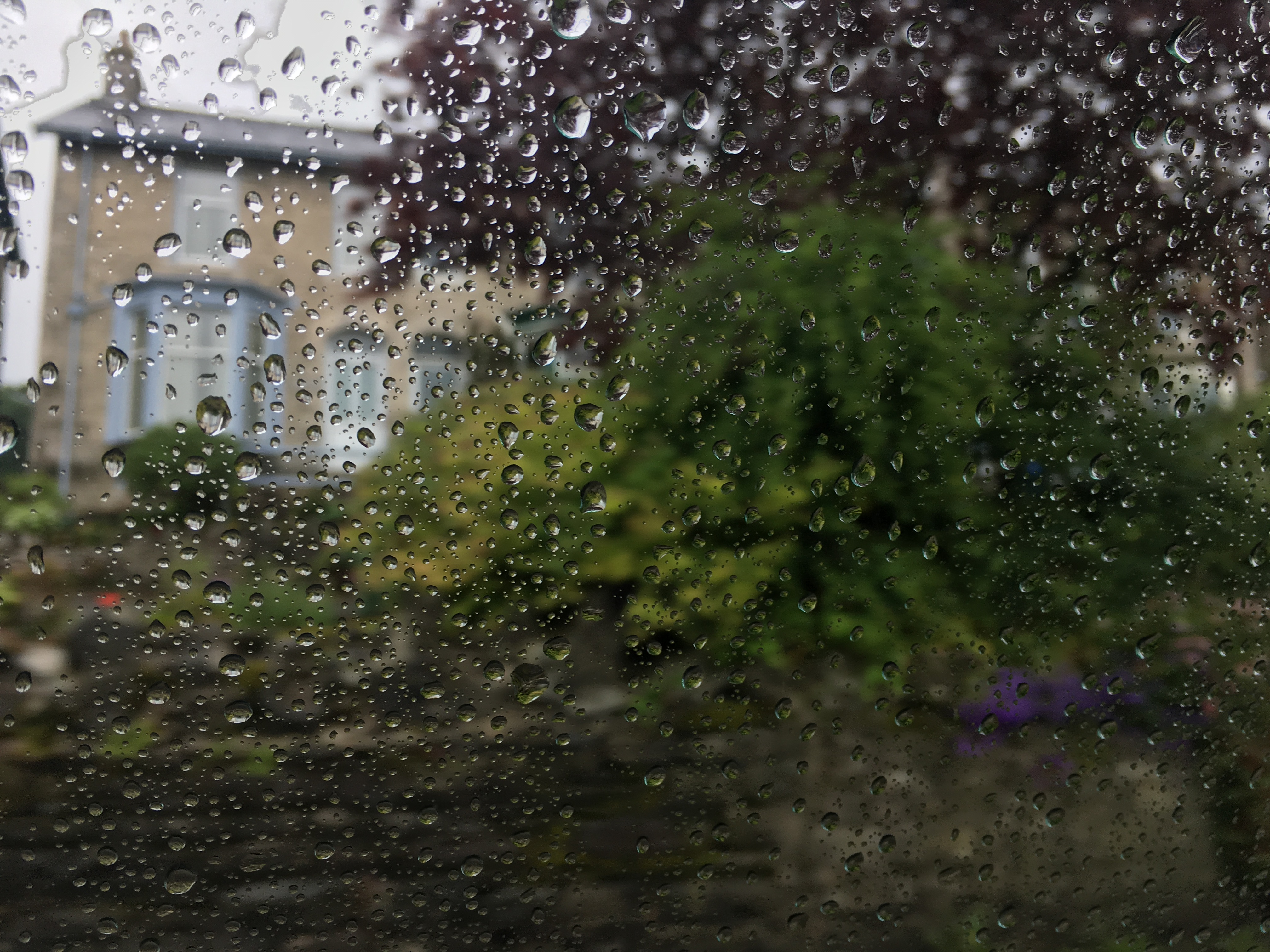
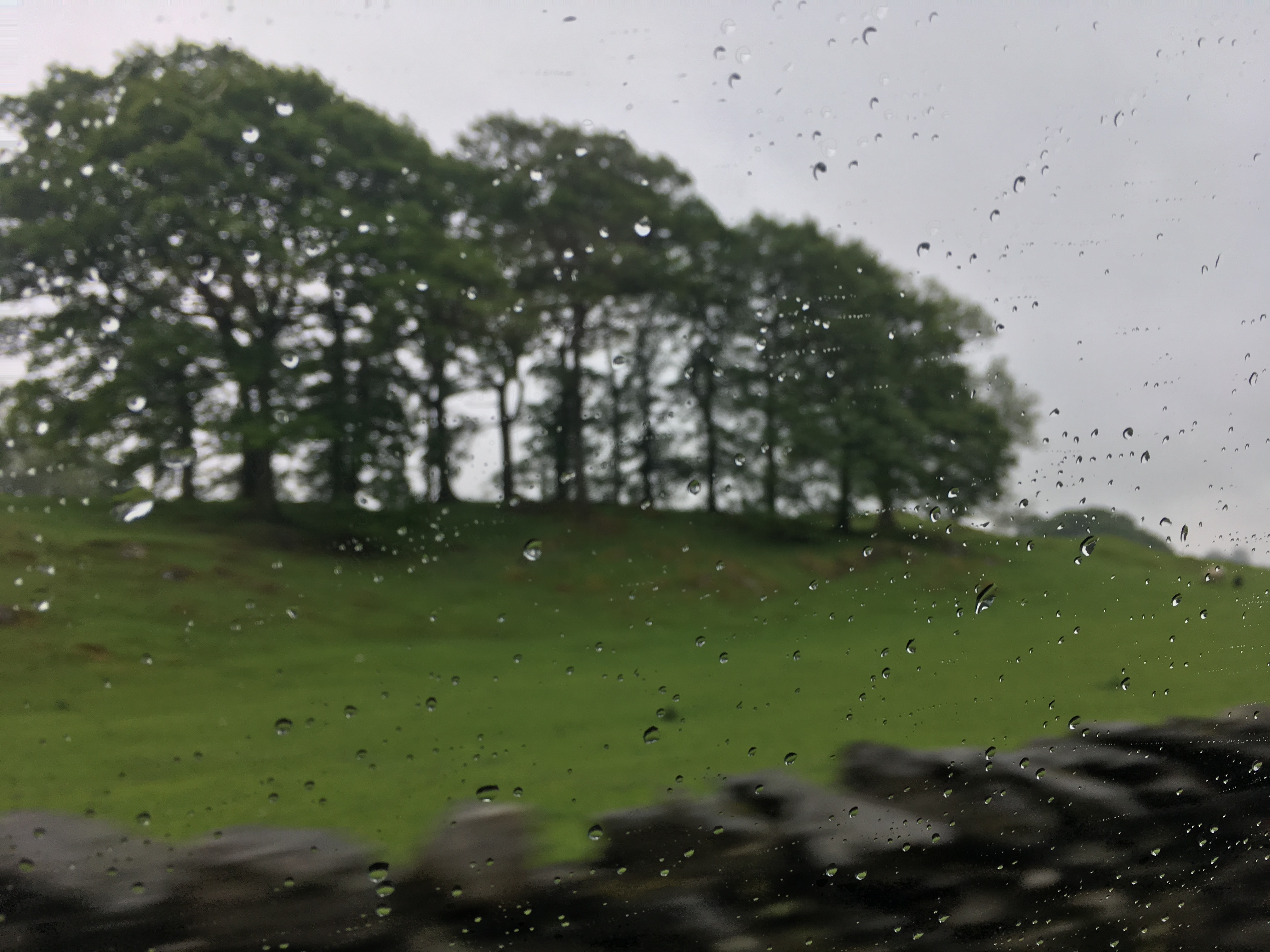
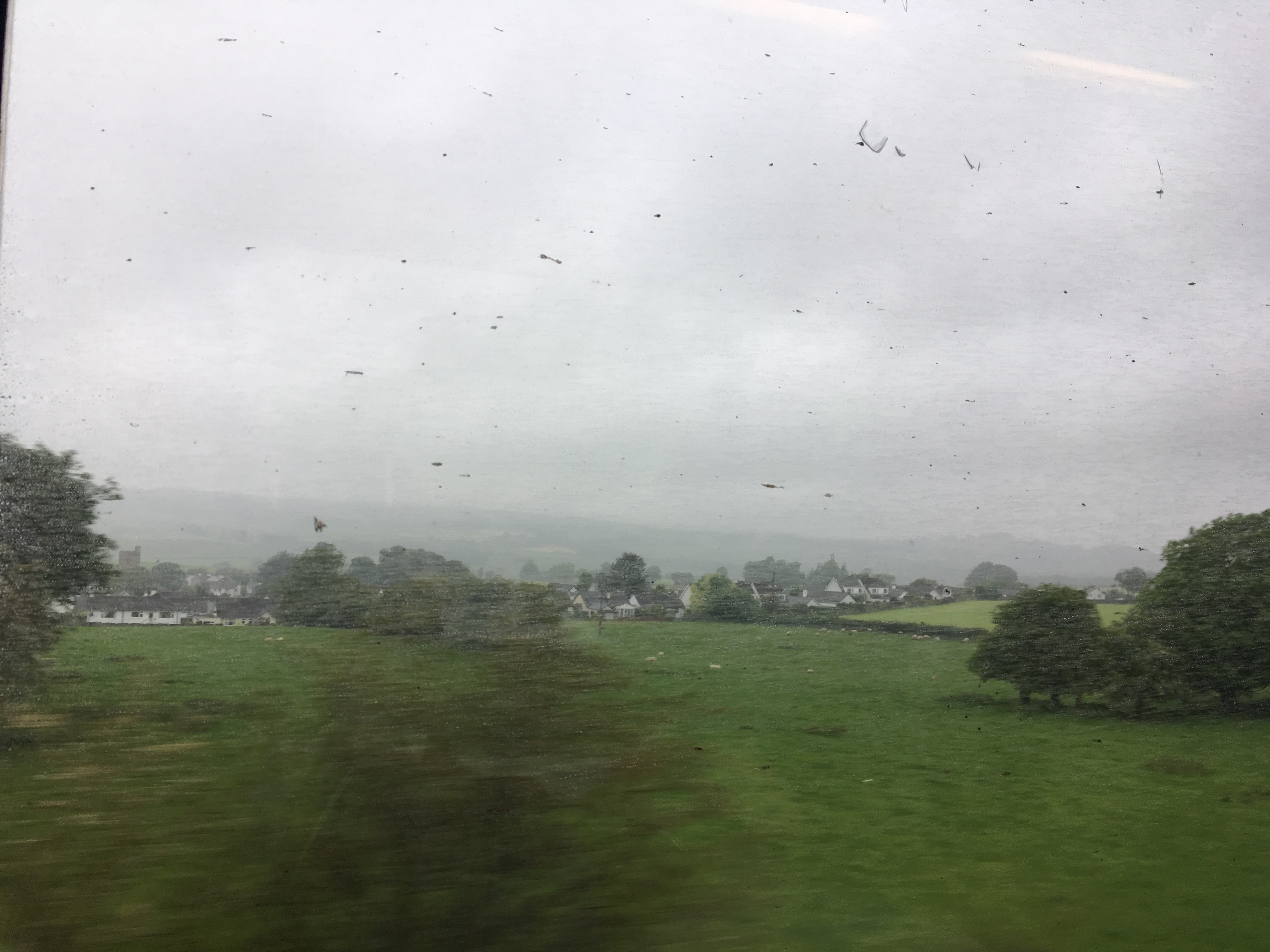
Kendal was all gray stone, with tight corners and winding streets – somewhere Father Brown or Sherlock Holmes would have walked. The taxi ride was on winding rows and hills through green fields, pastures, low stone walls, hedgerows, woods, and little farms – a country of borders. You’ll have to take my word for most of it; our speed and the rain made picture-taking difficult.

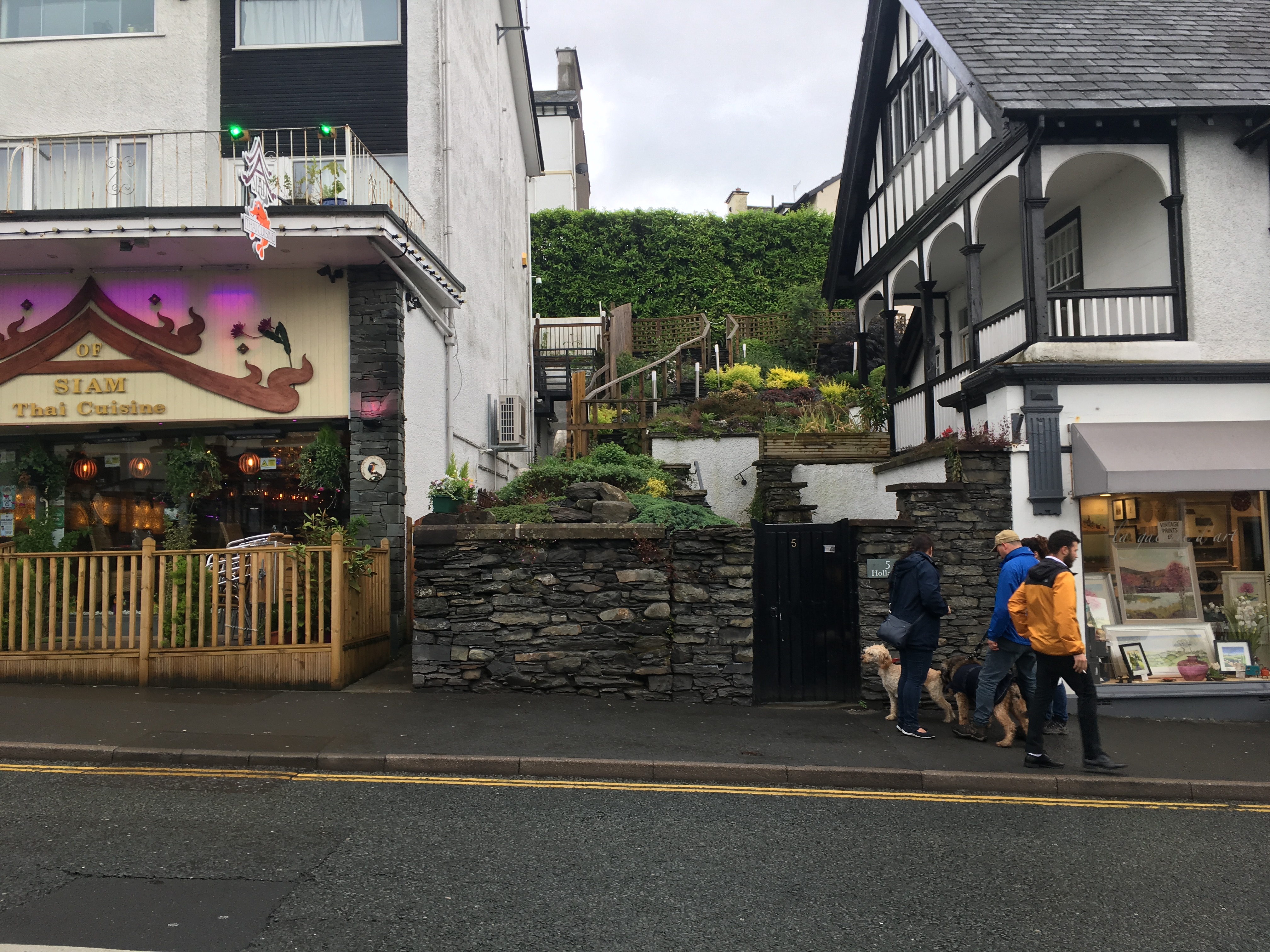
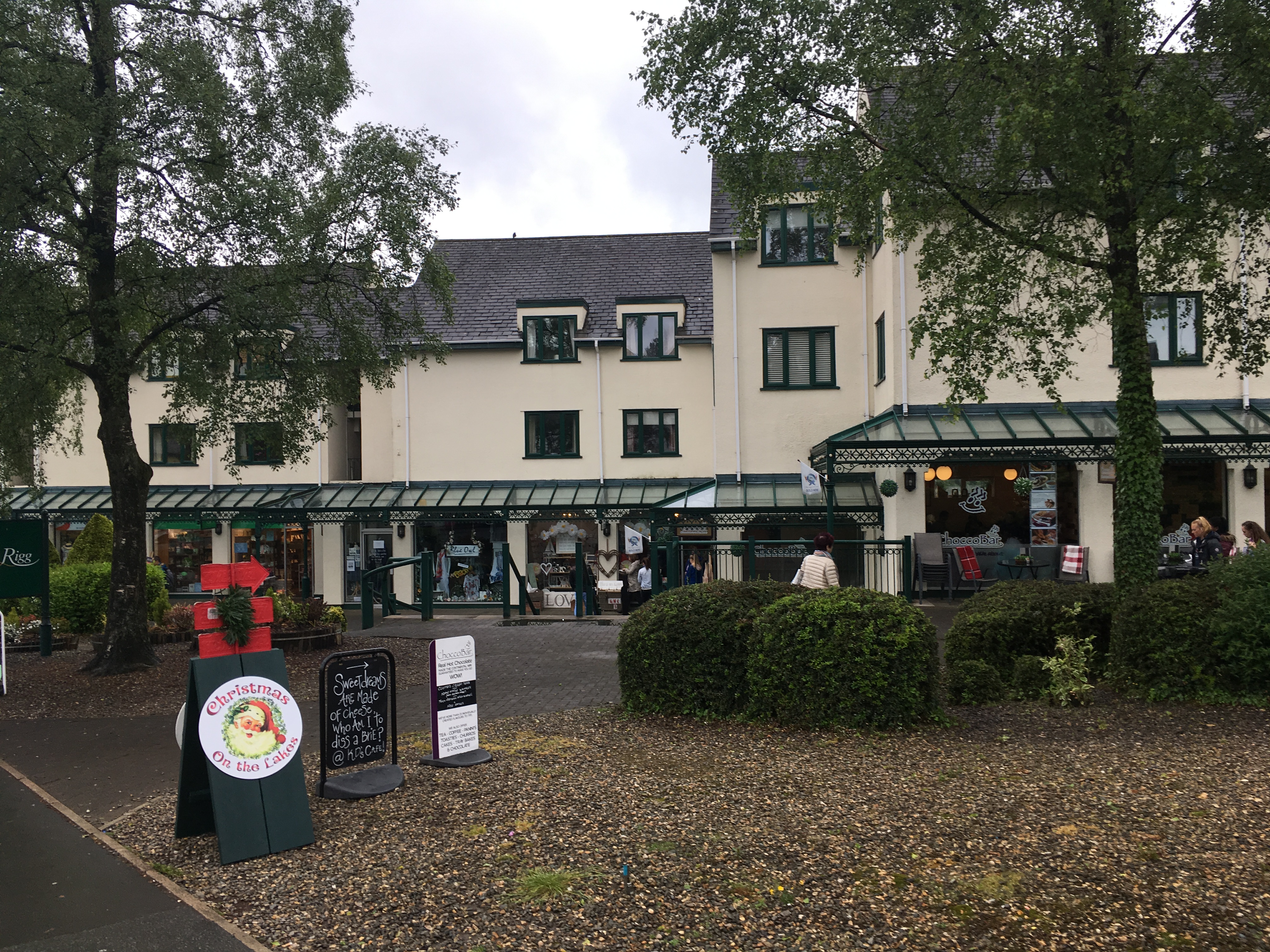
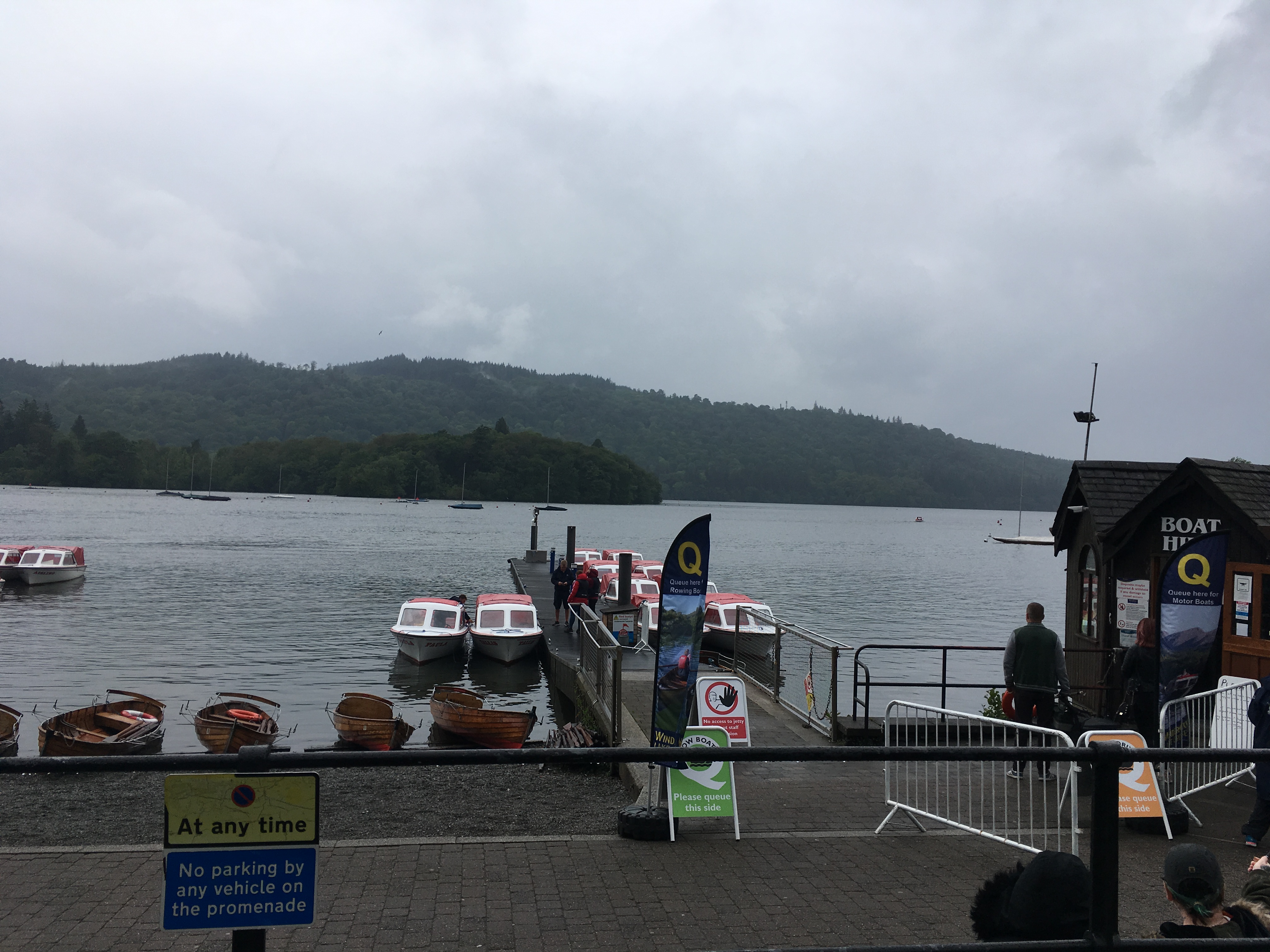
Bowness-on-Windermere, a village next to Lake Windermere, was all shops and restaurants painted white, walled gardens with white and yellow roses, and a shining lake reflecting the green mountains around it. It was Laketown from The Hobbit.

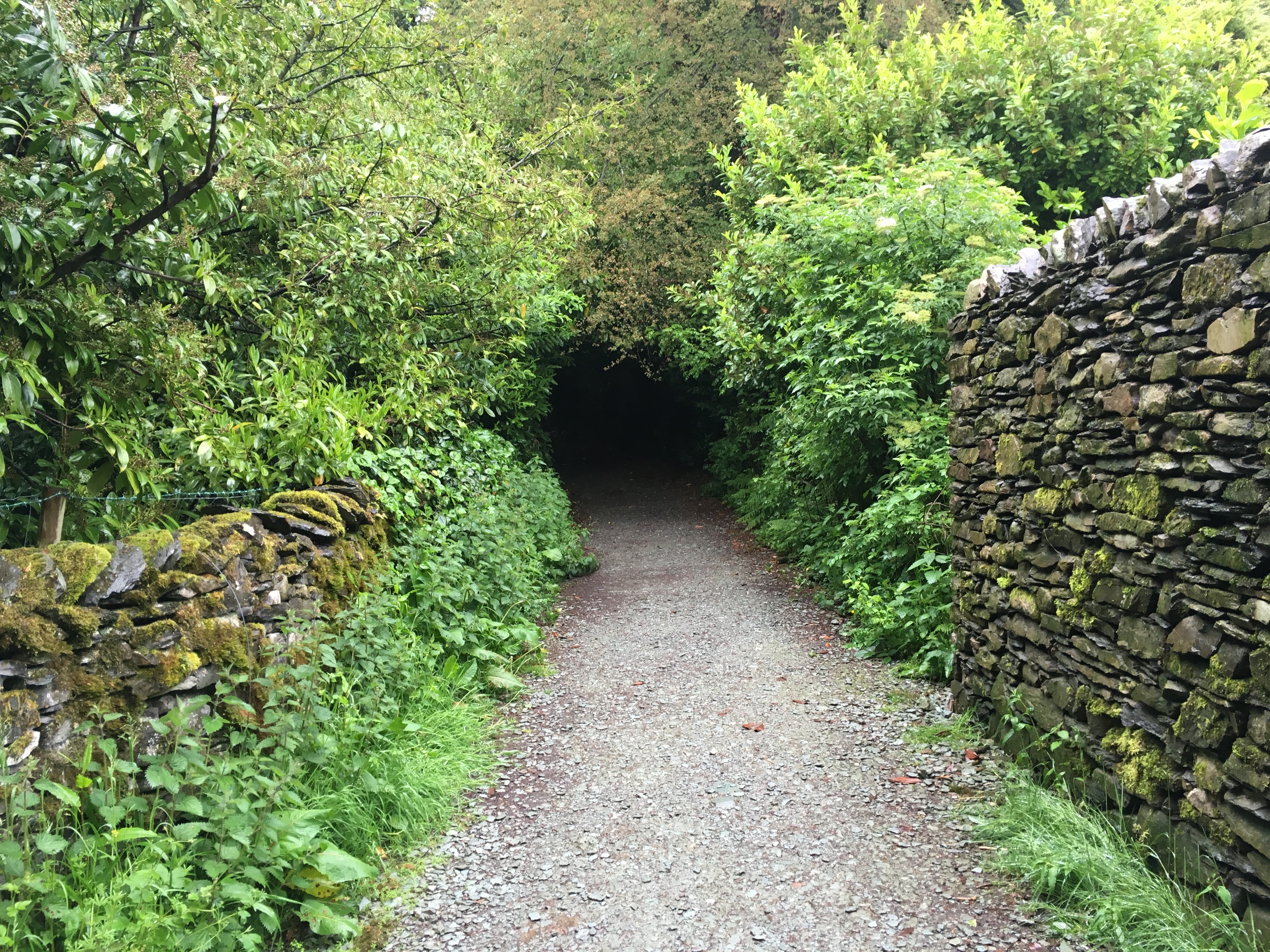
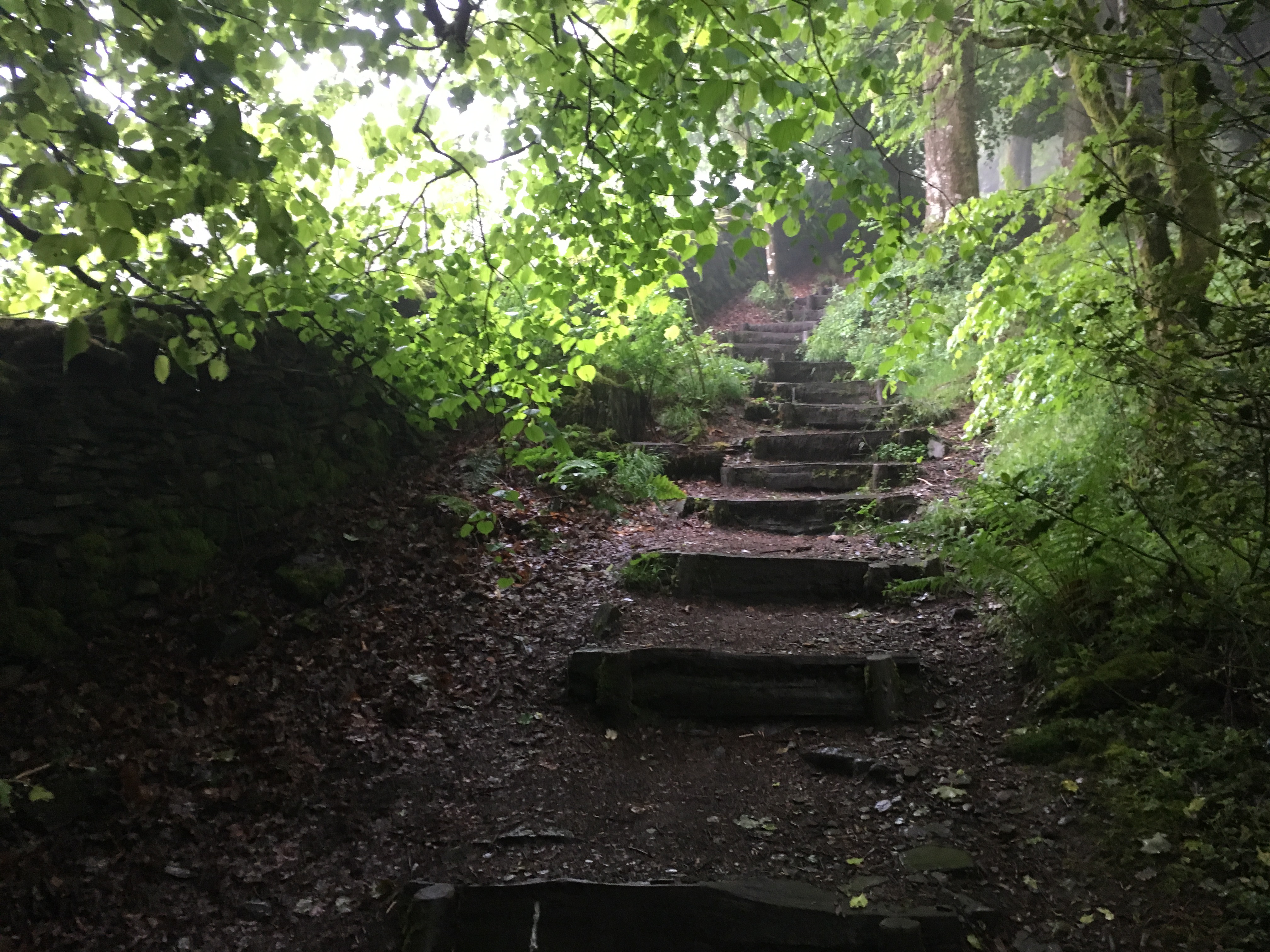
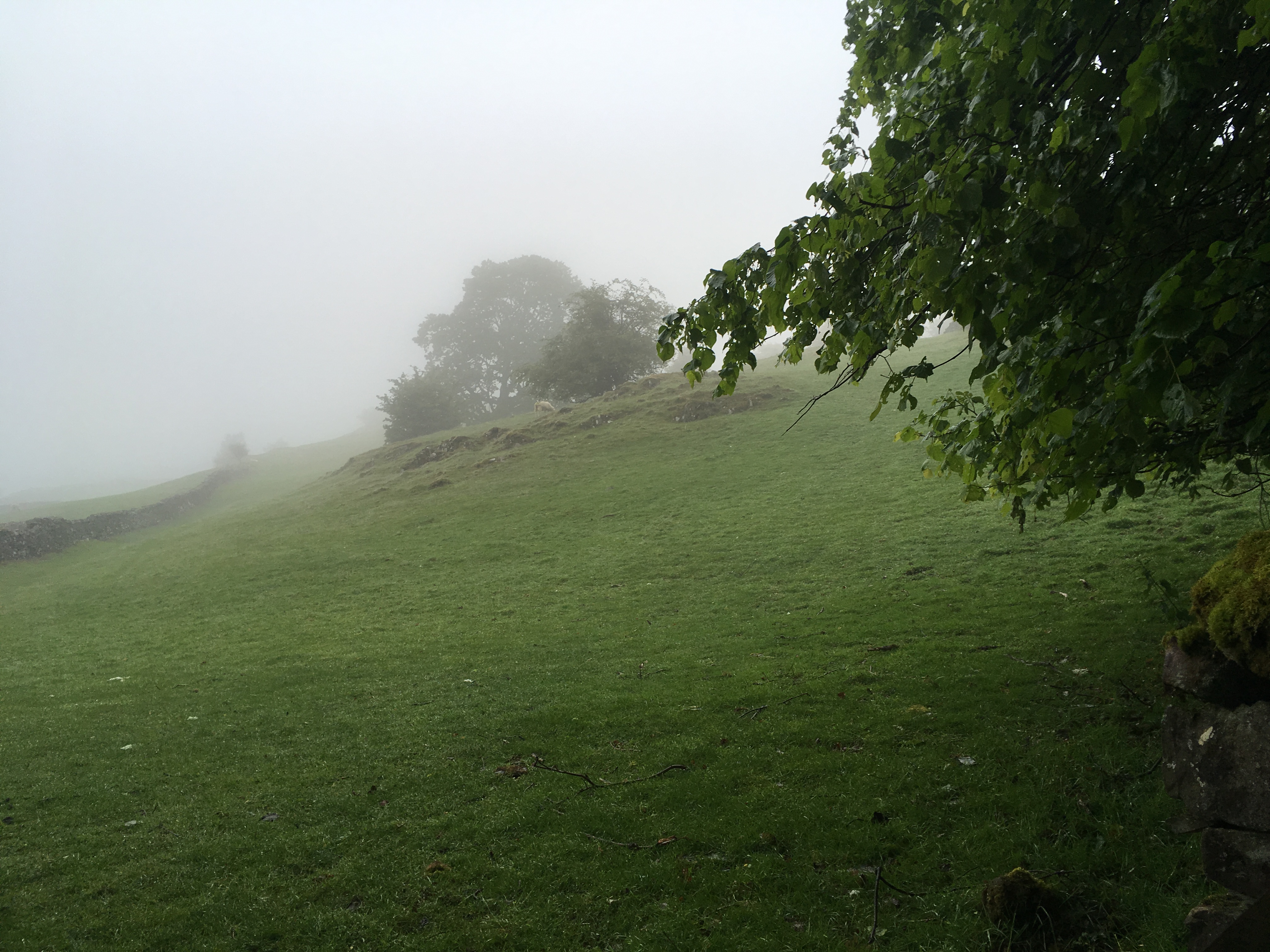
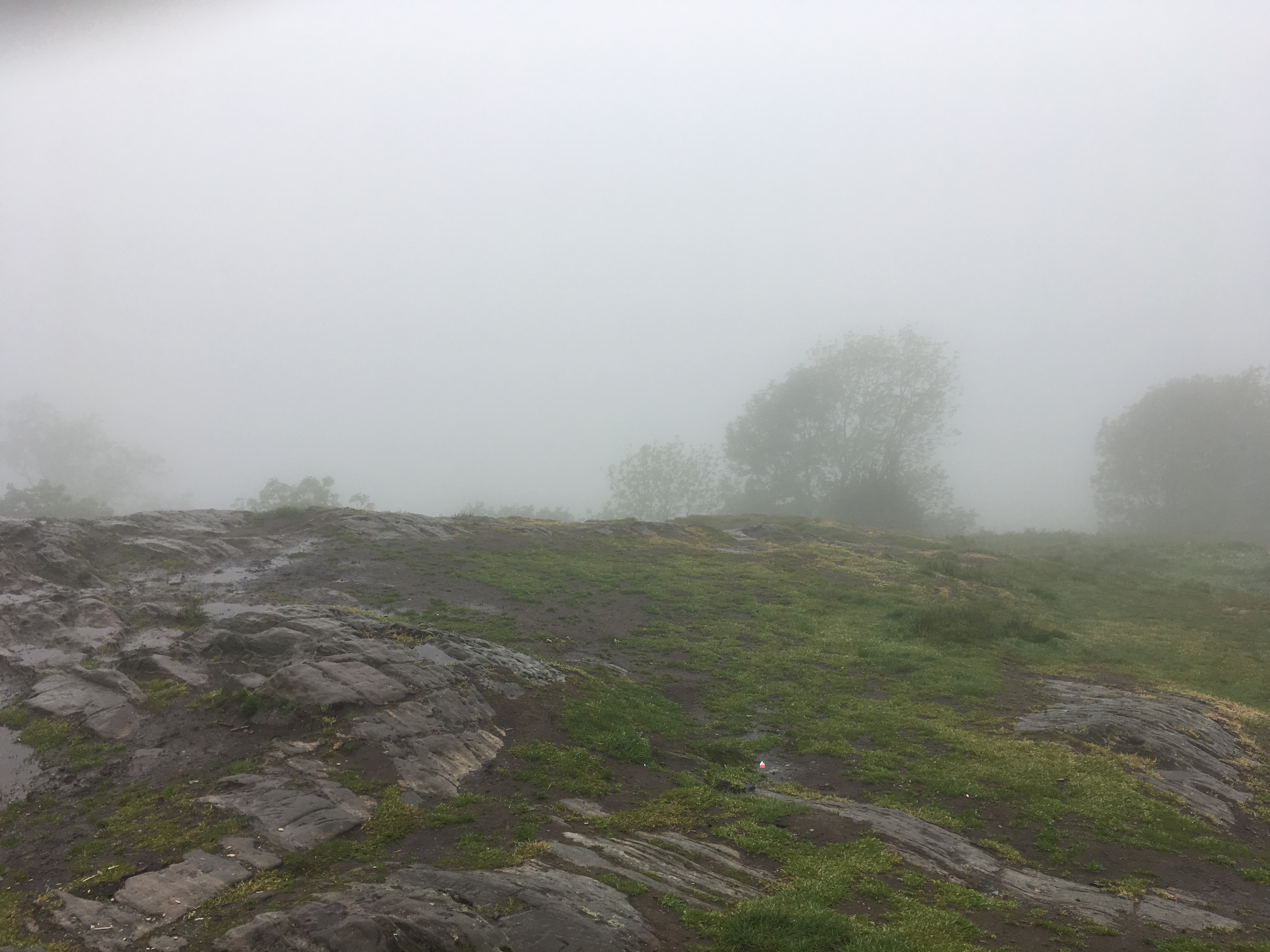
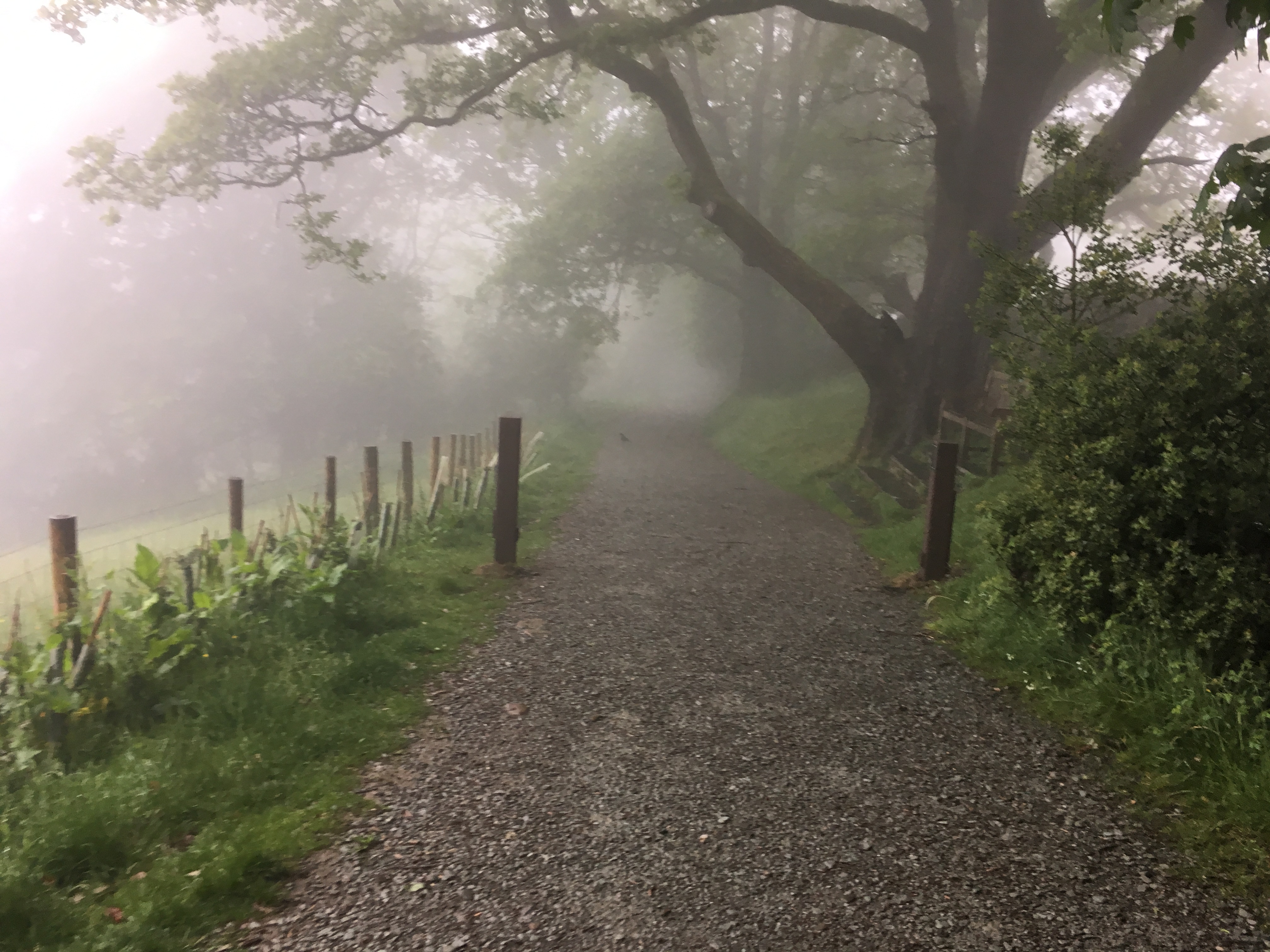
The hikes were glorious. We stepped into a shadowy tunnel of green trees covered in thick moss, up through hill pastures ringing with the forlorn bleating of sheep, to a hilltop shrouded in silvery mist. The dim outlines of trees were all we could see, but I didn’t mind – it felt secret, ominous, and foreboding as Weathertop or the moors of Wuthering Heights.

The magic of stories is the magic of real, natural beauty on God’s earth, expressed in minute detail by people He gifted with wordcraft. I’m burning now to spin a story out of the beauty of New England.

Travel for people

The allure of the Lake District, Edinburgh, and Durham was worth traveling to see. But the best parts of this trip really were the people. Though we trekked 15 miles up and down the streets of Edinburgh to collect Scottish tartans and chocolates as souvenirs, it’s the conversations that I value the most.

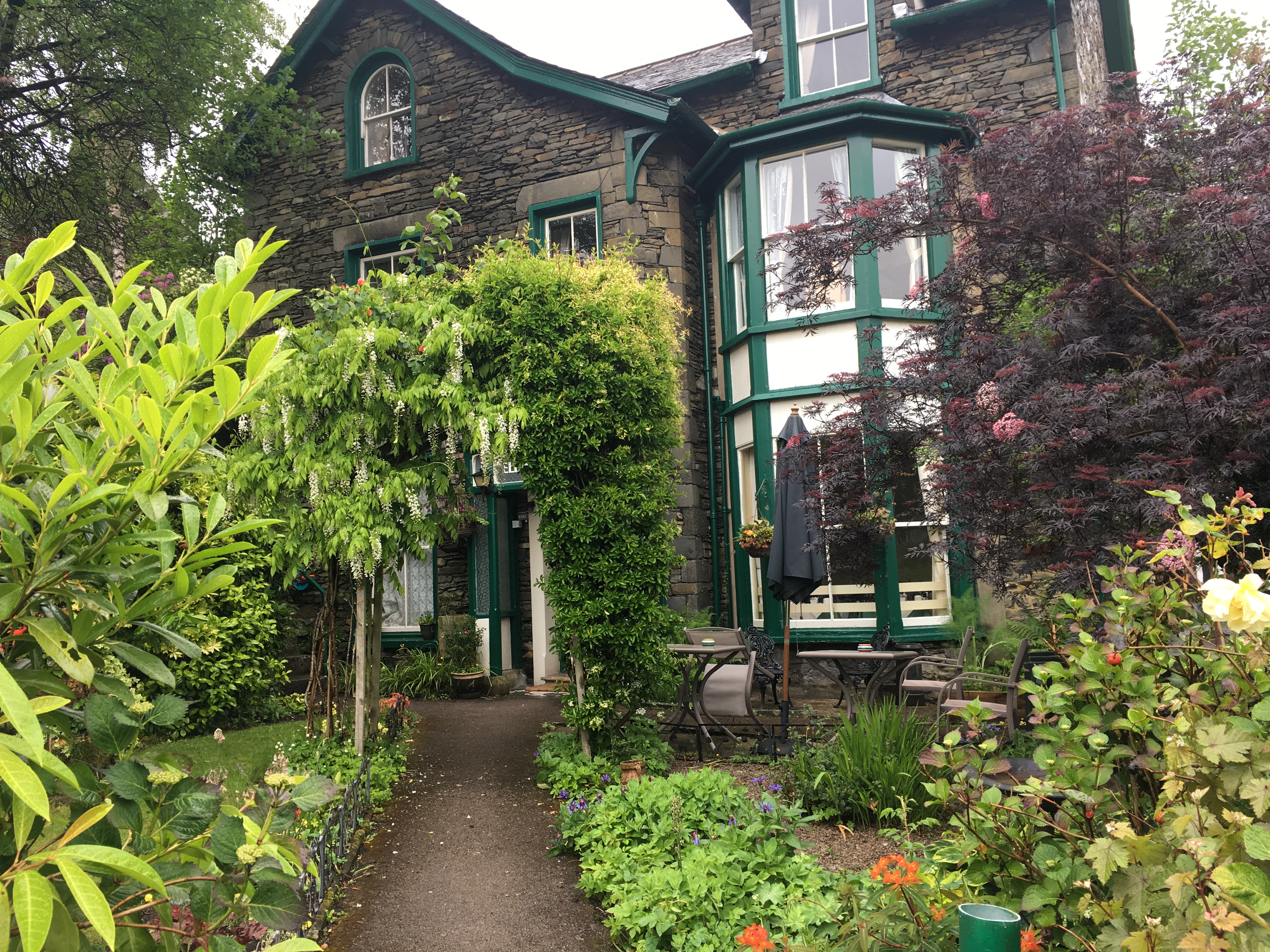
We talked with our taxi drivers about English weather (one said that snow shuts down the Lake District; the other said that now winters were too warm and wet for snow); “health and safety” regulations set by the government; and regional accents (two of them warned us about Liverpool and Newcastle accents). The owner of the hotel in the Lake District told us what he knew of the history of the place, his previous career, and his aunt’s paintings which hung in the dining room. I spent hours talking about food, travel, dating, and culture with two Americans, a British woman, and an Australian woman on our last train.

In college, and just after, every glamorous Facebook picture of my friend’s travels filled me with envy and yearning: European castles, Italian vineyards, and tropical reefs. Now, after being able to take a few pictures of my own, I feel stronger knowing that I want to travel for people, not just scenery – fellow travelers, conference attendees, and hopefully new friends.

Seek out the family of God

Sunday morning in Durham, just before we had to get back to Heathrow, I was feeling sick, and we were both tired. We persevered enough, however, to get to Christchurch for their service.

The meeting room had a high ceiling, large windows, and white paint that caught the light. It was full of families: men and women talking in small groups, college students, and children who ran among the metal folding chairs, filling the room with laughter.

“If you get Jesus wrong,” one pastor began, “you get everything wrong, and you can’t relate to Him.” We recited the Nicene Creed, and sang through Christ-centered songs based on the Psalms. The main pastor talked through Psalm 8, pausing at verse 2:

Out of the mouth of babies and infants,
you have established strength because of your foes,
to still the enemy and the avenger.

“Oh, good,” he said, when one of the children there let out a happy cry. “I was hoping that would happen. In fact, I prayed that it would happen.” He continued to explain the majesty of God in making human beings, as helpless and small as babies, into priceless treasures. He went to Hebrews 2 to explain how Adam’s race had failed to rule this world as God created us to, but Jesus Christ became the ruler Adam failed to be.

I felt like crying with joy; to travel across the Atlantic and much of England and Scotland, and then find my family – radiant with worship, full of love for each other, steadfast in the truth – was exactly the encouragement I needed.

And then we returned. Now, I sift through my memories and new resolutions: to mythologize the beauty around me in stories; to use travel to build relationships, not just view pretty scenery; and to seek out the family of God everywhere.

While we were gone, summer arrived: tree canopies are lush and green, white spirea and pink rhododendrons are blooming, and the ocean is impossibly blue. For the first time, I can taste the sweetness of the word homecoming.