Winter Eyrie: “Safe Haven” by Bethany Sanders

March is ending, and the magnolia, cherry, crocus, and other blossoms are still promising to appear – maybe by Easter. I was worried that a winter-themed collaboration would seem ridiculous if it stretched into April, but the chilly weather and drooping hemlocks in the woods make the series still very fitting.

The penultimate contribution to the Winter Eyrie project is a piece by Bethany Sanders that offers comfort, coziness, and wonder. Her excellent description of the textures and nuances of the senses – especially smell, taste, and hearing – made me want to pay more attention to the wonders of my own world. Enjoy!

Safe Haven

by Bethany Sanders

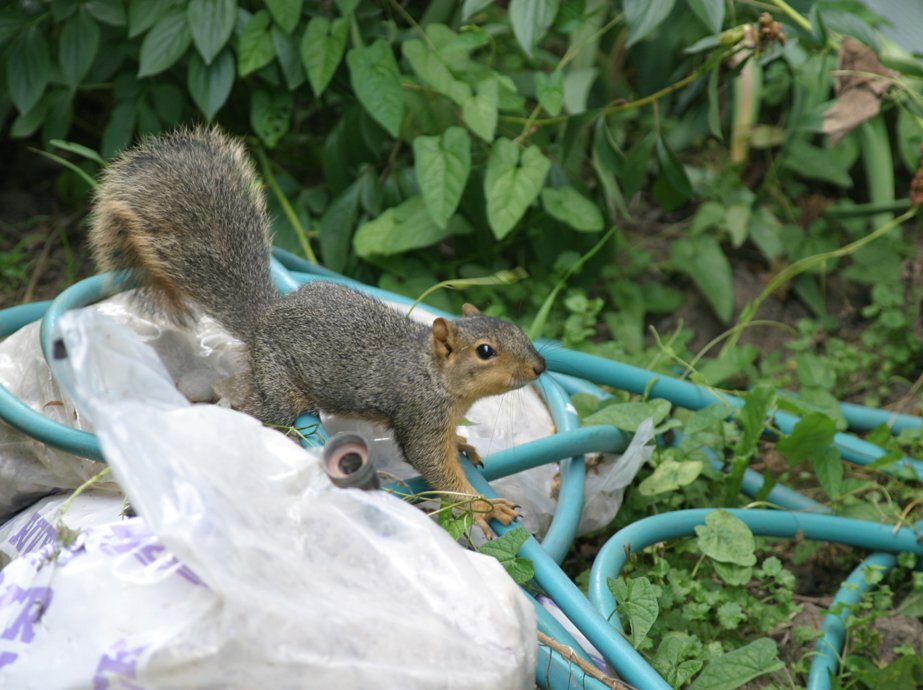
I could feel the light even before my eyes learned how to open. The light didn’t feel like my mama or my brothers, nor like my blanket, nor did it feel like the inexorable wooden edges of my world. It was a gentle pressure–gentler than my mama’s tongue, gentler than my mama’s fur, gentler even than my mama’s breath–but it had neither scent nor sound. The cold air was biting at my skin because my brother had kicked off our bedding, but I felt warmth seeping into my skin from behind the cold. When I tilted my head in the direction of the warmth something sparked and flashed behind my eyelids. I scrabbled at the ground and turned so that I faced towards the warmth. The presence of it remained steady, and I knew that there was something warm which looked at me and breathed towards me beyond the fearful shivery sea of air. 

Then my mama pulled my bedding back over me, and the blaze behind my eyelids winked out, and I snuggled deeper into the warm nest.

My world was imbued with smells; the oaky-bright scent of heartwood, the earthy mineral smell of shredded bark, the sharp pungent odor of moss, and the sweet green scent of leaves. And of course there was Mama and my two brothers. Their scents were as complex and layered as the rings on a tree. They smelled like . . . well, they smelled like themselves. How can you describe someone’s name except by saying it? I would know their scent from any other. 

When my ears finally opened it was like the touch of the world became threefold. The papery touch of the leafy bedding against my shoulder was now accompanied by a rustling and crinkling, and the chiding chuk-chuk-chuk of my mama echoed in the nest whenever we rolled out of the bedding. The shifting press of my siblings’ sides now came with the soft sound of breathing. Strange echoes and fragments of sound slipped in from a specific area over our heads. Sometimes I would hear the scrabbling footsteps of Mama from the area, and then her sounds and scent would fade away. Then her step would sound from the unknown, and she would land lightly among us with strange and pungent scents rippling from her fur. The world was more than I had known, much more.

Then one day, my eyelids slipped apart, and the distant warmth coalesced into brilliant patches of color. The area of the unknown was a circle that blazed with light which then splashed gold across the floor. That was the nest entrance. That was out. I was in.

When I snuffled my way over to the entrance and looked out, my heart filled up with longings. I longed for the sweet scent of green, to feel the twigs spring under my paws, to run and leap like my mama. I sat on the entrance, curling my newly-grown tail over my back, and felt joy. Run and leap I will! For I have a place to run back to when I see the cat’s tail or feel the hawk’s shadow.

Bethany Sanders

Bethany Sanders has been drawing ever since she could hold a pencil, but storytelling has always been her deepest longing. After reading Maus by Art Spiegelman and Persepolis by Marjane Satrapi, Bethany realized that comics were a medium that combined her love of drawing and writing. She received her BFA in Painting from Herron School of Art and Design in 2013 and has created paintings and comics ever since.

www.pelkern.com

Winter Eyrie: “Through the Window” by Loren Warnemuende

In a week of cold rain, I’ve been trying to focus at work by burning a woodsmoke-scented candle and listening to deep-focus YouTube playlists, Angelina Stanford’s “How to Read Fairy Tales” video course, and an audiobook of Elizabeth Grierson’s “The Scottish Fairy Book.” Between this listening material and my technical writing job, my work hours are full of cloud networking jargon and Scots Gaelic names, fantastic quests and engineering meetings. Somehow, this winter has impressed on me the goodness of the multiple worlds I inhabit – business and the arts, software and fantasy – and the beauty at their points of intersection.

The next contribution to the Winter Eyrie project is a short story by Loren Warnemuende. Loren introduced me to the “How to Read Fairy Tales” course and many other great resources, and we share a love for fairy tales and fairy tale retellings. Her thoughtful, vivid prose and beautifully-drawn characters take the imagery and symbolism of fairy tales like this one and draw out fantastic colors, textures, and layers. Enjoy!

Through the Window

By Loren G. Warnemuende

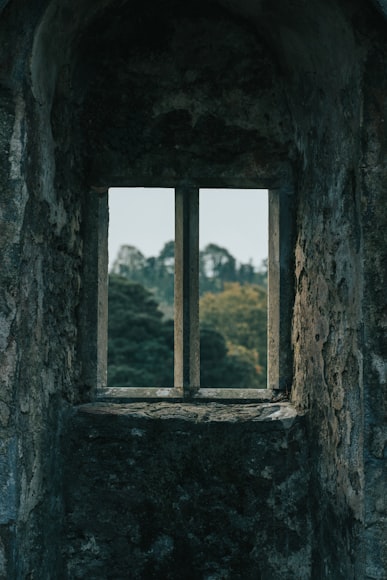
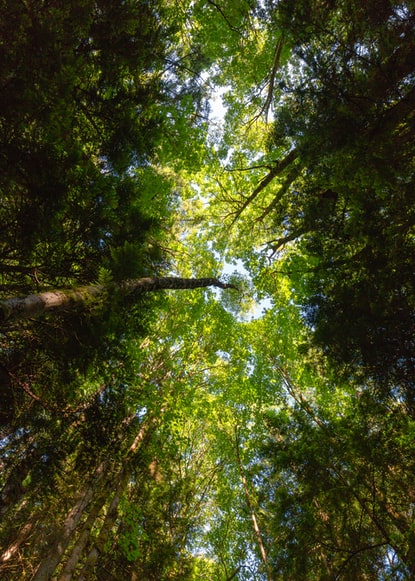
By Jean Carlo Emer on Unsplash

There is a truth outside of me, outside of what I know.

I sensed this, I think, even as a child. I couldn’t quite believe Mother when she told me there was nothing beyond the forest surrounding my eyrie.

“But where do you go when you leave each night?” I asked her.

“Into the woods, my bird. All that we need is there.”

She brought me many beautiful things that seemed impossible to grow amidst those dim, dark trees—crimson strawberries, cadmium peaches, golden grain. And the overarching sky was so great and blue, and the horizon so far, and the birds who came to my high window seemed to sing of sunlit spaces. All these things were so different from the tangles of rose briars at the foot of my tower, with their black thorns, and the shadowed-red of the blossoms, and the gray stone of the high walls.

Mind you, my room was snug. Mother saw to that. I see now that she provided for me, but I also know she gave me only what my body needed in order to grow and a fraction of the beauty and wisdom that my mind craved. I longed for something more, something beyond the cold stone walls that surrounded me. In winters I wrapped my golden hair about me, burrowed under heavy furs, and dreamt of the sun. In the summer, I was still chilled.

“Might I go with you to get food?” I dared ask Mother once.

She raised her brows. “Haven’t I brought what you wanted?”

“Well, yes, but—”

“It would break my heart if something harmed you out there, my bird. And besides, how would we climb back up if you came down with me, bringing your braids with you?”

She silenced me with that, but not because her argument was flawless. Rather she gave me a window through which I could see that her words were false, for I knew my hair had not always been long enough for her to climb.

I did not know how to change things. Each day, all I could do was wait for Mother to bring some small taste of that world I couldn’t see. I spun the flax she brought, I sang, and I hoped for something I could not put words to. And then my dear one came and gave me the words.

I suppose I should have been frightened when he first appeared. I heard Mother call, and I wondered what had angered her, for her voice grumbled low like the times she’d lost her temper with me. When I cast down my braids for her to climb, her weight pulled my head and I puzzled over what heavy load she carried. But then a face appeared over the window ledge and it was not her! How I stared! And the person stared too, eyes blue as the evening sky.

“Who are you?” we asked at the same time.

And we laughed with joy for saying the same simple words we both understood.

My dear one was a man, he said, the son of a king. He had to explain much to me before I grasped his meaning, but as he spoke I felt warmth enter my heart and fill my tower, for he spoke of what I had suspected—of wide spaces and people like us who walked together, and spoke, and loved.

I knew I could not tell Mother about him–I feared her anger if she saw her lie had failed–but I admit it was hard to hide the truth. My walls pressed in each day until he came again, bringing stories of life and light with him. When he was there, the walls melted, and my eyrie was a safe nest. We spoke of the future, and he told me about marriage, the eternal pledge between a man and a woman, and he asked me to be his.

“I want to be yours,” I told my dear one. “But how can it be forever?”

For I knew now that I could not exist if I had not had a father, and I wondered why Mother had never spoken of him.
“As long as there is life in either of us,” my dear one said, “I will be yours.”

I understood then what death was, but I knew I could risk it, and I pledged myself to my dear one.

We laid our plans, and set the day for when my dear one would take me to his kingdom. He brought me silk so I could weave a ladder to give me a way to escape. We thought we were careful with our secret, but we were young, and there were things we did not understand. Truth has a way of showing, and the day it did my two worlds collided.

“Who is he?” Mother hissed, her voice cold and low as she glared at me. “What have you done?”

I trembled. I did not see how she knew. But I lifted my chin and spoke the truth.

“He is my husband,” I said.

“Impossible!”

She snatched my braids, yanking my head, and with one swift move she pulled out a knife and sheared my glory from my head. Then she tied my poor shorn braids to the window, and pulled me out after her to climb down, barely avoiding the briars at the bottom of my tower. She marched me, long and relentlessly, through the dark of the forest and finally into a wasteland where she cast me down. The fierce sun seared my eyes and my tears scalded my cheeks.

“I gave you everything, but you are no longer my responsibility,” she said. “Let’s see how strong your husband’s love is.”

She turned away.

“Mother!” I cried.

She cast one scorching glance back at me. “I was never your mother,” she said, and she vanished into the woods.

I tried to follow, but I didn’t know the way. At last I decided I must wait for my dear one, and while I waited, I strove to make a new home, a better haven. I found a clear brook flowing down from a high hill. Beside it grew a strong little apple tree and a hedge of roses. I wove a trellis of rose briars for shelter.

Many, many months passed, and the wasteland was cold in a way different from my tower, perhaps more because I knew what I had lost. Yet my tree bent its fruit to me, and my creek gave me sweet water, so I had enough to survive. I wondered that I grew fat there, but truth revealed that too. When my twins were born, a new warmth entered my heart and soothed the ache of the loss of my dear one.

I still hoped. When my dear one looked at me from the blue eyes of my daughter, and when my son’s laugh echoed his father, I knew that my dear one was true. If he was still in the land of the living he would find me.

Perhaps you think this is a tragedy, but that is not the truth.

One day I sang to my twins, a song their father taught me, and as I sang a lower note joined in. I looked up, out across the wide waste where a figure stood, stooped over a staff. I stopped singing and my heart beat fast.

“Who are you?” I called, and the very words returned to me in that dear voice.

I laughed and ran, over the wide land, and I fell into his arms. He held me so close, but then I saw his eyes were blind! He told me how my false mother had lured him into the tower using my shorn braids. When he reached the window, she shoved him back and he fell into the thorns and brambles below, his blood mingling with the roses. While the thorns robbed him of his sight, the soft roses saved his body, and in his blindness he searched for me. And he found me! I wept at his sacrifice. As I cried, my tears fell on his eyes, and they cleared! He gave a shout that woke our children, and when they raised their heads, his shout turned to wonder. They stared at him, wide-eyed, surrounded by the roses of our home.

And under the warmth of the golden sun my dear one carried us to his kingdom.

Loren Warnemuende

Loren Warnemuende is a writer, wife, and homeschool mom of three. She still has a hard time including “writer” as a valid part of who she is, but for most of her life she’s processed the world and how she understands it through written words and stories. While she loves to read various genres, her own stories seem to flow best when she takes a new perspective on an old tale. She is the author of two short stories in the forthcoming The Lost Tales of Sir Galahad (Rabbit Room Press, April 2022). Her Daughter of Arden Trilogy will be published by Bandersnatch Books, starting this fall with Exile.

Winter Eyrie: “Until the Lillies” by Jen Rose Yokel

In this shivery, withered start of spring, I’m delving into some books that have sat on my to-read list for too long, including the turbulent, mythical beauty of N.D. Wilson’s Ashtown Burials series and the humor and honesty of Anne Lamott’s Bird by Bird. The evenings here are brighter; red-bellied woodpeckers are hopping among the trees; cold winds are stirring up autumn’s leftover leaves.

Today’s contribution to the Winter Eyrie project inspires me to see and treasure all these precious things, the bright and the bleak. Jen Rose Yokel is a fellow New Englander, so I can appreciate her poetic vision of this region all the more. She picked a difficult form, the French ballade, and spun images of abiding and awakening with such grace that she made it seem effortless. Enjoy!

Until the Lilies
(a ballade for wintering)

by Jen Rose Yokel

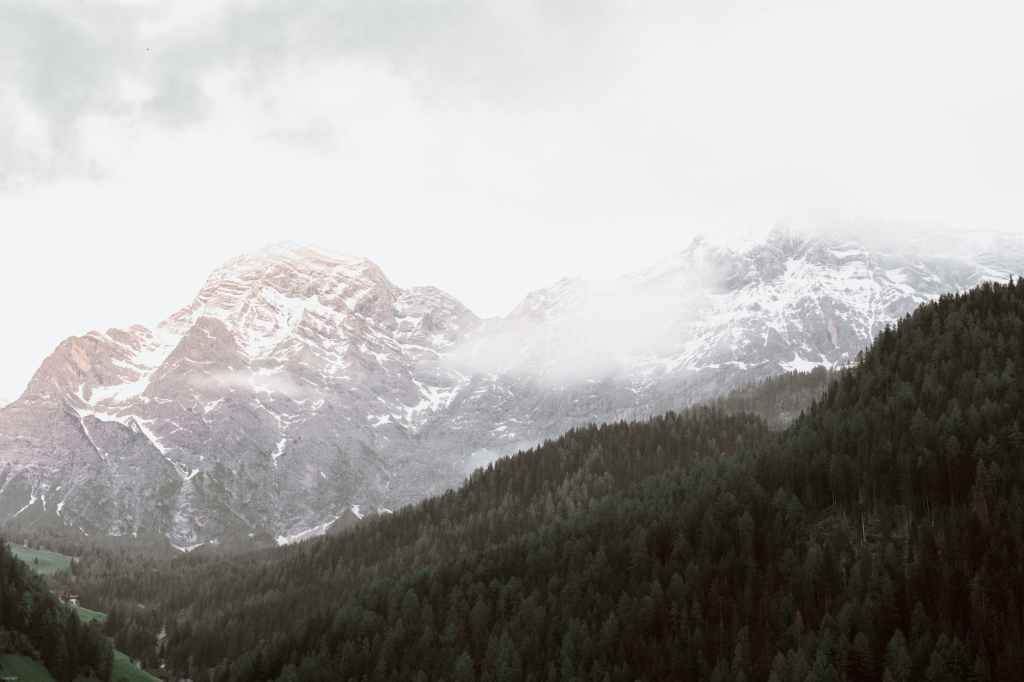
Image by Pavan Trikutam on Unsplash

Fickle March comes with a false spring,
swinging between robin egg blue
skies and a roaring wind that stings
and claws at our coats. Is it dew
or snowmelt that soaks the grass? You
see color drain from the world, keep
fighting the darkness to get through
until the lilies wake from sleep.

So these are the days of wintering.
In this gray, any space will do
to make a haven from shivering
crowds, above the gray snow’s purview.
Climb up the stairs and you’ll find true
rest, a soft, kind stillness that sweeps
over weariness, sheltering you.
Until the lilies wake from sleep,

small stars of light will blaze on strings
to brighten darkest corners. New
scents — garlic, spice, and soup — will bring
warmth before the blooms. All through
each night, we’ll pause and review
favorite tales, and tea will steep,
and records spin, and hope renew
until the lilies wake from sleep.

In the cold earth, everything grew
before spreading into green. So keep
winter, wait until we come to
the day the lilies wake from sleep.

Jen Rose Yokel

Jen Rose Yokel is a poet, writer, and spiritual director. Her words have appeared at The Rabbit Room, She Reads Truth, and other publications, and she released her first poetry collection, Ruins & Kingdoms, in 2015. Originally from Central Florida, she now makes her home in Fall River, Massachusetts with her husband Chris, their rescue dog, and an assortment of books and houseplants. Find more of her writing at jenroseyokel.com.

Winter Eyrie: “The Treehouse” by Kori Frazier Morgan

I mixed up my dates and was excited for the first day of spring to be…tomorrow, March 21st. I was thrilled to find that it’s actually today. The first signs of it are here: mourning doves coo in the morning fog, deer wander through our backyard, and the buds on the magnolia tree are swelling like scrolls waiting to unfurl.

I found this contribution to the “Winter Eyrie” project sweet and life-giving. To me, Kori’s simple, vivid prose has a viridescence (greenness) to it that captured the goodness of summer, childhood, and yearning. Enjoy!

The Treehouse

by Kori Frazier Morgan

Photo by Dave Hoefler on Unsplash

I grew up in an old house surrounded by trees. In the summertime, a thick, natural canopy of green covered our yard, with only the thinnest streaks of sunlight sliding between the leaves. The trees were thick-trunked oaks; two of them were older than the house itself. I loved to sit against the scratchy bark to read my books, or lie on a blanket and stare up at the intricate patterns of leaves, hearing the swish-swish of the wind.

There was one thing I desperately wanted, though, one that my trees could not give me: a treehouse. I wanted to sleep in the house with the leaves rustling against the windows and the birds perching nearby. I wanted a special place of my own to sit, far above everything, with a bucket I could let down on a rope to deliver messages or bring up my snacks and books.

But the old trees were too tall, with branches too sharply angled against the trunk. There was no safe place to build such a house.

My dad had meticulously restored our family’s turn-of-the-century home, even altering the structure of the rooms to suit the needs of an imaginative, adventurous daughter. He combined two bedrooms into one large play area, and demolished the wall shared by two closets to make a secret passageway.

When I asked for a treehouse, though, he was silent. Not even my dad’s ingenuity and skill with a toolbox could create a place for a treehouse in those high branches. But he found a solution anyway.

One weekend, while my mom was away at a conference, we went to the hardware store for lumber. He explained that we were going to build my treehouse. In the attic.

The attic had a high ceiling that peaked at the roof—the perfect location for an indoor treehouse. I watched him lay a foundation of thick beams about six feet in the air, then nail in sheets of plywood to make the floor. Once he was sure the floor could support our weight, I climbed up with him, my plastic hammer and nails in hand, to help him finish the job. He even crafted a lattice-style gate so I could see over the edge without falling and built a sturdy ladder that I could safely climb up.

And then, there was the finishing touch: my bucket, which he attached to a pulley system for efficient delivery of snacks and supplies.

The single remaining disappointment was that there were no rustling tree branches surrounding my house, and while I could faintly hear the birds from outside the attic, they could not land outside my windows.

But the more time I spent in my treehouse, the less those things mattered. In fact, the attic made it easier for the treehouse to take on other roles in my play—a space capsule, a covered wagon, a cave. It was my own place, built especially for me, that could be whatever I wanted. 

It could even be an actual treehouse, where I could imagine the branches blowing in the night air, the leaves surrounding the lattice gate. When I slept there either alone or during sleepovers with friends, I wrapped myself in my blankets, feeling the solid floor beneath me. And most of the time, I could almost feel the house slightly swaying amid the rustle of the leaves, even though I was just six feet off the ground.

Kori Frazier Morgan

Kori Frazier Morgan received her MFA in fiction writing from West Virginia University. Her work has appeared in Shenandoah, Forge, Switchback, Blanket Sea, Prick of the Spindle, Scarlet Leaf Review, & other publications. She is the author of two books, Bone China Girls: A Poetic Account of a Female Crime & The Goodbye Love Generation: A Novel In Stories

Winter Eyrie: “Wolf Song” by Sandra Hughes

These are the days of cold nights and thawing afternoons, tiny green shoots in the garden, rain that freezes and snow that melts within hours. I found the next contribution to the Winter Eyrie project, this poem by Sandra Hughes, a comforting reminder of peace within turbulence. Enjoy!

Wolf Song

by Sandra Hughes

The wind howls.
It growls, snarls, swirls, threatens,
Curls about my cottage walls,
Seeking chinks and gaps where it might slip in.

The wind with its velvety paws
Shuffles about the door frames,
Snuffles, and whimpers, rattling the latches,
Panting, yowling, upon my threshold.

Will it ever cease howling to be let in?
It threatens my children with its chill.
Will it ever cease prowling, crying, prying at the shingles,
Rubbing its icy spine against my window panes?

I have not the power to quiet its mournful wails; 
I cannot direct the wind.
I can only latch the rough red door,
And light the crackling fire to bar the wolf’s descent down my chimney.

I pray blessings over my doorsills and thresholds.
I pray blessings over my children, who sigh, and mutter in their beds.
I pray to the Great Conductor of the Grand Symphony,
Who alone has the power to whisper to the wind.   

I pray until the howling subsides,
Changes from a crescendo to a whimper,
And my children breathe heavily, and snuggle deeper under their blankets,
Lulled by the song of the wolf.  

Sandra Rose Hughes

Writing Enchantment into Everyday Life. 

Sandra Rose Hughes is a Christian, a mother of four, a former high school English teacher, a poet, and a middle grade fantasy novelist with a Bachelor of Arts in English Literature from California Baptist University. She enjoys using writing to create enchantment in daily life and is planning to release a fairy-tale themed poetry collection, “Why Faeries Bite: Poems from Rockriver Hill,” in the summer of 2022. You can follow her parenting adventures at rockriverhill.blogspot.com, and visit her Facebook or Instagram page for her (nearly) daily poems and photoshop creations.

Winter Eyrie: “Day’s End” by Becky Hunsberger and “Pantoum” by Reagan Dregge

Fresh snow, a new stack of books waiting for me at the library, a cuddly cat, and a goofy dog are giving me a cozy week. I’m trying to brighten these last weeks of winter by enjoying all the indoor things that are less attractive in warmer weather: lighting scented candles during work hours, rereading my book of Scottish fairy tales, and curling up with a quilt as I write.

The next two contributions to the “Winter Eyrie” project are poems by Becky Hunsberger and Reagan Dregge. I love how these two pieces, planned and written separately, juxtapose different aspects of late winter – coziness and dreariness, chaos and peace, sadness and hope – within themselves and between each other.

Becky’s poem, “Day’s End,” translates the gap (or bridge?) between mundane and magical, or work and dreaming, into exquisite imagery. As a fellow remote worker, I identify with this poem so much – how the transition from work to rest, labor to play feels more mental than physical when you don’t have a commute. It inspires me to make a better “eyrie” of my own workspace.

Reagan’s poem, “Pantoum,” is a masterful expression of Lenten meditation, of faith and lament. A pantoum is a complex and beautiful form, very difficult to create at all, much less with such rich figurative language and cumulative meaning. I had to keep rereading this poem to take it in and found new beauty in it each time.

Enjoy!

Day’s End

by Becky Hunsberger

Orchid and fairy lights at a desk by a window
Photo by Becky Hunsberger

A cup of tea—Earl Grey, decaf—
Sits steaming to the side of the step-stool
Set up on the counter, as a podium
On which my computer rests. Faces
Of colleagues from across nine time zones
Animate the screen, but I gaze absently
Past, soaking in the glory of the peach-
Glazed clouds skimming across the window panes.
The sun sinks slowly below the tree-lined horizon
Signaling the end of another working day.
Darkness falls. The meeting draws to a close.

I gather the stool, notebooks, and papers,
Replacing the clutter of my home office
With a pink & white orchid, climbing
Its way out of the ceramic teal pot that just
Matches the accent tiles on the walls.
The soft glow of fairy lights outlines
This cozy kitchen niche, transforming
My top floor eyrie into a place for dreams
And imagination. Gone is the work of the day;
Here, in the darkness, poetry blooms.

Pantoum

by Reagan Dregge

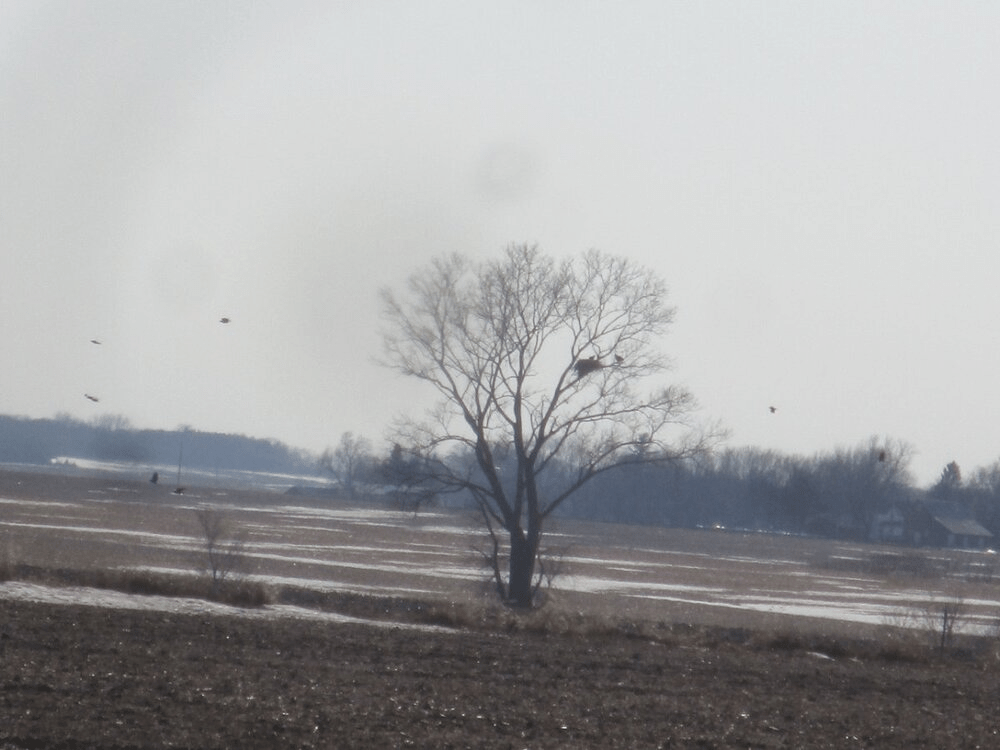
Eagle's nest in a winter prairie
Photo by Reagan Dregge

I shuffle through strewn pages smudged with ink
Beneath my window cleft, entombed in cloud
From gravely gathered fields to buried brink
The ground like ash, the sky a woolen shroud

Beneath my window cleft, entombed in cloud
Bare wind-warped trees like huddled mourners groan
The ground like ash, the sky a woolen shroud
A hoarse and hollow keening rattles bone

Bare wind-warped trees like huddled mourners groan
The pockmarked crust of winter ebbs away
A hoarse and hollow keening rattles bone
Awaiting gentler rain and warmer ray

The pockmarked crust of winter ebbs away
From gravely gathered fields to buried brink
Awaiting gentler rain and warmer ray
I shuffle through strewn pages smudged with ink

Becky Hunsberger

Becky Hunsberger

Born a Colorado mountain girl, Becky now lives near the English coast. As a teacher without a classroom and introverted homebody turned global leader, Becky tries to make sense of the many paradoxes in her life through her poetry and writing. When she’s not writing or traveling for work, she is often found curled up with a good book and hot cup of tea or taking a wander around the English countryside enjoying the natural beauty that abounds there. You can read more from Becky on her blog The Sojourner.

Reagan Dregge

Reagan Dregge and her family

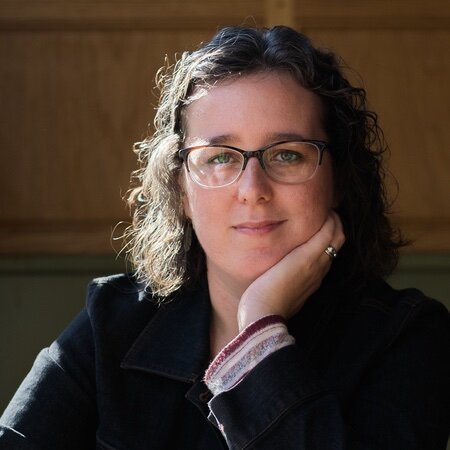
Reagan loves names and words and stories. She once studied creative writing and theatre arts, but today she homeschools, writes handwritten letters, and salvages her own little house on the prairie with a husband, daughter, and multiplying menagerie (one dog, two cats, and a flock of chickens). Her favorite seasons are winter, spring, summer, and fall. Follow her blog, The Grace Book, to read more of her work.

Winter Eyrie: “A Night Not All Unwelcome” by Jesse Baker

When I invited fellow artists in the Habit online community to do a creative collaboration with me, I gave them the following prompt:

  • Explore the theme of “Winter Eyrie,” centering on the concept of an eagle’s nest in the heights, or a house/fortress on a hill or mountain. In any form or genre, describe a place like an eyrie: a refuge, nest, stronghold, haven, or citadel: a place which feels completely safe and at peace, especially if the outer world is confusing or scary.
  • Challenge: Try a form, method, or angle you haven’t tried before, such as a new poetic meter or prose style.

I’ll publish the work of writers who joined in throughout March. I’m looking forward to seeing how this creative play reenchants this late-winter season.

The first contribution is a poem by Jesse Baker – a meditation on a winter night. Enjoy!

Intro by Jesse Baker

I recently read Mary Oliver’s book Rules for the Dance for the first time. I have an attraction to metered poetry, and always wanting to learn more about the topic, I followed a friend’s advice to read it. Though there is so much good information in the book, surprisingly what most captured my attention did not deal with meter at all. Instead, it was her chapter titled “Image-Making.” Oliver naturally included topics like simile and metaphor, but she also spent some time on poems which do not use much imagery within themselves; rather, the poem itself is the image. (If you are curious, the main example Oliver used to discuss the matter was Robert Frost’s “Stopping by Woods on a Snowy Evening.”) I was intrigued by this idea, so I decided to give it a try. One ironic feature in this experiment, both given my temperament and the subject of Oliver’s book, was that I decided to break from my usual path of meter in order to try something in free verse.

A Night Not All Unwelcome

by Jesse Baker
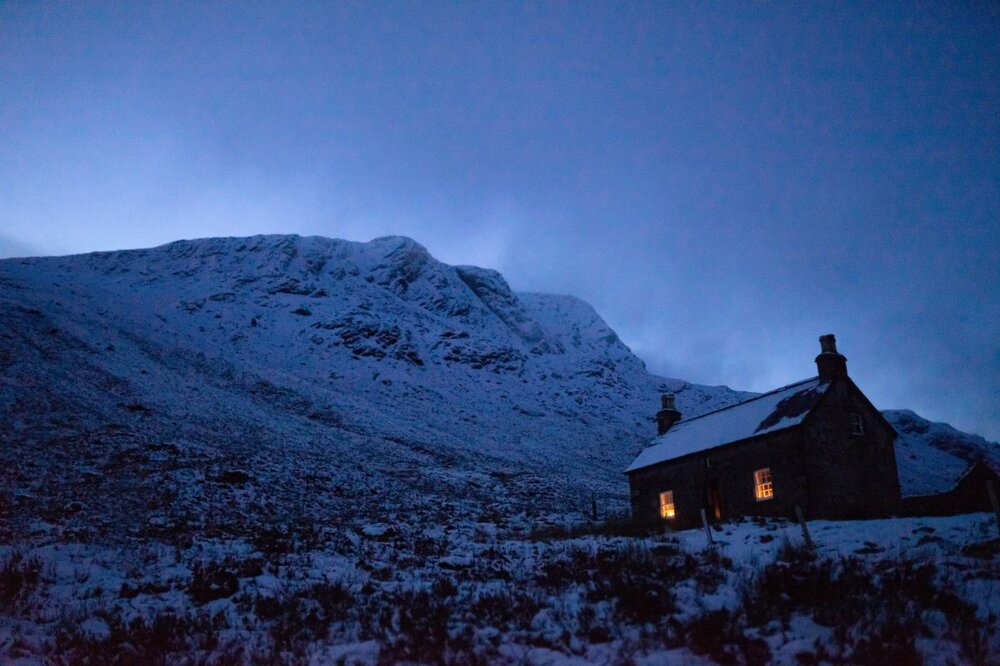
Photo by Kym MacKinnon on Unsplash

Last night, amid the darkness,
I briefly stepped outside
To undo something forgotten;
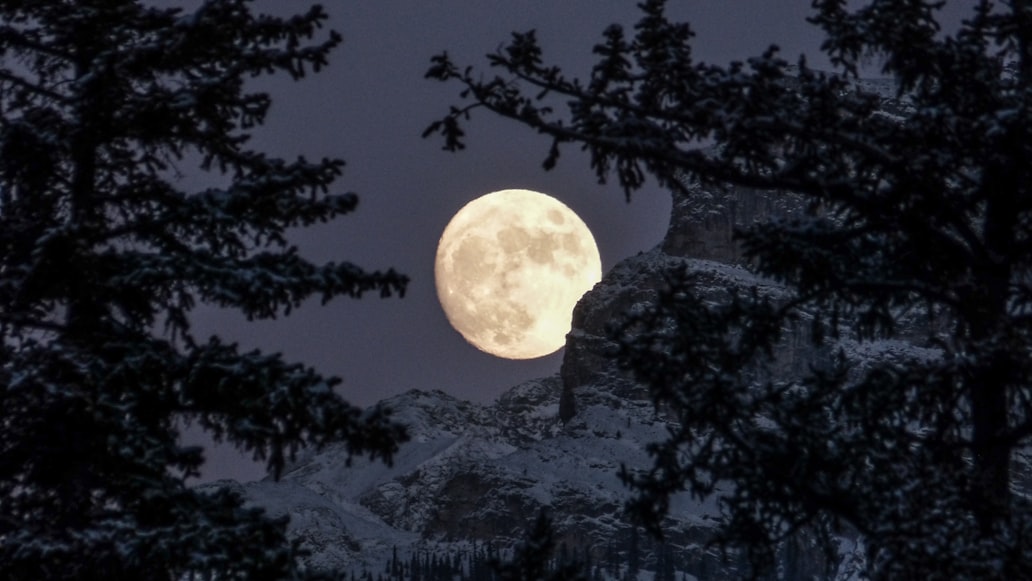
And, the full February moon,
Standing alone in the pitched sky,
Begged for my attention.
She reminded me of childhood
Nights, and how I would borrow
Her light as I walked to our
Chicken house, nestled in the trees
Down a darkened and wooded road,
To gather hen eggs.
She also brought to mind the
Wonder of those nights when
Her full light glimmered
Off the earth’s snowy blanket,
Gently placed over previous days,
Giving me both a brighter path to tread and
Some glimpse of what the psalmist
Might have meant when he said, “The night is as
Bright as the day,” to you.

I had the picture of the full moon shining off snow in my mind for a while. It really was a marvelous sight when I was younger, one of the many gifts that came with growing up in the mountains of West Virginia. Now living in central North Carolina, some heretofore unknown alignment of stars would have to meet before I am likely to see that snowy miracle again. But the moon I encountered a couple weeks ago, the one that sent me inside to put something on paper, almost made up for it. This scene assured me that on dark nights, whether an actual dark winter night in February or even the occasional dark night of the soul, hope can still be found. There was an element of lament in writing this poem. It is not an accident that it ends with a quote from the Psalms, as I hoped, like many of the lament psalms, even in dark moments praise can still be the last word to roll off our tongues.

Jesse Baker

Jesse Baker loves wearing t-shirts of his favorite authors, studying the Bible, and using poetry as a way of tying the seemingly disparate features of this world together. Jesse is a pastor, living in North Carolina with his wife and two sons.

Poetry, Places, and Inklings

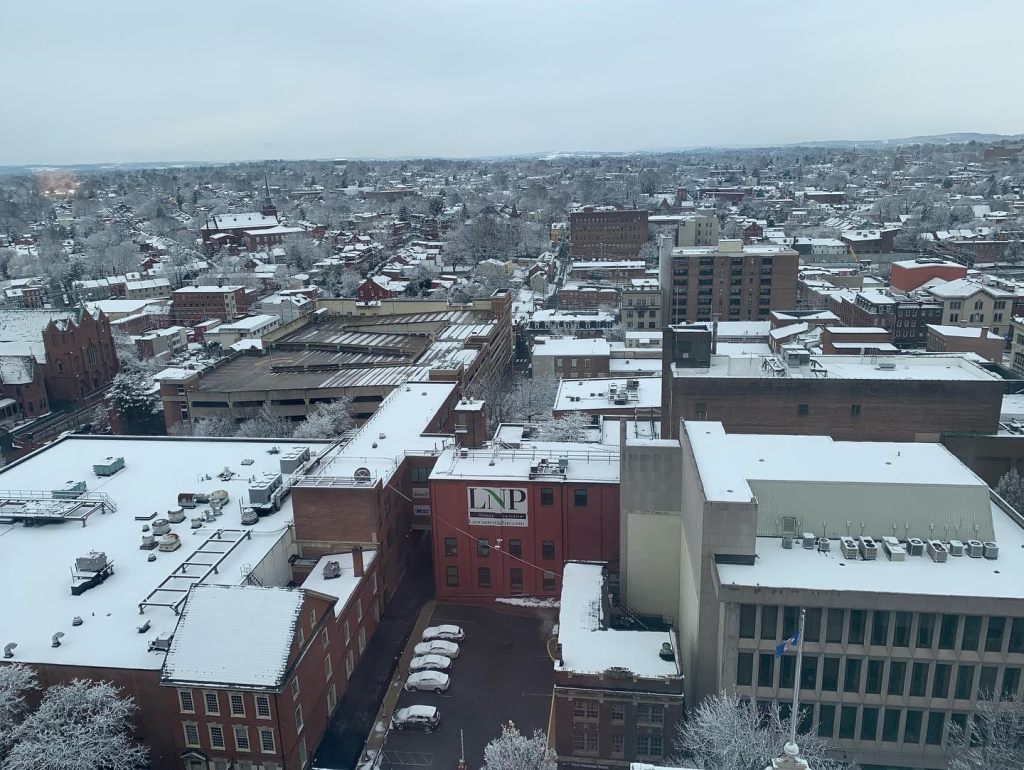
Lancaster, PA in the snow

He sees no stars who does not see them first
to flame like flowers beneath the ancient song,
whose very echo after-music long
has since pursued.
J.R.R. Tolkien, “Mythopoeia” 

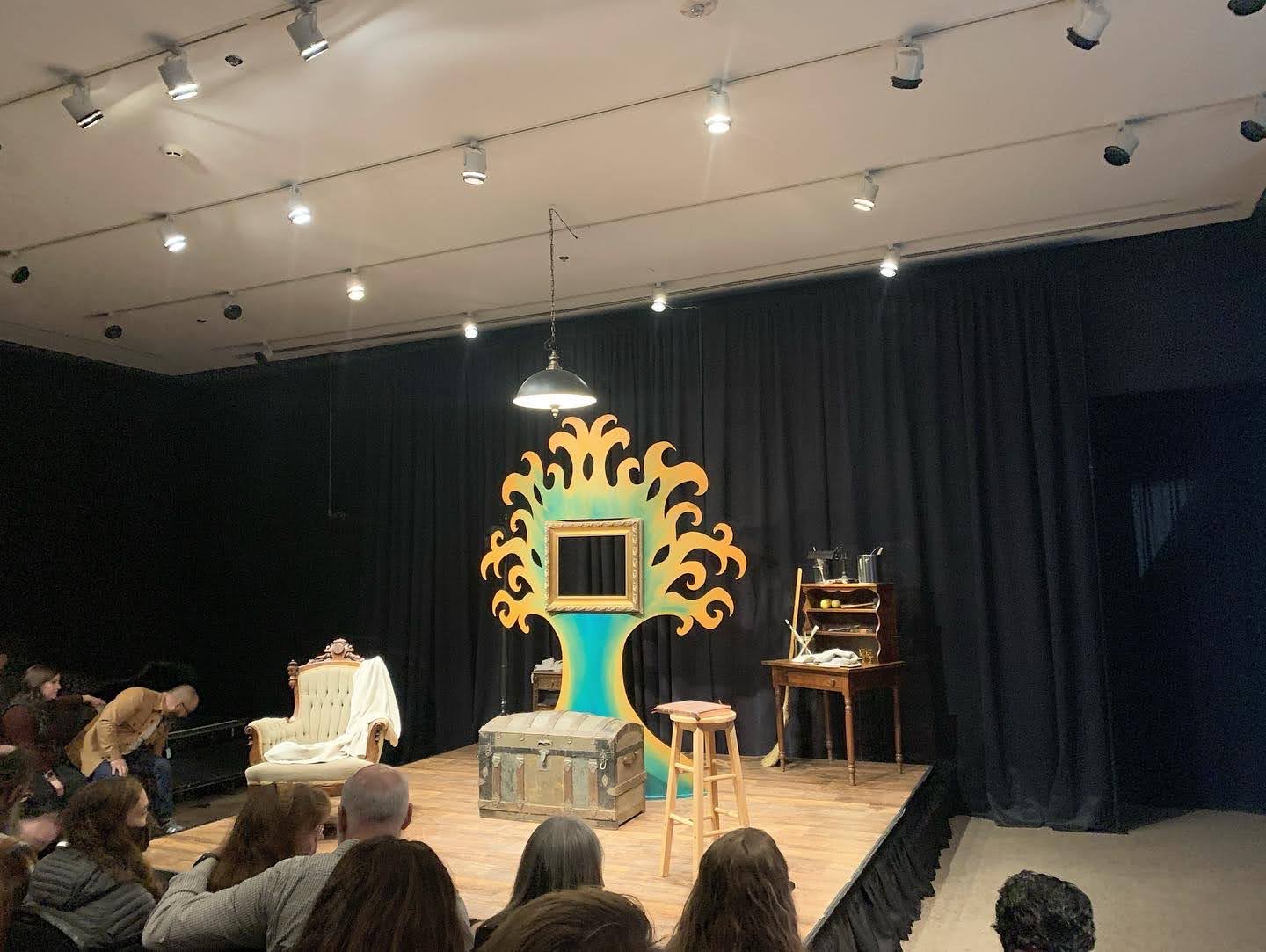
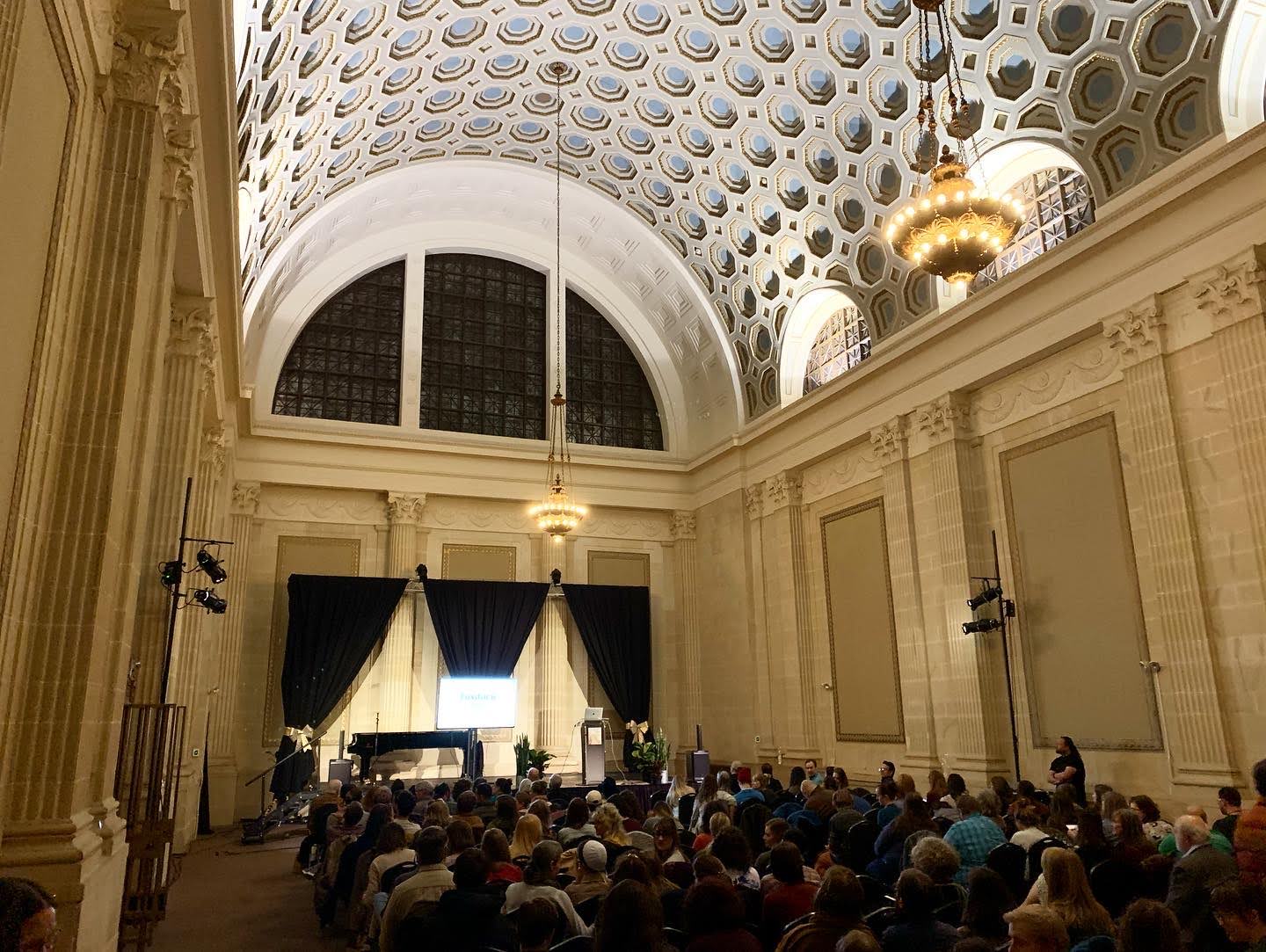
After a winter of long drives into the dusk, ice-puddles that sparkled in the sun, and bitter cold that cracked the skin on my hands, I sat in the Trust Performing Arts Center in Lancaster, PA, frantically typing notes. I was supposed to attend the Inklings Fellowship Conference, hosted by Square Halo Books, in April 2020, only to have it postponed due to COVID. As I made my travel plans for Lancaster, I kept thinking about how much has changed in me and in the world in these two years.

The conference was joyous. For the first time, I met writers and artists in the flesh who I had met in digital forums – online classes, creative collaborations, or Zoom office hours. I gave most of them big hugs. Somehow, talking about creativity, art, faith, and beauty over the Internet gave us a familiarity that made our in-person meetings comfortable and full of laughter.

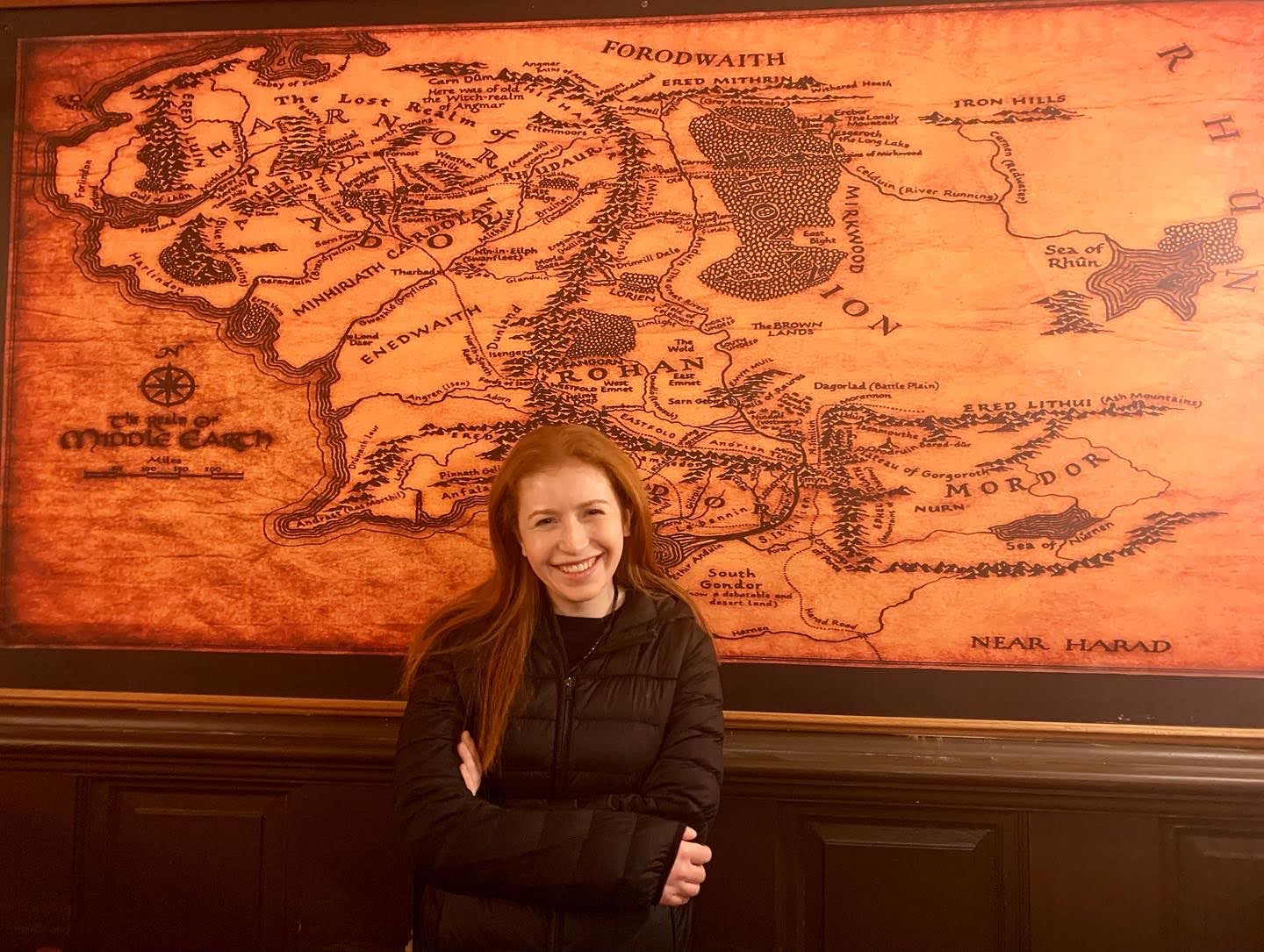
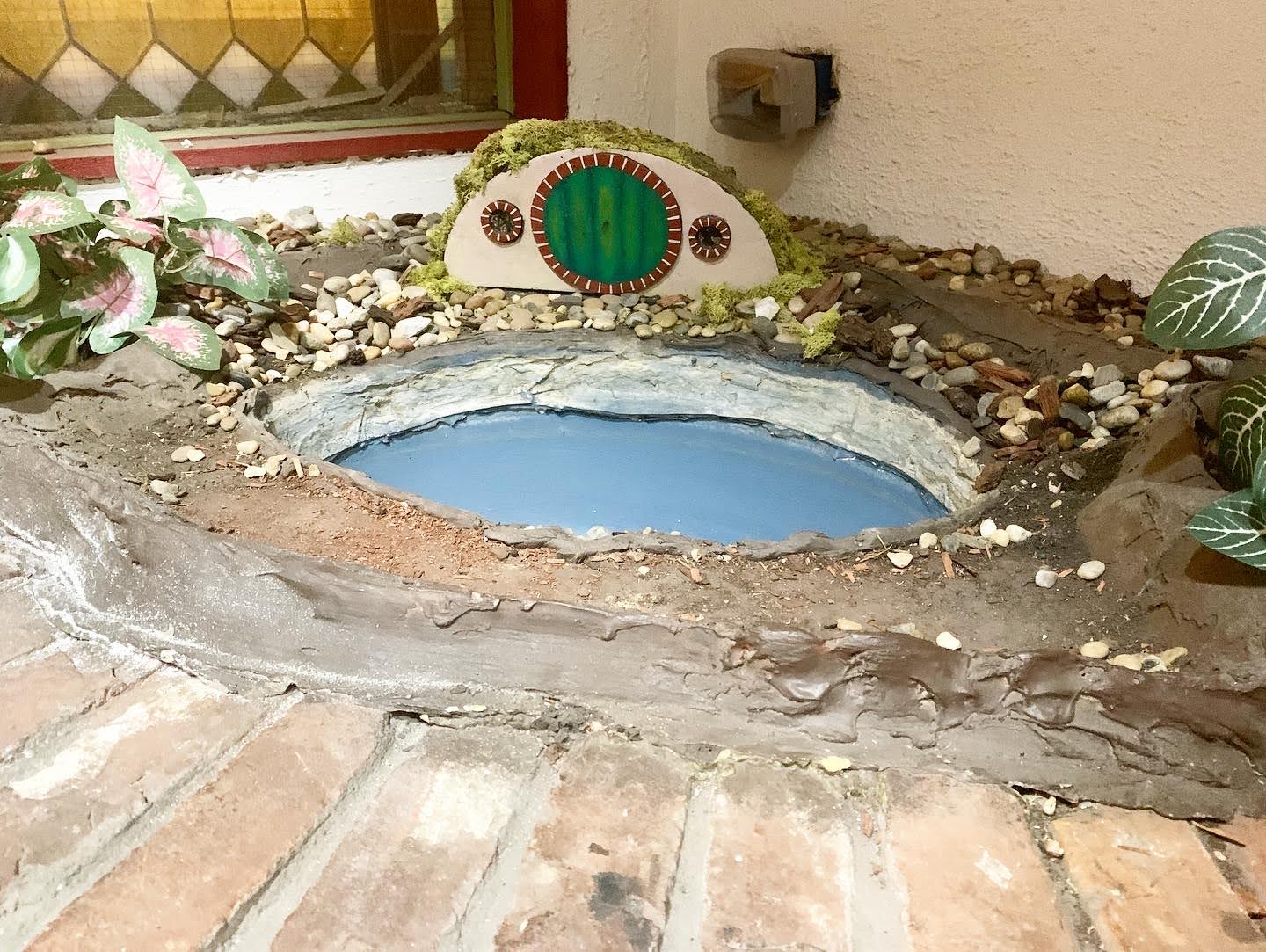
It was enthralling. Lectures by scholars, artists, and Inklings-lovers on the wordsmithing of Tolkien, the myth-blending of Lewis, and the collaboration between them fill my mind and heart with wonder. The “Rabbit and Dragonfly” pub next door, with its miniature Shire landscape, huge map of Middle Earth, painting of Lucy and Mr. Tumnus at Lantern Waste, and shelves of old books felt like a home I’d always wanted but didn’t know was real. I scoured the conference bookstore and spent far more money on books than I budgeted for.

It was exhausting. I love conferences, but the rapid pace, overflow of information, and consistency of social interaction left me completely drained, though very happy. 

The power of poetry and language, of words and names, was one of the keynotes for me. I’m still pondering the fantastic lecture by professor and poet Christine Perrin on “The Poetry of Tolkien,” in which she argued that Tolkien was an epic poet equal to Dante, Milton, or the author of Beowulf, and understanding his poetry is fundamental to understanding his work. She outlined Tolkien’s love for language (apparently he felt that a new Grammar Primer was like finding a hidden wine cellar) and his understanding that to name something is to know it and possess it. She also explained Tolkien and Owen Barfield’s idea that our language is splintered and fragmented from its original wholeness, a tragedy that has splintered and fragmented our consciousness and understanding of the world. For instance, words like the Greek pneuma have a holistic meaning of wind, breath, or spirit, united so that the one word has multiple layers of meaning, while English has separate words for each concept. This separation has disrupted our ability to understand the unity of the cosmos. 

The theological importance of naming reminded me of Madeleine L’Engle’s A Wind in the Door, one of my favorite books, in which Naming is linked with loving, understanding, communicating with, and rescuing others. It also made me think of my day-job as a technical writer, in which I try to teach, simplify, and convey complex ideas about software and cloud computing in clear, simple instructions. Language is one of the greatest challenges of my newest job. The terminology of cloud computing and networking was developed by engineers, scientists, military and government officials, and (I say this lovingly) computer geeks. I doubt any artists or poets were involved, and I wish they had been. As it is, software and computer engineering language is made of many displaced or complex, hard-to-remember, uninteresting words and phrases: 

  • Words transplanted from the physical, artistic, and even spiritual worlds into digital contexts: screen, page, icon, code, cloud, tunnel, gateway, walled garden, firewall, routes
  • Words that are abstracted and not linked with the physical world at all: data center, availability zone, encryption
  • Acronyms that are very hard to remember, at least at first: HTML, DNS, IPv4, ECMP, VPC

I don’t know if anything can be done now, as experts in these fields are familiar with this language, and to change it would be as difficult as changing a national currency or measurement system (but worse, since the Internet is international). But I wish a scientist/engineer/programmer with J.R.R. Tolkien’s love for words, C.S. Lewis’s clarity and skill with analogy, and Dorothy L. Sayers’s bluntness and common sense had been the one to choose the nouns, verbs, and adjectives we use for computing and networking. 

Christie Purifoy’s session on “Placemaking in Narnia” meant a lot to me after weeks of walking through concrete tunnels, gray parking garages, and tiny city parks with leafless trees and withered grass. But her talk was more than a reminder that beauty is important. She argued that even beautiful places can be place-less – lacking “aliveness” or a sense of “wholeness, spirit, or grace.” Frozen Narnia was beautiful, but it was disenchanted and lifeless under the reign of the witch. Place-making is the re-enchantment or reawakening of places.

I found this beautiful, hopeful idea of place-making inspiring and encouraging, though it brought back some frustrating memories. As a child, student, young professional, and just another human being in the world, I have not always had control over the environments in which I live, work, commute, and exercise. Location, the cost of living, spiritual calling, and bureaucratic requirements of different seasons of life (such as getting a driver’s license) have all shaped my options for places to dwell in. These shaping forces have put me in places with a tangible “aliveness” and places with a palpable “deadness” – beautiful and ugly, cozy and barren, spectacular and dingy. I’ve played in gardens full of rhododendrons and tulips; studied in school classrooms with blank white walls, and fluorescent lighting; worked in offices of gray cubicles and choking silence; read in libraries full of old books and stained glass windows. In “lifeless” places where I felt trapped, placemaking meant cultivating the little things I could control within the tiny spaces I owned (Spotify playlists, taped-up pictures from magazines, scented candles, fairy lights) and dreaming about the places I longed to make and inhabit.

I drove away from the conference into a snowy blue twilight. The wisdom I’d heard about language, beauty, and art came at a good time – late winter is my least favorite season, the doldrums of the year. As I’ve done in the past, I want to use art to fight the grumpiness I sink into amidst long, gray days of slushy snow and dirt-encrusted ice. In honor of the goodness of poetry and place-making, I’m doing a new creative collaboration for March with some fellow writers and artists, centered around the theme “Winter Eyrie” – the concept of a refuge, a haven, a fortress, a citadel, somewhere cozy and safe amidst chaos. More details to come. 🙂

Photo by eberhard grossgasteiger on Pexels.com

Change is Red

It takes a long time to come back. The exciting folds into the mundane: the plane wheels hitting the tarmac, the unpacking of socks and sweaters and UK adaptors, the first hug with each family member, the wagging tail of the golden retriever, the scheduling of dentist appointments and renewing of driver’s license and car insurance. Going to Scotland was a grand adventure that broke down into a thousand difficult details (visas and bank accounts and SIM cards); coming back is the equal opposite. On this side, though, I have memories instead of dreams.

Scotland’s autumn was all golden leaves, red berries, and mist on the North Sea. I loved it there, but I missed the intensity of New England crimsons, carmines, and scarlets. I forgot how much I missed the earthy smell of fallen leaves here, the rosy apples hanging in the orchards, the chill in the mornings, the silvery frost in the grass, and the round on their doorsteps. 

The second morning I logged into work, still blurry from jet lag, I stared at my computer screen as a grim realization sank through me: I had nothing to dream about. I have always been a daydreamer, from elementary school math class to my first office job: while my attention is fixed on the task at hand, the rest of my mind is whirring with thoughts of the books I’m reading, stories I’m telling, visions of the past and future. Last summer’s daydreams were full of ruined castles, seminars on the Inklings and the imagination, hills covered in purple heather, and cliffs overlooking the foaming sea. Now, after I’ve fulfilled that five-year dream, my vision of the future is more like a void.

Like everyone, I’ve had long periods of uncertainty and transition before: graduating from college and moving out of my childhood home in one frigid winter, watching to see how a chaotic corporate merger would affect my job, and checking infection and recovery rates every day in the first weeks of COVID. God gave me good things in each season, like that maple clearing full of golden sunlight I saw on my morning drives. I’ve also learned to cope: I hid my taskbar during boring afternoons in an office to prevent myself from checking the time every 0.5 seconds; I lined up podcasts on literature and hope and theology to fill my long commutes. I’m not patient, but every season of uncertainty has intensified beauty and good times within it.

It’s over. It didn’t feel real to me as I was consumed with moving out of my flat and traveling around through the green hills, silver waterfalls, quiet glens, and sheep pastures of England, Wales, Iceland, and northern Ireland, but it’s true – I finished my degree. It gave me a glimpse of the ivory tower (a much more isolated ivory tower in this year, but still): the brilliant people who congregate in places like St. Andrews, the life of a graduate student, and the rhythm of life in Britain. I have a general, table-of-contents knowledge of the field of theology and the arts; a gateway glimpse of research areas like ethics & literature or imagination as a way of knowing; a greater certainty that I do not want to pursue academia any further for now. I have crammed enough class readings and dissertation research to justify the devouring of fun books, like Alan Garner’s Flavia de Luce series and Brandon Sanderson’s Skyward.

I am dreaming, though my dreams are murky and indistinct: it’s easier to envision one year of grad school than the full, long life I hope for, full of ministry, good friends, a beautiful home full of books written by others – and some books written by me. But for the first time in my life, I feel that this unknown is not the unknown of helplessness – it’s an unknown of possibility.

The unknown is gray, but change is red: vibrant, terrifying, chaotic, and exhilarating. 

“I am a ghost”: Leaving St. Andrews

“I am caught by the morning and I am a ghost.” For weeks, that sentence from the end of C.S. Lewis’s Great Divorce haunted me, because I knew I would be leaving St. Andrews soon, and that I would disappear like a shade at dawn.

St. Andrews is centuries old. Whatever Viking raids, Reformation riots, horrific witch burnings it’s had, students are the real ghosts – especially international ones. We come each fall to clean out the charity shops, fill up pubs and coffee shops – and then leave each summer. I am one of hundreds of thousands who came and went. I left nothing behind but a mostly-clean dorm room, kitchen-full of dishes, pots, and pans, and memories with friends. The community’s memory of me has already faded.

Finishing

August felt ghostly: gray with haar (sea fog), cool, and often rainy. I piled up books on Dante’s Divine Comedy, the sins of sloth and anger, Lord of the Rings, and T.S. Eliot’s Four Quartets on my desk and culled them for quotation marks, filling out the framework of my dissertation. It was quiet. We met in cozy pubs to compare word counts and progress, but most of the days were monastic: silent, solitary work, broken up by freezing swims in the North Sea or walks along the coastal path. The Queen Anne’s lace faded at the end of July. A swallow nested in the entranceway of our flat’s stairwell. 

Somehow, our dissertations came together: bullet-pointed lists of quotations and sentence fragments grew into paragraphs, sprouted into chapters, and branched out into full arguments. I read and reread each section of mine, often out loud, trying to spot misplaced modifiers or errors in reasoning, participating in the wider scholarly conversation without sacrificing too much of my word count to quotes. I examined each text in the light of the sins of sloth and anger, exploring how characters in Perelandra, Lord of the Rings, and Four Quartets find the right virtues to combat them. I found that while Ransom and Gandalf choose the virtues of zeal or hope, the remedy for despair in Four Quartets – total surrender to the grace of God – remedies every sin. When we surrender, we step into the Great Dance of the cosmos, ordered by love, where even the distinctions between virtues no longer matter.

At the same time, the paper I’ve mentioned before, in which I examine revelation in L.M. Montgomery’s Anne of Green Gables and Emily of New Moon series, was in the throes of final copyediting. It felt wild to be working on both at the same time: adding em dashes and commas to the Montgomery paper, calling home to ask family members to double-check page numbers and wording in books I left in the States, while smoothing out transitions in my dissertation.

On August 17, after agonizing over my poetry footnotes (should I have added page numbers as well as line numbers for each poem?) I turned in my dissertation. At the same time, I announced the final publication of my Montgomery paper – the fruit of nearly five years of buying or borrowing scholarly texts, devoting morning coffee time, lunch hour, and evenings to work, and several rounds with literary journal editors. Both projects frustrated, exhausted, and refined me, revealing my weaknesses as a scholar: the impulse to oversimplify, reduce complexities and nuances, and my general ignorance of the wider body of scholarship. But now, both are done. 

Ironically and beautifully, the theses of both papers connected. I found that revelation and virtue are both relational, not equational. God does not give knowledge like a stack of library books, or hand out virtues like playing cards. He reveals Himself and cultivates goodness in us because He loves us, knows us, and wants us to know Him.

The rest of my time in St. Andrews was a frenzy of pub nights and last-minute goodbyes over coffee as well as moving. It was chaos: tossing bags and bags of goods into the charity shop donation bin by the library, filling up the kitchen trash can multiple times a day, trying to figure out what to ship home in boxes and suitcases and what I could carry around with me as I traveled the UK. Busyness and an unexpected injury meant that there was no more time to walk the coastal path or the Lade Braes – but still, the days were sweet, and full, and hilariously disorganized. When the time came, I rushed out on a gray morning to the bus, then the train to London, and out of Scotland. 

I don’t know when I’ll return there.

Wandering

Travelers, too, are ghosts, moving in and out of beauty spots and historical landmarks without (one hopes) leaving a trace. 

This is intended to be a creative writing/reflections blog, not really a travel one. I honestly don’t know how to summarize all of it. We moved so quickly: London, Bath, Wales, the Cotswolds, and then Iceland. Glorious golden weather followed us through the steep, cobbled streets of Bath, the green fields and woods of England, and the Welsh mountains with all their grazing sheep and horses. Iceland was all gray-green mystery, with mountains veiled in fog, silvery waterfalls, and pale glaciers. (I put lots of pictures and reflections on Instagram, if you want more details.)

We figured out how to operate at least five different brands of shower controls, driving on the left and right sides of the road, PCR vs. Antigen COVID tests before and after flights, train timetables, and the best kinds of souvenirs. We hiked until our legs ached, watched sheep graze on hillsides and foam churn in river gorges, laughed a lot, and made those special, highly-contextual, inside jokes that only work within one vacation and one group of people. I tried to understand what I’ve learned in this past year of grad school, life in another country, and lockdown, and who I’ve become in relation to loved ones I haven’t seen in a year.

I will write more about specific memories of these wanderings some other time. For now, I think I’ll just share the moments that were most precious to me:

  • Sitting with a cappuccino and scone with cream and jam on the lower slopes of Mount Snowden, studying the sunlight on the rowan berries
  • Examining the Seljalandsfoss Waterfall from the cave behind it in Iceland, trying to describe how beautiful all that silver-white water is as it falls
  • Gazing down a rocky gorge at a snowy glacier, realizing that it looks like, and is, a frozen river waiting to burst forth, like Gandalf’s horses in Rivendell

The rest of September will involve more travel, with more time for beauty, for rest, and for creative writing again. In a few weeks, I will go home and end this year of study and travel, this time that I worked for, saved for, and dreamed about since undergrad. 

Then, I’ll step into a new unknown.