Zechariah’s Prophecy, A Festal Season, and Romanticizing Your Stories

“The flat moorland at the fell top was a white immensity rolling away to the horizon with the sky pressing down like a dark blanket. I could see the farm down there in its hollow and it, too, looked different; small, remote, like a charcoal drawing against the hills bulking smooth and white beyond.” James Herriot, All Things Great and Small

After enjoying the PBS adaptation immensely, I dove into James Herriot’s book this past week and his adventures as a country vet in Yorkshire. How are British writers so, so good at describing their landscapes, both the grandeur and the hominess? And how can I do that in my writing? 

New England shares plenty of features with Old England. We could give Yorkshire a run for its money in winter cold and snow right now. But instead of great fells and hilltops, we have the ocean, which turns gray-blue in the cold, swallows up the falling snow, and chills bone and flesh. As I read Herriot’s book, I’m struck by the role of light and fire in both places. Warm hearthfires, blazing lighthouses, and lit Christmas trees bring coziness and delight out of winter’s chill.

Zechariah: The LORD Remembers

Last year, I spent some of December studying one of my favorite moments of the Christmas story: Zechariah’s prophecy over John the Baptist in Luke 1:67-80. Like all of Luke, every word and phrase of this passage thunders with meaning. I return to it this year with fresh wonder. Here are a few of the insights that delighted me: 

  • Fulfillment of prophecy — I did some research into the 400 “years of silence” between the last book of the Old Testament, Malachi, and the birth of Jesus. When Gabriel appears to Zechariah in Luke 1:13-17, he’s quoting Malachi, the last prophet. It’s as if Gabriel is breaking the silence and saying half time is over; salvation is on its way, as promised, heralded by one who comes “in the spirit and power of Elijah.” 
  • Silence — The four centuries of silence between Malachi and the Incarnation are echoed in Zechariah’s muteness when he asks Gabriel for a sign. The Lord was silent for about 400 years; Zechariah was silent for nine months before he spoke at the birth of his son, praising God for remembering His promises.
  • Names — Every name in Luke 1 means something important, but Zechariah’s surprised me the most: “the LORD remembers.” Zechariah, Mary, and Elizabeth are all awestruck by the Lord’s remembrance of His promises to Israel. 
  • Spiritual enemies — Zechariah mentions three times that God will save the Jews from their enemies or “those who hate us.” This confused me slightly because the Lord Jesus did not deliver the Jews from their enemies, the Romans, during His lifetime; in fact, the temple was destroyed and Jerusalem decimated in 70 AD. After more study, I concluded that Zechariah is speaking, in the Spirit, about spiritual enemies: sin and death. Physical enemies like horsemen and chariots, vast armies and plagues were never the real issue in the Old Testament. The all-powerful God overcomes those easily. It was spiritual enemies that were the real problem: the rebellious hearts of the Israelities, the sins they fell into again and again. By dying for our sins and calling us to become children of God, Jesus defeated those spiritual enemies and raised up a horn of salvation. 

Hildebrand and the Forms of Beauty and Ugliness

This Christmas season, I’m also reminded of one of the first seminars I attended in grad school that focused on the work of Dietrich von Hildebrand. Hildebrand was an aesthetic philosopher and theologian whose work was only recently translated into English (2016). He studied in Germany, had to flee in 1933 because he was on the Nazis’ hit list, and ended up at Fordham University in the United States. His work on theological aesthetics, or the study of beauty as it relates to God and His work, is rich and deep and clear, like a river overflowing with melted snow.

Digging through my five-year-old-notes, I remember that Hildebrand argued that beauty has a profound role in shaping the human heart, guiding people towards other people and the divine. He argued that beauty possesses a spiritual plenitude, an abundance that works on us without our knowledge. I especially loved the part of the seminar reading where categorized some of the forms of beauty and ugliness and their spiritual implications: 

  • The prosaic — Hildebrand says that a “dull, gray, depressing atmosphere is the uttermost antithesis of all that is brilliant and festive, of all that is abundant.” The prosaic is a form of ugliness like that of an office building or a factory.
  • The sensational and the exciting — He calls this the “false antithesis to the prosaic” and gives Roman circuses, horse races, and boxing matches as examples. The sensational and exciting are a “false antithesis” because they try to relieve the boredom of the prosaic, but they don’t work in the long-term.
    • I remember talking about nightclubs with a friend years ago. “Why on earth do people want to go to them?” I asked her. “I think that if you work in an office all day,” she said, “you’re just trying to do something that makes you feel alive.”
  • Festive — One antithesis to the prosaic is the festive, or beauty that is free from work, free for enjoyment, splendid and luminous; think of Sabbath, holidays, and festivals. 
  • Fantastic — Hildebrand calls this “the unreal world in which the classic structure of the cosmos is abolished.” This is the world of fairy tales, jack-o-lanterns, brownies, and dwarves. 
  • Poetic — The poetic is the true antithesis to the prosaic, the “primordial element” in all arts, “a profound source of joy.” The poetic, according to Hildebrand, is the beauty of a rose, hyacinth, lily, or the area around Florence.

He discusses more categories — the flat, cheap, shallow, philistine, bourgeois, mediocre, and sentimental — but those ones especially stuck with me. 

The Christmas season overflows with poetic and festive beauty: moonlight on fresh snow; trees decorated in gold and scarlet, silver and blue; red holly berries; abundant wreaths; candles in windows. But the mediocre and sentimental show up as well in tawdry blow-up Santas, bright plastic Yankee swap gifts, glaring multicloud lights, and certain movies that try too hard to be heartwarming and feel-good.

At best, Christmas is festal (I love that word). It reflects the kingly joy, joviality, wonder, merriment, and mystery of the Incarnation, the God who came in the flesh to bring light to our darkness.

Psalm 89:15-16 (ESV)
Blessed are the people who know the festal shout, 
who walk, O LORD, in the light of your face,
 who exult in your name all the day
and in your righteousness are exalted.

Everyone knows how easy it is to lose the purpose of this season in all the wrapping paper, jingling bells, colored lights, scented candles, iced sugar cookies, and overwhelm. Real beauty, the quiet and exultant splendor of Jesus’s birth, doesn’t exhaust or oversaturate us the way that the more tacky aspects of Christmas decor or media can. As Hildegard pointed out, true beauty glorifies God and points back to him. 

How Do You Write About Your Life Without Romanticizing It? 

Ponderings on Christmas and beauty led me to another big question. A few months ago, I pondered how vulnerable you should be on the internet. Now I wonder: how do writers like me who love concrete details, vivid descriptions, and good stories write about our lives without romanticizing them?

Ugliness is oppressive. We all have to spend some time in the prosaic world of the DMV, waiting rooms, and underground parking garages or the mediocre, flat, cheap, or shallow artwork of poorly-designed offices or lobbies. I’m tempted to pretend things like dull fluorescent lights, shades of gray, cracked cement, the smell of cigarettes, and the blare of car horns dont exist, screen them from my writing, and just focus on the beauty that is everywhere. 

I have a friend who visited Venice last year. When I asked what it was like, she described the canals and houses in their beauty. But there was another detail: the bells. “They were ringing all the time,” she said wearily. “Day and night.”

I couldn’t help laughing. Put a writer like me in Venice, and we’d be tempted to wax poetic about how the air of Venice rang with church bells to remind people of the mysteries of time and immortality, connecting heaven and earth, calling people to joy and repentance . . . we could make quite a romantic picture. But my friend pointed out the plain fact: bells ringing all the time are very annoying. Both are true.

So how do you reconcile the romantic and unromantic parts of your life in the kind of essay and story writing I love? How do you balance honesty about the prosaic, flat, cheap, shallow, bourgeois, and philistine (to use some of Hildebrand’s categories) while recognizing the poetic, festive, and fantastic wonders in the world God made? 

James Herriot’s All Things Great and Small is a great example of one approach. Herriot profiles the ugly and the beautiful, the mundane and the charming, the disgusting and the lovely alongside each other to create a deeply honest and loving picture of the town of Darrowby. Farms may be perched on lush, grassy hillsides under clear skies, but they also contain animals, and all the unhygienic and unsanitary things animals do, especially when they’re sick. If he left out the unpleasant parts of being a country vet, his book would ring hollow. The real story is more fascinating and ultimately more beautiful than the cleaned-up version. 

This question doesn’t have one easy answer, but here are some thoughts I came away with: 

  • The full picture — Every personal anecdote inevitably has ugly, boring, or sad details in it. While drafting a piece, I can list those alongside the beautiful ones to ponder what the experience was really like. The mundane and the magical will likely combine into a much more interesting and honest story than the cleaned-up version.
  • The point — Each piece of creative nonfiction will have some kind of metanarrative, emphasis, or pattern; every writer selects and arranges details to make a point. What details serve your point? And as my writing teacher Johnathan Rogers often says, how can you love your reader in deciding what to include? Herriot includes some details of surgeries, births, and sicknesses in his book (fair warning), but they never feel gratuitous or unnecessary to me. 
  • The temptation — I have to ask myself: why do I want to romanticize my stories? Why do I want to focus on the beautiful? Part of it is simple: I love beauty. But I’m also tempted to leave out parts of the story that don’t fit the identity I want for myself: an adventurous person who lives a glamorous intellectual life and doesn’t make mistakes. Again, Herriot’s book is a good contrast there; his stories showcase many mistakes and mishaps that made him look foolish, and his self-deprecating humor about them is delightful. It’s a gift to his reader. 

The birth of Jesus had mundane and ugly aspects as well as beautiful ones. Christ was born to impoverished parents in a stable and hunted by a ruthless king who murdered boys of his age in Bethlehem. It is, after all, part of glory of the Incarnation that it happened during the darkness of a ruthless Roman empire, a cruel king like Herod, in a world of dust, dirt, straw, and blood. The real story is far more glorious than any romanticized version could be.

New Books, Beowulf, Habakkuk, Narnia, and a Question: How Vulnerable Should You Be on the Internet?

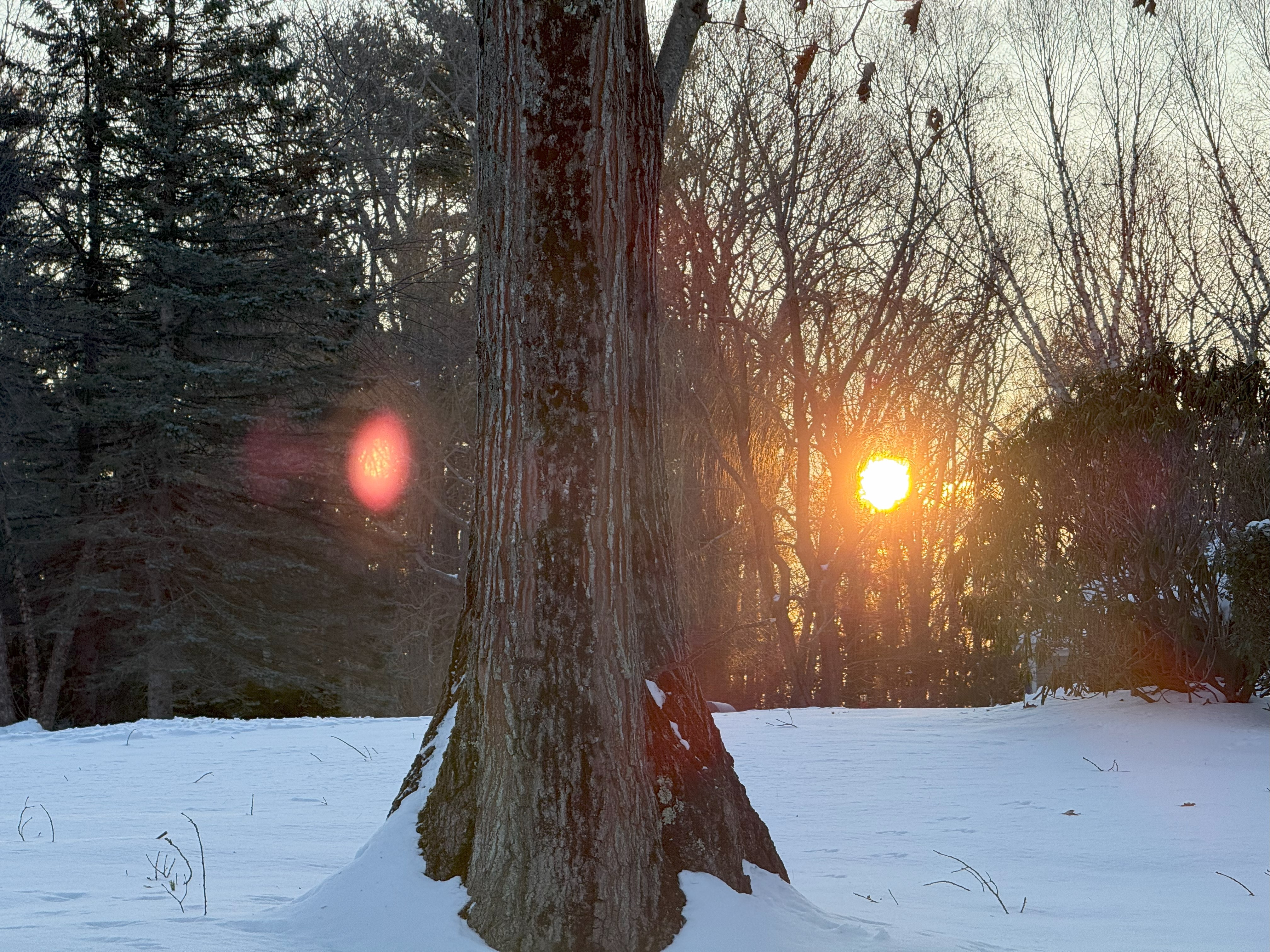
Sunset through trees in winter


This winter was full of wonders: long, dark nights lit by Orion and the rest of the heavenly host around a silver moon; days of cold so bitter it felt like my finger bones were freezing; deep snow that froze into crunchy drifts; cancelled church services; drives in the snow; a vigil that ended in a beloved family member sailing to heaven. The days have rushed by like pine trees seen through the window of a moving train, a blur of living, changing detail.

I’ve wanted to update this blog for a while, but I promised myself when I started blog-writing in 2017 that I would only post if I had something worthwhile to offer to readers. Here’s an attempt at an offering: a look at some new books I’ve found, workshops and courses I’ve enjoyed, and a question that’s been burning in me for months.

New Books to Treasure

For the last 12 months, I’ve struggled to find good new books, but a few treasures stand out:

  • Christina Baehr’s Secrets of Ormdale series — A brand-new, five-book series set in late Victorian England — with an actually likable Christian heroine and dragons? I was so afraid to have hope for this series, but it was marvelous. Christian Bhaer knows her stuff: Scripture, lore, historical and cultural detail history, Anglo-Saxon poetry, literature, and the best slow-burn romance I’ve read in a while are shining threads in this series’s fantastic tapestry.
  • J.A. Myrhe’s Rwendigo Tales — Set in central Africa, these books tell the story of four physical and spiritual quests with beautiful prose, exciting drama, and deeply relatable characters. The thoughtful, image-rich, matter-of-fact style reminds me of Alan Patton’s Cry the Beloved Country; the mythical and spiritual elements remind me of C.S. Lewis’s Cosmic Trilogy.
  • Diana Glyer’s The Company They Keep — I’ve been meaning to read this one for ages. In beautiful language and lots of deep research, Glyer studies that group of rare imaginations that included C.S. Lewis and J.R.R. Tolkien. She argues that, contrary to what most scholars have argued over the decades, the Inklings did influence each other by resonating, opposing, editing, collaborating, and referring to each other in their creative works. Highly recommended for Inklings fans and artists who long for community.
  • James M. Hamilton Jr.’s Typology-Understanding the Bible’s Promise-Shaped Patterns: How Old Testament Expectations are Fulfilled in Christ — I picked this book up on Audible after searching for books on typology, a topic I’ve been curious about for a while. I loved it. It offers a clear and careful examination of the images and structures that Biblical authors use to point to Christ as the king, suffering servant, redeemer of captives, and divine bridegroom. It’s accessible for both scholars and laypeople; joyfully and reverently written; full of brilliant insights about the patterns of Scripture. My favorite takeaway is Hamilton’s argument that the types of Scripture are 1) definitely intended by each Biblical author (not an accident or readers’ construction); and 2) historically grounded (more than just artistic collaboration by the authors).

Beowulf, the Anglo-Saxons, and Learning to Love Something

I began this year with something appropriately wintry and mysterious: a “How to Read Beowulf” course from the House of Humane letters. I’m more of a fairy tale, roses-and-summer reader than a fan of the grim, otherworldy, silvery beauty of Anglo-Saxon literature, but I know C.S. Lewis and J.R.R. Tolkien loved those tales, so I wanted to see what they saw.

The course was profound and thought-provoking in ways I didn’t expect. Angelina Stanford dived into:

  • The ruinous, twilight atmosphere of the Anglo-Saxon period
  • The violence of a culture that knew only revenge-killings and ransoms as means of justice
  • The nature of the monsters depicted
  • The very meaning and value of words

While I’m not sure I agree with every point made, the course left me with much to ponder and an ache to know more. I found myself going back to the very foundations of what a story is, how to read, and how to interpret literature – digging up my Literary Criticism and Theory notes from college, listening to more lectures on the Anglo-Saxon period, and wishing I had Tolkien’s gift for language. I’m newly convinced how much words matter, how every word and name is a story, and how Christ is the sun of righteousness who ends our dark night.

Habakkuk: The Word from the Watchtower

In February, I had the honor of going to a Charles Simeon Trust women’s workshop in Cambridge, MA. The Charles Simeon Trust Society trains Bible preachers and teachers in deep, thoughtful exegesis, theological reflection, and application. This workshop for women was as academically rigorous as any graduate seminar I experienced while also warmly encouraging. This workshop focused on practicing teaching prophetic literature with the book of Habakkuk.

Habakkuk is hard. The Charles Simeon Trust method begins with establishing the context and structure of a particular passage, and Habakkuk’s flow of thought is initially confusing. But it’s beautiful. Habakkuk’s earnest cry to the Lord, and the Lord’s sovereign and gracious response, are deeply comforting. The hymn of praise at the end is one I chose as an anthem for the past years, a song for troubled times.

This workshop showed me how clear, simple, and clean good Bible teaching should be. In my few attempts at teaching, I’ve often tried to dump all my insights, observations, musings, meditations, questions, and research on my poor helpless audience. Instead, the workshop taught me to distill my work into a simple main point that people will remember. For example, my original main point for a practice session on Habakkuk 3:1-19 was Christ is coming to administer justice and rescue His people, no matter how barren circumstances become. After workshopping this part of my presentation with my small group, I managed to streamline it down to Rejoice in Christ’s coming rescue even in barren times — turning an overflowing sentence into a comforting exhortation.

“Writing with The Horse and His Boy”: Rediscovering Old Loves

Yes, my life is merely a progression from one online literary course to another. This one was particularly fun because it was run by Jonathan Rogers, my writing teacher and the proprietor of the Habit writing community, which has been a source of delight, fellowship, encouragement, thought-provoking discussion, and community.
My creative inspiration, which has been fairly dry since January 2023, started to run again in a few of the writing exercises we did together. I remembered how much I love The Horse and His Boy: the beautiful, crisp, clear settings, Shasta’s intensely relatable awkwardness, self-pity, and courage; Bree’s pompous dignity; Aravis’s pride and honor; and the hilarious addresses to the reader. I was newly encouraged to follow tried-and-true writing wisdom like:

  • Look through your characters’ eyes and develop them from the inside, by what they notice and how they react
  • Stick with concrete details
  • Remember that each conversation has layers of dialogue: informational, atmospheric, relational, and more

If you are a creative writer curious about the intersection of theology and writing, longing for some practical tips for craftsmanship, or looking for community, please look out for the next Habit course.

A Question of Authenticity: How Vulnerable Should You Be on the Internet?

This question has been brewing in me for years: how vulnerable should you be on the internet?

I think this question started when I began blog-writing after college. I was inspired by the beautifully-crafted blogs and creative fiction of writers from places like the Rabbit Room or podcasts by artists, entrepreneurs, and other content creators: storytellers who captured the music of their lives in relatable but profound prose. Following their example, I translated my own life into words. I wrote vivid descriptions of scenery and seasonal changes, books I read, conferences I went to, meditations from Scripture, weaving them all into a few themes that culminated at the end of each blog post. My year in Scotland yielded a lot of fruitful experiences I could glamorize: gorgeous hikes in the countryside, fascinating lectures and reading assignments, and plenty of academic research to give credibility and substance to my musings on life, literature, and faith.

The years since returning to America, however, have not been as easy to write about. I’ve gone through a lot of change, including a few moves. Many of the mini-seasons in this long season have not been easy to write about — not for particularly interesting reasons, but because they included plenty of isolation, boredom, and loneliness, which don’t make for great writing material.

For the past few months, reflecting on my original goals and life since graduate school, I’ve been wondering: how much is it healthy, good, or noble to be vulnerable on the internet? This question multiplies into more:

  • How do you know when to share a personal story and when to keep it for your inner circle?
  • How long should you wait to write about an experience?
  • How do you respect others’ privacy when you share stories in which they’ve participated?
  • How many details should you share about a painful or difficult experience?
  • Should you write about unresolved conflict or past hurts? If so, how?
  • How hard should you try to end your personal story, especially a difficult one, on a certain emotional note – especially if you’re not sure that chapter of your life is finished?

Recently, I began pondering the question of Internet/public vulnerability in general after attending a conference in which a successful author, blogger, and podcast guest gave the keynote talk. He shared some deeply personal stories as part of his message: horrifying family tragedies, personal doubt, career struggles, unexpected triumphs, and new directions he’s taken. I’ve heard enough speakers by now to recognize some of the techniques he used, such as careful repetition, including concrete detail, and framing the whole talk with a quest structure. I’ve sat in lectures and talks with speakers who moved the audience to murmurs of awe, even to tears. Unfortunately, this one did not. Something about the speaker’s attitude, the personal details he revealed and concealed, the vaguely spiritual but self-centered ethic he preached, and the crescendo of his talk left me feeling emotionally manipulated — and awkwardly sitting during the applause as many of those around me rose to a standing ovation. I felt that the speaker was using grief and pain from his past to paint himself as both a victim and a victor and tell me how to run my life.

While this speaker was talking to a live audience, not on the Internet, his talk pushed me to a preliminary conclusion. How vulnerable should you be? is a wisdom issue, not a yes/no or fill-in-the-blank question. I walked away convinced that yes, there are good reasons and good ways to do so as well as bad ones. But how do you discern the right reasons and the right ways to share your story?

It’s as difficult a question as the one that haunted me in the post-college years: how do you live a good life? How should an artist use the raw material of her life, especially intimate things like family memories and struggles, in her art? Or should she do so at all?

Vulnerability and Influencer culture

On the internet, on social media, vulnerability is powerful. Someone who can share intimate, specific details of their days, families, work, hobbies, emotions, struggles, trauma, and celebrations can draw a following. I know of influencers who I deeply respect and have taught me wonderful things, but I’m becoming uncomfortable with how vulnerability equals money in the transaction of paid platforms, book deals, and commission sales.

Of course, people who work hard to create beautiful and useful things should be paid for their work. But I am getting concerned about a particular pattern: someone shares intimate details about their life consistently enough that their followers feel like they are personal friends – and, also, students and disciples. An influencer can become a personality who coaches followers on any topic: faith, mental health, life goals, relationship difficulties. One influencer I used to follow on Instagram went from giving life-advice and career coaching to selling a product by commission. She introduced a major world problem and talked extensively about it, then encouraged her followers that that product was a solution.

I know a few influencers who do a great job of cultivating real relationships in the online communities they’ve set up, and encouraging those followers to build real relationships with each other. My concern is when the relationship remains one-sided, digital, and transactional: the influencer offers vulnerable life details, and the follower reciprocates with likes, shares, attention, promotion, and money. Vulnerability sells.

Vulnerability, authenticity, truth: entering other territories

That keynote speech at the conference was just one thing that triggered this question in my mind. Another catalyst was the brief glance I took of a book of publishing advice for nonfiction writers. The book advised writers to be wholly “vulnerable” with their stories: write in blunt detail about humiliations, failures, scars, traumatic experiences, and deepest secrets. The book is a bestseller, and the author is right. Readers love intimate details, especially when they can get them without sharing their own secrets. But that advice makes my introverted self want to head for the hills.

I’m a hypocrite in this area. I love it when other writers share their intimate stories so I can read them from the comfort of anonymity. I crave the juicy details of their romances, either breakups and happy endings; parenting anecdotes; college tales; childhood memories; vacation stories; secrets; and I love not having to share any of mine in return. But vulnerability creates the illusion of friendship and intimacy without the full reality, and I’m afraid it just feeds the loneliness of our culture.

How vulnerable should you be on the internet? After all this thought, I finally looked up the definition. According to Merriam Webster, to be “vulnerable” is to be “capable of being physically or emotionally wounded,” or “open to attack or damage : assailable.” Ouch. But it is true. Sharing childhood memories, family stories, thoughts, and dreams on the Internet does leave you open to attack: mockery, scorn, criticism, and getting cancelled.

So why share your story at all?

I think back to some of the personal essays that have touched me deeply:

  • E.B. White’s “Ring of Time” and “Once More to the Lake” from his essay collection — achingly beautiful reflections of memory, time, and immortality, grounded in rich detail
  • Lanier Ivester’s “Seeds of Love” — an exquisite mingling of personal loss and eternal hope
  • Jennifer Trafton’s “This is For All the Lonely Writers” — a very relatable, exquisitely crafted meditation on loneliness, creativity, and community
  • Lancia Smith’s “Yes, Virginia, I Still Believe in Jolly Old Santa Claus” — a thought-provoking, joyfully reverent study of how the Christmas icon figures the tender love of God

In A Discovery of Poetry, Frances Mayes begins by exploring the purpose and meaning of poetry. “All these images [from poems] form a quick glimpse of how those mysterious others behind the glass live their lives. Poems give you the lives of others and then circle in on your own inner world . . . Like play, poetry lets us enter other territories” (xiii-xv, emphasis mine).

Well-written creative nonfiction and personal storytelling does the same, as do fictional stories. They give us a glimpse of another’s life, let us enter their territory. Done well, it’s invitational, relational, encouraging, challenging, comforting, and thought-provoking.

How vulnerable should you be on the internet? How vulnerable should you be in any form of writing? I think now of David, Asaph, Moses, and others pouring out their hearts in the Psalms; Nehemiah penning his cry to the Lord when he heard Jerusalem was in ruins; Paul writing of his past sins and current persecutions to the beloved members of the early church. Yes, for the right reasons and in the right way, opening yourself up to be wounded is a gift to your audience. Not to build a following of people who feed on your life and your advice, but to welcome them into following the Lord, the One of all creation who has the right and the goodness to influence us ultimately.

Some tentative personal resolutions

Public vulnerability is a wisdom issue, something that requires individual reflection and discernment. Done well, it’s a beautiful gift to readers; done poorly, and you really have opened yourself up to be wounded or to wound your readers. As I ponder this, here are a couple of principles I’m forming for my own writing:

  • Let Scripture guide you into making God the center. Use my writing to recognize the work of the Lord – not by slapping a Bible verse or pious-sounding conclusion onto every piece, but trusting that if I pay attention to detail, take the time to ponder an experience, and pray over it, I will find its intersection with eternal truth. I’ve seen this modeled brilliantly by the writers at The Cultivating Project, who weave Biblical insights, hymns, and other art into personal stories. A good artist can turn the telos or purpose of a piece into hope-through-lament, courage-through-darkness, joy-through-sorrow, and faith-through suffering without minimizing how hard life is.
  • Tell family and friends first. This is an old rule I made for myself, and I think I’ve managed to follow it. If I have exciting news in particular, I try to let my closest circles know first, and they get the real scoop on the most interesting details.
  • If it’s a hard subject, pray and wait before sharing. I don’t think I need a waiting period to share a fun hiking story or list of good books I’ve read recently, but if I choose to share something painful or complicated, I want to make sure I have a good reason for doing so.
  • Err on the side of others’ privacy. I never want to burn a relationship by turning a painful or private subject into a piece of content. Any money I might get from a commissioned piece, any number of likes, follows, or shares, is not worth hurting someone I love.

What do you think about vulnerability on the Internet? Where have you seen it modeled well or poorly? And what are some of your favorite examples of personal stories told well?

Scarlet, Sleigh, and Gift: How the Story of Santa Claus Reflects the Gospel

Christmas lights in the snow

I love this time of year: twinkling lights and glittering stars against the early dark; crimson and gold entwined in the rich green of wreaths and trees; the world-silencing wonder of the first snow; frost-flowers on window panes; the merriment that feels age-old and ever-new. This time of year, the story of the Myth-Become-Fact of Jesus Christ, the child of prophecy, reimposes its majesty, mystery, and closeness to our waking lives.

As I said in my last blog post, I really miss putting together “Leaf by Lantern” podcast episodes. I still don’t have the time to record, edit, and publish the audio, but I’ll keep writing out prose episodes as long as I have fairy tales and folktales to talk about.

For this episode/essay, I looked through a few fairy tales that could fit into a Christmas theme until I realized that there is a fascinating folk tale right at my fingertips to explore: Santa Claus. It is deeply sad that many have tried to replace the wondrous Incarnation, in all its holiness and mercy, with the story of a jolly, plump man who delivers presents — like replacing the sun with a cheap flashlight. But as I think about the tradition of Santa Claus, specifically the American version of the story I grew up hearing, I realize that it’s one of the better-known folktales of our age. Though it does have aspects of legend (history + fiction) going back to St. Nicholas of Myrna, who was a historical figure, elements like the North Pole, the reindeer, and the toyshop with elf employees have been added in and retold dozens of times. The “folk,” the common people, have made it our own. And like all good folktales, it points to the gospel.

Literary and film retellings of the folktale range from mythic and enchanting, like The Legend of Holly Claus and The Polar Express, to goofy, like Elf, Klaus, and The Santa Clause, to sweet, like the Prancer movies and Rudolph the Red-Nosed Reindeer, to tongue-in-cheek, like Red One of this year. Storytellers draw out the threads they like and reweave and reinterpret them: giving Santa various elaborate backstories, explaining the origins of the reindeer and North Pole workshop with greater detail, and incorporating other characters that the audience can relate to. I wrote a Santa retelling myself a few years ago, one of my favorite of my own stories, “Flight of the Gift-Giver.”

So I’ll look at the legend/folktale of Santa Claus in the same way I’ve looked at various fairy tales and ask:

  • How do the images in this story reflect the gospel?
  • How would a Christian artist who crafts a retelling of the Santa folktale do so in the light of Scripture, using the Bible as the reference for truth and beauty?

I’ll look at the images of Santa himself, the sleigh, and the naught vs. nice list.

Santa: Man and Myth

Most of the Santa figures I’ve seen in retellings portray him as jolly and silly, a good-hearted buffoon. He’s grandfatherly and more regal in Miracle on Thirty-Fourth Street and something more of a warrior in Rise of the Guardians. Michael Ward’s book Planet Narnia, which traces medieval planetary symbolism in C.S. Lewis’s Chronicles of Narnia, helped me to understand the Father Christmas who appears to the four children as a jovial figure, embodying the kingliness, magnanimity, wisdom, benevolent sovereignty, and peaceful prosperity of the medieval idea of Jove.

I see several Biblical images to work with in any retelling’s version of Santa:

  • The color red as luxury — The tabernacle and temple were full of “fine twined linen and blue and purple and scarlet yarns” (see Exodus 26:1 and many other verses in Exodus) and the wife of noble character of Proverbs 31 is “not afraid of snow for her household, for all her household are clothed in scarlet.” Scarlet or purple is a royal color, luxurious and lovely. Whether your Santa is stately and majestic, a kindly grandfather, a holy fool, or a more complex character with secrets and struggles of his own, I would not be afraid to lean into that regal aspect. He’s kingly, with authority over some sphere.
  • The color red as a representation of sin — “Come now, let us reason together, says the LORD: though your sins are like scarlet, they shall be as white as snow; though they are red like crimson, they shall become like wool.” (Isaiah 1:18, ESV). Red is the color of blood; the blood of bulls and goats atoning for Israel’s sin over and over, never enough, and the blood of the Lord Jesus shed once and for all as the Lamb of God. The paradox of a color that represents sin and the deliverance from sin is fascinating. How might your Santa represent the paradox of sin and redemption? How could he reflect the Messiah who was made to “be sin who knew no sin, so that in him we might become the righteousness of God” (2 Corinthians 5:21)?
  • Santa’s entry through the chimney — I don’t want to overanalyze this image (it may partly be functional — just a way of explaining to children why Santa doesn’t need a housekey) but I find it intriguing that Santa enters from above through an avenue normally reserved for fire. It reminds me of the Lord sending down fire in judgement on Sodom and Gomorrah in Genesis 19; in proof of His sovereignty in 1 Kings 18; in an outpouring of the Spirit with wind and tongues of fire at Pentecost in Acts 2. The fact that Santa comes with gifts instead of judgment reminds me of Christ who came to offer sinners a hope undeserved. How might the chimney/fire from above/hearthfire factor into your Santa’s abilities and character?
  • Santa as undying — Santa is an old man but immortal. He represents an age-old hope that never dies. While his joviality is, well, Jovial (again, the medieval idea of Jove is of a kingly, generous, serene figure), I also see a possible link to Saturn or Father Time. He serves as a foil for Christ, who came as a child and will never age or die. How would ageless age affect the character of your Santa?

Whether you’re drawn to the goofy or the phantasmagorical in developing your Santa, I would argue one last thing: the imagery of the Santa tale is good. I don’t see a good case for making him a villain. I might also suggest exploring Santa’s role as a guide between the ordinary and magical, like Mary Poppins or Peter Pan: someone who knows the deep secrets of the world and helps others on their quests, their journeys towards happy endings.

The Sleigh and Divine Intervention

The image of Santa’s sleigh pulled by flying reindeer past a gigantic moon is iconic. The sleigh’s passage from sky to individual homes links it with many passages about heaven meeting earth, the divine intervening in human history, the Most High reaching down to our humble estate to rescue us. The image of the flying sleigh coming at night reflects the image of Christ coming to us as light in our darkness, life to our shadow-lives of spiritual death.

But Santa’s flying sleigh intersects beautifully with another of my favorite Biblical images: the “chariots of fire and horses of fire” that come for Elijah the prophet when he “went up by a whirlwind into heaven”at the end of his life (2 Kings 2:9-12). Since reading this story in nightly Bible story time when I was little, I have a fierce, aching jealousy of Elijah’s flight from earth.

Thus the Bible has two glorious images you could use to beautify a Santa Claus retelling:

  • Divine intervention — Light in darkness; a redeemer who “descended”; a healer who comes to a land of terrible sickness; the Gospel of John, Paul’s letters, and many other passages of Scripture give soul-stirring metaphors to teach us what Christ did by coming to us. The more you can emphasize the sleigh as representing heaven’s reaching down to earth — joy in the midst of despair, the healing of a sickness, the lifting of a curse, the fall of an evil dominion, delight that overcomes despair — the closer you can bring your retelling to the mystery of the gospel.
  • Wind and fire — If you really want to dress up Santa’s sleigh, the fiery chariot and whirlwind of 2 Kings 2 could set your story ablaze. The image of fire in the cold of winter (apologies to anyone in the southern hemisphere who celebrates a warm Christmas) is also a beautiful one. The image of Elijah’s fiery chariot also connects with Santa’s entrance through the chimney . . . it’s intriguing how much fire lies hidden in this story’s images.

The Naughty vs. Nice Lists: The Law and Grace

At first glance, the naughty vs. nice list of the Santa folktale is nothing but the old, cheap trick of scaring children into good behavior. At second glance, it’s even worse: pharisaical works-righteousness and legalism, the lie that you can save yourself by Following the Rules. Spiritually, we are all much worse than naughty and deserve much worse than lumps of coal; that’s why we need grace.

And yet . . . as I look at it, the naughty vs. nice list and threat of coal vs. gifts could actually match up to the gospel in a different way. I’m reminded of Paul’s words about the Old Testament law: the law was like a guardian for the people of Israel (see Galatians 3). It was good in that it taught them the difference between sin and righteousness, holiness and defilement. The problem was that they could not keep the law on their own. They failed again and again by worshipping idols, intermarrying with other nations, or even with disobedient hearts as they keep the outward tenets of the law (see the entire Old Testament, or for a good picture of the situation, Isaiah 1). So the naughty vs. nice list may actually have that truth in it, the difference between right and wrong. And apart from Christ, we are all in the wrong.

The threat of getting a lump of coal instead of a gift has some interesting implications as well. In Isaiah 6, the prophet Isaiah is dismayed to find that he, a sinful man, has seen the Lord in his temple, attended by seraphs. In response, one of the seraphs brings him a flaming coal and touches it to his lips. “And he touched my mouth and said: ‘Behold, this has touched your lips; your guilt is taken away, and your sin atoned for’” (Isaiah 6:7, ESV). In a Santa retelling, an artist could take the disappointing gift of coal and turn it into something ironically wonderful and mysterious: something that purifies, restores, and redeems.

What about good gifts that are alternatives to coal? I don’t feel that plastic toys and mindless entertainment make the best symbol for the awesome gift of eternal oneness with the Living God. But as I thought about it, the idea of a child’s toy as something meant simply for joy and wonder, not a tool for labor or education, reflects the gratuitous, abundant richness of God’s goodness. If coal could be something glorious, what would a more direct symbol of divine grace be? I had a couple of ideas:

  • A gold ring — Gold as a nod to the golden streets of heaven; a ring as a sign of the covenant between Christ and His Bride, the Church
  • A key — Something that would open doors to adventure and mystery in your story, and also reflect Christ’s possession of the key of David (Revelation 3:7)
  • A dove — A living creature who acts as a guide, counselor, comforter, or helper, as a nod to the Holy Spirit
  • A music box or musical instrument — Something of delicate workmanship that makes music, an outlet of praise and awe

Hope everyone has a Merry Christmas! May good stories, feasting, and fellowship renew our wonder in the love of the Mighty King who clothes us in righteousness, washes us white as snow, descended into our darkness, and gives us the gift of Himself.

Hope-Kindling in Springtime

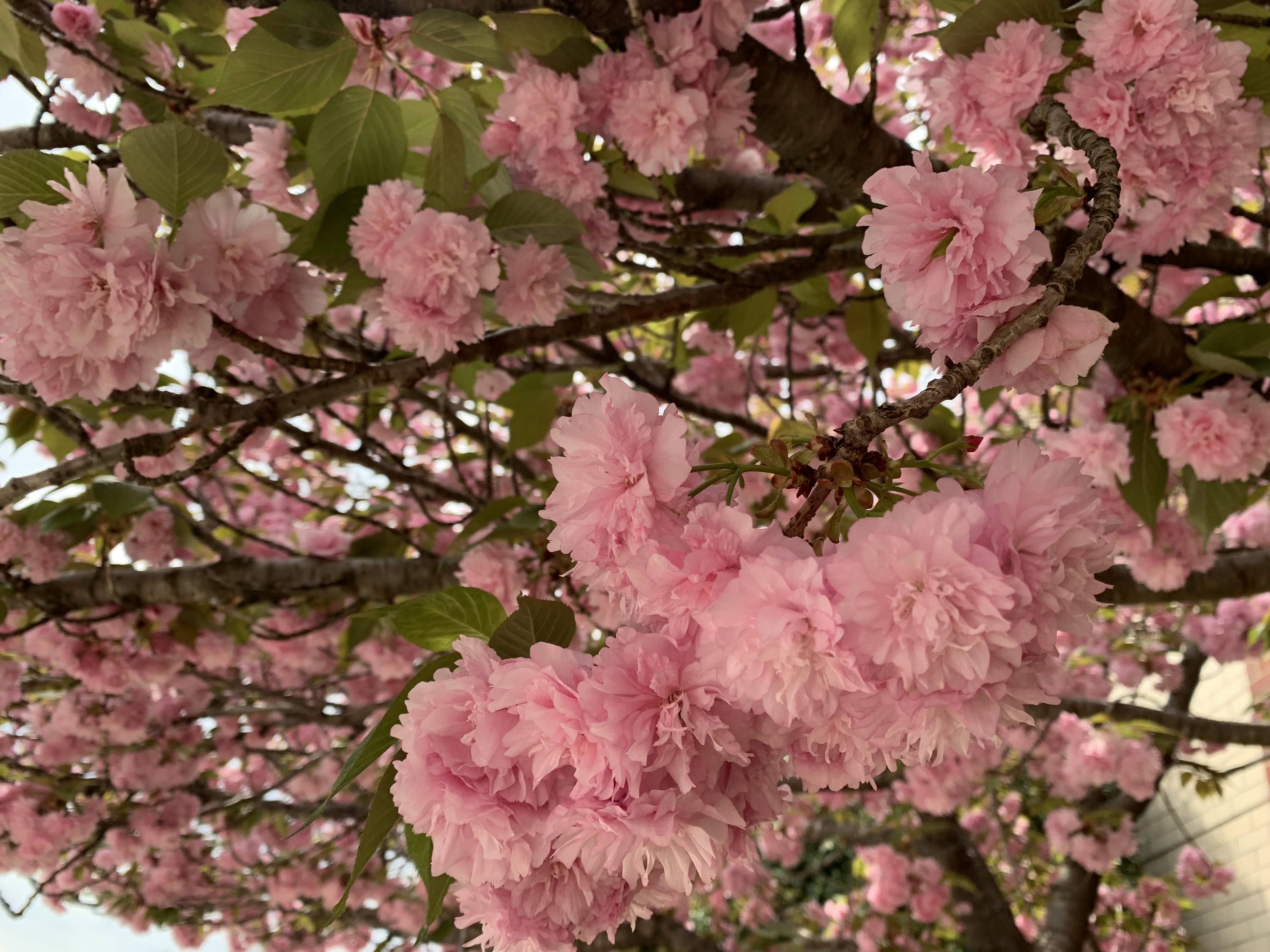
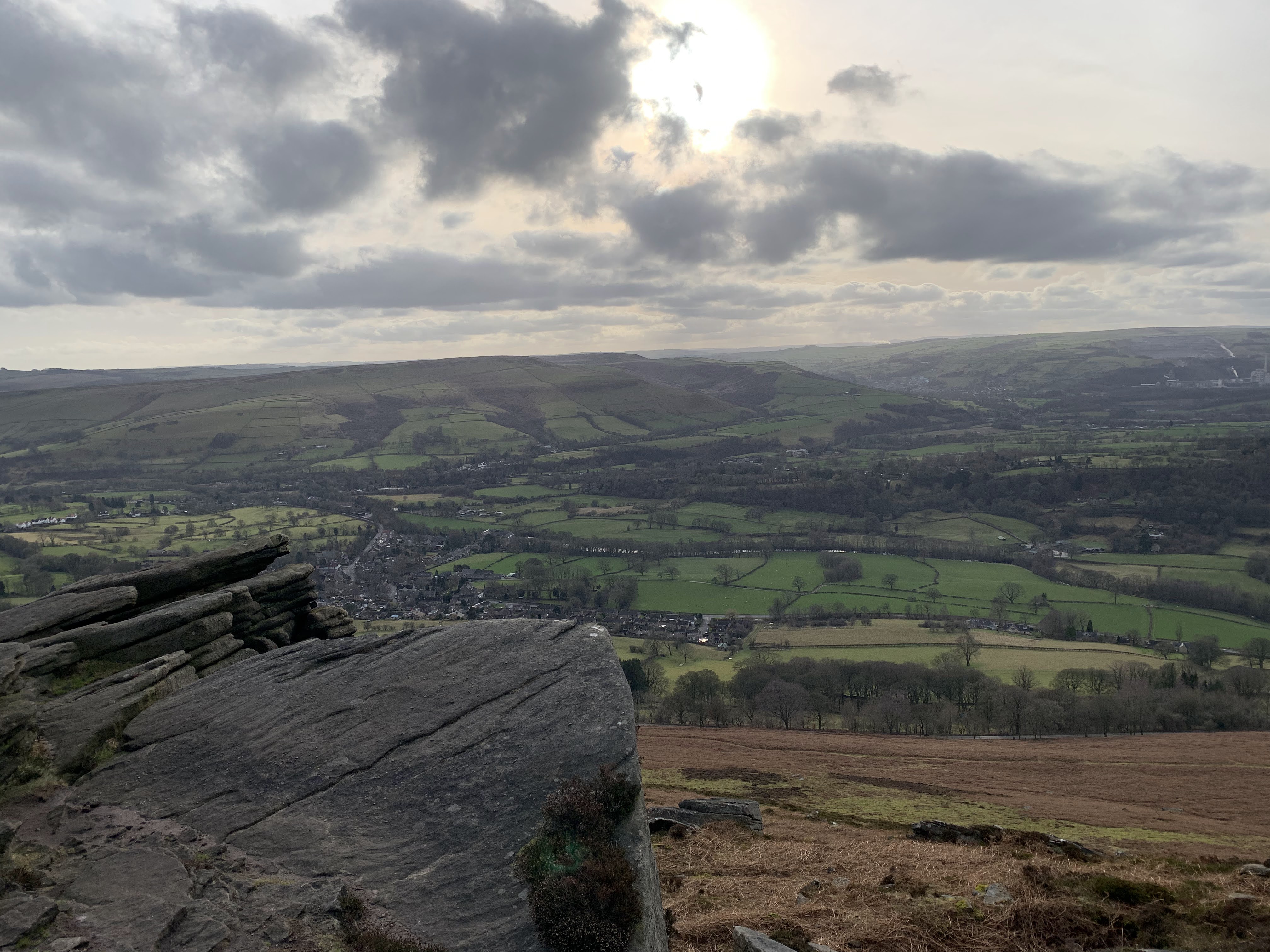
Winter passed like melting snow. I stood on Stanage Edge in the Peak District of England, trying to think suitably noble thoughts*;  glimpsed the half-moon through snowy cherry blossoms; watched new leaves fill the woods with that soft, bright green; hunted for the tiny, gem-like wildflowers of bright blue, starry white, and deep purple that dot the grass; watched the bonfire dance as we celebrated the Resurrection at sunrise.

* In the 2005 version of Pride and Prejudice, Stanage Edge is the rocky outlook where Kiera Knightly stands and looks out at the horizon. It’s a good place to take pictures of yourself looking out at the horizon with a thoughtful expression.

As winter slipped away, I explored Hans Christian Andersen’s “The Snow Queen” with two different guests, examining the cold, perfect, deathliness of evil and the warm, healing vitality of goodness. I delved into the deep sorrow and even deeper hope of Job in connecting the Leviathan image with the sea dragon in the Scottish folk tale, “Aspittle and the Stoorworm.” I listened to C.S. Lewis’s The Great Divorce and some of P.G. Wodehouse’s Joy in the Morning, reminding myself of the eternal beauty and wonder that sings outside of the computer screens, tax seasons, traffic lights, and other mundane pieces of everyday life. 

The creative dry spell I’ve been in for a while still continues, but I’ve started to have colorful dreams and daydreams of the stories I want to tell. Studying psalms like Psalm 36, with images like the Lord’s “river of delights,” as well as the sacred metaphors of the Gospel of John, make me yearn to write tales of wonder and hope: stories full of the goodness of the river of life, the garden of paradise, and the mountains of God. 

I’ve had a string of disappointments in trying out new books recently, but I’ve cheered myself up with some rereads. I can recommend these as hope-kindling as springtime: 

Nancy Guthrie’s Even Better than Eden – I read this last year after an exhausting work trip, and it brought me so much joy. Nancy Guthrie traces nine images from Genesis to Revelation, including the Wilderness and the Tree, and how the Lord Jesus’s atonement brings us a life that is even better than the Eden we lost. 

R.J. Anderson’s No Ordinary Fairy Tale and Flight and Flame trilogies (six books total) – I first encountered R.J. Anderson’s work through her beautiful science-fiction/fantasy Ultraviolet, and was thrilled to see she’d written more fantasy. Anderson’s vivid prose, stunningly vibrant characters, and exciting storylines explore what it means to be human, what good and evil look like, and what it means to love in fascinating ways. As a Bible teacher herself and an excellent storyteller, Anderson weaves British faerie lore and Cornish piskey-lore into gripping narratives that honor the great story of Scripture. If you start these books, set aside some extra time; they are almost impossible to put down.

Snowbound and Rainsodden: Books and Winter Weather

It was so familiar: watching flakes fall from darkness to pale earth, spinning, a sight that will make you dizzy if you stare too long; the lightness of fresh, powdery snow underfoot; silver glitters in the new snowdrifts; paths trodden with iced-preserved footprints and pawprints; week-old snow frozen hard with subzero temperatures, too slick to walk on. I watched the snow highlight every branch and twig of the woods, like a white pencil outlining the sketch of dancers mid-motion, before the snow dropped off and left them gray and bare again. I felt the cold of negative temperatures, burning on the face and pulsing painfully in the fingertips, so fierce that returning to the 20s Fahrenheit felt balmy by comparison.

Nashville winters, someone told me, are usually “doom and gloom” – temperatures in the 30s and 40s with dark rainclouds. This past week, which shut down every major activity, would have been respectable in many northern states (except maybe Montana). I have dug deep snow tunnels in New Hampshire, driven on the ice rink of freezing rain in Maine, and watched ice turn trees into wonders of blown glass in Massachusetts, but I was not prepared for such weather here.

This part of winter is usually hard for me between the twinkling merriment of Christmas and the green of spring is so far away. Every year, I try to find ways to enjoy this season as cozy and romantic. It is, after all, a gift to be able to curl up in a soft blanket with a good book in hand and a candle burning, as the world sleeps outside.

Here are a few books I’m enjoying as warmer temperatures melt the snow:

All the Lost Places, by Amanda Dykes – I heard Amanda Dykes on several podcasts I follow and appreciated her thoughtful, gentle insights on writing and publishing. This book is a wonder. It has the eloquence and depth of the genre known as “literary fiction,” but instead of the despair I’ve encountered in other literary fiction books, it radiates hope and goodness. From the foggy streets of San Francisco to the glimmering canals and labyrinthine alleys of Venice, the book traces two lovable main characters whose stories are stitched together across time. Daniel of 1904 is bent under a load of guilt and shame; Sebastian of 1807 struggles to solve the riddle of his past and a stranger swept to his doorstep out of a storm. Discovering a new author who has published a stack of books is a rare delight, and I am excited to explore Amanda’s other stories.

A History of Tom Jones, A Foundling, by Henry Fielding – I read about this book in Karen Swallow Prior’s book, On Reading Well: Finding the Good Life Through Great Books, in which she examines how works of fiction can teach us to understand and and practice virtue. She uses Tom Jones as an example of understanding prudence. I loved tracing the main character’s path from foolishness to prudence, recklessness to wisdom, and exile to home in this book. It’s very long, bawdier than I expected (think the cruder aspects of Shakespeare, and then step up a level), full of mock-epic moments and exaggerated references to classical myth, and does feature some significant wrongdoings by the hero. I caught myself saying out loud, “Tom, no, you dummy!” at various intervals. There are, however, realistic consequences for bad behavior, and a tone of love and understanding that makes me glad to have finished it.

Summer Lightning, by P.G. Wodehouse – I picked up this book to follow along with the “Close Reads” podcast. Wodehouse is new to me, and the ridiculous, overly complicated, earnest, and chaotic exploits of his characters are an absolute joy. Watching various people at a country house try to outdo each other in stealing things, impersonating other people, falling in love, making and breaking engagements, and sometimes outright blackmail, where no one really gets hurt and all good desires are fulfilled in the end, feels very safe in this uncertain world. 

The Silver Chair, by C.S. Lewis – For a few years now, I have stayed away from some of my most beloved series – the Chronicles of Narnia, the Harry Potter series, and The Lord of the Rings – because I wanted to forget them enough to come back and find them fresh and new. I decided to reread this book, my favorite Narnia book, because it’s a text for two online courses I’m taking: a medieval cosmology course by Kelly Cumbee and a creative writing course by Jonathan Rogers. I’m very familiar with the excellent radio drama version by Focus on the Family, but this time, I listened to this audiobook version by Jeremy Northam, which was wonderful. Each book in the series has a different reader, including Kenneth Branagh for The Magician’s Nephew and Patrick Stewart for The Last Battle

I love The Silver Chair so much. I deeply identify with Jill’s struggle to obey Aslan; I love the perilous wanderings across the wild north; I burst out laughing multiple times at Puddleglum’s cheerfully dour sayings. Best of all, Jeremy Northam’s voice for the audiobook emphasized the kindly humor of C.S. Lewis’s prose asides in the text – those thoughtful, sympathetic comments about how you feel in certain situations, like sitting by the fire late at night, too tired to do the hard work of going to bed.


Now that Nashville’s dark rainclouds have returned and melted the snow, I can go on walks again, slipping in the mud and letting raindrops slip through my hair. I don’t think I’ll ever fully enjoy this time of year, but I can appreciate the grim, quiet, atmospheric beauty of wild winds, stormy skies, and steady rain.

A Winter of Prophecy, Story, and Hearthfire


Winter in Tennessee has been a season of stark contrasts and startling shifts. We’ve had days clear and frigid enough to burst pipes; days of mellow sunlight and fresh breezes; days dark enough to light flickering candles; days of sharp sleet or glittering frost. Black buzzards circle above the hills; squirrels bustle in the bare trees, whisking their tails; golden daffodils and green leaf buds unfold in the woods. 

This is an awkward time of year, meteorologically and culturally. The merriment and busyness of Christmas, New Year, and Epiphany pass away into January that can be fresh and quiet and still – or dreary and dull and lonely. In February, the crimson, heart-shaped candy boxes and pink balloons that appear in Walmart are not a pleasant sight for everyone.

I expected a gray and sluggish January and early February. Instead, I found myself in a whirlwind of good, fascinating, exhausting things: 

The Lion on the Mountain: Studying Exegesis through Amos

A few weeks ago, I attended a Bible-teaching workshop that illuminated God’s leonine majesty and abundant mercy in the Book of Amos. The workshop focused on the practice of Scriptural exegesis, or drawing meaning out of the text rather than using it as a platform for your own assumptions. It was humbling and awe-inspiring. We learned more about determining contexts, stepping into the dusty world of the first audience; identifying the bones of structure to find the author’s points of emphasis; seeing the glimmers of gospel justice, mercy, sin, and grace in a particular passage; tuning your interpretation of the promises, warnings, and principles of the text to the ears of a modern audience. 

I felt, as I have never felt before, how much help we believers have in understanding the nature and will of God. The text itself leads you by the hand; the Holy Spirit overshadows you; the church walks beside you. The book of Amos uses multiple literary techniques to press its message on our hearts: the concrete images of a lion roaring, threshing sledges and plumb lines, summer fruit and mountains dripping with sweet wine; the repetition and rhythm of poetic lines; the command of imperatives, forceful verbs, and evocative nouns to call Israel to repentance. The very fierceness of the warnings testifies to the fierceness of divine love.

The workshop reminded me to listen, and listen wisely. Listen to the voice of God in His Word, the Spirit, and the true Church, and measure the trustworthiness of all other voices – family or friend, influencer or news source – by its integrity to His plumb line of truth. 

Goodness in Story and Song

It has been a month of stories. A few weeks ago, I sat in a high balcony seat with a partly-obstructed view and watched an incredible cast singing of candlesticks and barricades, rain, stars, black and red, love, grace, suffering, and heaven-longing in a performance of Les Miserables. At home, I’ve been delighting in the sonorous images of gold rings, glass hills, nightingales, wells, fawns, and ravens in Grimm’s Fairy Tales, which I have never read all the way through. 

For a book study, I’ve explored a narrative of ravenous swamps, a light twinkling through the fields, a terrible burden, and a shining city in John Bunyan’s Pilgrim’s Progress. As part of that study, I’m researching the mysterious, controversial, oft-misunderstood wayfarers known as the Puritans. There is so much to read and know about them, but in my research so far, they are defined by zeal: passion, earnestness, ardor, sincerity, boldness, perseverance, and painstaking care in all they did. 

These stories inspire and intimidate me as a storyteller. As an artist and a person, I want to be known for zeal, for gentleness, and for excellent craftsmanship: for creating story-worlds that resonate because they testify to the truth without being preachy or simplistic. Somehow, despite being extremely and unapologetically preachy, and using a form criticized for its simplicity – allegory – John Bunyan created a story that has shaped thousands of imaginations for more than three centuries. Les Miserables and Grimm’s Fairy Tales also meditate on justice, goodness, mercy, honor, and self-sacrifice in plain prose as well as poetic images. I hope I can learn to write well enough to write tales of goodness and wisdom, joy and courage without oversimplifying or making truth seem boring.

Hearth Fires and Hospitality 

Last weekend, I held an 80,000-word manuscript in my hands – my own manuscript, my own work, the first novel-length writing I have actually finished. A friend lovingly printed the copy for me. We sat in a room full of laughter, stories, and the smell of hot apple cider and woodsmoke at a writer’s retreat.

The weekend gave me much to reflect on in the mystery of hospitality and fellowship. Since childhood, I’ve struggled to understand how the deep friendships portrayed in books like The Lord of the Rings are hard to establish in real life. We all crave intimacy, to be welcomed into cozy rooms and laughing circles, but it is so difficult to find. Learning and remembering people’s names; asking the right questions; drawing out the quiet people or launching into a monologue to give them a break; introducing people to each other; setting up board games, walks, meals, or other gatherings; asking “how are you?” casually or seriously; it is all a dance, a pattern of wit and discernment and perseverance and sometimes chance. It is so delicate, but worth every careful step and cautious leap. 


All this winter busyness was good – beautiful, encouraging, and thought-provoking. It has also been exhausting. After years of seeking good things like fellowship, adventure, and opportunities, I have to remind myself that I need to seek rest, too. Maybe that’s why February is gray – not just the gray of drabness, but the gray of quiet. 

Winter Eyrie: “From the Lighthouse Above the World”

In a gray, cold late winter/early spring, this Winter Eyrie series has been such a blessing. Jesse Baker, Becky Hunsberger, Reagan Dregge, Sandra Hughes, Kori Frazier Morgan, Jen Rose Yokel, Loren Warnemuende, and Bethany Sanders wove worlds with poetry and prose, sunlight and snowfall, fairy lights and squirrels’ nests, ash and rose vines, moonglow and sleeping lilies. Their work brightened my days.

For my own Winter Eyrie contribution, I wanted to try metered poetry again, but realized that I would need more than a few weeks to hammer out trochaic tentrameter or a rondeau. I wanted to do something ethereal and dreamy, and this was the result. It’s the first time I’ve tried an epistolary style, and I had fun working with the limitations it imposes (such as dealing with only a few voices and not explaining everything that both people would know). Enjoy. 🙂

From the Lighthouse Above the World

From: Zach, Lighthouse above the World
To: Ellie, Western Isles
Delivered by crane
February 20

Hi Ellie,

I hope you’ve had a good winter out at the edge of the world. Do the leaves ever fall there?

I’ve been up at the Lighthouse since autumn. It’s quiet and cloudy. I have to tend the lantern every two hours until Easter, which makes my sleep schedule a bit like a new parent’s. It’s ok, though. I haven’t gotten tired of the colors. The clouds burn rose and saffron at sunset, and the beacon turns from orange to violet after dark. I can see the pale lights of the Vessels as they slip past.

It’s peaceful, after the war. I’m sure I’ll tire of it, but for now, the books and the doves are good company. 

Miss you.
Zach

From: Ellie, Western Isles
To: Zach, Lighthouse above the World
Delivered by flame
February 28

Zach,

It’s so good to hear from you. We were worried when you left the hospital without saying goodbye. 


Is it lonely up there? 

We didn’t really get a winter out here – the apples are gold year-round, and the leaves turn silver and fall but grow right back. The dragons won’t let us get close enough to pick the apples.

It’s peaceful here, too. My unit has been exploring the sea caves on our days off.

I hear that the rest of the world is getting back to normal. NYC sealed their rift and just had their first football game. My sister is going to Purdue for engineering. Wireless communication might start up again.

Do you think we’ll ever feel normal whole again? 

Ellie


Zach to Ellie
March 4

Ellie,

I’m sorry I left without saying goodbye. I couldn’t face you. In my mind, you’re still all in that ward, burned. I haven’t had the courage to write to the others.

The island sounds wonderful. Do you think you’ll stay when your deployment is up?

A Vessel came close last night, so close I could almost see it. It smelled like frozen stars. There was a break in the clouds afterwards, and I saw the whole Milky Way, glittering. I could almost hear the music.

I don’t know if we’ll be whole again. Maybe the rest of the world will be. The sky is open now.

Zach

Ellie to Zach
March 9

Zach,

Have you wondered what would happen if you did see the Vessel? The Treaty stipulates non-contact, but surely they know that military posted at the Gateways might glimpse things.

We had a bonfire and s’mores last night on the beach. The mermaids sang. Then it rained, warm golden stuff that smelled like sandalwood, and we just sat there and laughed and let it drench us.

Zach, no one blames you for what happened on Manaslu. You had an impossible choice, and you saved all our lives. I’m not sure about the others, but Lea is posted on the Glass Mountain, and Sammy and Liang are down at the Everblue. I know they would like to hear from you.

Ellie


Zach to Ellie
March 11

Ellie,

There’s no rain here – it’s too high. All I know is the lightest, most delicate crystals of snow, forming before my eyes, drifting down to the world I can’t see.

If I got a good look at a Vessel…Treaty or no Treaty, I’m not sure it’s safe. Anyone who saw the Rift-makers never came back the same.

Ellie, you’re so kind, but I was a coward at Manaslu. I should have been the one to burn.

Zach

Ellie to Zach
March 14

Don’t repeat this, but…I don’t think all Rift-makers are evil. Or that they’re the only ones out there. The Gateways destroyed so much, but they brought so much beauty. I was just stretching on the beach after my morning run, and a herd of unicorns thundered past me into the sea.

I miss texts and FaceTime – letters are so slow. Please tell me what you mean about Manaslu. 

Zach to Ellie
March 16

Maybe you’re right. When I go out on the balcony, I can see the clouds playing – pale wisps of wyverns and jaguars and rocs twisting and turning and chasing each other. Maybe the world wanted to go wild again.

So Manaslu . . . ok. I didn’t run to draw the Snowdrake away from the rest of you. I just ran. I had no idea the crevasse was right there. By rights, I should have been the one to fall into it.

I’m sorry.

Zach

Ellie to Zach
March 19

Zach,

If you could see the sunsets here, you would either die of happiness or write an epic poem. I can’t describe them like you could. But we watch them each night like a TV show.

Can you get leave to come visit here, so I can see you in person? This is the twelfth draft of this letter, and I can’t write the words I need to tell you.

Ellie


Zach to Ellie
March 20

Ellie,

I can’t come to you. I would, but this deployment is a five-year commitment.

But you could come here ~ 

Zach to Ellie
March 27

Ellie? If you don’t want to hear from me again, please just say so.

Zach to Ellie
April 3

Ellie?

Ellie to Zach
April 5

I’m coming. Bribed a pegasus.

Keep the light on for us

Poetry, Places, and Inklings

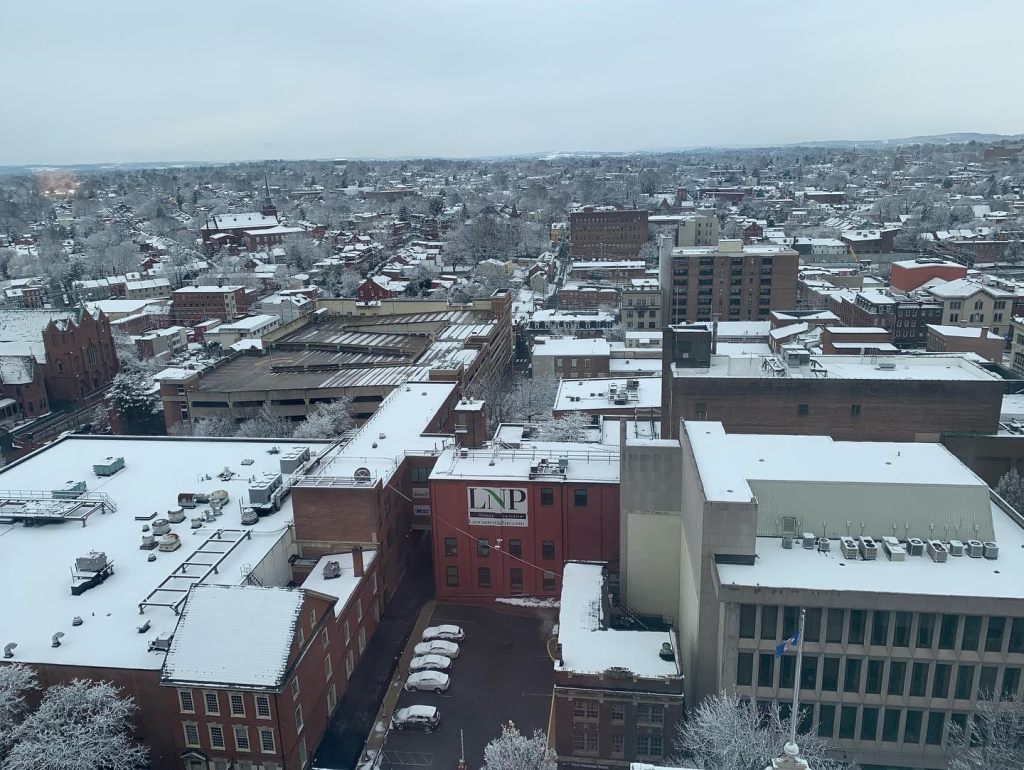
Lancaster, PA in the snow

He sees no stars who does not see them first
to flame like flowers beneath the ancient song,
whose very echo after-music long
has since pursued.
J.R.R. Tolkien, “Mythopoeia” 

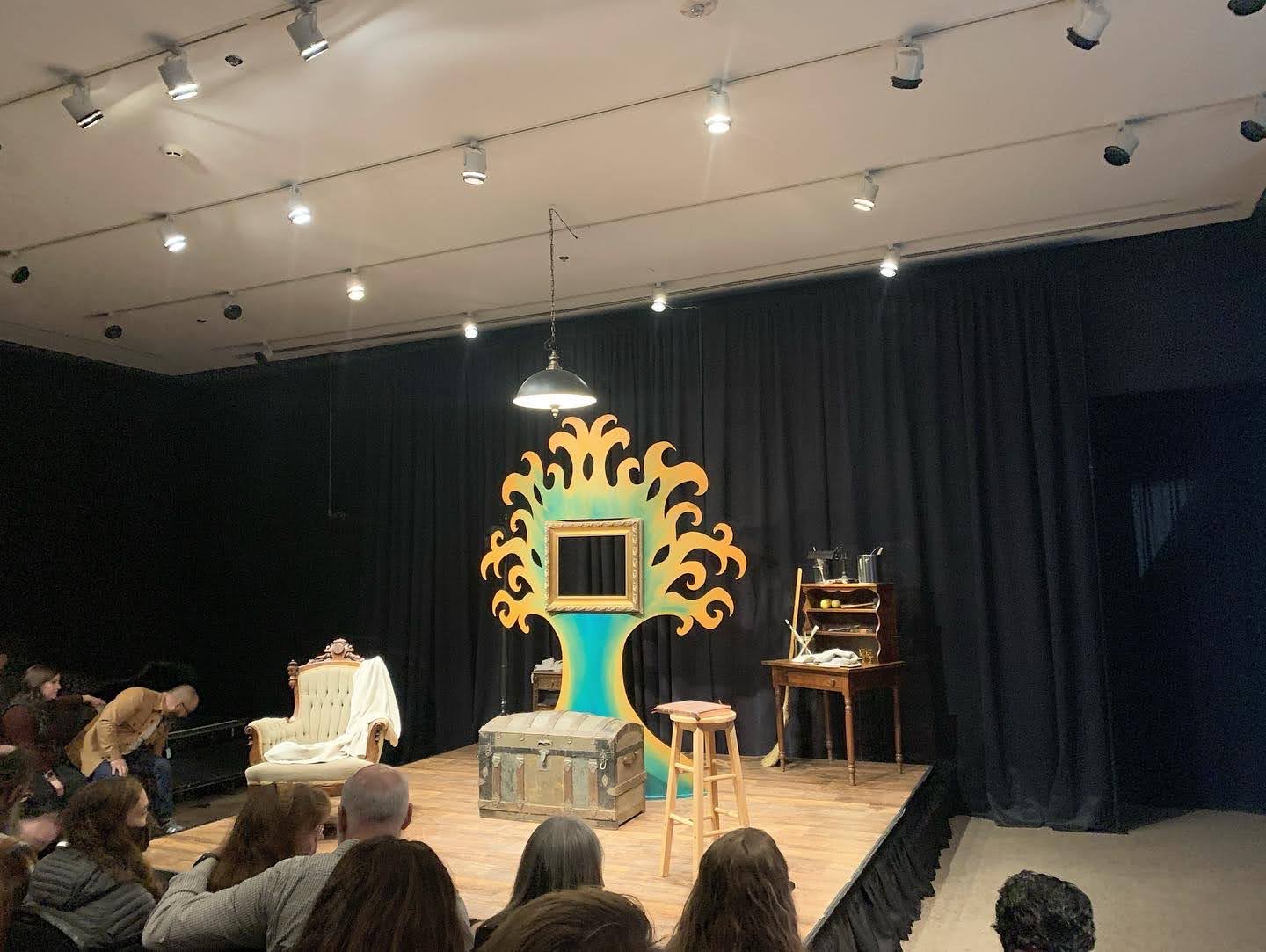
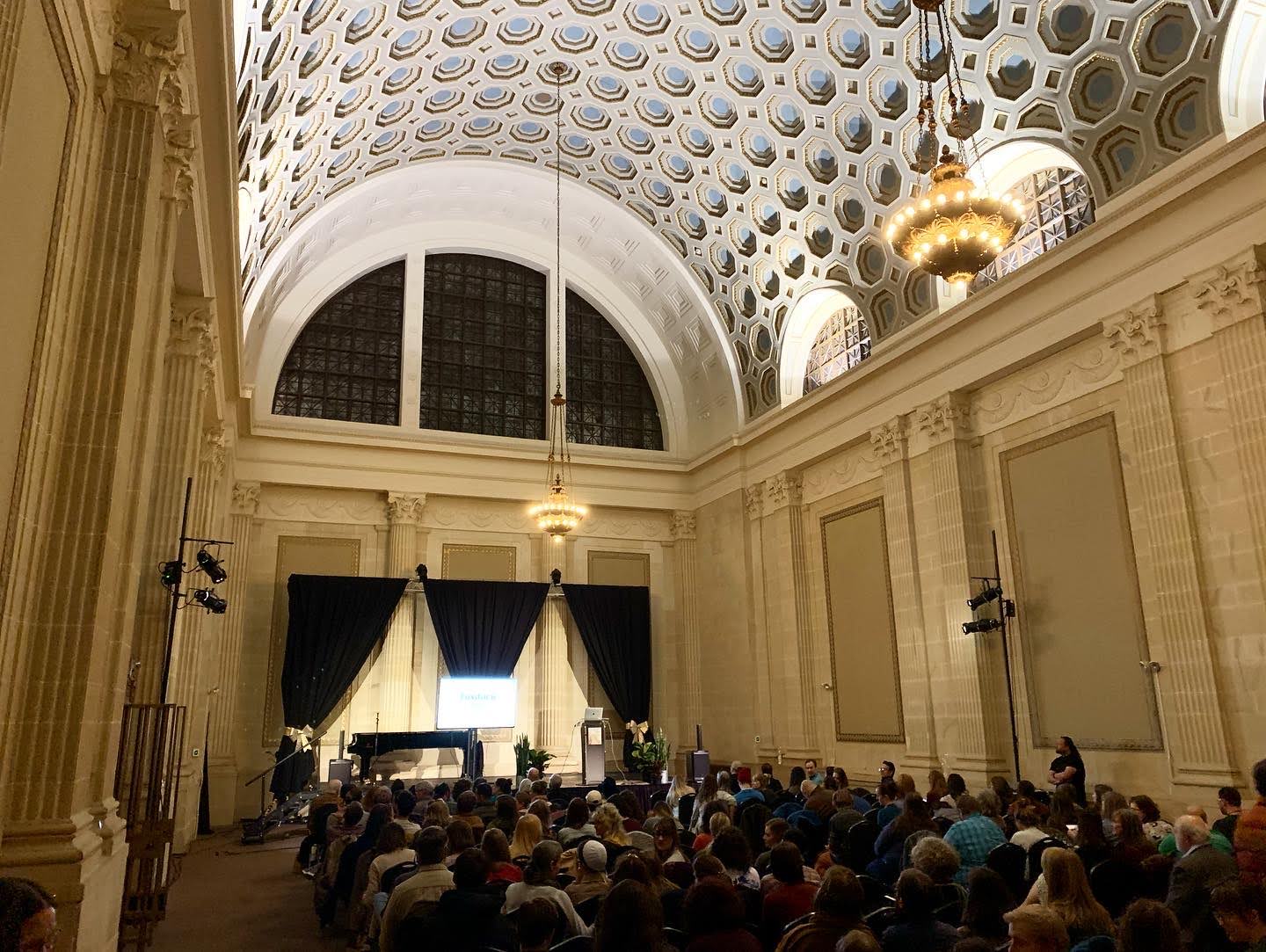
After a winter of long drives into the dusk, ice-puddles that sparkled in the sun, and bitter cold that cracked the skin on my hands, I sat in the Trust Performing Arts Center in Lancaster, PA, frantically typing notes. I was supposed to attend the Inklings Fellowship Conference, hosted by Square Halo Books, in April 2020, only to have it postponed due to COVID. As I made my travel plans for Lancaster, I kept thinking about how much has changed in me and in the world in these two years.

The conference was joyous. For the first time, I met writers and artists in the flesh who I had met in digital forums – online classes, creative collaborations, or Zoom office hours. I gave most of them big hugs. Somehow, talking about creativity, art, faith, and beauty over the Internet gave us a familiarity that made our in-person meetings comfortable and full of laughter.

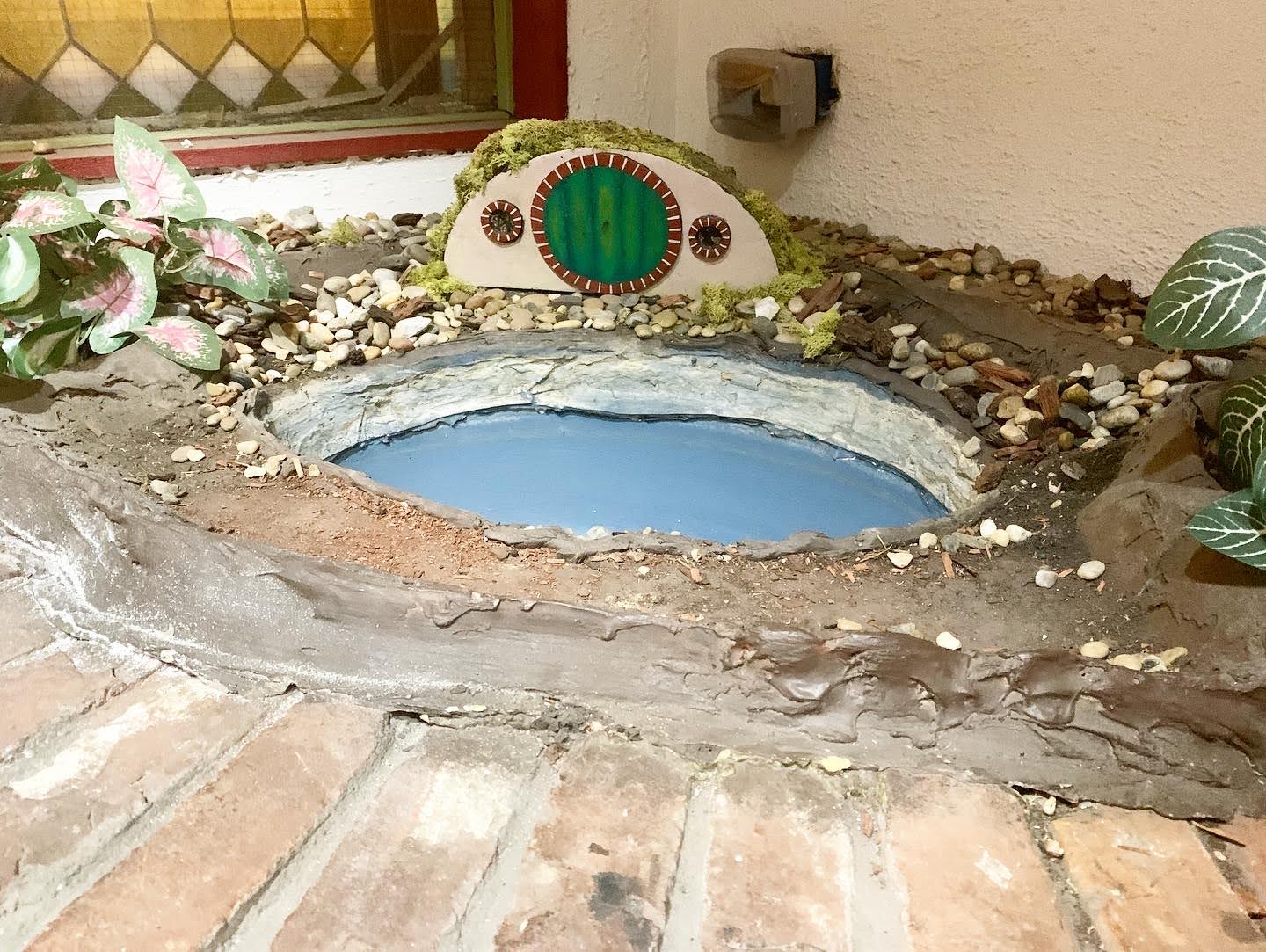
It was enthralling. Lectures by scholars, artists, and Inklings-lovers on the wordsmithing of Tolkien, the myth-blending of Lewis, and the collaboration between them fill my mind and heart with wonder. The “Rabbit and Dragonfly” pub next door, with its miniature Shire landscape, huge map of Middle Earth, painting of Lucy and Mr. Tumnus at Lantern Waste, and shelves of old books felt like a home I’d always wanted but didn’t know was real. I scoured the conference bookstore and spent far more money on books than I budgeted for.

It was exhausting. I love conferences, but the rapid pace, overflow of information, and consistency of social interaction left me completely drained, though very happy. 

The power of poetry and language, of words and names, was one of the keynotes for me. I’m still pondering the fantastic lecture by professor and poet Christine Perrin on “The Poetry of Tolkien,” in which she argued that Tolkien was an epic poet equal to Dante, Milton, or the author of Beowulf, and understanding his poetry is fundamental to understanding his work. She outlined Tolkien’s love for language (apparently he felt that a new Grammar Primer was like finding a hidden wine cellar) and his understanding that to name something is to know it and possess it. She also explained Tolkien and Owen Barfield’s idea that our language is splintered and fragmented from its original wholeness, a tragedy that has splintered and fragmented our consciousness and understanding of the world. For instance, words like the Greek pneuma have a holistic meaning of wind, breath, or spirit, united so that the one word has multiple layers of meaning, while English has separate words for each concept. This separation has disrupted our ability to understand the unity of the cosmos. 

The theological importance of naming reminded me of Madeleine L’Engle’s A Wind in the Door, one of my favorite books, in which Naming is linked with loving, understanding, communicating with, and rescuing others. It also made me think of my day-job as a technical writer, in which I try to teach, simplify, and convey complex ideas about software and cloud computing in clear, simple instructions. Language is one of the greatest challenges of my newest job. The terminology of cloud computing and networking was developed by engineers, scientists, military and government officials, and (I say this lovingly) computer geeks. I doubt any artists or poets were involved, and I wish they had been. As it is, software and computer engineering language is made of many displaced or complex, hard-to-remember, uninteresting words and phrases: 

  • Words transplanted from the physical, artistic, and even spiritual worlds into digital contexts: screen, page, icon, code, cloud, tunnel, gateway, walled garden, firewall, routes
  • Words that are abstracted and not linked with the physical world at all: data center, availability zone, encryption
  • Acronyms that are very hard to remember, at least at first: HTML, DNS, IPv4, ECMP, VPC

I don’t know if anything can be done now, as experts in these fields are familiar with this language, and to change it would be as difficult as changing a national currency or measurement system (but worse, since the Internet is international). But I wish a scientist/engineer/programmer with J.R.R. Tolkien’s love for words, C.S. Lewis’s clarity and skill with analogy, and Dorothy L. Sayers’s bluntness and common sense had been the one to choose the nouns, verbs, and adjectives we use for computing and networking. 

Christie Purifoy’s session on “Placemaking in Narnia” meant a lot to me after weeks of walking through concrete tunnels, gray parking garages, and tiny city parks with leafless trees and withered grass. But her talk was more than a reminder that beauty is important. She argued that even beautiful places can be place-less – lacking “aliveness” or a sense of “wholeness, spirit, or grace.” Frozen Narnia was beautiful, but it was disenchanted and lifeless under the reign of the witch. Place-making is the re-enchantment or reawakening of places.

I found this beautiful, hopeful idea of place-making inspiring and encouraging, though it brought back some frustrating memories. As a child, student, young professional, and just another human being in the world, I have not always had control over the environments in which I live, work, commute, and exercise. Location, the cost of living, spiritual calling, and bureaucratic requirements of different seasons of life (such as getting a driver’s license) have all shaped my options for places to dwell in. These shaping forces have put me in places with a tangible “aliveness” and places with a palpable “deadness” – beautiful and ugly, cozy and barren, spectacular and dingy. I’ve played in gardens full of rhododendrons and tulips; studied in school classrooms with blank white walls, and fluorescent lighting; worked in offices of gray cubicles and choking silence; read in libraries full of old books and stained glass windows. In “lifeless” places where I felt trapped, placemaking meant cultivating the little things I could control within the tiny spaces I owned (Spotify playlists, taped-up pictures from magazines, scented candles, fairy lights) and dreaming about the places I longed to make and inhabit.

I drove away from the conference into a snowy blue twilight. The wisdom I’d heard about language, beauty, and art came at a good time – late winter is my least favorite season, the doldrums of the year. As I’ve done in the past, I want to use art to fight the grumpiness I sink into amidst long, gray days of slushy snow and dirt-encrusted ice. In honor of the goodness of poetry and place-making, I’m doing a new creative collaboration for March with some fellow writers and artists, centered around the theme “Winter Eyrie” – the concept of a refuge, a haven, a fortress, a citadel, somewhere cozy and safe amidst chaos. More details to come. 🙂

Photo by eberhard grossgasteiger on Pexels.com

Candlemas in Lockdown

Winter sea

In St. Andrews, they call this semester “Candlemas” for the feast celebrating Christ’s presentation at the temple. Last semester was Martinmas. The names of Oxford terms are Michaelmas (“Micklemas”), Hilary, and Trinity. I don’t know much about the history of the names, but I love the sense of centuries-old tradition, the familiar turning of years. Being part of it, even in the ephemeral role of an international MLitt student, makes me feel part of a community analogous to the universal Church (on a smaller scale).

Between the strict, stricter, and even stricter lockdowns that have fallen into place since New Year’s, the howling winds, frigid rain, piercing sleet, and treacherous ice that have kept us indoors, and the heating-hour schedule which makes our flat freezing at midday and night, my morale has been low. Each new restriction feels tighter and more imprisoning, such that anything that goes wrong – a broken appliance or an interruption to work – threatens to snap my self-control. Small, comforting, physical things like baking fudge brownies, snickerdoodles, or Swedish almond cake to warm up the kitchen, keeping my space reasonably clean and tidy, wearing sea-scented perfume and makeup each day even if I can’t go out, and decorating my room with beautiful art prints helps.

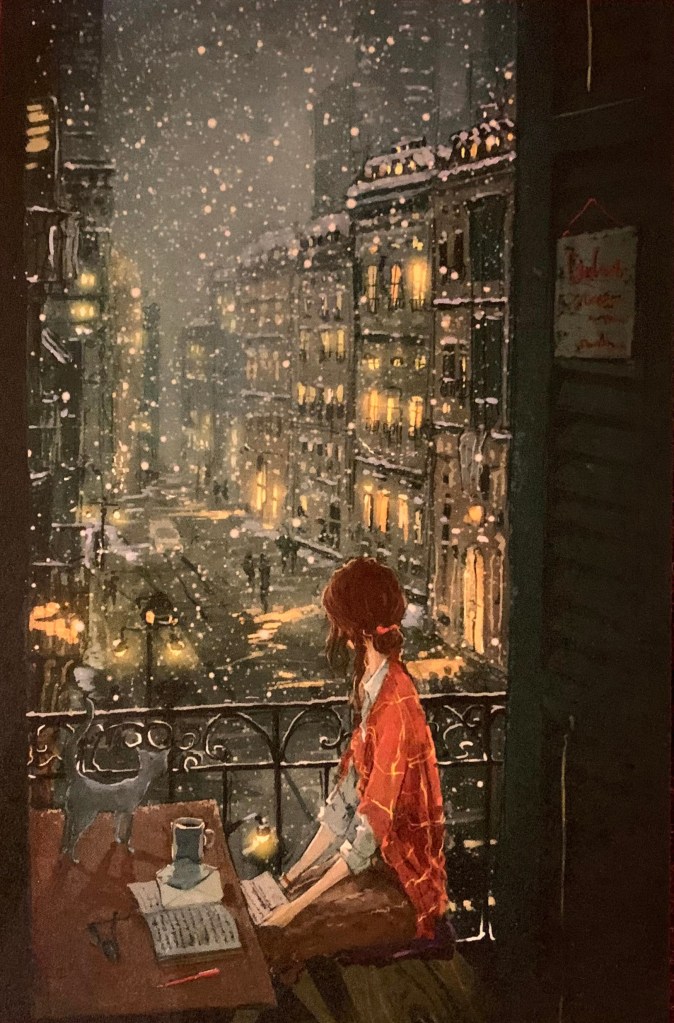
This print is my favorite of the ones I purchased. It’s titled “White Day.”

My classes this semester are also marvelous. We’ve studied the paradox of God as Father and Almighty through Job and Genesis; the iconic art of Michael O’Brien; the turbulent and mystical poetry of Rainer Maria Rilke. I’ve looked into riddle theory for a short story and Scottish lore for a potential, longer project. The fervent, wild poetry of Joy Davidman (the woman who married C.S. Lewis), a book of folk tales from around the world, and Dorothy Sayers’ hilarious, heart-deep Busman’s Honeymoon have also been cheering companions. Lockdown restrictions can take away so many things, but they can’t take away our studies or our books (yet) and I am thankful.

I turned 26 recently. Theoretically, it’s a transition from the bewildered post-college wandering of early 20s to the greater steadiness and maturity of late 20s. I feel a shift in how I look at the world and myself. I am not the fresh-out-of-college, cripplingly shy, confused girl that I was, though I’m not the confident, wise, gracious woman I want to be. The change is slow, like trickling sand.

After graduating college, I felt like I was living in the extended epilogue of a children’s book like Mrs. Piggle-Wiggle, Half Magic, or The Penderwicks, when the author gives you a glimpse of how the children grew up: ten years later… It was bittersweet. But in our story, an epilogue would have ended by now. Our extended family grows from grandparents-parents-kids to grandparents-parents-young adults-babies; I continue to seek adventures and career opportunites; I try to figure out the size and shape of the gift God has given me and where it fits in the Kingdom.

Candles (another forbidden item in this fire-safety-conscious country). Not as bright as sunlight or glamorous as moonlight, but cozy and mysterious on a stormy winter night or gray winter afternoon. Candle-mas: a feast of candles, historically significant in the Church, but also a comforting image in this late winter lockdown. 

This is a season for feasts and candles.

The Magic of Late Winter, Part I: Guest Post by Kimberly Margaret Miller

Mug in a bright window.
Photo by Pixabay on Pexels.com

As I posted about last year, late February through March are usually the hardest time of year for me: the glitter of the holidays is long gone, the snow turns to slush, and New England is a mess of gray fog and ice storms. Crocuses and warm winds take a long time to arrive.

This year, however, my own writing and engagement on The Habit (an online writing community) have reminded that me that I live in a world of wonders created by an almighty God, and my art gives me the power to perceive and create beauty in the grayest places.

Some of my favorite writers have already done the work of re-enchanting this season, transforming it from depressing to mysteriously beautiful: Emily Bronte in Wuthering Heights, James Hogg in Confessions of a Justified Sinner, Seamus Heaney in “Glanmore Sonnets,” and others.

So I want to approach this late winter season with a spirit of joy and wonder. This blog series will explore the magic of late winter and very early spring: pearl-gray skies, silver-white ice on the dark surface of ponds, rain-speckled snow, damp winds that spread the smell of wet soil, rain-speckled snow, birdsong on misty mornings.

For this project, I’m partnering with some wonderful writer-friends from The Habit, as I did last Thanksgiving. First, Kimberly Margaret Miller graciously let me repost this exquisite poem from her blog, a meditation on winter sunlight. Kim lives in the deep South, which doesn’t usually receive heavy snows, but can be gloomy with “short days, barren trees, and overcast skies.” 

This poem originally appeared on Kimberly’s blog.

Winter Sun

Your beams stretch,
            Arms beckoning,
a final embrace as you bid adieu.
Reaching, leaning, tilting
                        You scatter color
across the bleak horizon.
Then you are gone.
            Longing fills.
                        Cold darkness envelopes.
                                    I forget.

My alarm pulses.
            Shuffling through routine with half open eyes,
                        Morning tea in hand,
I pull back the curtain.
I wasn’t looking for you,
                        But there you are.
                                    Waiting for me to behold.
                                                Your quiet grandeur
whispered in hues of pink and purple.
                        I stand and listen with rapt attention.                                   
And suddenly, I awake.

Leash in hand, I walk Curiosity—
            The chase is on.
                        Weaving through bare trees
you pursue,
                                    Streaming brilliance.
        Stopping in my tracks,
I think of night.
                                  And already I miss you.

Your arms stretch,
            Across beams,
no final embrace as you bid adieu.
Reaching, leaning, tilting
            You scatter crimson
across bleakness within.
Then night comes.
            Longing fills.
                        Cold darkness envelopes.
                                    I forget.

My hunger craves.
            I shuffle through my days with half-open eyes.
You pull back the curtain.
I am not looking for you,
                                    But there you are,
                                                Waiting for me to behold.
                                                            Your quiet grandeur
whispers in hues of love and peace.
                I stand and listen with rapt attention.
                              And suddenly, I awaken.

The Day is at hand, I walk forward.
            The chase is on.
                        Weaving through barren places
you pursue,
                                                Streaming brilliance.
            Stopping in my tracks,
I think of night.
                                    And already I know
You will never leave.

Picture of Kimberly Margaret Miller

Kimberly M. Miller is a writer, wife of 28 years, mother to four children, and granna to one amazing little boy. She graduated cum laude with a Bachelor of Arts degree in Journalism in 1991 from Mississippi University for Women where she served as editor of The Spectator for two years. Kim’s writing has ranged from advertising copy and press releases to short stories and essays. Since retiring from 24 years as a homeschool mom, she’s devoted her time to honing the craft of fiction writing. Her current work-in-progress is a historical novel set in Mississippi in 1834.