Hearths and Mountains and Treasure Hunts: My Favorite Things

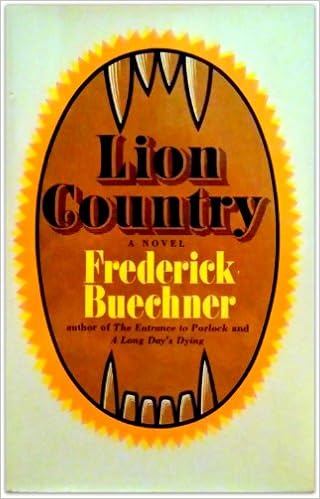
Through the summer and fall, I devoured one book after another, focusing on the classics: books whose titles I recognize, books from lists of “Must-Read Classics,” books given to me that seem to have literary value. I finished Frederick Buechner’s Lion Country recently and decided to pause and ponder it before searching for another classic. 

I’ve heard Buechner’s name praised by people whose taste I respect. They’ve called him fascinating, insightful, and thought-provoking. Lion Country is the work of a skilled, thoughtful writer: the characters are complex and intriguing (Parr, Sharon, Bebb, Brownie, Lucille, Miriam, and Ellie), the plot is unique (a writer trying to expose an evangelist as a fraud, and being drawn into his world), and the descriptions are concrete, vivid, and create believable settings. 

Like Walker Percy’s The Moviegoer and The Last Gentleman, the story asks “How should we live?” and examine life, joy, and longing. It asks great questions and examines important aspects of what it means to be human, and how a flawed person can be an instrument of grace.

I didn’t enjoy it.

Why? Not because it lacked literary value. I could feel Buechner engaging in mystery, layering his story with allusions to mythology and other classics. Yet it didn’t fill my soul as my favorite books do with joy, longing, or peace. It emptied me, filling my mind with sordid images of tangled sheets of the hotel bedroom where Parr has an affair or a subway station that reeks of urine. 

My dislike for this book probably reflects my immaturity as a reader. I like “pretty” things and books that celebrate them, books that draw me into worlds that are safe, wholesome, beautiful, and good. Much of the world really is ugly, cruel, and dangerous; the cigarette smoke in subway tunnels, the mud and filth of prison camps, chain-link fences, charred forests, and rivers clogged with chemical waste and plastic. I don’t want to ignore the ugliness of the world. I want to fight it.

Many of my favorite books do acknowledge evil and ugliness: J. R.R. Tolkien writes about the ugliness of Mordor, the Dead Marshes, and Isengard in The Lord of the Rings; Anthony Doerr shows the brutality and filth of World War II in All the Light We Cannot See; Charles Dickens portrays the soot and filth and grayness of Victorian England in his works. But these authors show how goodness and courage can conquer evil, and beauty can arise from ugliness.

So I decided to imitate something Maria did in The Sound of Music, another story in which good and beauty (in this case, love and music) confront evil and horror (the Nazis). I made a list of my favorite things: some concrete, physical objects, some more abstract. I want to fill my stories with these things as signs of goodness against evil. I want to create worlds into which my readers can escape and be comforted, healed, and inspired to transform ugliness into beauty.

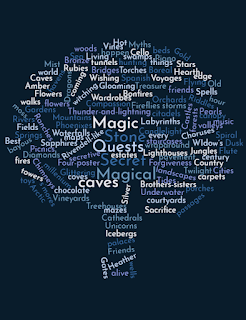
I made a list, and then used this great website to turn the list into a word map.

  • Hearth fires
  • Candlelight
  • Magical woods
  • Gardens
  • Chimneys
  • Mountains
  • Stone/gold/silver/bronze
  • Stars
  • Secret valleys
  • Rivers
  • Springs
  • Best friends
  • Vines
  • Jungles
  • Treehouses
  • Flying
  • Secret coves
  • Caves
  • Living toys,
  • Quests
  • Cities on the edge of the world
  • Voyages
  • Secret passages
  • Torches 
  • Bridges
  • Friends
  • Magic carpets
  • Flowers
  • Waterfalls
  • Joy, hope, sacrifice, grace, forgiveness, love, compassion, the strong loving the weak, 
  • Treasure hunting, 
  • Riddles
  • Spells
  • Nordic, Egyptian, Celtic, Roman mythology
  • Magic and music
  • Stone pavement courtyards
  • Cathedrals
  • Spiral staircases
  • Heather
  • Labyrinths and mazes
  • Magical things that only happen once every century or millenium
  • Arctic landscapes
  • Underwater tunnels
  • Old maps
  • Some magical creatures: dragons, phoenixes, unicorns
  • Puzzles, mazes like Fablehaven
  • Quests
  • Gates, country estates
  • Ranches
  • Rivendell-like havens
  • Brothers-sisters
  • Boreal forests
  • Icebergs
  • Fireflies
  • Bonfires with s’mores
  • Picnics
  • Hot chocolate
  • Wishing wells
  • Castles, palaces, towers, citadels
  • Widow’s walks, wraparound porches
  • Spanish moss, secretive swamps or bayous
  • Glittering caves
  • Sea caves
  • Tides
  • Pearls, diamonds, rubies, sapphires, amber
  • Music: piano, cello, flute, choruses
  • Lighthouses
  • Orchards and vineyards
  • Twilight, dusk, gloaming
  • Four-poster canopy beds
  • Wardrobes
  • Fields of flowers
  • Thunder-and-lightning storms

To show how light overcomes darkness, and goodness conquers evil, I have to include ugly and dark things in my stories: logging sites, polluted oceans, warehouses, New Jersey industrial meadowlands, battlefields, war zone hospitals, flood zones, gray offices, fluorescent factories. But I would rather be accused of writing “escapist” fiction than create worlds without hope.

What concrete, physical things fill your soul and inspire you to yearn for and cultivate goodness? Make your own list of “favorite things” and how they can populate your stories. If you prefer to think visually, you can also make a Pinterest board of them.

The Magic of the Ordinary

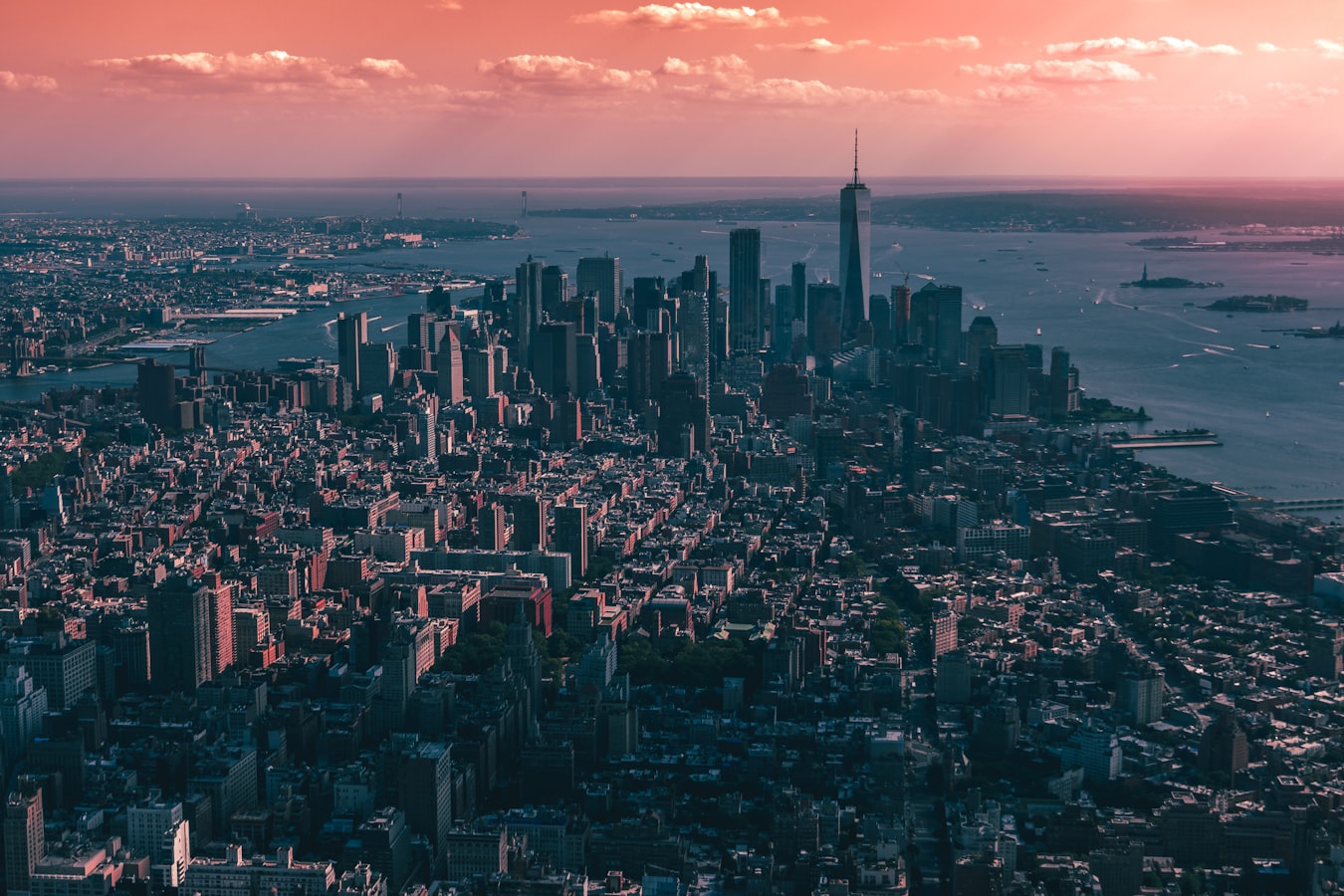
New York City skyline in the glow of sunset.

Nurtured by books like The Chronicles of Narnia and Lord of the Rings, I used to believe that modern technology has no place in literature. Medieval technology such as swords and ploughs, and maybe even Industrial Revolution technology like trains and mills, were acceptable, but nothing later than 1920s-era technology belonged in books.

My logic for this assumption ran deep into my beliefs about stories. I believed that stories were the exclusive realm of the mythical and the wonderful: ancient forests, splendid castles, beautiful princesses, and so on. As an avenue of the imagination, stories should be above the minor, ugly details of life, like technology.

This subconscious assumption ignored the wonderful details of ordinary life which Lewis, Tolkien, Lloyd Alexander, Edward Eager, Edward Ormondroyd, E. Nesbit, and others use. In Lewis’s Prince Caspian, Edmund remarks that being summoned from England by a spell without warning is “worse than what father says about being at the mercy of the telephone.” Ormondroyd uses an elevator as a key part of his Time at the Top

Mentioning current technology also gives stories the precious stamp of regionalism – memorializing a certain place and time so readers can visit it. Now, I love tasting the flavor of past decades through references to slates and record albums.

My assumption also glossed over the very real fact that swords and ploughs, trains and mills were just as boring and ordinary to our predecessors as subways and cell phones are to us. For all their mythology, swords are really just romanticized pieces of metal.

G.K. Chesterton explains this phenomenon of ignoring the romance of the present with reference to modern-day detective stories. He praised detective stories for capturing

. . . some sense of the poetry of modern life. Men lived among mighty mountains and eternal forests for ages before they realized that they were poetical; it may reasonably be inferred that some of our descendants may see the chimney-pots as rich a purple as the mountain-peaks, and find the lamp-posts as old and natural as the trees. (from here)

The storytellers from whom the Grimm brothers gleaned their material wove their tales with commonplace objects. Spindles are immortal because of Sleeping Beauty, but they were as normal as cars or coffee pots to the people who used them daily.

Chesterton’s perspective reveals the amazing possibilities of our world. We don’t need to reuse crowns and Gothic castles to spice up our stories (at least, not all the time). Why not mythologize Brooklyn apartments and Iphones? 

The technology of our day has near-magical capabilities. Google puts a world of knowledge at our fingertips; planes let us fly over thousands of miles in a single day.

With that in mind, I’ve put some story ideas below which realize a few possibilities of modern technology, the way fairy tales used magic rings or carpets:

  • Glitch in one particular Iphone which lets the user call other dimensions
  • Car (specific make and model) with a radio which begins receiving messages for help from another world/time
  • Computer virus which spreads a real, biological virus via the Internet
  • Windmills which were made not to generate clean energy, but to guard against holes in Earth’s magical atmospheric shield
  • Subway train which gets lost and discovers a network of caves full of secrets (treasure, ancient warnings about disasters, lost civilizations, etc.)
  • Stopwatch which begins to count down the days/hours/minutes until the next terrorist attack
  • Energy beings (aliens?) which communicate with the entire country using the powerlines

Material: The Ordinary and the Exotic

Hallway in Versailles.

Last year, I set out on the noble, if reckless, task of reading through my old school anthology of Romantic Literature from cover to cover. I loved the course, and the sight of the book sitting unread on my shelf filled me with so much guilt that I finally gave in. It’s alphabetical (sort of), and William Blake nearly overwhelmed me – his language! His images! I haven’t lingered on each poem as long or thoroughly as a worthy scholar would, but I’ve begun to pick up a certain pattern between Anna Laetitia Barbauld, Sir William Jones, Charlotte Smith, Mary Robinson, Blake, and Shelley (I skipped ahead to him): a focus on what I call “exotic materials.”

The Romantics had a deep love for the natural world that they conveyed beautifully. They celebrated the “stuff,”  the materials, of nature itself such as the sun, moon, and stars; wood, stone, leaves, flowers, grass, fire; water, ice, and snow. (See Barbauld’s “Summer Evening’s Meditation” or Charlotte Smith’s September 1791 poem about the moon – they’re breathtaking).

However, when the Romantics discussed the “stuff” or materials of the human world, I see a contrast between the exotic materials of dreams and the homelier stuff of everyday. For example, Blake discusses soot and bricks in poems such as “The Chimney Sweeper” and “London,” but he dreams of gold, silver, precious stones, and melting metals in his formidable vision The Marriage of Heaven and Hell. Shelley discusses a whole list of exotic materials in his enthralling poem Alastor: diamond, gold, crystal, chrysolite, pearl, gems, and alabaster (somewhere around lines 90-114).

Wordsworth, Keats, Coleridge and the other anthologized writers also contrast the exotic materials of dreams and visions with the uglier, commonplace materials of Regency England (especially London). Note: British Orientalism hovers in the background of this fascination with the “exotic.”

As a writer, I realized that I, too, have a tendency to fill my dreams with exotic materials – expensive, intoxicating “stuff” that become the set and props for my daydream adventures. I made a list of the kind of materials that fascinate and compel me, that carry with them associations of magic and intrigue, adventure and romance:

  • gold
  • silver
  • silk
  • satin
  • velvet
  • mahogany
  • marble
  • bronze
  • iron
  • steel
  • copper
  • mahogany
  • cedar
  • crystal
  • glass
  • gems
Gold and crystal chandelier in front of a mirror and some red velvet curtains.

Like Anne of Green Gables, who loved the idea of an “alabaster brow” before knowing what it was, I love thinking about these materials and using them in metaphor and simile. However, I believe that writers have an obligation to reveal the beauty of our own place and time. I started to make a list of the materials I encounter every day:

  • concrete
  • plastic
  • styrofoam
  • cardboard
  • paper
  • wood
  • metal
  • rubber
  • cement
  • ceramic 
  • paper
  • cardstock
  • aluminum
  • tin
  • sawdust
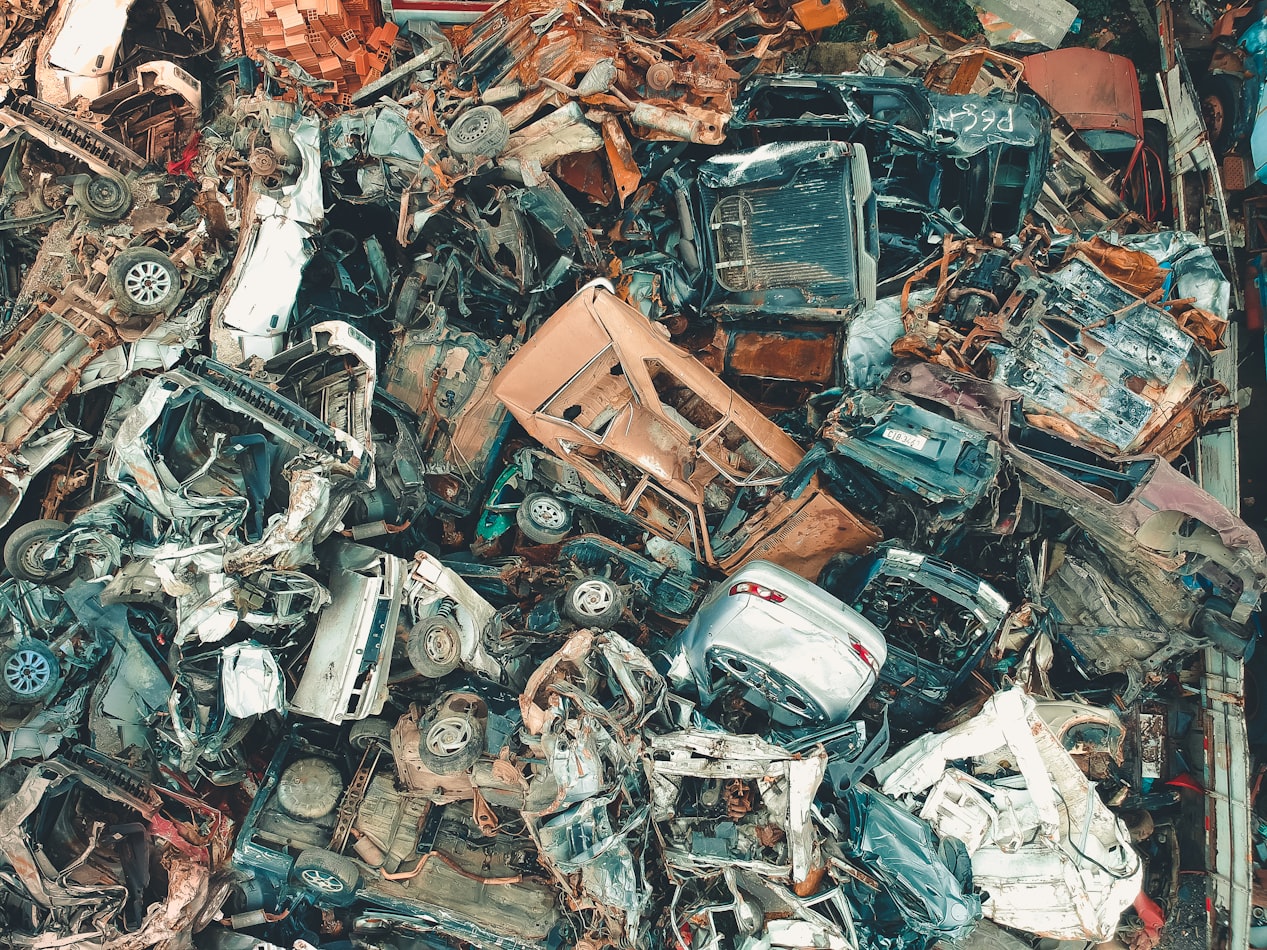
Car junk heap.

Unfortunately, this list felt increasingly negative as I kept listing. Where is the poetry in plastic? The magic in concrete? The fascination in cardboard?

Back to the Romantics: in an age hovering on the brink of the Industrial Revolution, they too saw and touched ugly things every day. Even nature has its ugly moments: mud, sleet, slush, decaying bark, ashes, mold, and more. This is a fallen world; a truth-loving perspective acknowledges loveliness and hideousness, and joy celebrates and encourages the former.

With that in mind, I made a goal of listing “good” materials I encounter every day, or seeing “ugly” materials in a positive light:

  • The shining smoothness of glazed pottery
  • The dreamy reflections in a car’s gleaming exterior
  • The cheerful cleanliness of fresh paint
  • Frost glittering in the cracks of pavement
  • The crinkly delight of tissue paper

What materials construct your world? How can you describe them in order to create a vivid, tactile experience for the reader?

Gray Days: Finding Joy at Winter’s End

A sheet of broken ice on the ocean. The sky is dark gray until the horizon, which is gold with sunset.

The most difficult time of year for me (emotionally) is revolving back to us again: late February and all of March, winter’s deathbed. The bitter cold or gloomy damp, the gray skies, dirty snow, and slush, the wet bark of leafless trees, and the fierce winds weigh tend to drag my mood down to the depths.

Why is this season harder for me even than the darkest time of year, December 31st? Holidays and “human” seasons (as opposed to the earth’s seasons) have a lot to do with it: November and December are made cozy and warm, exciting and communal by Thanksgiving, Christmas, and New Year. The difference is aesthetic, too: though it’s dark and cold, the fresh bright snow glitters in the sunlight and glows in the moonlight; jewel-toned lights glimmer on porches and trees; fireplaces within and cold without make indoors cozy and inviting. Somehow, actual blackness is easier to romanticize and enjoy than the ambivalent, soulless gray we often face at this time of year.

Certain memories of this time of year also depress me; in the not-so-long-ago school years, March especially was the month farthest away from the relief of vacations, when my motivation to study was running dry. In fourth grade, I read Astrid Lingren’s Pippi in the South Seas and almost cried as I dreamed of escaping my cold, boring, lonely winter days to a tropical paradise of friendship and adventure.

One of my joys as a writer and thinker is the transcendence of dreams. Even as the outside world is drab and colorless, the inside world, literal and figurative, is always under our control. I always turn on the inside lights on overcast days and sometimes light a scented candle, or bring our gas fireplace to roaring cheer. As to the inside world of my mind, I can transform that in two ways: imagination and recognition.

Imagination

I love the flight cliches for the imagination: our imagination jumps, soars, and has wings because it’s transcendent. We tap into the unknown and unseen and create new worlds that not only heal, comfort, and entertain, but when realized with the right amount of action, can manifest themselves in reality.

I can imagine away this winter-sickness by transforming it. For example:

  • Damp: The humidity that hangs heavy in the mornings isn’t the mold-nurturing misery it seems; it’s silver mist heavy with secrets, the fog of mystery and imagination, in which the phantoms of fear and longing take shape.
  • Ugliness: I can survive this time by recreating the loveliness of the other seasons, especially summer. My mind is an infinite landscape of green spaces: zephrys whispering through weeping willow branches, gardens lush with the curling petals of peony blossoms, sunrises like burning roses over rippling lakes. 
  • Boredom: The dull, unchanging days are the persevering striving in the middle of a quest, like Frodo and Sam’s wanderings in the Dead Marshes in J.R.R. Tolkien’s The Return of the King, when the heroes are tempted to abandon their quest. 

“The mind is its own place, and in it self / Can make a Heav’n of Hell, a Hell of Heav’n,” said John Milton in Paradise Lost. If our minds can become prisons, they can also become paradises.

Recognition

And yet . . .  “When the Lord puts us in certain circumstances He doesn’t mean for us to imagine them away,” says Marilla wisely in L.M. Montgomery’s Anne of Green Gables. Imagination is a wonderful escape, but those who accuse dreamers of being of no concrete help make a valid point. I can dream away the ugliness of this late winter season – or I can recognize the beauty underneath it, inside of it, to which my demand for clear skies and natural life blinds me.

  • Humidity: The gray, overcast skies and moist air are nurturing the earth and preparing it for the glories of spring and summer. Secret beauties are growing under the bark of trees and under the sparse grass and mud as the world softens and awakens from winter’s rest.
  • Boredom: Instead of bracing myself for dull months as if I’m helpless, I can use this time to treat myself with some old favorites. With some exceptions, the Bronte sisters seemed to write about landscapes that remind me of March – stormy skies and wild moors. I can read Jane Eyre, The Tenant of Wildfell Hall, Wuthering Heights, and Shirley in front of a cozy fire with a more empathetic enjoyment than I could on a hot summer day.
  • Ugliness: There are many gray days in this time of year, but the silver-pearl skies reflect serenity as well as gloom. Often a false thaw in February gives way to new, shining snow before winter’s end. The days of sun also have a strange, mystical radiance. In the woods that border the highways, afternoon’s gold illuminates the ash and russet in the bark of leafless trees and the gracefulness of the tangled bittersweet vines.

Even as winter sickens and dies, hope and beauty are eternal; imagination and recognition just open the window.

How can you use imagination and recognition to face this time of year?

Why Do We Love the Wild?

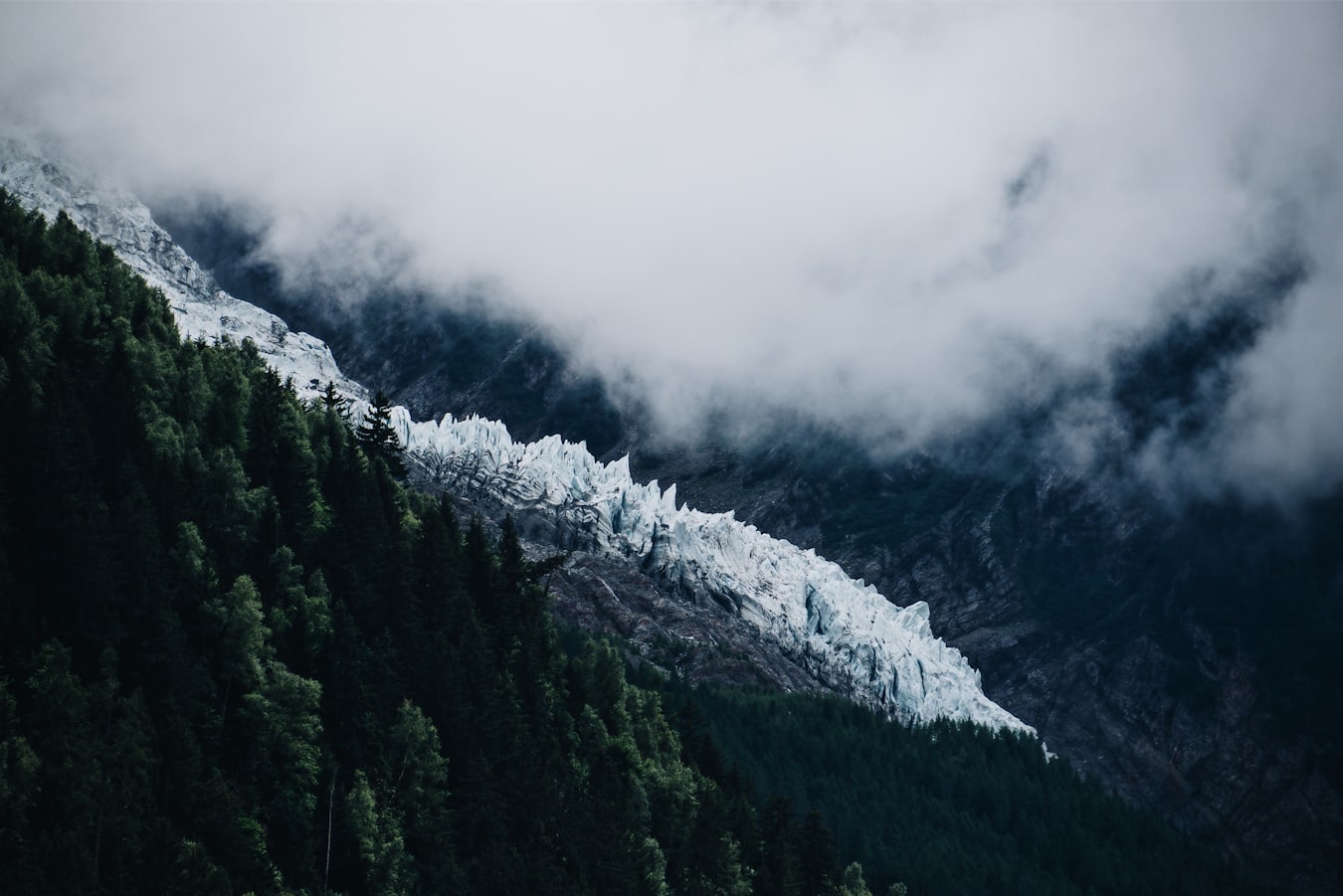
Fog spilling into a mountain canyon.

Humankind has covered most of this earth with cities and farms, villages and fields, but the idea of the Wild still haunts our legends. The idea of some vast, unknown region full of mystery and danger and wonder has latched on to our imaginations. From the Wild Wood in Kenneth Grahame’s The Wind in the Willows to the Western Wild in C.S. Lewis’s Chronicles of Narnia, we fear and love fearing the untameable.

My story-loving heart treasures even the word wilderness. Spoiled 21st century child that I am, I am safe from the real, unromantic hardships that pioneers faced in hacking a living out of a cold, dangerous world. I have the luxury of curling up on my bed and reading Laura Ingalls Wilder’s Little House series or William Durbin’s The Broken Blade and tasting the excitement without the suffering. 

In 1893, Frederick Jackson Turner presented a paper on historians later named “The Turner thesis” or “the frontier thesis.” He argued that the idea and reality of the frontier, a vast stretch of land open to conquest, was essential in forming the American national character of democracy and individualism, opportunity and escape. In my own words, Turner argued that the Wild, or the conquest of the Wild, shaped America. (Read an article about the thesis here). 

I think Turner’s insight is very valuable, more than even he knew. The sense of destiny, of power, of righteous and ruthless progress, along with its dark side of violence, suffering, and guilt, has settled deep in our consciousness. 

Why do we love the wild, the wilderness? Why do we love the dog but romanticize the wolf? If we have evolved to supremacy by taming creatures, building farms out of forests, and conquering landscapes through cartography, why do we love the Wild instead of hating it?

The idea of the Wild is entertaining; a character stumbling through a dark forest or cold mountain ridge tugs at our interest and sympathy. The reality of the Wild, however, fulfills a different urge: the human longing for something greater than ourselves, something to strive for, something to seek with all our strength. 

Whatever it is, the Wild is an idea with staying power. Below are some ideas as to how writers can incorporate the Wild into new stories.

  • The traditional Wild region in a fantasy land: forests, mountains, lakes, oceans, swamps, deserts, any kind of geography becomes fascinating when a writer endows it with mystery. Make your Wild region unique, though, or it will be a tired cliché. Invent ways to make the landscape frightening and beautiful – creatures, plants, magic, anything. (See Jasper Fforde’s The Eye of Zoltar for an incredible example.)
  • The Wilds of space: space is the greatest Wild because it is the greatest unknown. New stars, planets, galaxies, intelligent creatures, clever ways of traveling (like tessering in Madeleine L’Engle’s A Wrinkle in Time) can never be boring as long as they are original creative. 
  • The Wild of other spaces: create a Wild world within something unexpected, like:
  • Mirrors (like Lewis Carroll in Through the Looking-Glass and Heather Dixon in Entwined).
  • Artwork (like Jacqueline West in The Books of Elsewhere, though I’m not a fan of the occult she adds in later books).
  • Photographs (kind of like Jenny Nimmo in the Charlie Bone series).
  • Music (I’m picturing something like Fantasia, but really, how can music be a Wild space?).
  • Hearts and minds (like Inside Out).
  • Dreams (like Inception or The Matrix).
  • Stories (like Fantastica in Michael Ende’s Neverending Story).