Christmas: Maturing into Wonder

Gold Bell On Top Of Brown Table from https://www.pexels.com/photo/gold-bell-on-top-of-brown-table-754711/

I was eight when I lost my first love for Christmas. It was December, but I wasn’t as excited about it as in previous years. Ever since I could remember, post-Thanksgiving had been a season of burning anticipation, counting down the days, eating Advent-calendar chocolates, and dreaming of presents. 

At eight years old, I was worried when that wild excitement didn’t come. I tried to manufacture the feeling, but you can’t manufacture feelings. 

So I went to my mom (the family expert on feelings). I don’t remember her exact words, but I remember her comforting me that sometimes you lose things like feelings when you get older. And that’s alright – you can enjoy Christmas without that wild joy.

I had to let go of the raw intensity of excitement I had in early childhood. But looking back now, I gained something better: reality-grounded, heaven-centered wonder.

Wonder and joy are supposed to be children’s domain during Christmas, and they are: I remember sensual joys (twinkling golden lights and red ribbons among evergreens, bells jingling, the smells of gingerbread and peppermint, the taste of sugar cookies) and material ones (I really liked getting presents). 

But the real volta came when I learned the true miracle of this feast: why it was so special that Christ was born to a virgin. Though I sang “Silent Night” and read the story about the angel coming to Mary, I didn’t understand this marvel until I learned about ordinary conception. Only then could I start to grasp the weight of this glory.

New wonders followed: I learned from Romans how Christ is the second Adam, the perfect man who defeated temptation and brought life to the human race. I learned how Christ is the seed promised to Eve, who crushed the serpent, the dragon described in Revelation. I learned how Christ is the Messiah who was prefigured and foreshadowed throughout the Old Testament in Joshua and Melchizedek. 

Ironically, it was growing into adulthood and learning more about the world – which usually, in children’s stories like “The Polar Express,” mean a loss of imagination and wonder – that gave me the deepest awe.

Like everyone, I’ve been busy this Christmas season. I’ve actually been a little annoyed at how many festivities we cram into one month: why can’t we allocate some of this beauty and merry-making to when we’ll need it even more, in those last deadening months of winter? I haven’t made enough time to meditate on the joy, the wonder, the thanksgiving of the Incarnation yet.

So I’ll steal a few moments to breathe it in, taste and see the tender, terrifying, awesome grace of the God who was born to a virgin, our Healer and Redeemer and King, to rekindle hope in a dark world.

Winter Dreams and Waiting

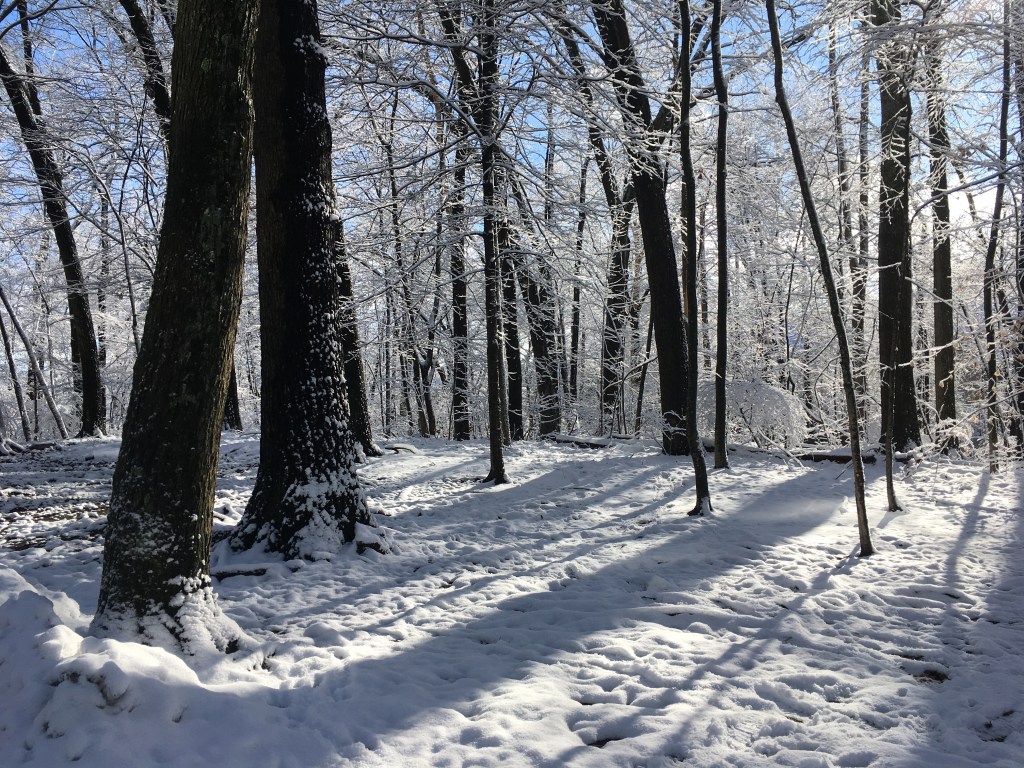
Woods filled with snow.

L.M. Montgmery hated winter. In Looking for Anne of Green Gables, Irene Gammel, one of the leading scholars of Montgomery’s work, points out that Anne of Green Gables has many delightful scenes of spring, summer, and fall, but almost no scenes of winter beauty except for Christmas and the morning after Anne saves Diana’s sister’s life (147-48). Gammel also tell us that Montgomery dreamed up the luxurious gardens of the book during the winter of 1905, reading flower seed catalogs by the fire when she was snowbound in a cold house with her grandmother (65).

I read L.M. Montgomery’s journals through late winter and early spring of 2017. I felt a curious connection with her, especially when I reached 1898, when she is 23 years old. I was 22. She stopped teaching and moved home to take care of her aging grandmother and try to make a living as a writer. I also lived at home, supported by my parents as I applied to every writing or editing job within a 50-mile radius.

Montgmery’s grandmother wouldn’t let her have a fire in her room during Prince Edward Island’s frigid winters, so she sacrificed privacy for warmth and worked in the kitchen. She lived that life for 13 years. She read, wrote, went to concerts, prayer meetings, literary societies, and parties, weathered winters and enjoyed summers until her grandmother died and she married Ewen Macdonald in 1911. By then, she had published Anne of Green Gables in 1908 and become internationally famous. It wasn’t a perfect happy ending – she experienced marital turbulence, legal battles, and the world-rending of the Great War – but that long season of waiting stood out for me.

I was blessed with a much shorter time of waiting. I found a job within a few months, continued to research L.M. Montgomery’s life and work, and explored the questions of young adulthood: after securing a place to live and a job, what do you live for? How do you build community and fill your time? What is your purpose? 

Of all seasons, winter feels most like the time of waiting; at first, we wait for Christmas, and then through February and March, for the relief of spring. We wait for plows to carry away the snow and spread sand and salt so we can drive to work; for our defrosters to melt the ice on our windshields; for sunrise to creep back and sunset to glide forward. 

And in that waiting, we rejoice. We hang golden Christmas lights and kindle cozy hearth fires, watch snow soften the silent world, wonder at the blue-light mornings and blazing sunsets, and sip hot chocolate with frozen fingers. We ski or snowshoe through the white-smothered woods, or skate across glass-paved ponds. 

In the midst of the early snow in these first weeks of December, I finished the book of Isaiah after studying it since August. As the days darkened and cold settled in, I was awed by the book’s summer-storm beauty: harsh blasts of judgement on idolatry, injustice, and disobedience, followed by the rumblings of forgiveness and warm shower of grace. 

Reading Isaiah after the fulfillment of many of its prophecies is a delight. The book gleams with foretellings of the hovering Holy Spirit, the restoration and gathering of the nations, the child Immanuel, the righteous Savior to come, the suffering Servant and triumphant King. The Jewish people waited and wondered for the Messiah for centuries before He came.

Even now, some of the greatest prophecies of Isaiah – the gathering and peace on the holy mountain of the Lord, and the new heavens and the new earth – are still unfulfilled. We are still waiting.

This winter, I hope I can rejoice in the waiting. I want to love the sun glittering on the snow, even in those last days when the drifts are slushy and dirt-encrusted. I want to notice how the lack of leaves lets you see the azure clarity of the sky, and your misty breaths make you feel dragonish. I want to dream up stories that help other people see the enchantment of this frozen world, as well as wait for crocus shoots and thawing breezes, through this time of stillness.

Three Thanksgiving Meditations

Here is part two of the creative project I posted about yesterdayElizabeth Giger, Bethany Sanders, and I wrote poems to meditate on thankfulness, giving thanks in times of suffering, and our personal thanksgiving. In writing these, we each tried something new:

  • Elizabeth Giger wrote a lovely meditation using a series of contrasts both within the language used and the number of stanzas chosen.
  • Bethany Sanders wrote from a new perspective, incorporating Biblical and natural imagery.
  • I tried a rondeau, a French verse form with a refrain and a specific stanza and rhyme scheme.

Enjoy!

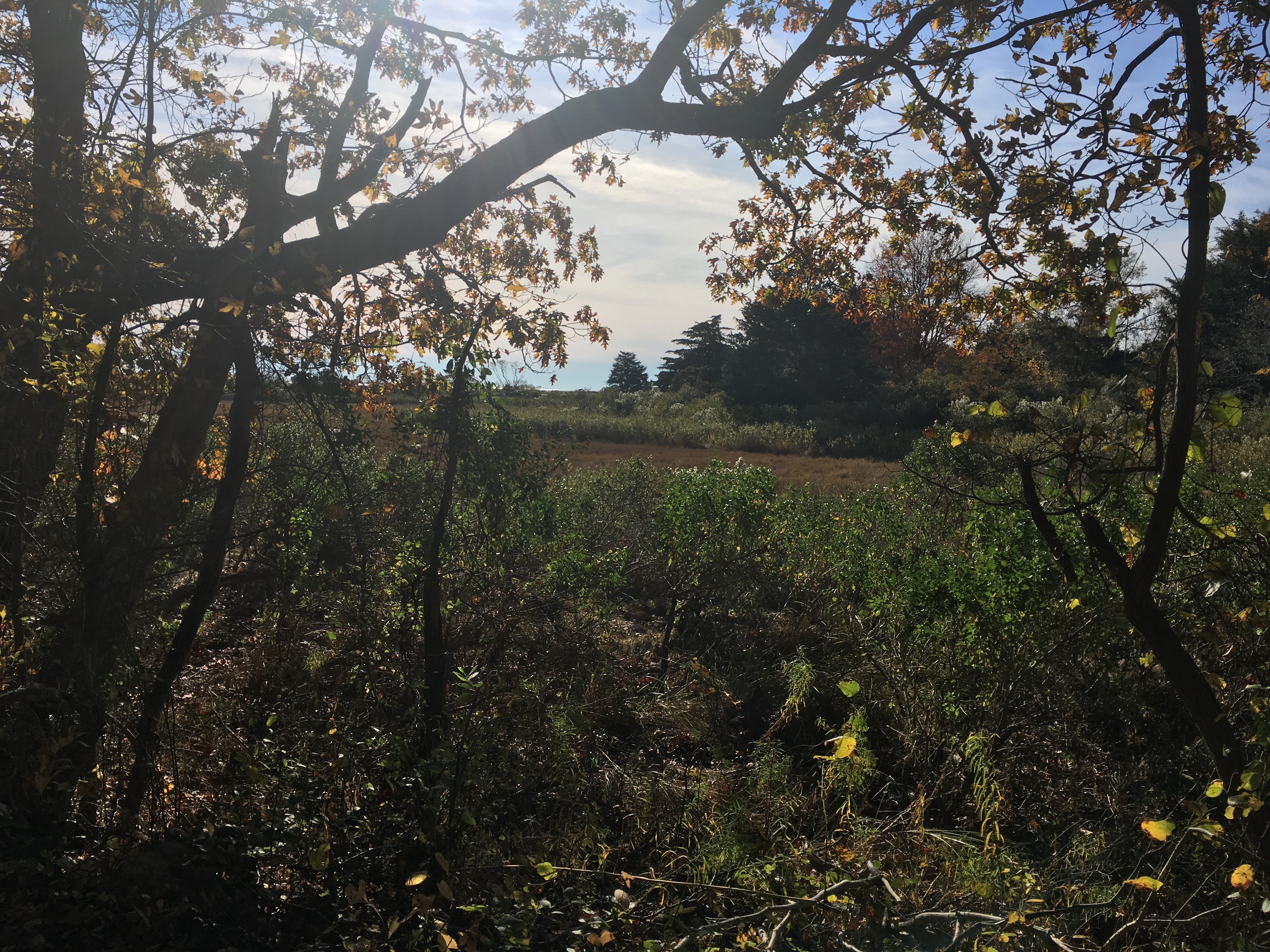
Woods filled with soft light on yellow and green leaves.

Thanksgiving

by Elizabeth Giger

Thanks be in the shimmering and shining,
In the comforted and cherished,
In the bright and the beauty.

Thanks be in the lovely and loved,
In warmth and wholeness,
In joy and justice.

And in the dark and doubt,
In the sinking and sorrowing,
In the broken and the bent?

And in the murk and the mire,
In the unknown and unfulfilled,
In the loss and in lament?

Where is the thanks in these?

It is in hope and help,
In peace and provision,
In love and liberty.

It is in the Spirit and salvation,
In the cross and cleansing,
In restoration and renewal.

Thanks be in the lovely and ugly,
In the dancing and mourning,
In the feast and in hunger.

Thanks be in the rich-robed and sackcloth,
In the surrounded and the lonely,
In the made-new and the shattered.

This is our sacrifice of praise.

Thanks be in all things.

To read more of Elizabeth’s writing, visit her blog, Made Sacred.

Sparrow's nest.

House Sparrow

by Bethany Sanders

Look there! A strip of paper.
Sun-bleached and frayed,
but soft as the edge of a feather.
I wing back to the house eave
with the paper rustling against
my shoulder as it ribbons in the wind.
Another lining for the nest.

This spring I weave by myself.
My mate and I sang with the flock
Until a shadow glided between us.
Hawk! Scatter-scatter-scatter!
But then she never returned.
Creator, remember us,
lest we fall alone.

The house eave is quiet and dry.
In here is the whorl of my nest.
I prick at the brim of the nest’s bowl,
then snake the paper into the weave.
Pluck here, tug there, hem the edge.
I sit. Warm and soft. Come time,
my future brood will be secure.

To see more of Bethany Sanders’s work, see her online webcomic, The Pelkern Cycle.

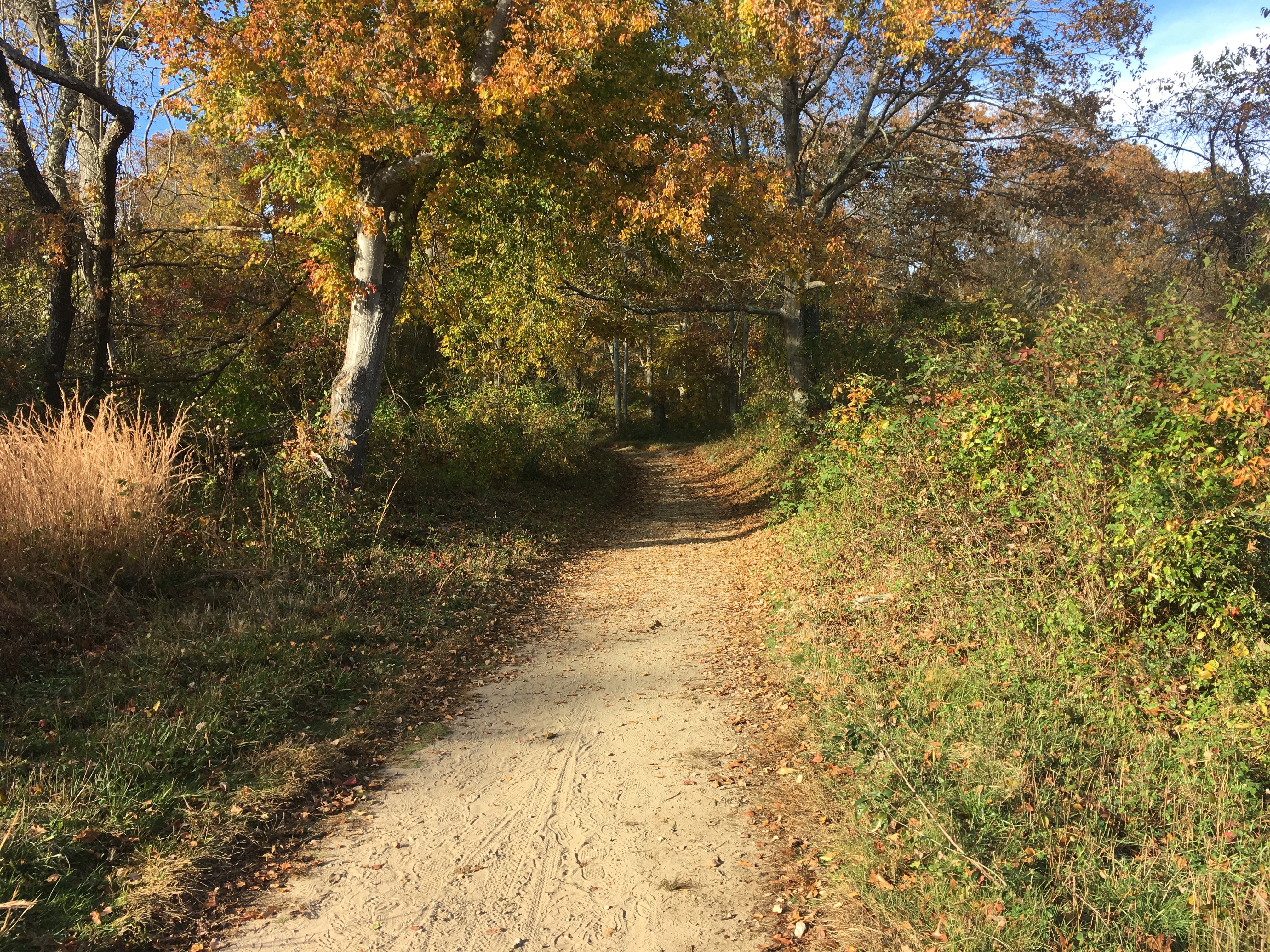
Golden sunlight on November trees.

Remaker

by me (Alicia Pollard)

You are the God who remade me
Through silent days when the earth turned slowly,
When cubicle-caves were empty and gray,
And pale screens replaced the light of day,
In two years of waiting, longing to be free.

Through two iron winters, you sent sparks of glory:
Laughter at the hearthfire, deep talks over coffee.
You gave me dreams like the northern lights at play;
You are the God who remade me.

Golden lake-days, musings in that silver valley,
Nights of exile, wondering who you called me to be:
You kindled a blaze that burned my thorn-hedge away
And grew wildflowers where the ashes lay.
In that green country and the tower by the sea
You are the God who remade me.

Taste, Savor, Spill Your Thanksgiving: Guest Post

Thanksgiving dinner

This year, I did something I’ve longed to do for years: I teamed up with some writer-friends on a creative project. We each tried a new form of prose or poetry to meditate on what it means to give thanks, thanksgiving as a form of worship, and how to give thanks in a time of suffering.

I and a few others wrote poems, which I’ll post tomorrow. One friend, Bethany J. Melton, wrote this beautiful essay connecting thanksgiving with awareness:

Taste, Savor, Spill Your Thanksgiving

There are too many blank pages in my thanksgiving journal. I forget, get lazy, stop searching for the beauty God ladles across my world. And I don’t give thanks.

It’s a fight. And recognizing the blessings is half the battle, because I won’t offer thanks until I’ve tasted them. I can’t savor something until I’ve sampled it.

Today I leafed through that journal and it’s marvelous how those months-ago lists recall lovely little moments. Like these:

Laughter at midnight

Soil under my nails

Sun-tipped trees

New book smell

Music that matches the rhythm of my run

Soup + coffee

Nephews and leaf piles

Daisies

Fishing at dusk

They’re things I’d have missed without a pencil behind my ear and tongue poking out.

It’s true we aren’t thankful enough, and maybe it’s because we’re discontent or despairing. But I’d venture to guess that most often, it’s because our head is down and our tongue tucked away. Eyes on our screen, face in the mirror, with no appetite to the planet whirling around us.

It’s a recipe for a bland life. Which might be the opposite of thanksgiving.

Think: You start sensing the enchantment of God’s world and it tints those things with flavor. When you’re hungry, you’re likely to find something. You’re likely to sample at something. You’ll probably savor it and give thanks for it.

All it takes is undivided awareness.

Teach me your way, LORD, and I will live by your truth. Give me an undivided mind to fear your name (Ps. 86:11, CSB).

David’s life would be contrived and hollow if his mind wasn’t tuned—if his taste buds weren’t trained to savor God’s glorious goodness. So he prayed.

And God gave him an appetite for His blessings that spilled into thanksgiving.

Oh, taste and see that the LORD is good! (Ps. 34:8a)

My soul will be satisfied as with fat and rich food, and my mouth will praise you with joyful lips… (Ps. 65:5-6).

I will give thanks to you, O LORD my God, with my whole heart, and I will glorify your name forever (Ps. 86:12).

Why not us? Why not pray to taste? Why not pray to savor, then spill our thanks to God?

I can fish at dusk and enjoy myself without offering praise to the Maker of ripples and carp and sunsets. It’s when I ask for an appetite and let creation’s wonders fall on my tongue that a reflex is triggered. The floodgates are unhinged.

I taste. I savor. And gratitude spills.

My journal pages are where the flood finds an outlet—where thankfulness pools. The pages won’t fill themselves. I have to ask for taste buds to relish those good and lovely things before I can scratch them down.

And here’s the funny thing: One thanksgiving leads to another. I write New books then Written prayers then The Valley of Vision then Conviction of sin and the washing of regeneration through Jesus’s blood.

Tasting prompts me to savor Jesus’s beauty. And my journal pages begin to brim.

To read more of Bethany’s writing, visit her blog at https://bethanyjsjournal.blog/.

Halloween and Stories of Darkness

Halloween has never been my favorite holiday. Dressing up and getting mini Hersheys and Snickers bars was fun, but the look and feel of this day has always bothered me: bright orange, jet black, neon green, plastic purple, and ghoulish masks in the aisles at CVS. I’m especially uncomfortable about little kids dressed up as ghosts, witches, and demons – not because ghosts, witches, and demons aren’t real, but because they are.

The stories of Halloween are also my least favorites: horror stories and ghostly tales with dark mansions and midnight forests, screams and gore, terror and despair. I prefer stories that have at least a glimmer of hope, like Cormac McCarthy’s The Road.

Last year, though, I listened to a two-part podcast by Andrew Peterson and Lanier Ivester called “The Delightful Shiver,” which made me reconsider my all-encompassing dislike of ghost stories. Andrew and Lanier describe ghost stories which don’t celebrate evil, but remind us of the reality and strangeness of the spiritual world. 

Andrew pointed out that in some ghost stories, hardened characters who don’t believe in the supernatural are turned from unorthodoxy to orthodoxy; the ghost’s visitation is an act of grace (think of Scrooge in A Christmas Carol). 

Lanier argues that the beautiful sadness of a really good ghost story has a special place in our imaginations. She also argued that Victorian ghost stories and interest in the occult were a reaction to the previous century’s deadening rationalism and realism: people still longed for tales of mystery and imagination. 

These two writers and speakers, who I respect for their faith and artistic ability, gave me pause. Now, a year later, I reflect on the parts of the Bible we could interpret as ghostly stories (even if no actual ghost appeared): the witch of Endor in 1 Samuel 28, the writing on the wall in Daniel 5, and the disciples’ reaction to the Lord Jesus in Matthew 14

Only one of these stories actually involves the dead speaking to the living, but they all portray moments when people on earth glimpse the unseen world – and their terror is an integral part of the revelation. Messages from the spiritual world, whether they declare comfort or judgement, are never taken lightly.

This talk on the spiritual aspect of ghost stories made me think about references to otherworldly beings in stories: specifically, ghosts, witches, and demons. Each one of these entities is wrapped in superstition, stereotypes, and stock Halloween costumes: white sheets, striped socks, red tights and pitchforks. But each one (well, at least witches and demons) is also real.

Ghosts: the souls of the dead returned to haunt the living. I usually avoid ghost stories, but there are some lovely ones that do involve ghosts, like A Christmas Carol or My Diary at the Edge of the World. Ghosts serve as messengers of doom or, in some cases, hope, like Moana’s grandmother.

And yet…the Lord Jesus told a parable in Luke 16 in which Abraham tells a rich man that if his brothers “do not hear Moses and the Prophets, neither will they be convinced if someone should rise from the dead.” 

Is it ok to show the dead returning to influence the living, as though death were a two-way door?

Witches: Humans who harness evil, supernatural power through spells, incantations, or conjurings. Witches are real; they were outlawed in Israel.

Many stories include witches. Some call witches evil, like Grimm’s fairy tales or The Chronicles of Narnia. Other books have good witches: 

  • Harry Potter makes them the female version of wizards.
  • The Wizard of Oz presents Glinda, the Good Witch of the North.
  • The White Witch has Froniga, who only practices good magic.

Is it ok to use this label for people, particularly women, who use supernatural power? 

Demons: Fallen angels, evil spiritual beings who followed Satan in rebelling against God and were cast out of heaven. Demons are also very real, even if they don’t wear red tights and carry pitchforks. 

Many authors classify demons as part of Western mythology, along with fairies and unicorns. 

  • Brandon Mull’s Fablehaven, a gorgeously-written and clever series filled with puzzles, quests, and legends makes demons evil magical creatures who want to break free of their ancient prison. 
  • Howl’s Moving Castle creates a good “fire-demon,” Calcifer – a lovable and very funny character who was born as a falling star (which strikes me as corresponding to the Biblical story…). 
  • Jonathan Stroud’s The Ring of Solomon and the rest of the series deals with humans summoning demons to perform tasks for them. 

Is it alright to use the name of real, evil, spiritual beings for fictional magical creatures? Is it ok to make them positive, believable characters in stories?

I remember walking with my mom and sister to the library one silver-brown autumn day about eleven years ago, the summer after we finally read the whole Harry Potter series in one week. My sister and I loved the characters and the adventure – but we both felt guilty about the label “witchcraft,” and the darkness in some of the later books. “Are these ok to read?” we asked my mom. “Is this wrong?”

As we walked across the stone-paved patio in front of the library, past where the crabapple tree dropped its leaves, my mom was quiet. “As you grow older, you’re going to have to make these decisions,” she said at last. “You’re going to have to read with discernment.”

In her book about good books, Book Girl, Sarah Clarkson presents some excellent principles for discerning what books are good and healthy to read. She suggests we ask, what is this book doing to me? What is it making me think and feel? 

I don’t want to be a legalist: I can’t make rules for other people, but I can say that it’s good to reflect on what stories that involve ghosts, witches, or demons are doing to your heart and mind. Harry Potter stirs me to go do something courageous and self-sacrificial; Howl’s Moving Castle encourages me to imagine a beautiful world full of laughter and adventure; My Diary at the Edge of the World fills my soul with yearning to show my family I love them; A Christmas Carol motivates me to be joyfully generous. 

I prefer stories which show ghosts, witches, or demons as they really are – imaginative supposals, human enemies of God, or spiritual enemies of God (in that order). When a story I love uses the label “witch” or “demon” for a good character, I try hard to read with discernment – not always abandoning the book, but recognizing that using those names out of context is unwise.

I think all stories need a little darkness, even bright ones like Mrs. Piggle-Wiggle or The Penderwicks, because evil is real. But because good is always greater than evil, and God is sovereign, I look for stories with hope – whether they give me a jolt of courage, a thrill of terror, or the quietness of awe.

Presenting a Conference Paper – and Rose Gardens

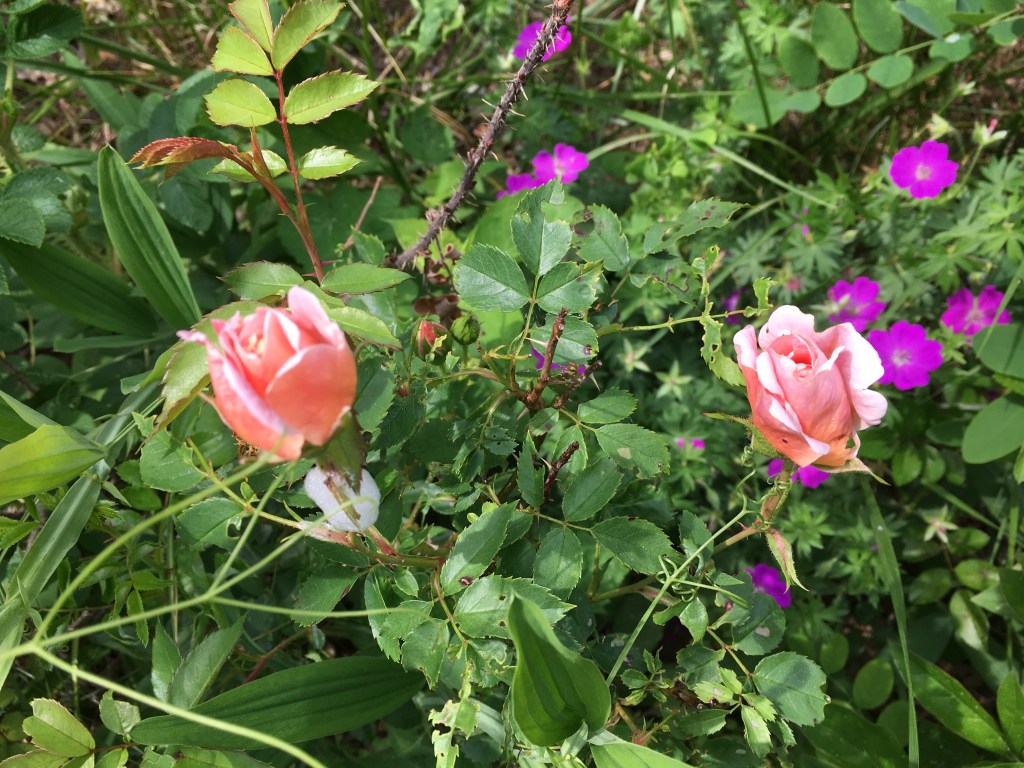
Pink roses.

A week ago, a new email in my inbox lit me up: the committee accepted my paper proposal for the 2020 L.M. Montgomery Conference. I’ll be presenting it at the University of Prince Edward Island next June.

This paper has been my intellectual rose garden for three years: a joy, and a challenge that cultivated me as I cultivated it. It officially started as my independent study the last semester of college – but really, it began when I was ten.

We were visiting family in California. Through sun-soaked days of biking past gardens of red roses and avocado trees and creating a slip-n-slide in the backyard, I’d read through the books I brought in my blue backpack. I started L.M. Montgomery’s Emily of New Moon series, a stack of three paperback books my grandma left on the wooden desk in the den.

I read through the first two books quickly, enjoying the rich natural scenery, humor, and drama, but feeling from the start that Emily’s story was different from Anne’s (I’d read Anne of Green Gables already). Anne of Green Gables starts out like a morning in spring, rich with the promise of a new family and a new home. Emily’s beginning is autumnal, dusky: she comes home from an evening walk to learn that her beloved father is dying. Emily’s love for writing, more pronounced than Anne’s, resonated with me – but her anger and pride, bitterer and deeper than Anne’s fiery temper, felt too close to my own for comfort.

The third book felt like a dry and weary land where there is no water (though there are some oases). Emily is unhappy and uncertain, falling in and out of love, deserted by her childhood sweetheart, often unsuccessful in writing…and discouraged. I pushed through knowing that there must be a marriage and happy ending – I thought all books had those. Finally, I shut the book with a sigh of relief. Finishing Anne of the Island, the Voyage of the Dawn Treader, and other favorite books filled me like a feast, but this story weighed on me. 

For twelve years, I thought about the Anne and Emily books, wondering, what happened to L.M. Montgomery between writing the two series? Why is Anne so bright, and Emily so dark? And where is God in the Emily books – the God who always gives hope and life, who is always our happy ending?

In my last semester of college, I set up an independent study on children’s literature, starting with a comparison of the Anne and Emily series. I examined their views of God and threw in a light comparison/contrast between Anne and the Romantic poet William Wordsworth, Emily and another Romantic poet, Percy Bysshe Shelley.

My professor liked this contrast, and encouraged me to explore it further. She also encouraged me to try to publish the paper. I hoped to go to graduate school for literature, so I took her advice and dug deeper. 

When I went home that winter, I split my time between applying to every possible job within 50 miles and researching the paper. On days too cold and snow-smothered to go outside, I sat in front of the gas fireplace with my laptop. My purring cat crawled all over me and wrote gibberish on my resumes and research notes by stepping on the keyboard. 

Over the next three years, in bright mornings while sipping my coffee and dark evenings after running, three jobs in three states, and other writing projects, I worked on the paper. I submitted it to possible literary journals and received rejections that hurt a little, but came with the excellent scholarly criticism: names of books and articles to read, thoughtful analyses of weak points and oversimplifications, and suggestions for new directions for research. 

I delved into L.M. Montgomery’s emotional and intellectual life as expressed in her journals, her Scottish Presbyterian faith and heritage, rich knowledge of 19th century literature, religious and spiritual perspective, as well as the wealth of resources created by scholars before me like Mary Henley Rubio, Elizabeth Epperly, Irene Gammel, and Monika B. Hilder. I combed the surface of Wordsworth’s poetry and scholarship: golden daffodils dancing on a hill, souls moving inland with age, cliffs looming out of the darkness. I ran my fingers across Shelley’s work: dark pines on a mountainside, beauty moving among mankind like an unseen ghost, a boy running through a starlit wood hoping to speak with the dead.

Finally, I submitted a proposal to the conference – and was accepted. This year, I plan to dig deeper than ever before into the roots of the paper – L.M. Montgomery’s work, the Bible, Scottish Presbyterian theology, Wordsworth, and Shelley – to cut away the weaknesses in my argument and replace oversimplifications with comprehensive analyses. Next June, I’m excited to learn the insights of other scholars and hear the labor, and the rewards, of their rose gardens. 

October, Traffic, and Gentleness

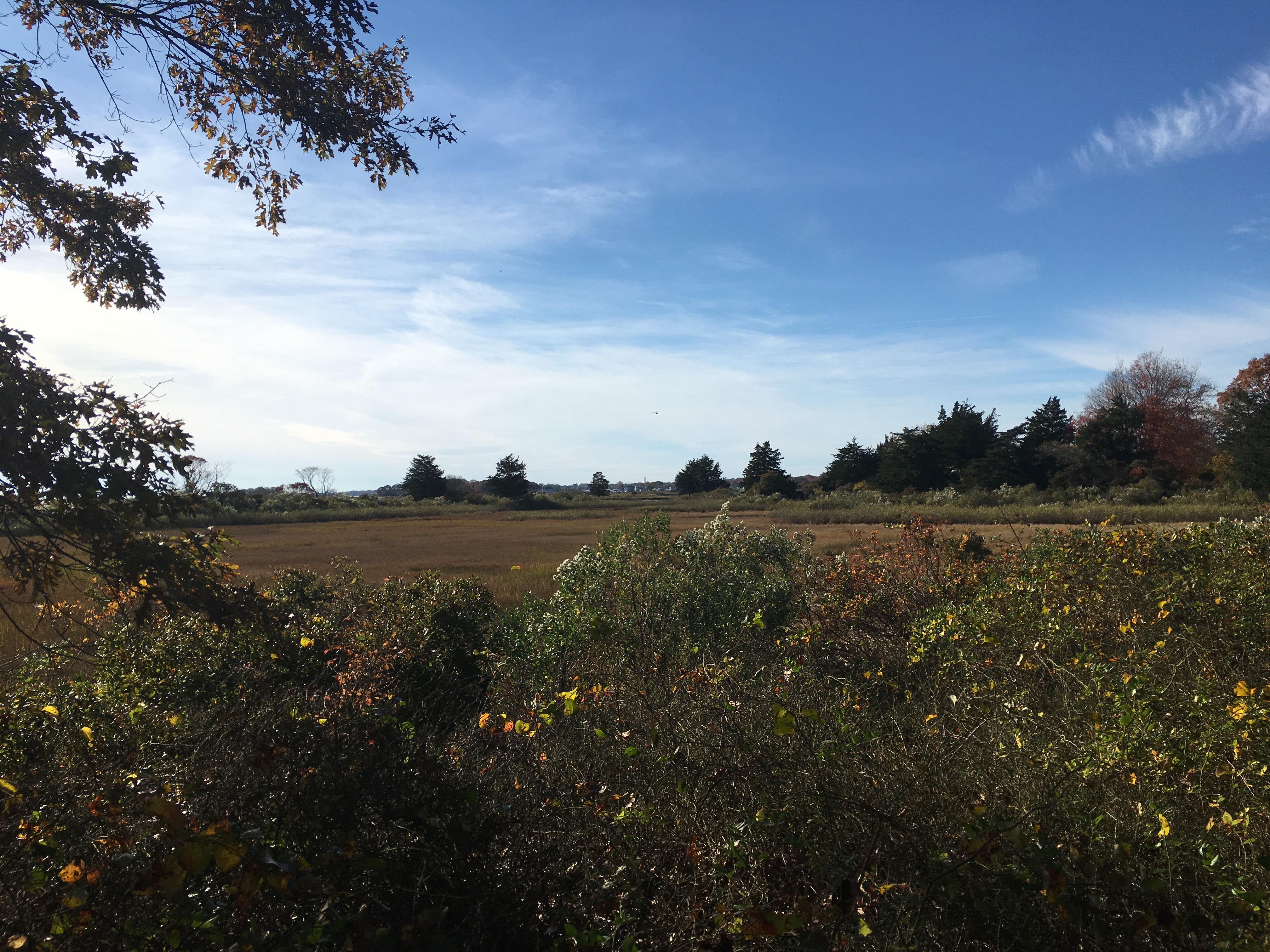
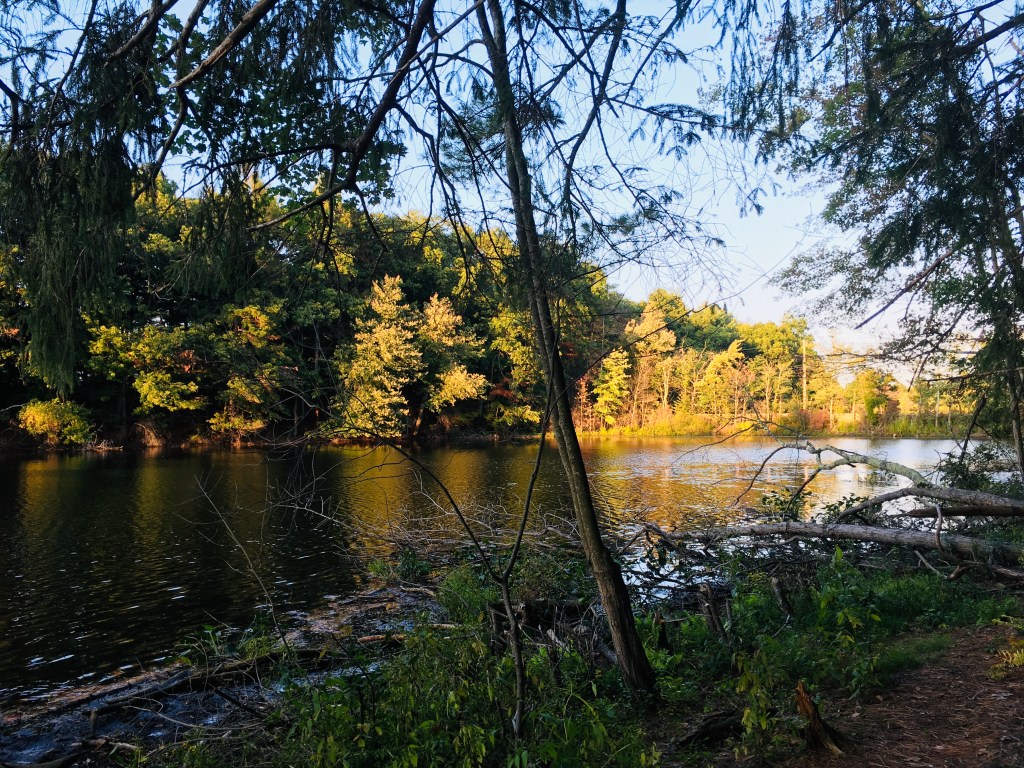
Trees and a pond in golden sunlight.

The mornings are getting darker, but this week, the air has been muggy – I’m waiting for the cool feather-touch of October winds. Every day brings treasures: tall pines casting long shadows against the gold of the setting sun, the rich smell of leaf-mold in the woods, and the reflections of trees glimmering green on blue water. 

Last Friday night, I went to a lecture that gave a spiritual/psychological perspective on anger. The speaker said that anger reveals what you love – your self-image, time, possessions, or people. He used traffic as an example: if getting stuck in traffic angers you, that anger reveals your love for feeling in control.

Traffic has become a daily reality in this new place. In the north, I could shave off a few minutes by driving fast on the highway; here, my commute time could easily double with accidents, holiday weekends, or rain. And yes, I get frustrated. I view my time as my own, and hate it when I lose any. 

I’ve discovered that I treat obstacles like traffic as if they will only happen once. After I finally get home, finish a dentist appointment, put away my groceries, or get my car oil changed, I can finally be free. But standing in a Walmart checkout line the other day, I began to realize that these daily irritants are not going away. 

Under the fluorescent lights, as the cashier and current customer waited for a manager to come do something to the cash register, I tried to remind myself that I don’t have to become angry when I’m forced to wait. It takes so much strength to be gentle; but snapping every small frustration or injustice would embitter me. 

I also remember being a cashier during summer jobs and continually making mistakes that forced customers to wait. Once, a woman with rich brown hair and a gentle smile didn’t complain once when she had to return to Barnes & Noble because I messed up her payment. A man with a round face and a plaid shirt watched me clumsily try to wrap his coffee table book, exclaimed “oh, dear,” and showed me how to wrap it properly.

As for traffic – as a young, anxious driver, I remember other drivers protecting me from my own mistakes, such as letting me into their own turn lanes at intersections at the last minute. Once, a driver in the parking spot across from me watched me struggle to park straight, and then backed out so I could pull through neatly into his space. 

I promised myself then, and again now, I would try to treat people as those strangers treated me.

But I need to be motivated by more than memories of kindness: to be patient and gentle, I need to see clearly. Yesterday morning, I thought about the last creative writing class I took. Our first week was about Vision: trying to see the world not as ordinary or mundane, but as God’s spectacular Creation. Driving on the interstate this week, I tried to remember that every car crawling around me contained at least one immortal.

A true, cosmic perspective of the world is gentle and joyful. I can remember that in heavy Friday night traffic, long lines at the RMV, and in the cool woods as the dying leaves fall.

Jayber Crow, Green Spaces, and a Remnant

The oak leaves outside my window are fading from deep green to silver-green, fragile and papery. And I’ve discovered that my $8.99 sunglasses are magic: when I wear them, I can see tints of russet in the trees or purple in the long grass that almost disappear when I take them off.

I’m still working through Isaiah in fits and starts. My own quick study before I rush out the door in the morning isn’t as deep as a group Bible study, but even so, I’m discovering patterns of justice and grace I never saw before. The theme I wrote about a few weeks ago, the mountain of the LORD, is only one of the leitmotifs of this book. Isaiah weaves prophecy and oracle, poetry and prose with the imagery of fire, the branch of the LORD, the vineyard of the LORD, and the sign of Immanuel to call God’s people to repentance.

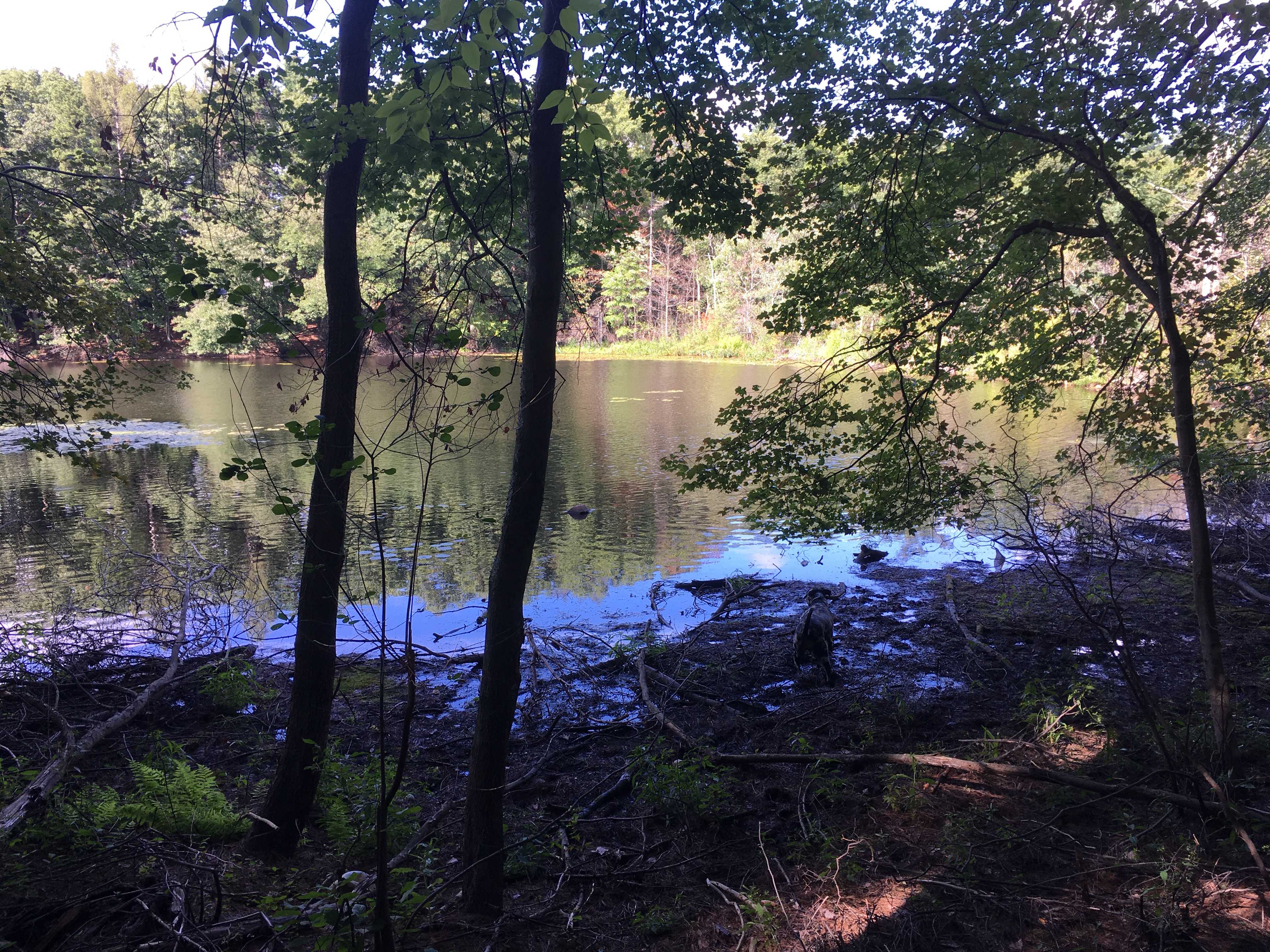
I’m also finding green spaces, little paradises of lichen-covered trees and fields of long grass hidden among the highways and neighborhoods. Last week, I found a patch of conservation woods with vine-tangled trees, chattering streams, green moss, Queen Anne’s lace, and a pond with a dark-tinted reflection of the sky. 

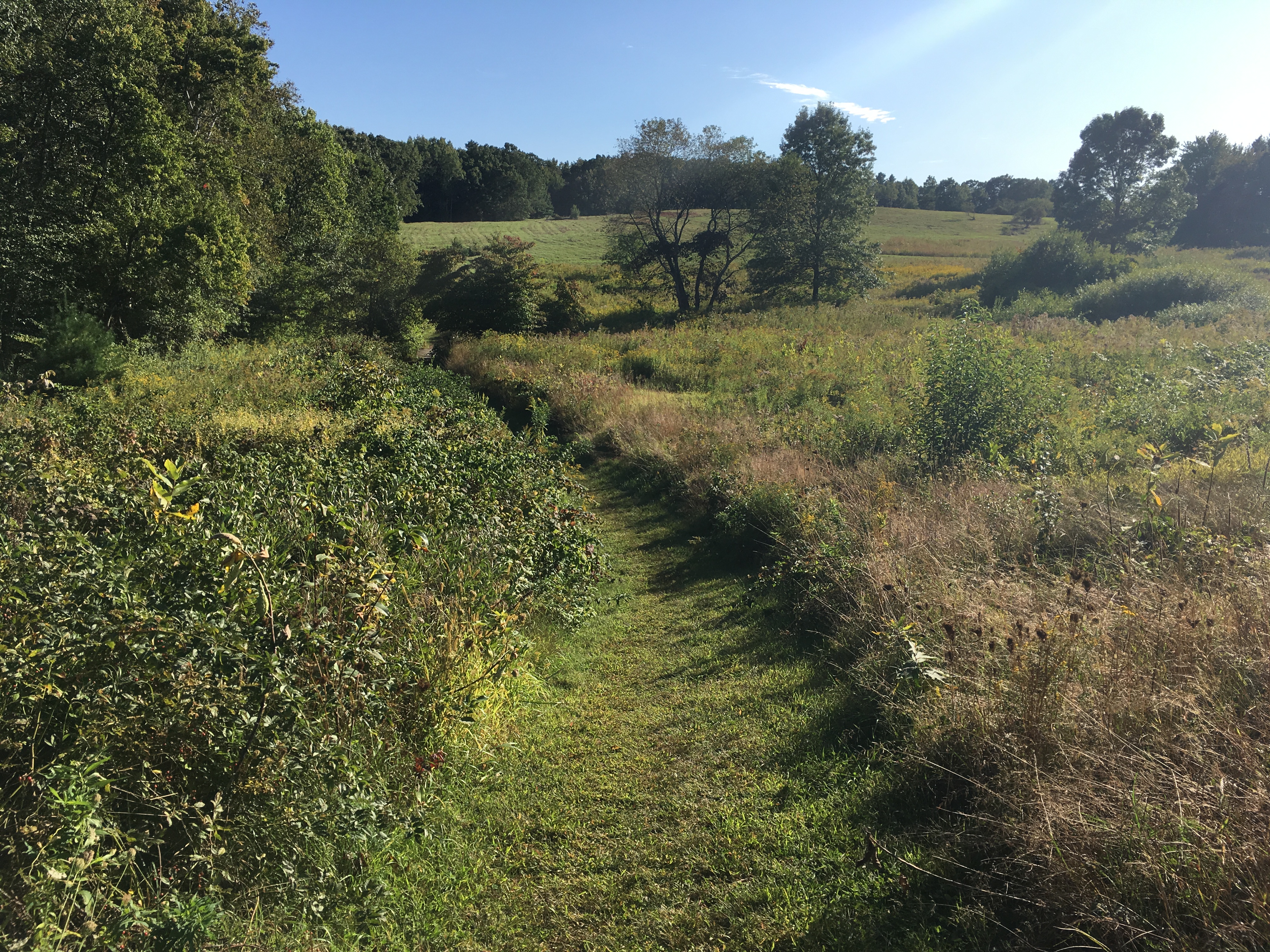
Yesterday, I found a forest trail that led to a huge meadow of long grass, bright goldenrod, and purple and white flowers. It was quiet apart from the wind rustling the aspen trees and the murmur of crickets. The afternoon sunlight had that radiance that calls up the rich, full, living beauty of every green thing.

I had just finished Wendell Berry’s Jayber Crow. I read it because I’ve heard Jayber Crow and Hannah Coulter especially recommended among his fiction. 

(Spoiler warning) 

Hannah Coulter was a powerful meditation of one woman’s experience of living in an agrarian community that dwindled over the course of the twentieth century. The young people moved away and the old farmers died out, and the good, peaceful way of life slipped away – but that book ends with hope. Jayber Crow follows the same trajectory, but one grief leads only to another, and another, and another, until the death blow at the end. I finished the book with frustration, and grief, and the feeling that all familiar, good things – tradition, family, community, quiet, the beauty of the earth – were dying, and being replaced by the ugliness of modernity.

But yesterday, I walked in a green space of thriving oak trees and still vernal pools in the shadows. And I spent Labor Day weekend swimming in a blue lake and hiking a mountain with my family – grandparents, parents, aunts, and uncles who worked hard for the good life (in the Lord) and young people who are trying to build our lives wisely. 

Thirty-five years after the story of Jayber Crow ended, war, technology, consumerism, and loss of faith have darkened this world. And yet…nature is never spent; / There lives the dearest freshness deep down things.

Isaiah wrote through the reign of four kings of Judah: Uzziah, Jotham, Ahaz, and Hezekiah. I’ve spent several mornings flipping back and forth from Isaiah to 2 Chronicles 26-32 and found that:

  • Uzziah was a good king until he tried to burn incense unlawfully and became a leper.
  • Jotham was a good king, but in his time the people followed corrupt practices.
  • Ahaz was an evil king, an idolater, defeated by Assyria and Israel.
  • Hezekiah was a good king whom God delivered.

Evil leads to ruin; repentance leads to redemption. Isaiah’s hope was never in any of these four human kings. He prophesied the coming of Immanuel, the child born who would be called Wonderful Counselor, Mighty God, Everlasting Father, and Prince of Peace. And in his time, “The wolf shall dwell with the lamb, and the leopard shall lie down with the young goat, and the calf and the lion and the fattened calf together, and a little child shall lead them.” 

I wish Wendell Berry had captured the hope of eternity in Jayber Crow as well as he did in Hannah Coulter. In Jayber Crow, the remnant of old farmers is dying, with no heirs for their farms; in Isaiah, the remnant of Israel will survive until they return to conquer their enemies. There is always a remnant.

In the meantime, we have our green spaces, cozy Thanksgivings and Christmases with family, good stories that nurture our joy – and the Spirit of God, the Comforter.

Moving, Mountains, and High Places

Three weeks after moving farther south in New England, from a land of lobsters and lighthouses to a region of reservoirs and shopping centers, I’m feeling the ground steady under me again. I’m beginning to realize why some people rarely move: the paperwork, phone calls, and sheer mass of identification you need is significant. But again, the boundary lines have fallen for me in pleasant places.

In some ways, in moving south, I feel like Jill in C.S. Lewis’s The Silver Chair when she leaves the high mountain to begin her quest in Narnia. Aslan warns her that the air on the mountain is clear, and her mind is clear; but the air in Narnia is thicker. He warns her to be careful to not let it confuse her mind.

But she had to go, and so did I. Northern New England, with its green fields and farms, sprawling forests, mountains and blue lakes, feels like an escape, but a lonely one. Southern New England with its little villages, winding rivers, neighborhoods of colonial mansions or cottages is fertile with opportunities for work and community.

I miss the north, and I wish I was closer to the mountains. But I’ve found a different kind of summit as I’ve reinvested in morning quiet times:

It shall come to pass in the latter days
that the mountain of the house of the LORD
shall be established as the highest of the mountains,
and shall be lifted up above the hills;
and all the nations shall flow to it… (Isaiah 2:2, ESV)

For ten years, classes, homework, and commuting filled up my mornings. I knew that cursory readings or listening to Scripture on my ESV podcast wasn’t as rich as actual study: mining the treasures of the text through notes, questions, outlining, and researching. In this new chapter of life, I’ve started using the extra minutes in my morning to read through Isaiah. 

Isaiah is a symphony of contrasts: blood and wine, burned rubble and blooming vineyards, mountains and valleys, rivers and fires. God proclaims judgement on the wicked, and then promises redemption and blessings on the righteousness. The paradox of His justice and grace is terrifyingly, beautifully clear.

In Isaiah 2, the prophet proclaims peace, prosperity, abundance, and joy on the mountain of the LORD when people are in loving obedience to Him. When God is lifted high, the land is fruitful.

But in Isaiah’s time, the Lord is not lifted high by the people of Jerusalem and Judah; instead, the people raise themselves up. 

The haughty looks of man shall be brought low,
and the lofty pride of men shall be humbled,
and the LORD alone will be exalted in that day.
For the LORD of hosts has a day
against all that is proud and lofty,
against all that is lifted up—and it shall be brought low…” (Isaiah 2:11-12)

This past Sunday, the worship leader at a church I visited said something I’ve never heard before. “You know in Psalm 121 when the psalmist says ‘I lift my eyes to the hills, from where does my help come. My help comes from the LORD’?” he said. “So in Palestine, when you lifted your eyes up to the hills, you would see altars to false gods. The psalmist is denying those false gods and choosing to trust in the true God.” 

Sacrifices in the high places and under every green tree…I remembered warnings from Numbers, Deuteronomy, 1 and 2 Samuel, and on through the Old Testament. Mountaintops: lonely heights where Abraham, Moses, Elijah, and others worshiped the true God, but also high places where people sacrificed to false gods.

I miss the north, and I wish I was closer to the mountains. But these passages remind me that the summit I really long for is that joyful obedience of a right relationship with God, not the mountains of New England, and not the idols I raise for myself. 

So now in these green lowlands, among the woods tangled in bittersweet vines and golf courses that hum with crickets each morning, I pursue purpose and community. And I long for His mountain. 

Divine Guidance, Moving, and (Fictional) Demons

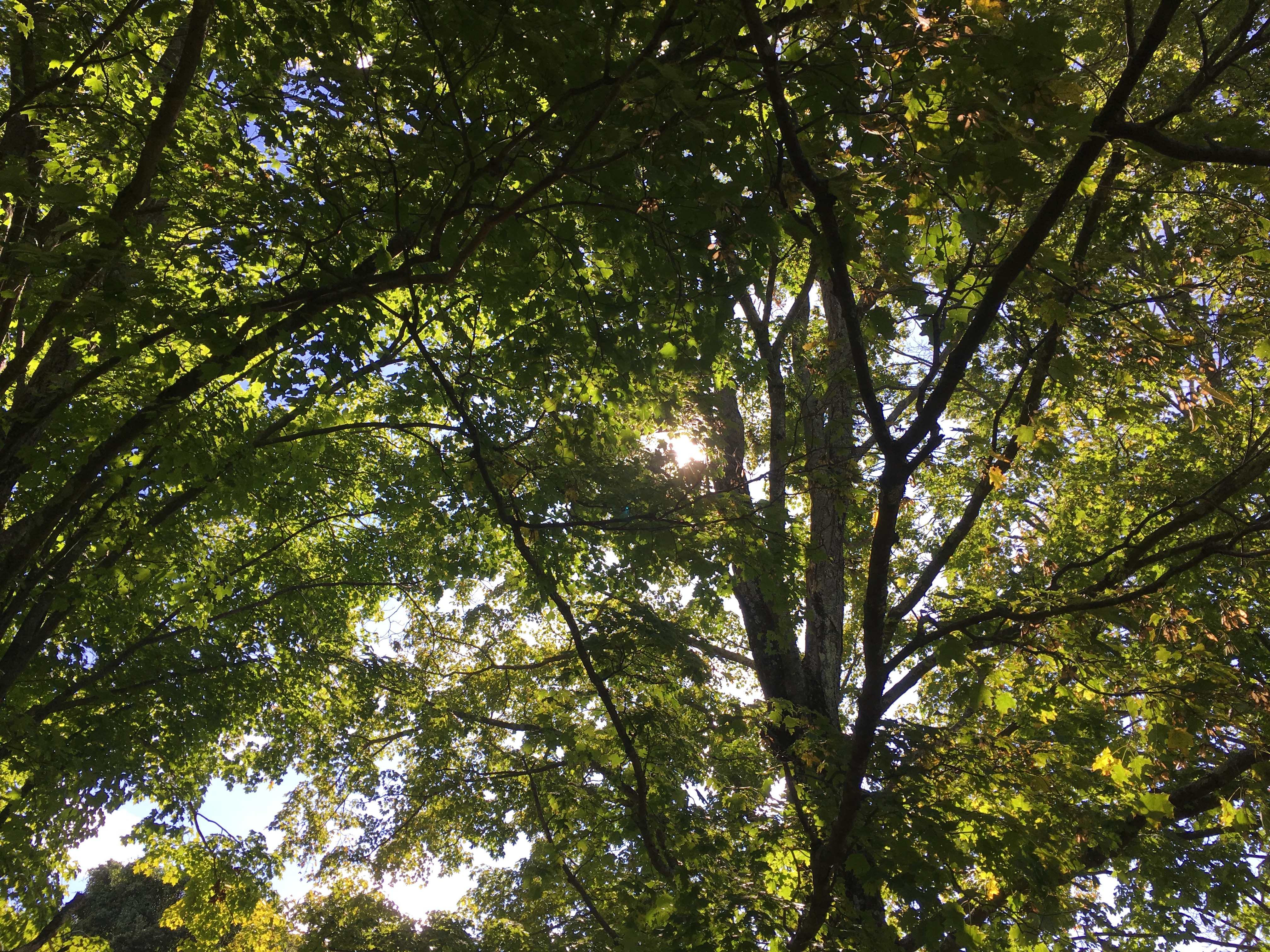
Tree canopy under a blue sky.
The view from my new apartment

Two Februarys ago, I drove our old family minivan about an hour away for one of my first job interviews after college. The snow was about three feet deep, old enough that it was tinted gray and covered in an icy sheen that glittered in the sun. 

I fumbled my way through my interview, developed a stress headache, and recovered by listening to the audiobook of Harry Potter and the Prisoner of Azkaban on the way home. I realized how comforting it is to delve into an old, familiar story when you enter unknown territory: new jobs, new places, new people. 

I thought about that drive through the snow this weekend as I unpacked in my first apartment. As I drove down here through highways edged with long green grass and golden black-eyed susans, I listened to Focus on the Family’s excellent radio drama of The Screwtape Letters. I marveled at C.S. Lewis’s cinematic prose and Andy Serkis’s ability to drop his voice to a low growl at key moments. 

During the unpacking, my roommate and I put on Focus on the Family’s radio drama Dead Air, from their Father Gilbert series – less academic than The Screwtape Letters, but also insightful and far more terrifying. 

Two stories which both explored demonic activity didn’t seem appropriate for the hot July day or the exciting/sad occasion of my first move out. But the beauty of Lewis and Paul McCusker’s stories are their demonstration of God’s love and grace conquering evil.

The Screwtape Letters made me think about how God has guided me this past spring. I prayed over a tentative five-year plan sometime in March: I wanted to move farther north and build a life near my previous job. But God gently guided me through circumstances this time (instead of speaking directly through prayer or His Word, as He has in the past). This summer has been a cascade of blessings and changes, events at the intersection of spiritual and physical reality: divine providence, Holy Spirit murmurings, situations beyond my control, and my own prayers and choices.

In Letter XXVII of The Screwtape Letters, Screwtape advises Wormwood to convince his “patient” (the human he is trying to tempt away from God) that petitionary prayer is useless. If the thing the patient prays for doesn’t happen, Screwtape instructs, make him think that petitionary prayers “don’t work”; if the thing does happen, make him think that it would have happened anyway and the prayer was redundant. 

The truth of this free will-predestination paradox, which Lewis expresses through Screwtape, is that “the Enemy does not foresee the humans making their free contributions in a future, but sees them doing so in His unbounded Now. And obviously to watch a man doing something is not to make him do it.”

If Lewis is right, God heard my prayers for guidance and opportunity in His unbounded Now. And he gave me something far better than what I planned or asked for.

In Dead Air, detective-turned-priest Father Gilbert encounters a villain who calls himself “Legion” (after a group of demons in Mark 5) who is responsible for the disappearance of at least two girls. The drama explores the darkness of temptation and corruption, but Father Gilbert and one girl’s parents illustrate the supremacy of grace and forgiveness. 

I haven’t directly faced the evil or suffering described in The Screwtape Letters or Dead Air. But as I review color schemes, hang up my clothes, stack dishes, and list the hundred things I forgot to buy, these stories remind me of the real war fought beneath the surface of ordinary things. The common and cosmic, everyday and eternal, prayed-for and predestined intertwine in the mystery of God’s grace.