Note: It is almost too late to publish a post about January, but it’s been a good and busy month, so I’m slotting this one in while I can!
The Doors of Stories
I first learned about Janus through a book called The Castle in the Attic by Elizabeth Winthrop. The main character, William, receives a special coin inscribed with the double-face of Janus, a god from Greek mythology. He learns that Janus looks forwards and backwards and is said to be the guardian of doorways and thresholds, exits and entrances. The month of January, the end of the old year and the beginning of the new one, is named for Janus. William’s quest, which I won’t spoil, becomes intimately connected with the doubleface of Janus.
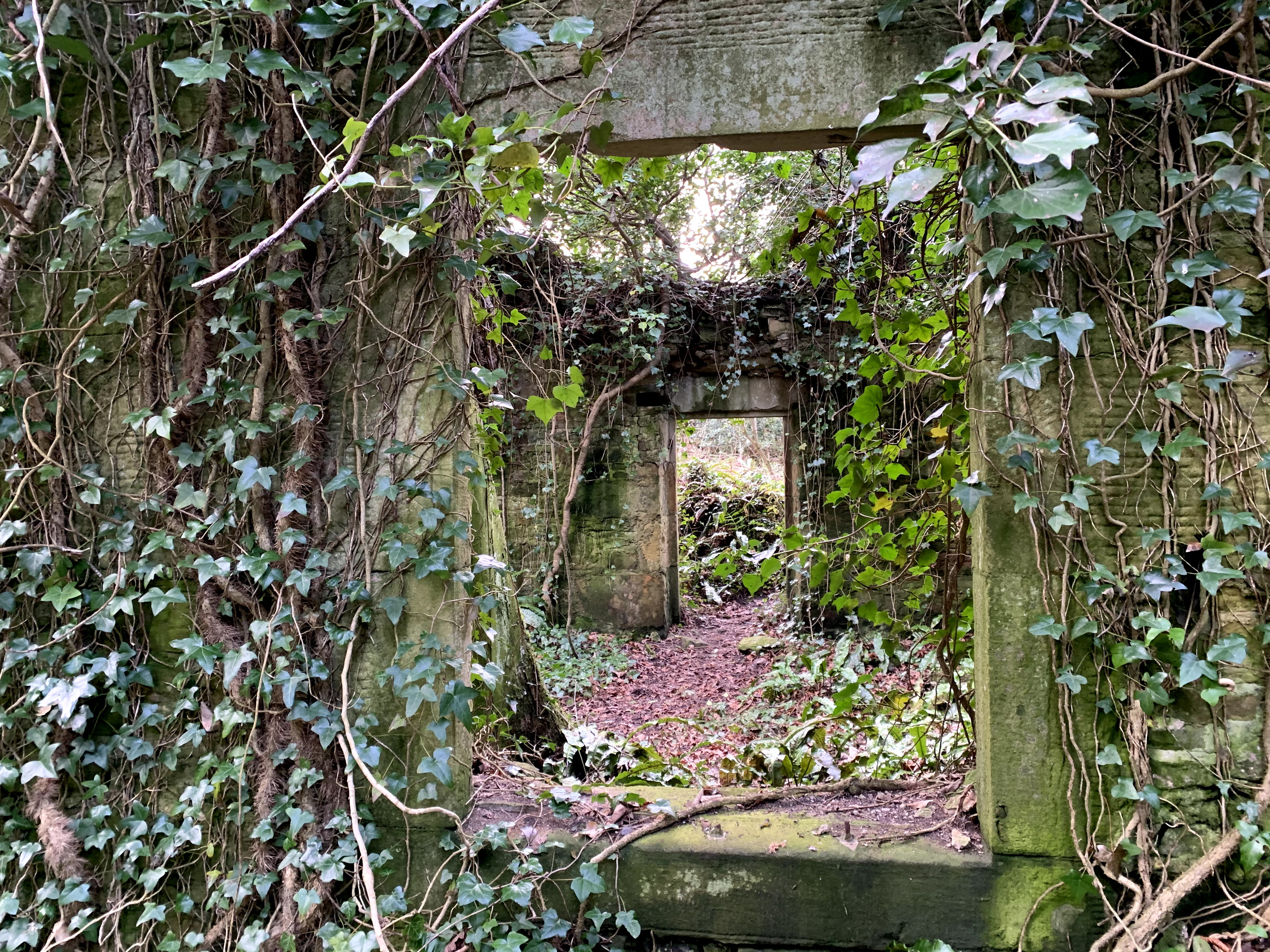
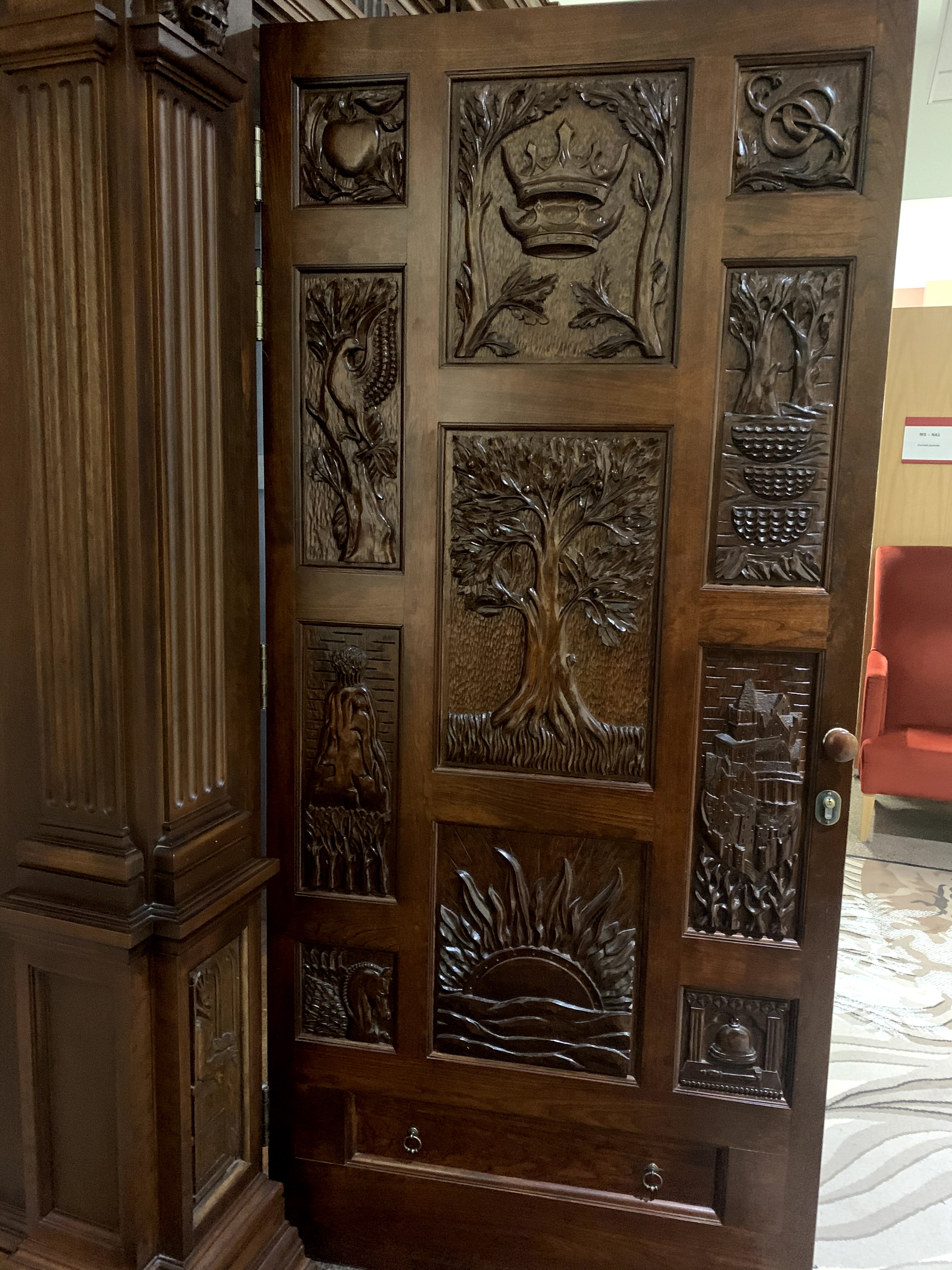
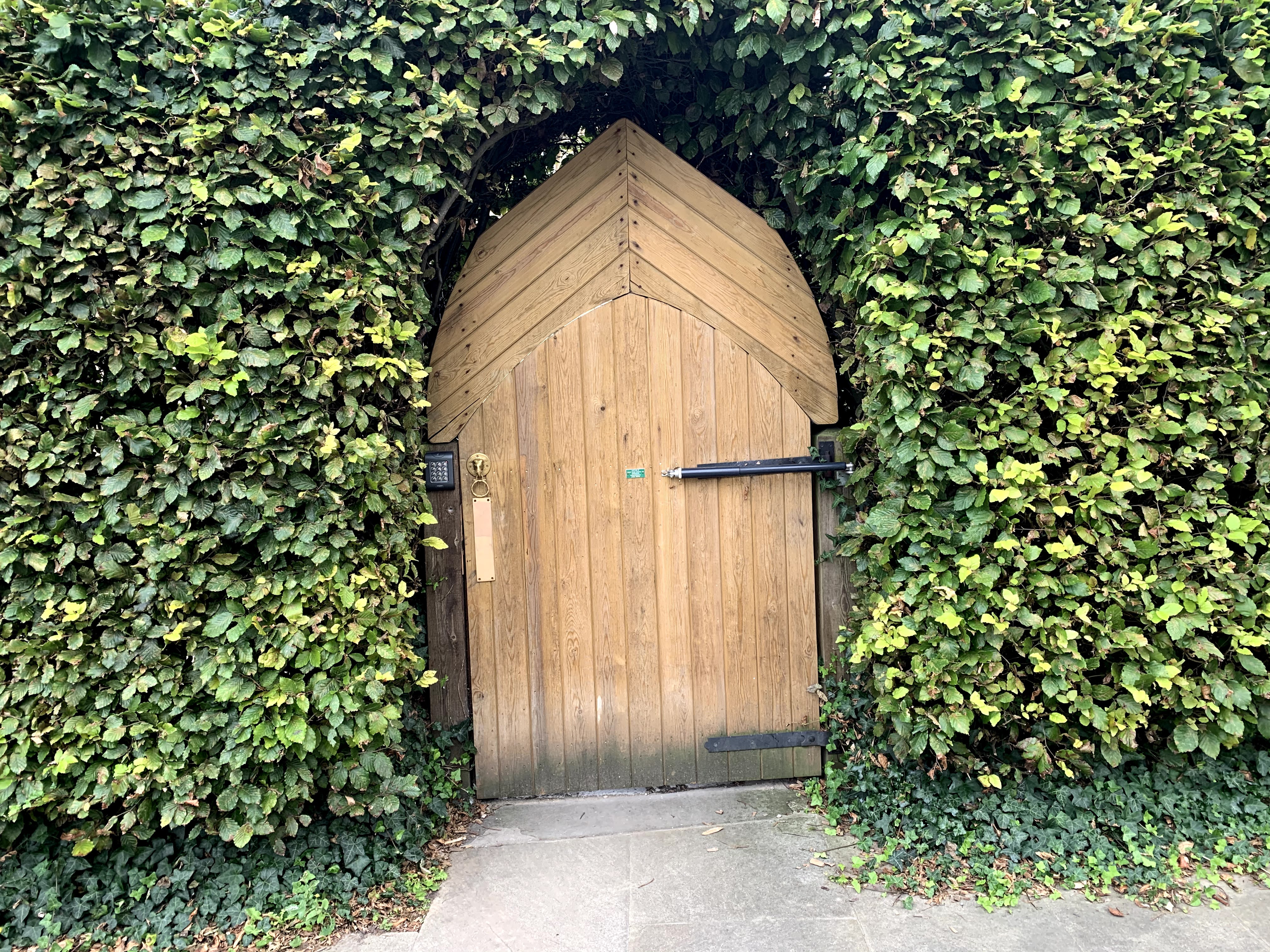
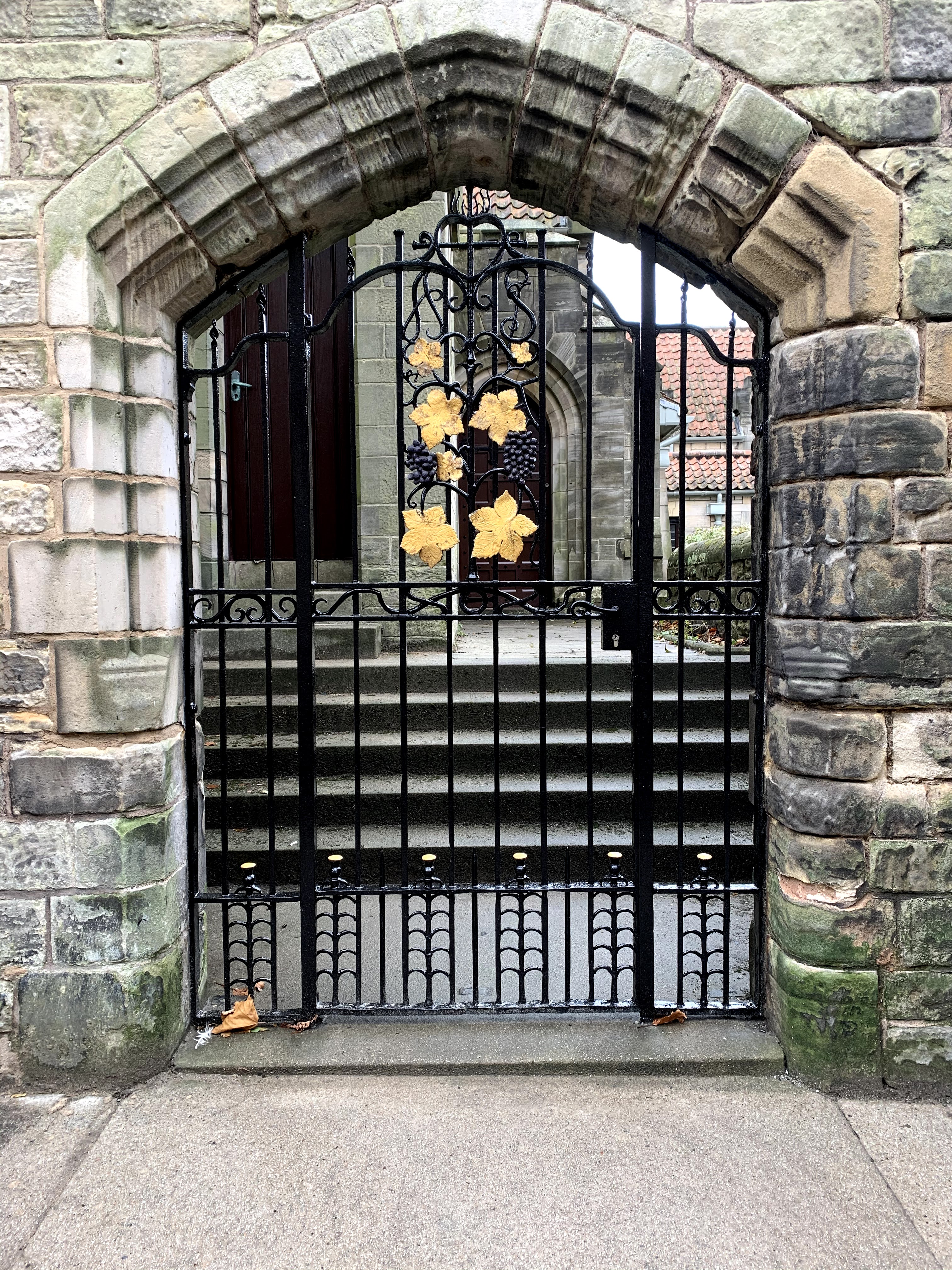
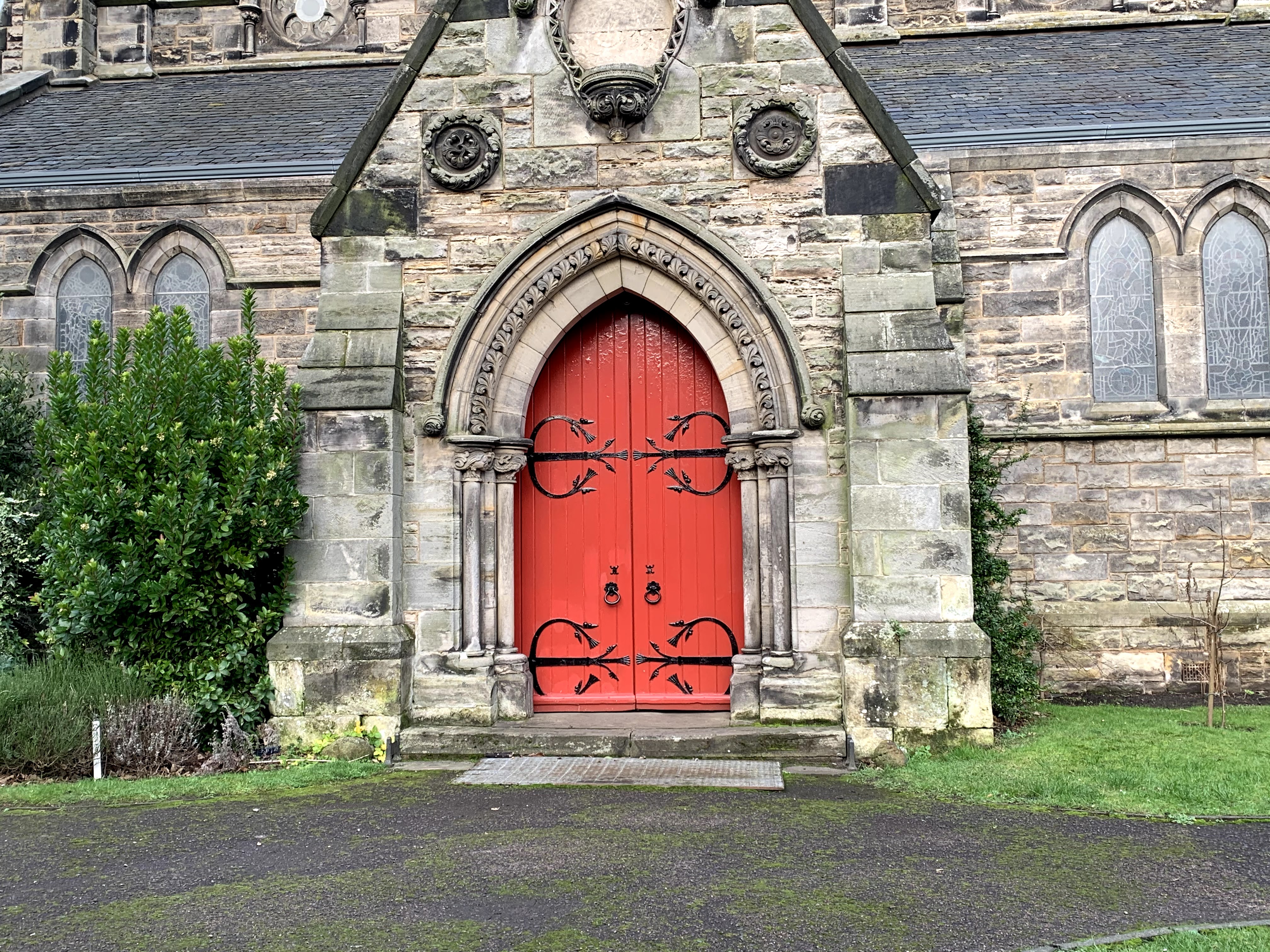
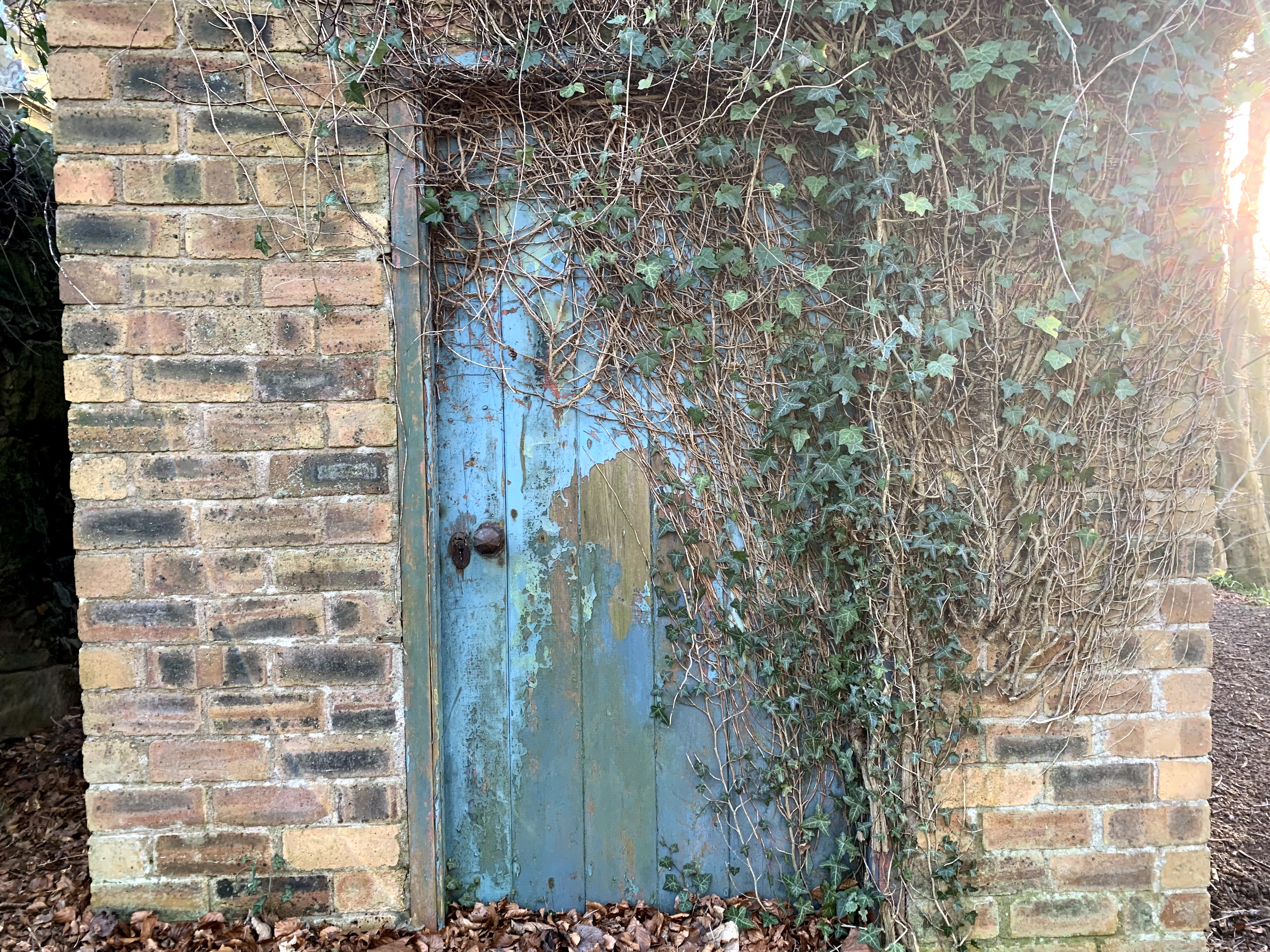
I love the idea that January is full of doors. After the festivity of Christmas, the world is ready for entrances and exits: fresh beginnings, new journeys, and epic quests.
I have always loved books that use images of magical doors or portals, like the Wood Between the Worlds C.S. Lewis’s The Magician’s Nephew, Monsters, Inc.’s factory of multi-colored doors, and Emily Rodda’s Golden Door series. Trenton Lee Stewart’s prequel to The Mysterious Benedict Society series, the Extraordinary Education of Nicholas Benedict, uses the many-doors image in a beautiful way. The main character, Nicholas, discovers that green plaid soothes him because it makes him think of a world of green doors which he goes through, one after another, on his way to much-needed sleep.
A character brought to a room, cave, wood, or world full of doors has the power to choose which to open and which to leave shut, but they can rarely open them all. Doors represent choice; mystery; opportunity; necessity; adventure; and the unknown.
A door in a story is rarely just a door. For Christmas, I treated myself to another online lit class: Addison Hornstra’s course on the Alice in Wonderland books, “A Dream Both Strange and True.” It was brilliant, inspiring, overwhelming, exciting, and beautiful. Addison dived into the deep background of the Alice books: the old definition of a “romance,” Chinese mythology, the symbolism of games, parody, identity quests, mirrors, madness, and truth. One of my favorite insights was her explanation of the golden key that Alice finds on the little table in the hall full of doors early in her journey.
The golden key, Addison explained, is an allusion to the fairy tale that ends the Grimm brothers’ collection. In that story, a boy finds a golden key in a box in the forest . . . and the reader never finds out what the key opens. The key, she explained, symbolizes the world of story. The hall full of doors, too, represents the world of stories, which in themselves are doors to other worlds.
2025: A Year of Doors
2025 was full of doors for me: opportunities, choices, and adventures. The second half of 2024 felt like a labyrinth as I tried to establish a new life after moving back to New England. Choosing a church and establishing new rhythms, habits, and routines was exhausting, bewildering, and a very good reminder that human beings are more like trees than trains. Moving rips you up by your spiritual roots, and it hurts. The liminal period between uprooting and replanting is also painful. So is the growth after the re-planting.
But the new life after that transplanting can be so, so beautiful.
After that turmoil, the Lord opened many doors for me in the year 2025. On the Bible-teaching front, after months of being on the waitlist, I had an opening to go to the Charles Simeon Trust’s Bible teaching workshop on Habakkuk a few weeks before the event. Meditating on the earnest questioning and exultant hope of that book was such a gift – as I wrote about then, the hymn of Habakkuk 3 had been a special comfort to me.
I got to lead an inductive Bible study seminar at a retreat this fall and dwell on Psalm 127, a much-needed reminder that all my toil and effort is useless without God’s blessing on the work. I had the honor of teaching a few sections of the Biblical book of Esther and its beautiful portrayal of courage, faith, and divine intervention. Among other things, I learned the value of distilling teaching down to be as clear and simple as possible; working harder to know and love my audience as I shape my message; and “adorning” my content with stories, analogies, and other rhetorical devices to make it memorable.
I reconnected with old friends and discovered how sweet it is to share years’ worth of memories. I made new friends and relearned how sweet it is to laugh with someone and share the deep, real things in our hearts. My family went through some difficult things, including saying farewell to a beloved family member who went to heaven. We watched the Lord unlock comfort, encouragement, strength, and love from His Word, His Spirit, and His children.
After a few years of many closed doors, the opportunities God gave me overwhelmed me with delight. Much of the summer and fall felt like a happy-ending montage in radiant sunset colors with a joyous soundtrack — except that all of these things are a beginning, not an end.
At the end of the year came an open door that I didn’t expect at all: I was graciously invited to join the team at Cultivating Oaks Press, “a unique fellowship of Christian writers and makers committed to cultivating holy character, deep-rooted community, and excellence of craft.” I’ve been a fan of their work for years, so I felt like Cinderella being invited to the ball (minus the wicked stepfamily). The winter 2026 theme, “Renewing Gratitude,” was a great one to meditate on as I drafted my essay around Thanksgiving, after such a year of fulfilled dreams and met needs. My contribution, “Legacy: A Gift” was released alongside a beautiful collection.
After a year of hard things and splendid blessings, there are still many things I want, fear, and worry about. There are doors I’ve prayed would open for a long time. But I can choose to trust the Lord that He will open the right ones, in the right time.
2026 is full of doors: the choices we’ll make, opportunities I’ll take or leave alone, mysteries I’ll grapple with, adventures I’ll accept, and stories I’ll read or become.
Proverbs 16:9 (ESV) – The heart of man plans his way, but the Lord establishes his steps.
 Stories of Yearning