Beatrix Potter, “The Idea of Autumn,” and Rituals of Remembrance


It has been so long since I actually read any Beatrix Potter that I barely remembered the stories at all. I have only a vague recollection of moles, hedgehogs, rabbits, mice, and sparrows wearing bonnets, aprons, and slippers; living in cottages, burrows, and villages; and having adventures. I remember watching the animated version of “Peter Rabbit” and feeling terrified when the farmer nearly shot him. When my dad recently started reading some Beatrix Potter stories to one of the youngest members of the family, I felt like the character General Woundwort in a climactic scene of Watership Down

“For a moment some old, flickering, here-and-gone feeling stirred in the General’s memory — the smell of wet cabbage leaves in a cottage garden, the sense of some easy-going, kindly place, long forgotten and lost.” (Watership Down, pg. 452)

I love how that line captures the elusiveness and concreteness of memory.  

One of the stories my dad read aloud was “Squirrel Nutkin.” Potter writes with a delightful particularity about the miniature, earthy world of little creatures: the “little rafts of twigs” that the squirrels use to cross a lake, with their tails serving as sails; the “little thread of blue smoke from a wood fire,” a present of “six fat beetles” which were “wrapped up carefully in a dock-leaf, fastened with a pine-needle pin,” and my favorite, Squirrel Nutkin playing ninepins with “a crab apple and green fir-cones.” The story is something between folktale, cautionary tale, and comedy: mischievous Squirrel Nutkin flirts with disaster by mocking, teasing, riddling, and pestering Old Mr. Brown, the owl, until the owl snaps. 

On one level, it reads as a classic Victorian morality tale about the danger of disrespecting authority and the importance of hard work. On another level, I wonder if it echoes older stories of archetypes like the Trickster and the Miraculous Escape. The pattern of the story is rhythmic, like a fairy tale: there are seven days, seven gifts, disaster, and then deliverance. 

Beatrix Potter, Richard Adams, Kenneth Grahame, and A.A. Milne are directly responsible for my love for the English countryside. Creatures and landscape features like badgers and hedges, moles and stone cottages sometimes feel more real to me than the features of my own region. Their work makes me want to run out and do the same for New England’s landscape: capture details like the glorious reds of of autumn, the sapphire glow of lakes and rivers in the twilight, and the sweet, haunting smell of fallen leaves. 

Beatrix Potter left her mark on C.S. Lewis and J.R.R Tolkien, too. I love Tolkien’s mention of “Peter Rabbit” in his essay, “On Fairy-Stories.” He points out that even in a simple children’s story is a hint of the Fall: Peter Rabbit breaks a prohibition by trespassing in a garden, is forced to leave his coat behind, and falls ill (symbolic echoes of Adam and Eve and the Garden of Eden). 

C.S. Lewis had a fascinating response to Squirrel Nutkin. In his book Surprised by Joy, he describes it as the second glimpse of that feeling he calls Joy, “an unsatisfied desire which is itself more desirable than any other satisfaction”:

The second glimpse came through Squirrel Nutkin; through it only, though I loved all the Beatrix Potter books. But the rest of them were merely entertaining; it administered the shock, it was a trouble. It troubled me with what I can only describe as the Idea of Autumn. It sounds fantastic to say that one can be enamored of a season, but that is something like what happened; and, as before, the experience was one of intense desire.  (Surprised by Joy, pg. 16-18).1 

Lewis captures inexpressible feelings so beautifully. “The Idea of Autumn” is a simple, profound way of articulating that longing stirred up by copper, scarlet, and amber canopy; the blaze of early sunsets; and the chilly nights under the lantern-like Hunter’s Moon and Beaver Moon. 

Daniel and Esther: The People of God in the Halls of Power

For the past few months, my church’s sermon series has focused on the book of Daniel, and our women’s Bible study is going through Esther. None of the church leaders planned this, so the way these books complement each other has been a wonderful surprise. Daniel and Esther are both exiles in Babylon; both end up in kings’ palaces and positions of power; both are threatened by forces that hate God’s people; both have to stand up before thrones and speak the truth. Both books showcase the incredible opulence, luxury, and decadence of the empires that swallowed up the rebellious remnant of Israel. Daniel sees King Nebuchadnezzar make a gold state 60 cubits high; the entire first chapter of Esther describes a magnificent banquet in detail, right down to the white cotton curtains, mother-of-pearl floors, and gold and silver vessels. 

Against the backdrop of pagan power and pagan wealth, Daniel and Esther had to stand firm and make courageous choices. Daniel’s three friends were thrown into a fiery furnace for refusing to worship the gold statue. Esther had to go before the king unsummoned, risking her life, to eventually plead for her people. One thing that’s become clear in our study is the role of faith: “the assurance of things hoped for, the conviction of things not seen” (Hebrews 11:1b). Faith guided these two characters and others to act based on the invisible reality of God’s greater kingdom amid the drama of powerful earthly kingdoms. 

Another grand theme of both books is remembrance. They are both very careful and detailed records in themselves, as well as records of record-keeping: edicts from kings that cannot be revoked, important letters sent to every province of a vast empire, and books of chronicles that are read aloud at key moments. Esther ends with repeated admonitions to remember the Jews’ deliverance from Haman’s edict with the festival of Purim. Rituals of remembrance like holidays, feasting, and gifts keep God’s goodness and His promises fresh in our minds, pointing us towards hope. 

Rituals of Remembrance

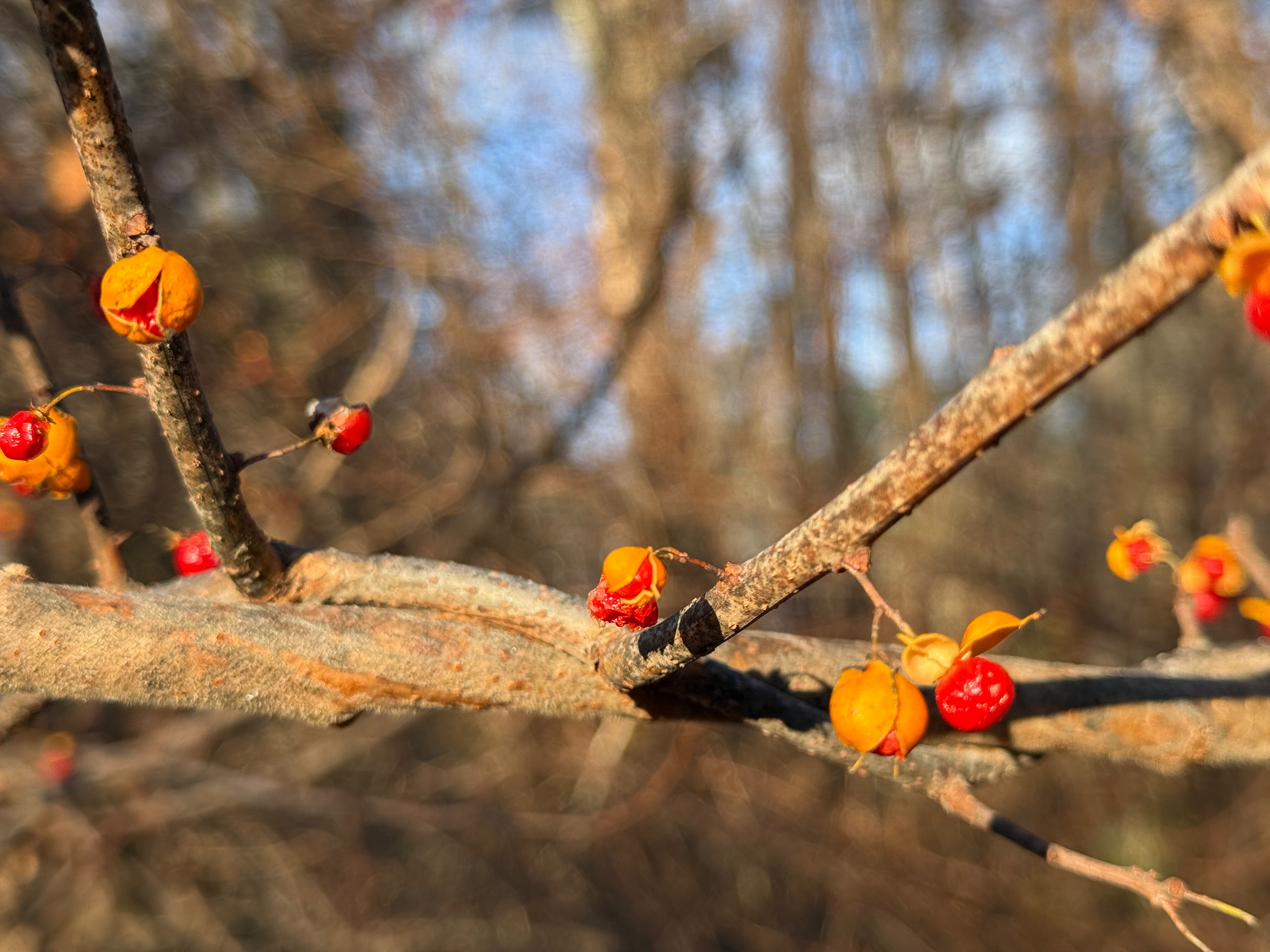
October and early November are one of my favorite times of year, both because of their beauty — red berries, cinnamon-colored leaves, and swirling fog — and because they mean that we are on the threshold of the cozy festivities of Thanksgiving and Christmas. I love the family gatherings, the magic of the first snow, and the breathless wonder of children and children-at-heart that takes center stage at the end of each year. 

Reading about Purim in Esther, the fourteen and fifteenth days of the month of Adar during which the Jews were to feast, celebrate, and give gifts, makes me realize that we do the same with our holidays. We are a forgetful people, but setting aside times to remember timeless truths refreshes our gratitude and praise. Stories and songs, too, imprint the goodness of God on our hearts: the concrete, particular, and specific ways He reveals His mercy, from miraculous deliverances to the splendors of autumn. 

New Books, Beowulf, Habakkuk, Narnia, and a Question: How Vulnerable Should You Be on the Internet?

Sunset through trees in winter


This winter was full of wonders: long, dark nights lit by Orion and the rest of the heavenly host around a silver moon; days of cold so bitter it felt like my finger bones were freezing; deep snow that froze into crunchy drifts; cancelled church services; drives in the snow; a vigil that ended in a beloved family member sailing to heaven. The days have rushed by like pine trees seen through the window of a moving train, a blur of living, changing detail.

I’ve wanted to update this blog for a while, but I promised myself when I started blog-writing in 2017 that I would only post if I had something worthwhile to offer to readers. Here’s an attempt at an offering: a look at some new books I’ve found, workshops and courses I’ve enjoyed, and a question that’s been burning in me for months.

New Books to Treasure

For the last 12 months, I’ve struggled to find good new books, but a few treasures stand out:

  • Christina Baehr’s Secrets of Ormdale series — A brand-new, five-book series set in late Victorian England — with an actually likable Christian heroine and dragons? I was so afraid to have hope for this series, but it was marvelous. Christian Bhaer knows her stuff: Scripture, lore, historical and cultural detail history, Anglo-Saxon poetry, literature, and the best slow-burn romance I’ve read in a while are shining threads in this series’s fantastic tapestry.
  • J.A. Myrhe’s Rwendigo Tales — Set in central Africa, these books tell the story of four physical and spiritual quests with beautiful prose, exciting drama, and deeply relatable characters. The thoughtful, image-rich, matter-of-fact style reminds me of Alan Patton’s Cry the Beloved Country; the mythical and spiritual elements remind me of C.S. Lewis’s Cosmic Trilogy.
  • Diana Glyer’s The Company They Keep — I’ve been meaning to read this one for ages. In beautiful language and lots of deep research, Glyer studies that group of rare imaginations that included C.S. Lewis and J.R.R. Tolkien. She argues that, contrary to what most scholars have argued over the decades, the Inklings did influence each other by resonating, opposing, editing, collaborating, and referring to each other in their creative works. Highly recommended for Inklings fans and artists who long for community.
  • James M. Hamilton Jr.’s Typology-Understanding the Bible’s Promise-Shaped Patterns: How Old Testament Expectations are Fulfilled in Christ — I picked this book up on Audible after searching for books on typology, a topic I’ve been curious about for a while. I loved it. It offers a clear and careful examination of the images and structures that Biblical authors use to point to Christ as the king, suffering servant, redeemer of captives, and divine bridegroom. It’s accessible for both scholars and laypeople; joyfully and reverently written; full of brilliant insights about the patterns of Scripture. My favorite takeaway is Hamilton’s argument that the types of Scripture are 1) definitely intended by each Biblical author (not an accident or readers’ construction); and 2) historically grounded (more than just artistic collaboration by the authors).

Beowulf, the Anglo-Saxons, and Learning to Love Something

I began this year with something appropriately wintry and mysterious: a “How to Read Beowulf” course from the House of Humane letters. I’m more of a fairy tale, roses-and-summer reader than a fan of the grim, otherworldy, silvery beauty of Anglo-Saxon literature, but I know C.S. Lewis and J.R.R. Tolkien loved those tales, so I wanted to see what they saw.

The course was profound and thought-provoking in ways I didn’t expect. Angelina Stanford dived into:

  • The ruinous, twilight atmosphere of the Anglo-Saxon period
  • The violence of a culture that knew only revenge-killings and ransoms as means of justice
  • The nature of the monsters depicted
  • The very meaning and value of words

While I’m not sure I agree with every point made, the course left me with much to ponder and an ache to know more. I found myself going back to the very foundations of what a story is, how to read, and how to interpret literature – digging up my Literary Criticism and Theory notes from college, listening to more lectures on the Anglo-Saxon period, and wishing I had Tolkien’s gift for language. I’m newly convinced how much words matter, how every word and name is a story, and how Christ is the sun of righteousness who ends our dark night.

Habakkuk: The Word from the Watchtower

In February, I had the honor of going to a Charles Simeon Trust women’s workshop in Cambridge, MA. The Charles Simeon Trust Society trains Bible preachers and teachers in deep, thoughtful exegesis, theological reflection, and application. This workshop for women was as academically rigorous as any graduate seminar I experienced while also warmly encouraging. This workshop focused on practicing teaching prophetic literature with the book of Habakkuk.

Habakkuk is hard. The Charles Simeon Trust method begins with establishing the context and structure of a particular passage, and Habakkuk’s flow of thought is initially confusing. But it’s beautiful. Habakkuk’s earnest cry to the Lord, and the Lord’s sovereign and gracious response, are deeply comforting. The hymn of praise at the end is one I chose as an anthem for the past years, a song for troubled times.

This workshop showed me how clear, simple, and clean good Bible teaching should be. In my few attempts at teaching, I’ve often tried to dump all my insights, observations, musings, meditations, questions, and research on my poor helpless audience. Instead, the workshop taught me to distill my work into a simple main point that people will remember. For example, my original main point for a practice session on Habakkuk 3:1-19 was Christ is coming to administer justice and rescue His people, no matter how barren circumstances become. After workshopping this part of my presentation with my small group, I managed to streamline it down to Rejoice in Christ’s coming rescue even in barren times — turning an overflowing sentence into a comforting exhortation.

“Writing with The Horse and His Boy”: Rediscovering Old Loves

Yes, my life is merely a progression from one online literary course to another. This one was particularly fun because it was run by Jonathan Rogers, my writing teacher and the proprietor of the Habit writing community, which has been a source of delight, fellowship, encouragement, thought-provoking discussion, and community.
My creative inspiration, which has been fairly dry since January 2023, started to run again in a few of the writing exercises we did together. I remembered how much I love The Horse and His Boy: the beautiful, crisp, clear settings, Shasta’s intensely relatable awkwardness, self-pity, and courage; Bree’s pompous dignity; Aravis’s pride and honor; and the hilarious addresses to the reader. I was newly encouraged to follow tried-and-true writing wisdom like:

  • Look through your characters’ eyes and develop them from the inside, by what they notice and how they react
  • Stick with concrete details
  • Remember that each conversation has layers of dialogue: informational, atmospheric, relational, and more

If you are a creative writer curious about the intersection of theology and writing, longing for some practical tips for craftsmanship, or looking for community, please look out for the next Habit course.

A Question of Authenticity: How Vulnerable Should You Be on the Internet?

This question has been brewing in me for years: how vulnerable should you be on the internet?

I think this question started when I began blog-writing after college. I was inspired by the beautifully-crafted blogs and creative fiction of writers from places like the Rabbit Room or podcasts by artists, entrepreneurs, and other content creators: storytellers who captured the music of their lives in relatable but profound prose. Following their example, I translated my own life into words. I wrote vivid descriptions of scenery and seasonal changes, books I read, conferences I went to, meditations from Scripture, weaving them all into a few themes that culminated at the end of each blog post. My year in Scotland yielded a lot of fruitful experiences I could glamorize: gorgeous hikes in the countryside, fascinating lectures and reading assignments, and plenty of academic research to give credibility and substance to my musings on life, literature, and faith.

The years since returning to America, however, have not been as easy to write about. I’ve gone through a lot of change, including a few moves. Many of the mini-seasons in this long season have not been easy to write about — not for particularly interesting reasons, but because they included plenty of isolation, boredom, and loneliness, which don’t make for great writing material.

For the past few months, reflecting on my original goals and life since graduate school, I’ve been wondering: how much is it healthy, good, or noble to be vulnerable on the internet? This question multiplies into more:

  • How do you know when to share a personal story and when to keep it for your inner circle?
  • How long should you wait to write about an experience?
  • How do you respect others’ privacy when you share stories in which they’ve participated?
  • How many details should you share about a painful or difficult experience?
  • Should you write about unresolved conflict or past hurts? If so, how?
  • How hard should you try to end your personal story, especially a difficult one, on a certain emotional note – especially if you’re not sure that chapter of your life is finished?

Recently, I began pondering the question of Internet/public vulnerability in general after attending a conference in which a successful author, blogger, and podcast guest gave the keynote talk. He shared some deeply personal stories as part of his message: horrifying family tragedies, personal doubt, career struggles, unexpected triumphs, and new directions he’s taken. I’ve heard enough speakers by now to recognize some of the techniques he used, such as careful repetition, including concrete detail, and framing the whole talk with a quest structure. I’ve sat in lectures and talks with speakers who moved the audience to murmurs of awe, even to tears. Unfortunately, this one did not. Something about the speaker’s attitude, the personal details he revealed and concealed, the vaguely spiritual but self-centered ethic he preached, and the crescendo of his talk left me feeling emotionally manipulated — and awkwardly sitting during the applause as many of those around me rose to a standing ovation. I felt that the speaker was using grief and pain from his past to paint himself as both a victim and a victor and tell me how to run my life.

While this speaker was talking to a live audience, not on the Internet, his talk pushed me to a preliminary conclusion. How vulnerable should you be? is a wisdom issue, not a yes/no or fill-in-the-blank question. I walked away convinced that yes, there are good reasons and good ways to do so as well as bad ones. But how do you discern the right reasons and the right ways to share your story?

It’s as difficult a question as the one that haunted me in the post-college years: how do you live a good life? How should an artist use the raw material of her life, especially intimate things like family memories and struggles, in her art? Or should she do so at all?

Vulnerability and Influencer culture

On the internet, on social media, vulnerability is powerful. Someone who can share intimate, specific details of their days, families, work, hobbies, emotions, struggles, trauma, and celebrations can draw a following. I know of influencers who I deeply respect and have taught me wonderful things, but I’m becoming uncomfortable with how vulnerability equals money in the transaction of paid platforms, book deals, and commission sales.

Of course, people who work hard to create beautiful and useful things should be paid for their work. But I am getting concerned about a particular pattern: someone shares intimate details about their life consistently enough that their followers feel like they are personal friends – and, also, students and disciples. An influencer can become a personality who coaches followers on any topic: faith, mental health, life goals, relationship difficulties. One influencer I used to follow on Instagram went from giving life-advice and career coaching to selling a product by commission. She introduced a major world problem and talked extensively about it, then encouraged her followers that that product was a solution.

I know a few influencers who do a great job of cultivating real relationships in the online communities they’ve set up, and encouraging those followers to build real relationships with each other. My concern is when the relationship remains one-sided, digital, and transactional: the influencer offers vulnerable life details, and the follower reciprocates with likes, shares, attention, promotion, and money. Vulnerability sells.

Vulnerability, authenticity, truth: entering other territories

That keynote speech at the conference was just one thing that triggered this question in my mind. Another catalyst was the brief glance I took of a book of publishing advice for nonfiction writers. The book advised writers to be wholly “vulnerable” with their stories: write in blunt detail about humiliations, failures, scars, traumatic experiences, and deepest secrets. The book is a bestseller, and the author is right. Readers love intimate details, especially when they can get them without sharing their own secrets. But that advice makes my introverted self want to head for the hills.

I’m a hypocrite in this area. I love it when other writers share their intimate stories so I can read them from the comfort of anonymity. I crave the juicy details of their romances, either breakups and happy endings; parenting anecdotes; college tales; childhood memories; vacation stories; secrets; and I love not having to share any of mine in return. But vulnerability creates the illusion of friendship and intimacy without the full reality, and I’m afraid it just feeds the loneliness of our culture.

How vulnerable should you be on the internet? After all this thought, I finally looked up the definition. According to Merriam Webster, to be “vulnerable” is to be “capable of being physically or emotionally wounded,” or “open to attack or damage : assailable.” Ouch. But it is true. Sharing childhood memories, family stories, thoughts, and dreams on the Internet does leave you open to attack: mockery, scorn, criticism, and getting cancelled.

So why share your story at all?

I think back to some of the personal essays that have touched me deeply:

  • E.B. White’s “Ring of Time” and “Once More to the Lake” from his essay collection — achingly beautiful reflections of memory, time, and immortality, grounded in rich detail
  • Lanier Ivester’s “Seeds of Love” — an exquisite mingling of personal loss and eternal hope
  • Jennifer Trafton’s “This is For All the Lonely Writers” — a very relatable, exquisitely crafted meditation on loneliness, creativity, and community
  • Lancia Smith’s “Yes, Virginia, I Still Believe in Jolly Old Santa Claus” — a thought-provoking, joyfully reverent study of how the Christmas icon figures the tender love of God

In A Discovery of Poetry, Frances Mayes begins by exploring the purpose and meaning of poetry. “All these images [from poems] form a quick glimpse of how those mysterious others behind the glass live their lives. Poems give you the lives of others and then circle in on your own inner world . . . Like play, poetry lets us enter other territories” (xiii-xv, emphasis mine).

Well-written creative nonfiction and personal storytelling does the same, as do fictional stories. They give us a glimpse of another’s life, let us enter their territory. Done well, it’s invitational, relational, encouraging, challenging, comforting, and thought-provoking.

How vulnerable should you be on the internet? How vulnerable should you be in any form of writing? I think now of David, Asaph, Moses, and others pouring out their hearts in the Psalms; Nehemiah penning his cry to the Lord when he heard Jerusalem was in ruins; Paul writing of his past sins and current persecutions to the beloved members of the early church. Yes, for the right reasons and in the right way, opening yourself up to be wounded is a gift to your audience. Not to build a following of people who feed on your life and your advice, but to welcome them into following the Lord, the One of all creation who has the right and the goodness to influence us ultimately.

Some tentative personal resolutions

Public vulnerability is a wisdom issue, something that requires individual reflection and discernment. Done well, it’s a beautiful gift to readers; done poorly, and you really have opened yourself up to be wounded or to wound your readers. As I ponder this, here are a couple of principles I’m forming for my own writing:

  • Let Scripture guide you into making God the center. Use my writing to recognize the work of the Lord – not by slapping a Bible verse or pious-sounding conclusion onto every piece, but trusting that if I pay attention to detail, take the time to ponder an experience, and pray over it, I will find its intersection with eternal truth. I’ve seen this modeled brilliantly by the writers at The Cultivating Project, who weave Biblical insights, hymns, and other art into personal stories. A good artist can turn the telos or purpose of a piece into hope-through-lament, courage-through-darkness, joy-through-sorrow, and faith-through suffering without minimizing how hard life is.
  • Tell family and friends first. This is an old rule I made for myself, and I think I’ve managed to follow it. If I have exciting news in particular, I try to let my closest circles know first, and they get the real scoop on the most interesting details.
  • If it’s a hard subject, pray and wait before sharing. I don’t think I need a waiting period to share a fun hiking story or list of good books I’ve read recently, but if I choose to share something painful or complicated, I want to make sure I have a good reason for doing so.
  • Err on the side of others’ privacy. I never want to burn a relationship by turning a painful or private subject into a piece of content. Any money I might get from a commissioned piece, any number of likes, follows, or shares, is not worth hurting someone I love.

What do you think about vulnerability on the Internet? Where have you seen it modeled well or poorly? And what are some of your favorite examples of personal stories told well?


Hope-Kindling in Springtime

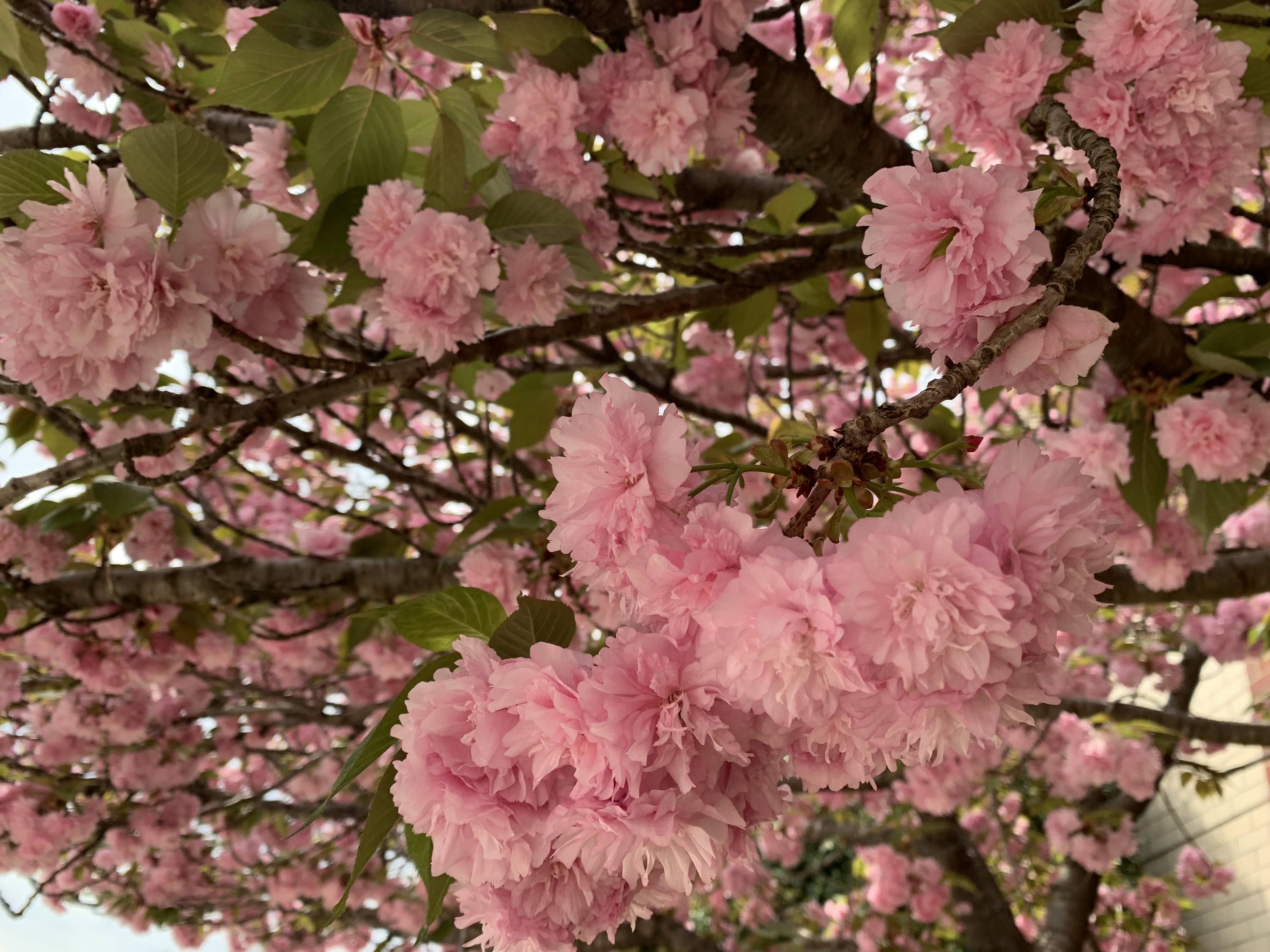
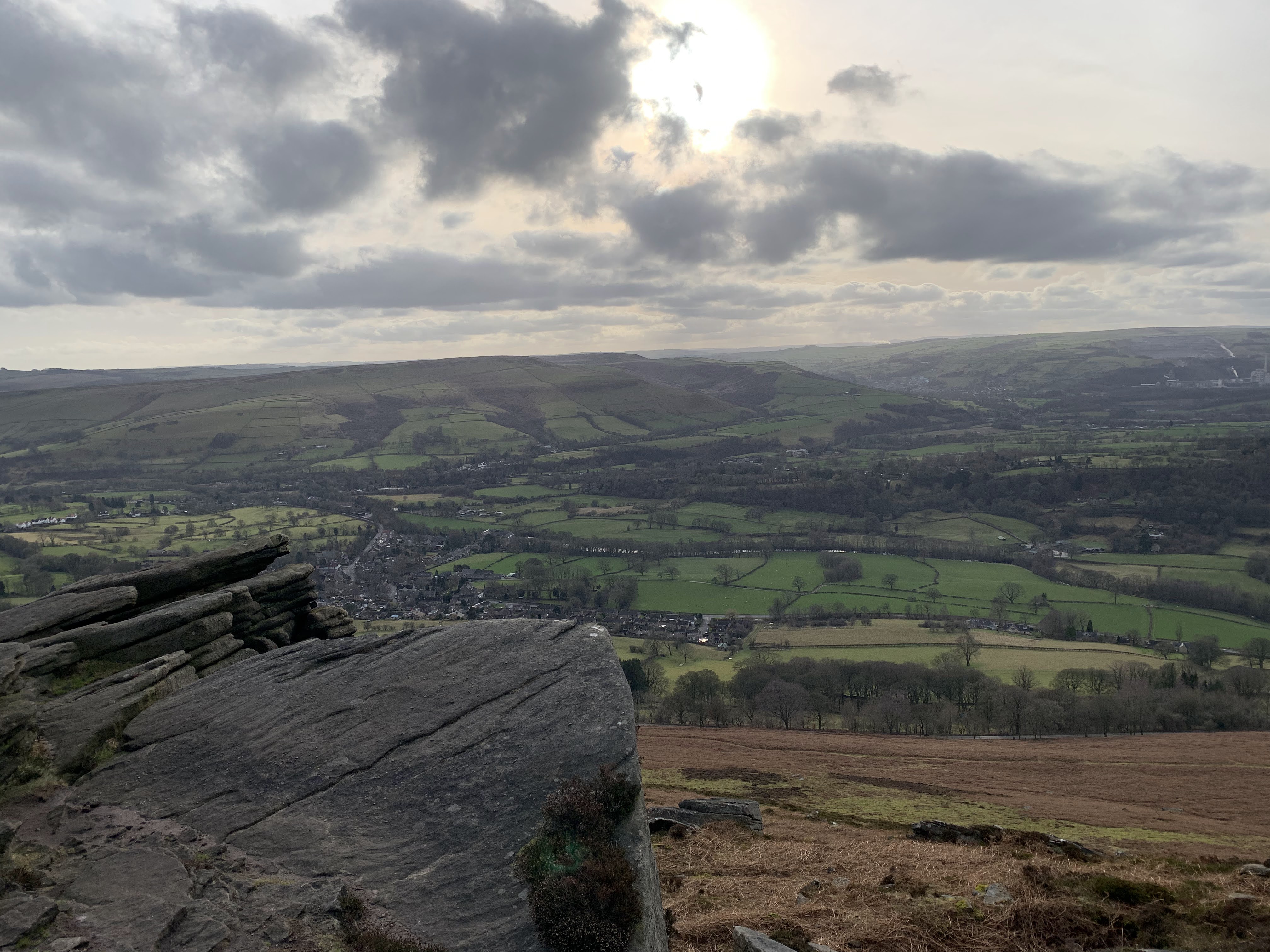
Winter passed like melting snow. I stood on Stanage Edge in the Peak District of England, trying to think suitably noble thoughts*;  glimpsed the half-moon through snowy cherry blossoms; watched new leaves fill the woods with that soft, bright green; hunted for the tiny, gem-like wildflowers of bright blue, starry white, and deep purple that dot the grass; watched the bonfire dance as we celebrated the Resurrection at sunrise.

* In the 2005 version of Pride and Prejudice, Stanage Edge is the rocky outlook where Kiera Knightly stands and looks out at the horizon. It’s a good place to take pictures of yourself looking out at the horizon with a thoughtful expression.

As winter slipped away, I explored Hans Christian Andersen’s “The Snow Queen” with two different guests, examining the cold, perfect, deathliness of evil and the warm, healing vitality of goodness. I delved into the deep sorrow and even deeper hope of Job in connecting the Leviathan image with the sea dragon in the Scottish folk tale, “Aspittle and the Stoorworm.” I listened to C.S. Lewis’s The Great Divorce and some of P.G. Wodehouse’s Joy in the Morning, reminding myself of the eternal beauty and wonder that sings outside of the computer screens, tax seasons, traffic lights, and other mundane pieces of everyday life. 

The creative dry spell I’ve been in for a while still continues, but I’ve started to have colorful dreams and daydreams of the stories I want to tell. Studying psalms like Psalm 36, with images like the Lord’s “river of delights,” as well as the sacred metaphors of the Gospel of John, make me yearn to write tales of wonder and hope: stories full of the goodness of the river of life, the garden of paradise, and the mountains of God. 

I’ve had a string of disappointments in trying out new books recently, but I’ve cheered myself up with some rereads. I can recommend these as hope-kindling as springtime: 

Nancy Guthrie’s Even Better than Eden – I read this last year after an exhausting work trip, and it brought me so much joy. Nancy Guthrie traces nine images from Genesis to Revelation, including the Wilderness and the Tree, and how the Lord Jesus’s atonement brings us a life that is even better than the Eden we lost. 

R.J. Anderson’s No Ordinary Fairy Tale and Flight and Flame trilogies (six books total) – I first encountered R.J. Anderson’s work through her beautiful science-fiction/fantasy Ultraviolet, and was thrilled to see she’d written more fantasy. Anderson’s vivid prose, stunningly vibrant characters, and exciting storylines explore what it means to be human, what good and evil look like, and what it means to love in fascinating ways. As a Bible teacher herself and an excellent storyteller, Anderson weaves British faerie lore and Cornish piskey-lore into gripping narratives that honor the great story of Scripture. If you start these books, set aside some extra time; they are almost impossible to put down.

Snowbound and Rainsodden: Books and Winter Weather

It was so familiar: watching flakes fall from darkness to pale earth, spinning, a sight that will make you dizzy if you stare too long; the lightness of fresh, powdery snow underfoot; silver glitters in the new snowdrifts; paths trodden with iced-preserved footprints and pawprints; week-old snow frozen hard with subzero temperatures, too slick to walk on. I watched the snow highlight every branch and twig of the woods, like a white pencil outlining the sketch of dancers mid-motion, before the snow dropped off and left them gray and bare again. I felt the cold of negative temperatures, burning on the face and pulsing painfully in the fingertips, so fierce that returning to the 20s Fahrenheit felt balmy by comparison.

Nashville winters, someone told me, are usually “doom and gloom” – temperatures in the 30s and 40s with dark rainclouds. This past week, which shut down every major activity, would have been respectable in many northern states (except maybe Montana). I have dug deep snow tunnels in New Hampshire, driven on the ice rink of freezing rain in Maine, and watched ice turn trees into wonders of blown glass in Massachusetts, but I was not prepared for such weather here.

This part of winter is usually hard for me between the twinkling merriment of Christmas and the green of spring is so far away. Every year, I try to find ways to enjoy this season as cozy and romantic. It is, after all, a gift to be able to curl up in a soft blanket with a good book in hand and a candle burning, as the world sleeps outside.

Here are a few books I’m enjoying as warmer temperatures melt the snow:

All the Lost Places, by Amanda Dykes – I heard Amanda Dykes on several podcasts I follow and appreciated her thoughtful, gentle insights on writing and publishing. This book is a wonder. It has the eloquence and depth of the genre known as “literary fiction,” but instead of the despair I’ve encountered in other literary fiction books, it radiates hope and goodness. From the foggy streets of San Francisco to the glimmering canals and labyrinthine alleys of Venice, the book traces two lovable main characters whose stories are stitched together across time. Daniel of 1904 is bent under a load of guilt and shame; Sebastian of 1807 struggles to solve the riddle of his past and a stranger swept to his doorstep out of a storm. Discovering a new author who has published a stack of books is a rare delight, and I am excited to explore Amanda’s other stories.

A History of Tom Jones, A Foundling, by Henry Fielding – I read about this book in Karen Swallow Prior’s book, On Reading Well: Finding the Good Life Through Great Books, in which she examines how works of fiction can teach us to understand and and practice virtue. She uses Tom Jones as an example of understanding prudence. I loved tracing the main character’s path from foolishness to prudence, recklessness to wisdom, and exile to home in this book. It’s very long, bawdier than I expected (think the cruder aspects of Shakespeare, and then step up a level), full of mock-epic moments and exaggerated references to classical myth, and does feature some significant wrongdoings by the hero. I caught myself saying out loud, “Tom, no, you dummy!” at various intervals. There are, however, realistic consequences for bad behavior, and a tone of love and understanding that makes me glad to have finished it.

Summer Lightning, by P.G. Wodehouse – I picked up this book to follow along with the “Close Reads” podcast. Wodehouse is new to me, and the ridiculous, overly complicated, earnest, and chaotic exploits of his characters are an absolute joy. Watching various people at a country house try to outdo each other in stealing things, impersonating other people, falling in love, making and breaking engagements, and sometimes outright blackmail, where no one really gets hurt and all good desires are fulfilled in the end, feels very safe in this uncertain world. 

The Silver Chair, by C.S. Lewis – For a few years now, I have stayed away from some of my most beloved series – the Chronicles of Narnia, the Harry Potter series, and The Lord of the Rings – because I wanted to forget them enough to come back and find them fresh and new. I decided to reread this book, my favorite Narnia book, because it’s a text for two online courses I’m taking: a medieval cosmology course by Kelly Cumbee and a creative writing course by Jonathan Rogers. I’m very familiar with the excellent radio drama version by Focus on the Family, but this time, I listened to this audiobook version by Jeremy Northam, which was wonderful. Each book in the series has a different reader, including Kenneth Branagh for The Magician’s Nephew and Patrick Stewart for The Last Battle

I love The Silver Chair so much. I deeply identify with Jill’s struggle to obey Aslan; I love the perilous wanderings across the wild north; I burst out laughing multiple times at Puddleglum’s cheerfully dour sayings. Best of all, Jeremy Northam’s voice for the audiobook emphasized the kindly humor of C.S. Lewis’s prose asides in the text – those thoughtful, sympathetic comments about how you feel in certain situations, like sitting by the fire late at night, too tired to do the hard work of going to bed.


Now that Nashville’s dark rainclouds have returned and melted the snow, I can go on walks again, slipping in the mud and letting raindrops slip through my hair. I don’t think I’ll ever fully enjoy this time of year, but I can appreciate the grim, quiet, atmospheric beauty of wild winds, stormy skies, and steady rain.

2023: The Close of the Year

Glittering ice storms and whimsical thaws and freezes; tiny white and purple wildflowers that sang like stars in the grass; a sweltering green summer full of dreams of dragons; a humming haze of an autumn, goldenrod and woodsmoke in the air. Playing the how-many-ebooks-can-I-check-out-per-month game on library apps; slipping into chiffon and satin for weddings; watching my dog roll around on his back like a deliriously happy bug; zipping up suitcases and carefully storing away parking tickets; sifting the pages of my Bible as if I climbed a stone staircase, trusting it to hold me. 2023 is finished – a translucent, winding, treacherous, wondrous year that taught me a lot of good things.

I wanted this to be a fruitful, abundant year, especially for my writing career. I resolved to edit the rough draft of a manuscript I’d just finished, submit at least one article for publication per month, release a fairy-tale-retelling podcast, and perhaps craft a few short stories for good measure – along with at least one blog post per month, of course. I accomplished a couple of those things, especially releasing the podcast, but for most of the time I found my heart and imagination blank and empty, unable to give birth to new ideas. 

At a writing retreat in February, my writing teacher reminded us that we writers are not machines with a set, predetermined production output. We’re more like trees, with seasons of fruitfulness and fallowness. I decided to fill myself up with good things in this fallow season, so when inspiration comes, it has plenty to work with: good books, good plays, good movies, and good teaching.

This blog post is a wrapup of some of the good things I filled up with in 2023, books and plays, as well as a few aftershow notes from recent “Leaf by Lantern” podcast episodes. 

Books of 2023

Researching the podcast this year kept me steeped in fairy tales, but I fed my soul with all the other books I could find. Here are some of my favorites:

Transformed: The Perils of the Frog Prince, by Megan Morrison – I wanted to read more fairy tale retellings so I could talk about them on the podcast, but I had trouble finding ones that weren’t dark, “steamy” YA fiction. Reading this story gave me a lot of pleasure during a long flight from the west coast. It’s actually the third in the Land of Tyme series (I have not read the first two) and features a brilliantly-developed, selfish and demanding main character who goes on a quest, solves a complex mystery, and undergoes a deep transformation.

This Rough Magic and Nine Coaches Waiting, by Mary Stewart – Despite the announcement on the covers of these paperbacks that these titles graced the New York Times Bestseller List (in the 1950s) and that Mary Stewart is famous as a master of “romantic suspense,” I had never heard of this author before. I could die of happiness. These books feature beautiful, daring heroines reminiscent of Grace Livingstone Hill girls or Nancy Drew; exotic locations described with lush, vivid prose (I adore detailed descriptions like these); thrilling adventures and wildly melodramatic romances. These books are definitely dated in certain ways, but they whisked me away to enchanted worlds for many happy hours. I would love to write books like these, set in places I know and love.

The Goldfish Boy by Lisa Thompson – I crave new, well-written mysteries, but it’s hard to find good ones outside of the Golden Age classics I have already reread many times (mainly Agatha Christie and Dorothy L. Sayers) that don’t feature grisly murders and questionable ethics. This middle-grade novel uses some of the classic tropes, including a housebound main character (suffering from crippling germophobia) who may have been the last person to see a toddler who goes missing. It’s a very sweet story, with a lot of self-discovery and friendship.

Ancora: The Fog Banshee’s Curse, Miriam Pittman – I met Miriam at a writer’s retreat and loved the sound of her Irish-lore-inspired story. This book overflows with sweet humor, beauty, adventure, and mystery, from a sinister spellcaster to magical horses and terrifying, murderous fog banshees. The personalities and relationships of the sisters are as clear, bright, and sweet as those in Little Women or The Penderwicks. Miriam did a fantastic job of playing chords of truth, self-discovery, repentance, courage, justice, and forgiveness in ways that ring true, without making the reader feel lectured.

Daughter of Arden series by Loren Warnemuende – After twenty-five years of writing and drafting and a few years of editing and review, my friend Loren’s book series is finally out! Watching Loren brainstorm and draft and piece the final parts together has been a delight. Loren is a master of character development and growth – I was astonished at the transformations she put together. Reading the final book, Promise, was also a lesson in revelation and exposition; many of the characters, events, and seemingly-extraneous details of the first two books suddenly rise up as essential plot points that lead to a thrilling conclusion.

The Carver and the Queen by Emma C. Fox – Before reading this book, I thought Siberia was a perfectly flat, frigid, depressing place with a constant snowstorm over grim gulags. Emma’s box opens up the dazzling world of Siberian folklore, from peasant festivals to fireflowers to a formidable Malachite Queen under the mountain. The prose of this book was so exquisite, I had to read and reread pages to soak it in. Deep, fascinating characters – some very lovable good guys, some very hateable bad guys – take part in a dance of duty and desire, frustrated longings and difficult sacrifices. I am a fast reader because I’m impatient, but this is a rare treasure, a story to savor slowly.

Son of the Deep and Orion and the Starborn by K.B. Hoyle – Emma’s The Carver and the Queen led me to Owl’s Nest Publishers, a great place to find middle-grade and teen literature that is actually written for readers in those age groups. This fairytale retelling and astronomical fantasy gave me a wholehearted pleasure – gorgeous settings in the deep sea or Orion’s belt, characters with zeal and longing, and, best of all, plots driven by romantic or familial love. I ached for the main characters in these books to find the wealth of community and keys to the mysteries in their lives. Both of these titles have sequels coming out in the next year, which makes me very, very happy.

Tales of Hibaria: The Awakening by Jamin Still – I wanted this book as soon as I heard its premise – a world where constellations or “Sky Lords” walk the earth and guide children on important quests – but I waited until I could ask for it as an early Christmas present. It’s marvelous: gorgeously illustrated, with intricate and colorful maps and breathtaking images of the stories; written with simple, eloquent prose like drops of rainwater on a pool; alive with child characters who look up to the stars, ponder strange memories or deep griefs, and set foot on the road to adventure with trembling hearts. Some of the short stories in this collection were so beautiful they hurt. My timing in reading it is excellent – this book’s sequel also comes out this year. 

The Turning by Emily Whitman – With delightful irony, I published a podcast episode on the “Selkie Wife” folktale one day, couldn’t sleep that night, and checked out this ebook on my library app to pass the time . . . which turned out to be a selkie story! Vivid, clear prose; a main character whose loneliness, love, and determination captured my heart completely; and a perfect balance between the discouragement of frustrated desire and choosing to hope. 

Personal reflection about all these books: the stories I loved the most in 2023 involved characters with profound yearnings, deep love, exciting adventures, and courageous hope. It has been fun to trace the Gospel patterns in the fairy tales I’ve studied on the podcast, looking for what truths of Scripture glimmer in motifs, archetypes, and structure and give them their beauty.

Plays of 2023

I attended every play I could find this year, mostly classics: 

  • Les Miserables, January
  • Peter and the Starcatchers, March
  • Pride and Prejudice, April
  • The Sound of Music, July
  • The Play that Goes Wrong, November
  • A Wrinkle in Time, November
  • A Christmas Carol, December

The Play That Goes Wrong – This performance matched my sense of humor perfectly (almost): consciously and unconsciously ridiculous, full of desperate attempts to save face and keep the show going on in the midst of abject failure and total mayhem. If you’re not familiar, the premise is that you’re attending an amateur drama club’s first major performance . . . and everything goes drastically, hilariously wrong, from actors forgetting their lines to the set falling apart. Watching this play reminded me of how much comedy, and storytelling in general, depends on the interplay of timing, setting audience expectations, and either meeting or breaking those expectations. The misspoken or forgotten lines were placed so that the audience knew what was supposed to be said, and how bad the actual delivery was; props were misplaced or forgotten in a specific order, so we knew specifically what should have happened. I could have used less (or no) slapstick fighting at the end, but otherwise, thoroughly enjoyed the artful silliness of this play.

A Wrinkle in Time – Fifteen cast members in a black box theatre brought this story to life – with some people acting and an ensemble taking turns reading out loud and playing minor roles. The wonder, humor, and startling creativity of L’Engle’s work was all the more delightful as an audiobook/live drama. Adapting a story to the stage or screen often means that the author’s prose is lost, or has to be inserted into dialogue, but the read-aloud aspect of this adaptation meant L’Engle’s prose was preserved and its beauty was amplified. I also appreciated that the play didn’t feel the need to update or change the story to “fit” our current cultural moment better; it was more timeless because it wasn’t trying to be relevant. 

Podcasts of 2023

One morning in May, as I was frantically trying to write/record the first episode and get all the necessary ingredients (show graphic + RSS feed + intro segment + etc.) I woke up feeling grumpy and unmotivated, wondering why on earth I was trying to do something as hard and scary as produce a podcast. I didn’t want to – it was too difficult and too intimidating. With a startling clarity, I realized that those two things, fear and laziness, are terrible reasons for doing or not doing something – and I managed to publish the episode a few days later.

Creating podcast episodes is much harder than writing essays or stories. A few things I’ve learned: 

  • Time – I have never regretted giving myself an extra day or so to refine the content, even when it means an episode is late. I’m careful about theological topics and Scriptural interpretations, and reading a script out loud multiple times gives me the chance to realize if I say something confusing or incorrect. 
  • Examples – Finding good, interesting examples of principles and applications is one of my favorite things – and one of the hardest parts of the podcast. Talking about any subject means that you have to be well-versed in it, in both breadth and depth – so technically, I should be a master reader of retellings. One problem I’ve encountered, as I mentioned above, is the rarity of good fairy tale retellings. There are gems out there, but there are a lot of retellings that try to “fix” the fairy tales or use them to teach moral lessons. Finding good retellings, or stories in general, is deeply refreshing and gives me hope.
  • Community – Good podcasts make themselves part of larger conversations, whether or not they have one host or several. I have learned so much from the guests I’ve had on the podcast, and would like to learn more. I hope to book more guests for season 3.

Reflections on some recent podcasts: 

The Golden Bird

This episode explored some very big and deep concepts, and I wish I had given myself a little more time to ponder them. I would add one thing to the third section, in which I discussed Scriptural examples of betrayal. I went over three Biblical stories of betrayal and how they provide patterns artists could learn from: Joseph and his brothers (betrayal > repentance > forgiveness and reconciliation), Cain and Abel (betrayal > no repentance > unexpected grace), and Judas Iscariot (betrayal > no repentance > condemnation). With further reflection, I wish I had talked more about the concept of betrayal and the Christian worldview. 

The idea of “betrayal” as something bad, a wrong that demands justice, is a Christian one. It rests on several things: 

  • The idea that to break your word, your promise, is wrong – words matter to God. God always keeps His Word. This principle also applies to lying (Ten Commandments).
  • The idea that hurting someone intentionally, not in self-defense or a just war, is wrong. “Love your neighbor” – Jesus commanded – and even, love your enemy. 
  • The idea that there is no sin that will not be found out. I don’t watch a lot of gritty TV shows – cop shows or the darker dystopias – but I’ve noticed in the few I have seen that there comes a moment when a situation becomes so tangled, so full of conflicting wills, wrongs, desires, and dangers, that even the good or sympathetic characters will do terrible things. In moral gray areas, it’s not always clear if there is a right thing to do. Scripture opens our eyes to a world in which God is always watching and always good; He sees every act of evil, and He will bring justice. Applied artistically, I believe that if you have a betrayal in your story, you need to figure out how justice will manifest itself, whether or not the betrayer is caught or the betrayed person survives. I don’t believe a story should display the betrayal of an innocent person without there being some justice – or at least, the shadow of some future reckoning. 

I also spoke a little on the four rivers of Eden (in relation to Havilah and the land of gold). Andy Patton’s meditation on the four rivers of Eden examines the Hebrew words and Old Testament imagery more closely, with some delightful insights. 

The Selkie Wife

This episode became one of my favorites; exploring the paradox of the sea as a realm of wonder and chaos was especially fun. I realized, in the making, that I failed to make an important distinction between the sea in the beginning of Genesis and the sea after Genesis 3. The sea is fallen, with the rest of Creation; the presence of sin and death mean that the ocean we encounter now, physically and metaphorically, is a corrupt version of the ocean God made. That being said, I love how this tragic tale captures the loveliness, loneliness, longing, and liminality of sea stories. 

The Frog Prince

I had lots of fun planning and recording this sci-fi episode with my dad. Envisioning what a sci-fi retelling of the Frog Prince might look like allowed us to delve into our favorite themes in science fiction, the imagery of transformation, friendship, and quests, and how to make characters likable, relatable, and able to grow. 

This episode reveals that I’m more of a plotter than a pantser, to use current creative-writing jargon – I like to have some overall picture of the plot in my head. The distinction with my writing brain is that I’m a holey plotter; I’ll have a general structure in my head and a certain number of scenes, but with big narrative gaps that I have to fill in. If I were to write a sci-fi Frog Prince retelling, the filling in of those holes and editing process would probably change the entire story. But it was fun to envision how a story like this could begin. 

Looking into 2024

I’m looking forward to 2024; a year with a nice, round number, a year four years removed from certain health-related events we would all like to forget; a year that, at this moment, is untouched by shadows. Every year, since college, has brought such life changes and unique seasons that I could never guess them all, from December to December – so for all the unknowns of 2024, I will trust what I know:

Psalm 36:7 How precious is your steadfast love, O God! The children of mankind take refuge in the shadow of your wings.

The Long Song of Autumn


Crimson fern leaves and nodding goldenrod; long hours of screen time revived by long readings in the Gospel of John; car repairs and apartment deep-cleaning; Zoom discussions of Tolkien’s stories and scholarship; blinking stop lights and noisy waiting rooms; hours spent curled up with adventure, fantasy, and fairy tale books as the dusk deepens. Autumn is passing slowly and swiftly, like the lingering end of a folk song.

Junius Johnson’s dragon course this summer was just as refreshing and joyful as I had hoped. Rereading old friends like The Hobbit, The Hero and the Crown, and The Neverending Story and discovering new treasures felt like inviting my childhood self to walk beside me and remind me of forgotten dreams. As the summer heat shimmers away and the tree canopy blazes gold and saffron, I have done my best to keep feeding my soul with tales of mystery and wonder-stories that remind me of the great and wild things underneath chores like brake replacements and insurance paperwork, like gold glinting through dead leaves. Some favorites included:

  • Emma Fox’s The Carver and the Queen
  • K.B. Hoyle’s Son of the Deep
  • Mary Stewart’s Nine Coaches Waiting and This Rough Magic
  • Miriam Pittman’s Ancora: The Fog Banshee’s Curse

Much of my free time has gone into season 2 of the Leaf by Lantern podcast. Season 1 was a flurry of writing and rewriting, trying to temper perfectionism with common sense, reading and trying to give myself enough time to ponder before publishing any thoughts. I am trying to make Season 2 a series of richer, deeper episodes – a slow wander rather than a mad dash.

Here are some notes on recent episodes:

East of the Sun, West of the Moon

Apparently, I can’t keep away from Search for the Lost Husband stories (ATU 425 in the Aarne-Thompson-Uther folklore index)*. I remember picking up a folklore anthology that bore this title from our childhood library and staring at the title printed on a pale blue background.

“Dad, what does this mean?” I asked him, showing him the book.

“Hmm,” he said. I have a vague memory of him gently explaining that compass directions don’t apply to things in space like the sun and moon. I never forgot this fairy tale, and loved it all the more when I read Jessica Day George’s gorgeous retelling, Sun and Moon, Ice and Snow. George’s retelling explores more of the background of the villain and makes the whole thing into an almost-gothic mystery, with a slow trickle of clues and revelations. This episode gave me a chance to explore the mystical, lonely, wistful Northerness of this variant and how an artist could create a rich atmosphere in a retelling.

* Every single time I read or type “Aarne-Thompson-Uther”, my mind jumps to Uther Pendragon, the father of King Arthur. There’s no actual relation. The “Uther” named in the index is Hans-Jörg Uther, a German scholar who refined the already-published work of Aarne and Thompson in 2004. He might appreciate the confusion. Then again, I don’t think Uther Pendragon is a very noble character, so maybe not.

The Little Mermaid with K.C. Ireton

Every overview of the history of fairy tales and folklore I’ve read takes a big breath and pause at Hans Christian Andersen. His renown is stunning; “The Little Mermaid,” “The Snow Queen,” “The Nightingale,” and others are as well known as “Cinderella” (at least, in the Western world). I haven’t read much of his biography, but I’ve seen some scholars assign facts from his life to his stories, as if his personal history is the only way to understand his artwork. “He wrote [this tale] because [biographical fact]” – and nothing more. A person’s life certainly influences their fiction, but I don’t like the reductionism of a tidy “this = that” statement as an explanation for stories with such haunting images and structural intricacy.

My discussion with K.C. (Kimberlee) Ireton gave me hope for Andersen scholarship. Her joyful, thought-provoking theological reading of the tale helped me understand why it strikes such chords in my soul – especially as the ending of “The Little Mermaid” is not quite the happy ending you expect. I’ve been dreaming up merfolk stories ever since.

Fieldmoot Conference Presentation: “She is the Morning”

In between planning this podcast season in September, I wrote and recorded a video on another fairy tale for the online Fieldmoot conference, which is scheduled to go live starting Thursday, November 2 at 6:30 pm through Sunday, November 5. The conference’s theme is “Light and Darkness,” so I chose a fairy tale I thought had some interesting light/darkness images: “The Singing, Soaring Lark” from the Grimm collection. This tale is a variant of “Beauty and the Beast” that was new to me. It’s a lovely quest tale with a courageous, warmhearted heroine and beautiful images, including larks, lions, griffins, dragons, the sun and moon, and a mysterious nut-tree. I had a lot of fun investigating things like bird imagery in the Bible, the physics of green wood, and the theology of recognition, though I had to leave a lot of research paths untaken to keep within a reasonable time limit.

I didn’t have time to mention it in the recorded video, but if you like the fairy tale, there is a picture book adaptation called The Lady and the Lion by Jacqueline Ogburn and Laurel Long. The illustrations are some of the loveliest I’ve ever seen.

The Fieldmoot conference uses Discord to keep a live chat as the recorded videos play. It was a cheerful, thoughtful, kind, and delightfully mischievous group of people last year commenting on the sessions and recommending books to each other. I hope we have the same friendly atmosphere this year. We’ll also have live Q&As after the recorded video sessions, so I’m curious to see what questions and comments people have.

Sign up here if you plan to attend! The organizers have done an unbelievably great job of strategizing, scheduling, innovating, and covering the multitude of details an event like this requires, and signing up helps them plan.

2023 became the year of fairy tales and fairy tale retellings for me. I have dreams of pursuing other research interests, including detective stories, travel adventures, light sci-fi, and maybe historical fiction, but I hope that the world of fairy tale images will illuminate all these future creative pursuits. Studying quests and towers, glass hills and magic wells, rescues and resurrections have helped me love the Great Story of the gospel all the more – the news that gives all our pursuits, from the highest delights to the most miserable chores, a meaning and a happy ending.

The Second Summer

My second summer in Tennessee really has felt like paradise: golden hour tickling the dark green, feathery leaves of the honey locust trees; a writer’s retreat centered on the theme of music; dewdrops twinkling in the grass; triumphal teaching on the book of Acts; fireflies gleaming in the sweet, cool air after a thunderstorm; an online course on dragons that is filling my mind with insights and my heart with wonder. 

It is also sweet to be fulfilling the dream of several years, starting a podcast. It is harder than I thought it would be to record my voice and send it out into the world. Hearing my own attempts to balance vocal projection, enthusiasm, calm, and proper enunciation feels like studying my face in a mirror for an uncomfortably long time. It is fun, though, to present my own writing in a new medium, a form that is more embodied and more vulnerable than text on a page. 

The brand-new project is still flittering its frail wings and trying to comprehend gravity, but just launching it has taught me a few things: to not try to edit to perfection (it’s a good way to drive yourself mad); to do things the messy way at first, like Googling “how to put your podcast on Spotify” and cushioning my microphone with pillows; to enjoy the way that a podcast opens fascinating discussions with close family and friends.

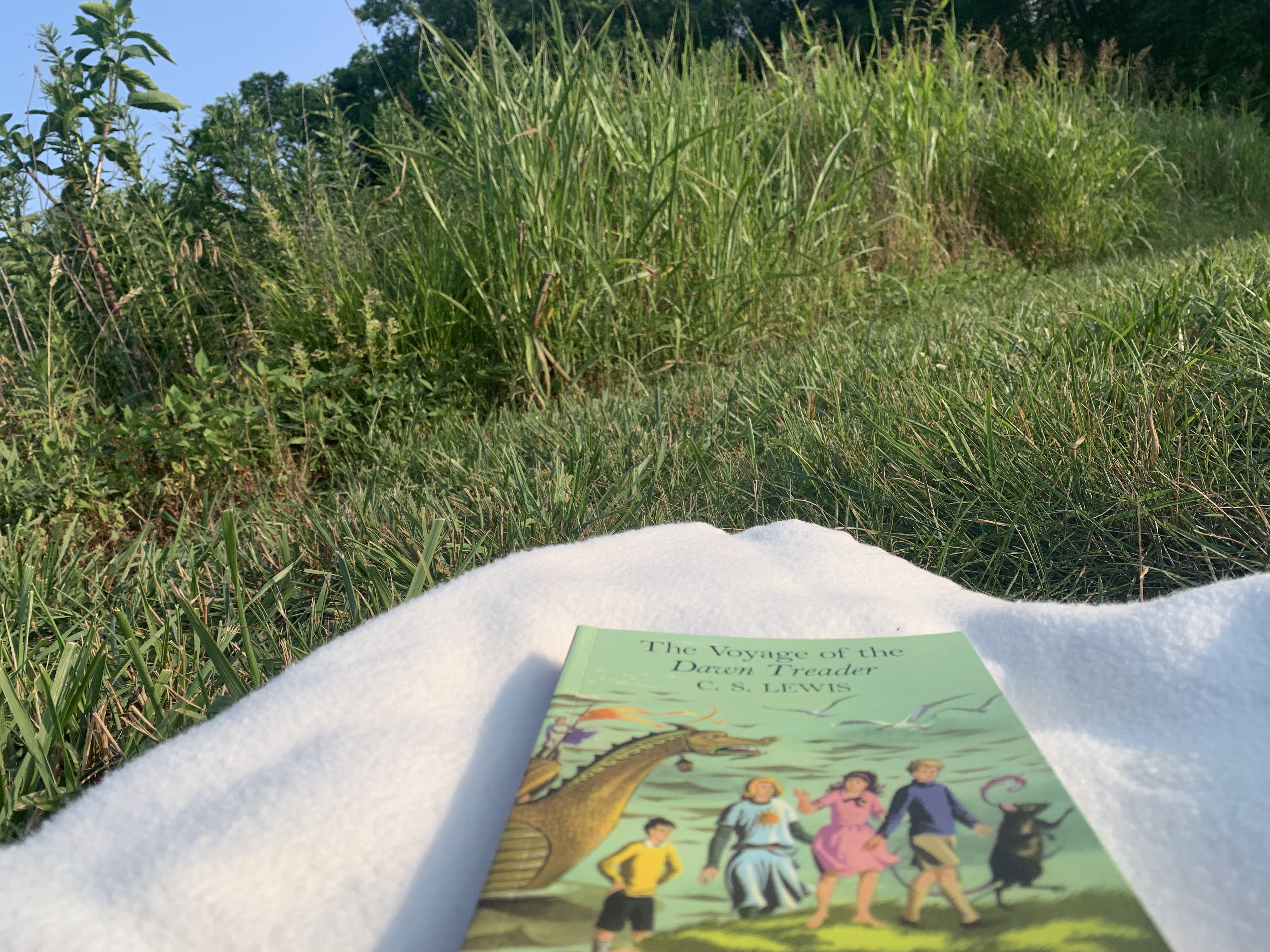
In between Scriptural word-studies on darkness and frost, puzzling over texts like Vladimir Propp’s venerable Morphology of the Folktale, rereading The Voyage of the Dawn Treader and The Hobbit, giggling over a P.G. Wodehouse audiobook as I water my plants, and basking in the sun to erase my flip-flop tan, I have been trying to write stories again. After a year of settling in a new place and trying to build a life, somehow, writing is harder rather than easier. It is a perilous, vulnerable, precious thing to try to call a world to life with words; shape believable, complex characters; set a rhythm of exposition, action, and dialogue that summons readers into the waking dream of narrative. 

A sweet and wise writer at the recent writer’s retreat told me that she is trying to write primarily for herself, for joy, first, before worrying about pleasing an audience. I am trying to have the courage to imitate her in that – to refresh my spirit with good, profound, beautiful things, and then use them to sing a new song. 

Leaf by Lantern – Latest Podcast Episodes

Episode 3: The Black Bull of Norroway

I had a lot of fun putting this episode together. The episode examines how a Christian artist could interpret or use the images of the unexpected call, the black bull, the wandering in the wilderness, and the glass hill from this fairy tale. 

Things I forgot or didn’t have room to mention in the episode (these will make more sense if you’ve already listened to it): 

  • I think the image of the black bull, a figure who is mysterious and scary at first but turns out to be good and kind, has some symbolic links to the idea of “holy darkness” that C.S. Lewis explores in his own fairy tale retelling, Till We Have Faces. I may do a podcast episode on that book later.
  • There are so many fascinating images in this tale I didn’t cover: the apple, pear, and plum given to the heroine that contain fabulous jewelry; the strange part of the tale when the sky turns red if the battle goes ill and blue if it goes well; the washing of the blood-stained shirt. I could have gone into themes of communion, provision, prophecy, sanctification, and recognition here – but to avoid making the episode too long or oversaturated with content, I had to focus on my favorite images.
  • In my own version of the tale, the one I read aloud at the beginning, I chose to have the prince say “At last!” when he sees the main character, his true bride. This phrase is an echo of Adam’s exclamation when he first sees Eve.

Episode 4: Maid Maleen with Loren G. Warnemuende

My friend Loren and I talk about her retelling of “Maid Maleen” – a trilogy called “Daughter of Arden.” We talked about the first book, “Exile,” and how Loren chose to interpret the father figure, the princess, the tower, and the garden. I also threw in a question about fancy dresses, since I have come to believe those are a crucial aspect of fairy tale retellings. 

  • You can order a copy of Exile here and Wandering here.
  • See Loren’s website for information more about her and her work.

Nora LeFurgey Campbell: A Friend Like Fire

Candles in the dark.

Photo by Mike Labrum on Unsplash

Friendship, like natural beauty and books, was one of the joys of L.M. Montgomery’s life. Fictional friendships like Anne and Diana’s, Pat and Bess’s, Emily and Ilse’s grew out of real-life friendships with her cousin Penzie, childhood friends Nate Lockhart, Will and Laura Pritchard, and later, her cousin Frede Campbell. In the winter of 1903, as she tried to navigate her aging grandmother’s stormy moods, family troubles, loneliness, and uncertainty, one friendship warmed the icy days. She had Nora.

Montgomery wrote about that winter in April 1903: “dark moods,” frustrations with her grandmother’s rigid rules, and anger over the injustice of her Uncle John and his sons (who had inherited the house they lived in and wanted her grandmother to move out so her cousin Prescott could have it) (Selected Journals I 286-87). But Nora LeFurgey, who was teaching school in Cavendish that year, became her roommate and companion in January. 

Nora was “a positive God-send” when Montgomery met her in the fall of 1902 (Selected Journals I 283). Her intelligence, love for literature, and sense of humor suited Montgomery “exactly” (283). As Mary Henley Rubio puts it, “Nora possessed a strong and irrepressibly positive life force, and she energized those around her – just what Maud needed” (Gift of Wings 111).

In the pages of her journal, where she recorded her tears and dreams, Montgomery slipped a different diary, one that she and Nora wrote together, one “of the burlesque order” (Selected Journals I 287). She said “we set out to make it just as laughable as possible. I think we have succeeded.” This diary is full of laughter, teasing accusations (“I didn’t take your yellow garter!”), details of their social lives and the souvenirs they “scrounged” from them, and mocking each other about young men. Jennifer H. Litster has an entire chapter on this co-diary in The Intimate Life of L.M. Montgomery.

Nora was a candle in that long, dark winter – part of what I think was a winter period in Montgomery’s life, 13 years in which she was single and lived with her grandmother. A few years later, Nora married Edmund Ernest Campbell in 1911, left the Island, and didn’t see Montgomery for 24 years.

And then they met again, in September 1928.

They had both suffered. Montgomery was anguished by the destruction of World War I, the death of her best friend, Frede, and a madness that convinced her husband he was “damned to hell.” Nora lost one son at birth and a daughter to polio. In 1929, she lost a third son to a canoeing accident and had only one, Ebbie, left. But the Nora we meet in the pages of Montgomery’s journal reacted to her hardships differently than Montgomery. Rubio calls her “unfailingly upbeat” and “as vital a life-force as ever” (382). Montgomery said that the “relief” of having a friend like Nora was “tremendous . . . I feel as if I had been smothered and were now drinking in great gulps of clear gay mountain air” (Selected Journals III 378).

Mary Beth Cavert researched “voices” or people described in Montgomery’s diaries, including Nora’s. Through interviews with Nora’s family, she found that Nora never complained about her sufferings, but “most often assumed the position of adviser and was a tower of strength in times of trouble” (114).

After her sufferings, Nora still had a spirit of hearthfire joy, the ability to laugh and listen to her friend’s troubles. She never showed envy or intimidation at L.M. Montgomery’s successful writing career (she had been world famous since 1908) even though Nora herself wrote a novel she was never able to publish (Cavert 107).

In middle age, they had times of fun and laughter as sweet as when they were single young adults together. In 1933, when Nora came for a visit, Montgomery wrote to her literary correspondent G.B. MacMillian: “Every night we went on a voyage to some magic shore beyond the world’s rim.” After supper, they walked miles under a “harvest moon” as “every particle of our middle aged care and worry seemed to be wiped out of our minds and souls as if by magic.” They walked in silence or talked, discussing “every subject on earth…When we had exhausted earth we adventured the heavens, to the remotest secrets of ‘island universes.’” They had adventures that left them “drunken with laughter.” (My Dear Mr. M 164-66)

Radiance of joy…when I read about Nora in Rubio’s The Gift of Wings, she became one of my heroes. She isn’t famous for a public legacy of writing books or political success. But she weathered pain and loss and disappointment without letting them drown her.

I have had friends like Nora. In high school, a girl in my class and I and shared fantasy books and laughter at field hockey practices. At summer camp, a girl with sunshine in her soul helped me remain cheerful even when we hauled heavy cots up the steep hills on hot days. In college, one of my friends and I didn’t like dancing, so we would dress up for the galas, attend just long enough to collect plates of brownies, chocolate chip cookies, and cheesecake bites, and then smuggle them back to our dorm to watch TV.

A friend who has that kind of joyful strength, an inextinguishable light, is rare. I hope I can tell stories that people enjoy as much as they enjoy Montgomery’s. But as an individual and a friend, I want a spirit like Nora’s, a fire that never dies out.

Works Cited

Cavert, Mary Beth. “Nora, Maud, and Isobel: Summon Voices in Diaries and Memories.” The Intimate Life of L.M. Montgomery, edited by Irene Gammel, University of Toronto Press, 2005, pp. 88-105.

Litster, Jennifer H. “The ‘Secret’ Diary of Maud Montgomery, Aged 28 1/4.” The Intimate Life of L.M. Montgomery, edited by Irene Gammel, University of Toronto Press, 2005, pp. 106-126.

Montgomery, L.M. My Dear Mr. M: Letters to G.B. MacMillan from L.M. Montgomery. Edited by Francis W.P. Bolger and Elizabeth Epperly, Oxford UP, 1992.

—. The Selected Journals of L.M. Montgomery: Volume I: 1910-1921. Edited by Mary Rubio and Elizabeth Waterston, Oxford UP, 1985.

—. The Selected Journals of L.M. Montgomery: Volume II: 1910-1921. Edited by Mary Rubio and Elizabeth Waterston, Oxford UP, 1987.

Rubio, Mary Henley. Lucy Maud Montgomery: The Gift of Wings. Anchor Canada, 2010.