
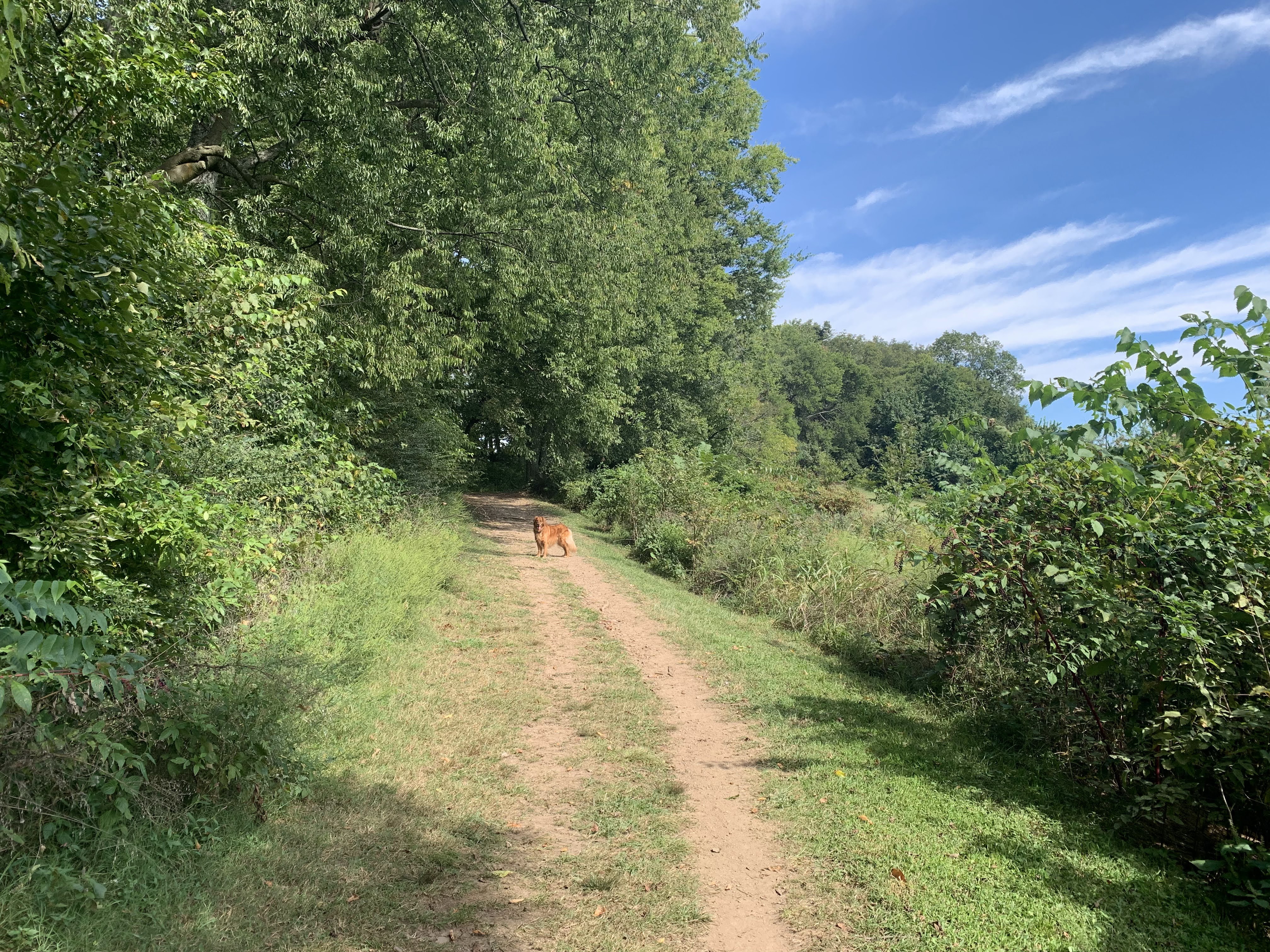

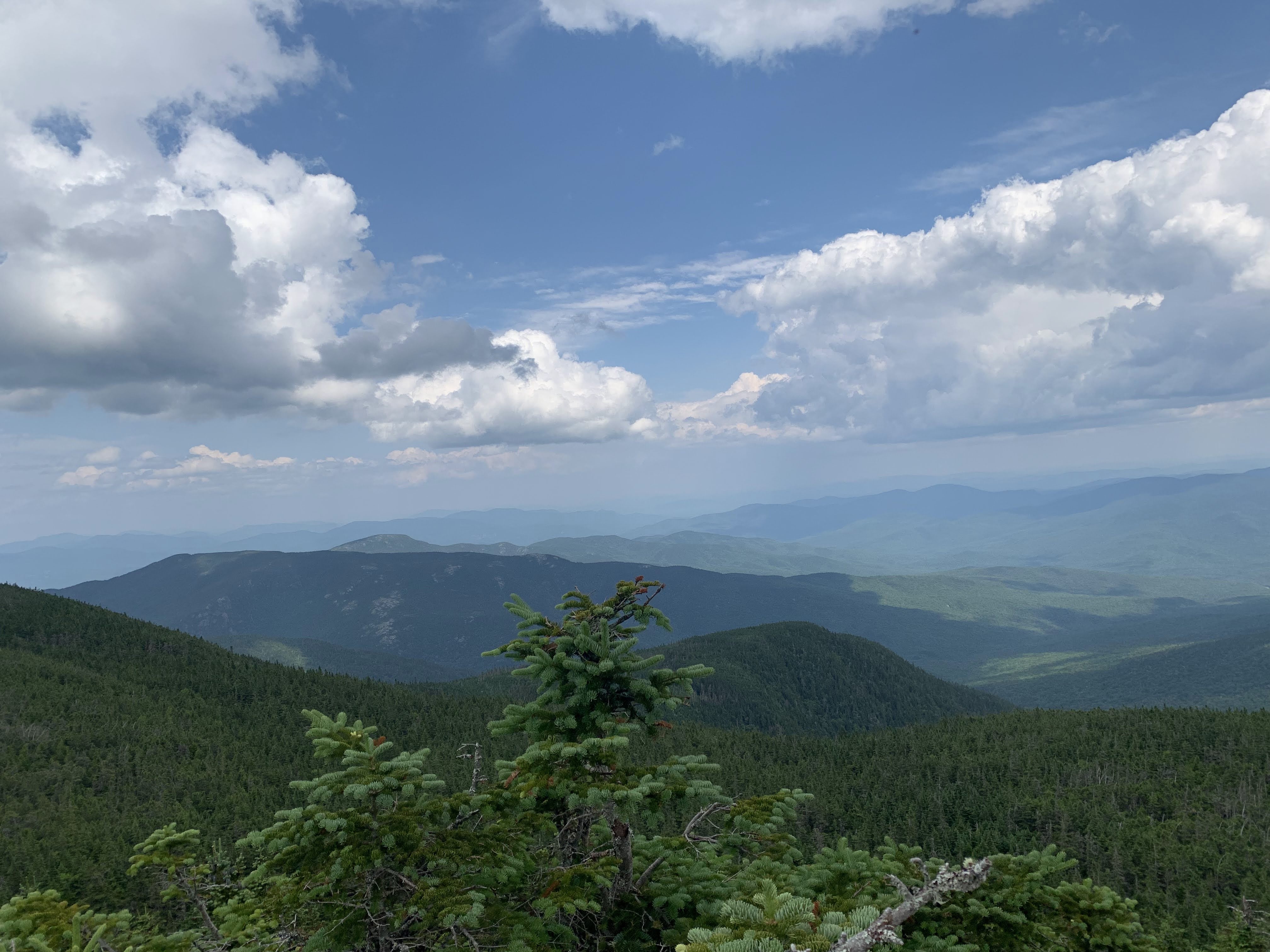

Glittering ice storms and whimsical thaws and freezes; tiny white and purple wildflowers that sang like stars in the grass; a sweltering green summer full of dreams of dragons; a humming haze of an autumn, goldenrod and woodsmoke in the air. Playing the how-many-ebooks-can-I-check-out-per-month game on library apps; slipping into chiffon and satin for weddings; watching my dog roll around on his back like a deliriously happy bug; zipping up suitcases and carefully storing away parking tickets; sifting the pages of my Bible as if I climbed a stone staircase, trusting it to hold me. 2023 is finished – a translucent, winding, treacherous, wondrous year that taught me a lot of good things.
I wanted this to be a fruitful, abundant year, especially for my writing career. I resolved to edit the rough draft of a manuscript I’d just finished, submit at least one article for publication per month, release a fairy-tale-retelling podcast, and perhaps craft a few short stories for good measure – along with at least one blog post per month, of course. I accomplished a couple of those things, especially releasing the podcast, but for most of the time I found my heart and imagination blank and empty, unable to give birth to new ideas.
At a writing retreat in February, my writing teacher reminded us that we writers are not machines with a set, predetermined production output. We’re more like trees, with seasons of fruitfulness and fallowness. I decided to fill myself up with good things in this fallow season, so when inspiration comes, it has plenty to work with: good books, good plays, good movies, and good teaching.
This blog post is a wrapup of some of the good things I filled up with in 2023, books and plays, as well as a few aftershow notes from recent “Leaf by Lantern” podcast episodes.
Books of 2023
Researching the podcast this year kept me steeped in fairy tales, but I fed my soul with all the other books I could find. Here are some of my favorites:
Transformed: The Perils of the Frog Prince, by Megan Morrison – I wanted to read more fairy tale retellings so I could talk about them on the podcast, but I had trouble finding ones that weren’t dark, “steamy” YA fiction. Reading this story gave me a lot of pleasure during a long flight from the west coast. It’s actually the third in the Land of Tyme series (I have not read the first two) and features a brilliantly-developed, selfish and demanding main character who goes on a quest, solves a complex mystery, and undergoes a deep transformation.
This Rough Magic and Nine Coaches Waiting, by Mary Stewart – Despite the announcement on the covers of these paperbacks that these titles graced the New York Times Bestseller List (in the 1950s) and that Mary Stewart is famous as a master of “romantic suspense,” I had never heard of this author before. I could die of happiness. These books feature beautiful, daring heroines reminiscent of Grace Livingstone Hill girls or Nancy Drew; exotic locations described with lush, vivid prose (I adore detailed descriptions like these); thrilling adventures and wildly melodramatic romances. These books are definitely dated in certain ways, but they whisked me away to enchanted worlds for many happy hours. I would love to write books like these, set in places I know and love.
The Goldfish Boy by Lisa Thompson – I crave new, well-written mysteries, but it’s hard to find good ones outside of the Golden Age classics I have already reread many times (mainly Agatha Christie and Dorothy L. Sayers) that don’t feature grisly murders and questionable ethics. This middle-grade novel uses some of the classic tropes, including a housebound main character (suffering from crippling germophobia) who may have been the last person to see a toddler who goes missing. It’s a very sweet story, with a lot of self-discovery and friendship.
Ancora: The Fog Banshee’s Curse, Miriam Pittman – I met Miriam at a writer’s retreat and loved the sound of her Irish-lore-inspired story. This book overflows with sweet humor, beauty, adventure, and mystery, from a sinister spellcaster to magical horses and terrifying, murderous fog banshees. The personalities and relationships of the sisters are as clear, bright, and sweet as those in Little Women or The Penderwicks. Miriam did a fantastic job of playing chords of truth, self-discovery, repentance, courage, justice, and forgiveness in ways that ring true, without making the reader feel lectured.
Daughter of Arden series by Loren Warnemuende – After twenty-five years of writing and drafting and a few years of editing and review, my friend Loren’s book series is finally out! Watching Loren brainstorm and draft and piece the final parts together has been a delight. Loren is a master of character development and growth – I was astonished at the transformations she put together. Reading the final book, Promise, was also a lesson in revelation and exposition; many of the characters, events, and seemingly-extraneous details of the first two books suddenly rise up as essential plot points that lead to a thrilling conclusion.
The Carver and the Queen by Emma C. Fox – Before reading this book, I thought Siberia was a perfectly flat, frigid, depressing place with a constant snowstorm over grim gulags. Emma’s box opens up the dazzling world of Siberian folklore, from peasant festivals to fireflowers to a formidable Malachite Queen under the mountain. The prose of this book was so exquisite, I had to read and reread pages to soak it in. Deep, fascinating characters – some very lovable good guys, some very hateable bad guys – take part in a dance of duty and desire, frustrated longings and difficult sacrifices. I am a fast reader because I’m impatient, but this is a rare treasure, a story to savor slowly.
Son of the Deep and Orion and the Starborn by K.B. Hoyle – Emma’s The Carver and the Queen led me to Owl’s Nest Publishers, a great place to find middle-grade and teen literature that is actually written for readers in those age groups. This fairytale retelling and astronomical fantasy gave me a wholehearted pleasure – gorgeous settings in the deep sea or Orion’s belt, characters with zeal and longing, and, best of all, plots driven by romantic or familial love. I ached for the main characters in these books to find the wealth of community and keys to the mysteries in their lives. Both of these titles have sequels coming out in the next year, which makes me very, very happy.
Tales of Hibaria: The Awakening by Jamin Still – I wanted this book as soon as I heard its premise – a world where constellations or “Sky Lords” walk the earth and guide children on important quests – but I waited until I could ask for it as an early Christmas present. It’s marvelous: gorgeously illustrated, with intricate and colorful maps and breathtaking images of the stories; written with simple, eloquent prose like drops of rainwater on a pool; alive with child characters who look up to the stars, ponder strange memories or deep griefs, and set foot on the road to adventure with trembling hearts. Some of the short stories in this collection were so beautiful they hurt. My timing in reading it is excellent – this book’s sequel also comes out this year.
The Turning by Emily Whitman – With delightful irony, I published a podcast episode on the “Selkie Wife” folktale one day, couldn’t sleep that night, and checked out this ebook on my library app to pass the time . . . which turned out to be a selkie story! Vivid, clear prose; a main character whose loneliness, love, and determination captured my heart completely; and a perfect balance between the discouragement of frustrated desire and choosing to hope.
Personal reflection about all these books: the stories I loved the most in 2023 involved characters with profound yearnings, deep love, exciting adventures, and courageous hope. It has been fun to trace the Gospel patterns in the fairy tales I’ve studied on the podcast, looking for what truths of Scripture glimmer in motifs, archetypes, and structure and give them their beauty.
Plays of 2023
I attended every play I could find this year, mostly classics:
- Les Miserables, January
- Peter and the Starcatchers, March
- Pride and Prejudice, April
- The Sound of Music, July
- The Play that Goes Wrong, November
- A Wrinkle in Time, November
- A Christmas Carol, December
The Play That Goes Wrong – This performance matched my sense of humor perfectly (almost): consciously and unconsciously ridiculous, full of desperate attempts to save face and keep the show going on in the midst of abject failure and total mayhem. If you’re not familiar, the premise is that you’re attending an amateur drama club’s first major performance . . . and everything goes drastically, hilariously wrong, from actors forgetting their lines to the set falling apart. Watching this play reminded me of how much comedy, and storytelling in general, depends on the interplay of timing, setting audience expectations, and either meeting or breaking those expectations. The misspoken or forgotten lines were placed so that the audience knew what was supposed to be said, and how bad the actual delivery was; props were misplaced or forgotten in a specific order, so we knew specifically what should have happened. I could have used less (or no) slapstick fighting at the end, but otherwise, thoroughly enjoyed the artful silliness of this play.
A Wrinkle in Time – Fifteen cast members in a black box theatre brought this story to life – with some people acting and an ensemble taking turns reading out loud and playing minor roles. The wonder, humor, and startling creativity of L’Engle’s work was all the more delightful as an audiobook/live drama. Adapting a story to the stage or screen often means that the author’s prose is lost, or has to be inserted into dialogue, but the read-aloud aspect of this adaptation meant L’Engle’s prose was preserved and its beauty was amplified. I also appreciated that the play didn’t feel the need to update or change the story to “fit” our current cultural moment better; it was more timeless because it wasn’t trying to be relevant.
Podcasts of 2023
One morning in May, as I was frantically trying to write/record the first episode and get all the necessary ingredients (show graphic + RSS feed + intro segment + etc.) I woke up feeling grumpy and unmotivated, wondering why on earth I was trying to do something as hard and scary as produce a podcast. I didn’t want to – it was too difficult and too intimidating. With a startling clarity, I realized that those two things, fear and laziness, are terrible reasons for doing or not doing something – and I managed to publish the episode a few days later.
Creating podcast episodes is much harder than writing essays or stories. A few things I’ve learned:
- Time – I have never regretted giving myself an extra day or so to refine the content, even when it means an episode is late. I’m careful about theological topics and Scriptural interpretations, and reading a script out loud multiple times gives me the chance to realize if I say something confusing or incorrect.
- Examples – Finding good, interesting examples of principles and applications is one of my favorite things – and one of the hardest parts of the podcast. Talking about any subject means that you have to be well-versed in it, in both breadth and depth – so technically, I should be a master reader of retellings. One problem I’ve encountered, as I mentioned above, is the rarity of good fairy tale retellings. There are gems out there, but there are a lot of retellings that try to “fix” the fairy tales or use them to teach moral lessons. Finding good retellings, or stories in general, is deeply refreshing and gives me hope.
- Community – Good podcasts make themselves part of larger conversations, whether or not they have one host or several. I have learned so much from the guests I’ve had on the podcast, and would like to learn more. I hope to book more guests for season 3.
Reflections on some recent podcasts:
The Golden Bird
This episode explored some very big and deep concepts, and I wish I had given myself a little more time to ponder them. I would add one thing to the third section, in which I discussed Scriptural examples of betrayal. I went over three Biblical stories of betrayal and how they provide patterns artists could learn from: Joseph and his brothers (betrayal > repentance > forgiveness and reconciliation), Cain and Abel (betrayal > no repentance > unexpected grace), and Judas Iscariot (betrayal > no repentance > condemnation). With further reflection, I wish I had talked more about the concept of betrayal and the Christian worldview.
The idea of “betrayal” as something bad, a wrong that demands justice, is a Christian one. It rests on several things:
- The idea that to break your word, your promise, is wrong – words matter to God. God always keeps His Word. This principle also applies to lying (Ten Commandments).
- The idea that hurting someone intentionally, not in self-defense or a just war, is wrong. “Love your neighbor” – Jesus commanded – and even, love your enemy.
- The idea that there is no sin that will not be found out. I don’t watch a lot of gritty TV shows – cop shows or the darker dystopias – but I’ve noticed in the few I have seen that there comes a moment when a situation becomes so tangled, so full of conflicting wills, wrongs, desires, and dangers, that even the good or sympathetic characters will do terrible things. In moral gray areas, it’s not always clear if there is a right thing to do. Scripture opens our eyes to a world in which God is always watching and always good; He sees every act of evil, and He will bring justice. Applied artistically, I believe that if you have a betrayal in your story, you need to figure out how justice will manifest itself, whether or not the betrayer is caught or the betrayed person survives. I don’t believe a story should display the betrayal of an innocent person without there being some justice – or at least, the shadow of some future reckoning.
I also spoke a little on the four rivers of Eden (in relation to Havilah and the land of gold). Andy Patton’s meditation on the four rivers of Eden examines the Hebrew words and Old Testament imagery more closely, with some delightful insights.
The Selkie Wife
This episode became one of my favorites; exploring the paradox of the sea as a realm of wonder and chaos was especially fun. I realized, in the making, that I failed to make an important distinction between the sea in the beginning of Genesis and the sea after Genesis 3. The sea is fallen, with the rest of Creation; the presence of sin and death mean that the ocean we encounter now, physically and metaphorically, is a corrupt version of the ocean God made. That being said, I love how this tragic tale captures the loveliness, loneliness, longing, and liminality of sea stories.
The Frog Prince
I had lots of fun planning and recording this sci-fi episode with my dad. Envisioning what a sci-fi retelling of the Frog Prince might look like allowed us to delve into our favorite themes in science fiction, the imagery of transformation, friendship, and quests, and how to make characters likable, relatable, and able to grow.
This episode reveals that I’m more of a plotter than a pantser, to use current creative-writing jargon – I like to have some overall picture of the plot in my head. The distinction with my writing brain is that I’m a holey plotter; I’ll have a general structure in my head and a certain number of scenes, but with big narrative gaps that I have to fill in. If I were to write a sci-fi Frog Prince retelling, the filling in of those holes and editing process would probably change the entire story. But it was fun to envision how a story like this could begin.
Looking into 2024
I’m looking forward to 2024; a year with a nice, round number, a year four years removed from certain health-related events we would all like to forget; a year that, at this moment, is untouched by shadows. Every year, since college, has brought such life changes and unique seasons that I could never guess them all, from December to December – so for all the unknowns of 2024, I will trust what I know:
Psalm 36:7 — How precious is your steadfast love, O God! The children of mankind take refuge in the shadow of your wings.
 Stories of Yearning